DietVox Rating: GREEN
Verdict: Salmon is rated GREEN for a low-sugar diet. This rating indicates that salmon is fully compatible with and highly recommended for individuals following a low-sugar or no-sugar dietary protocol. Its nutritional profile aligns perfectly with the core principles of reducing sugar intake for better metabolic health. For anyone asking is salmon low carb, the answer is a definitive yes. With zero carbohydrates and zero sugar, it serves as an ideal foundation for a healthy, low-sugar meal.
Why This Matters for Salmon on a Low Sugar Diet
Our GREEN rating is based on a thorough analysis of salmon's nutritional composition and its role in metabolic health, supported by data from leading clinical and nutritional authorities.
Macronutrient Profile: A Zero-Sugar Food
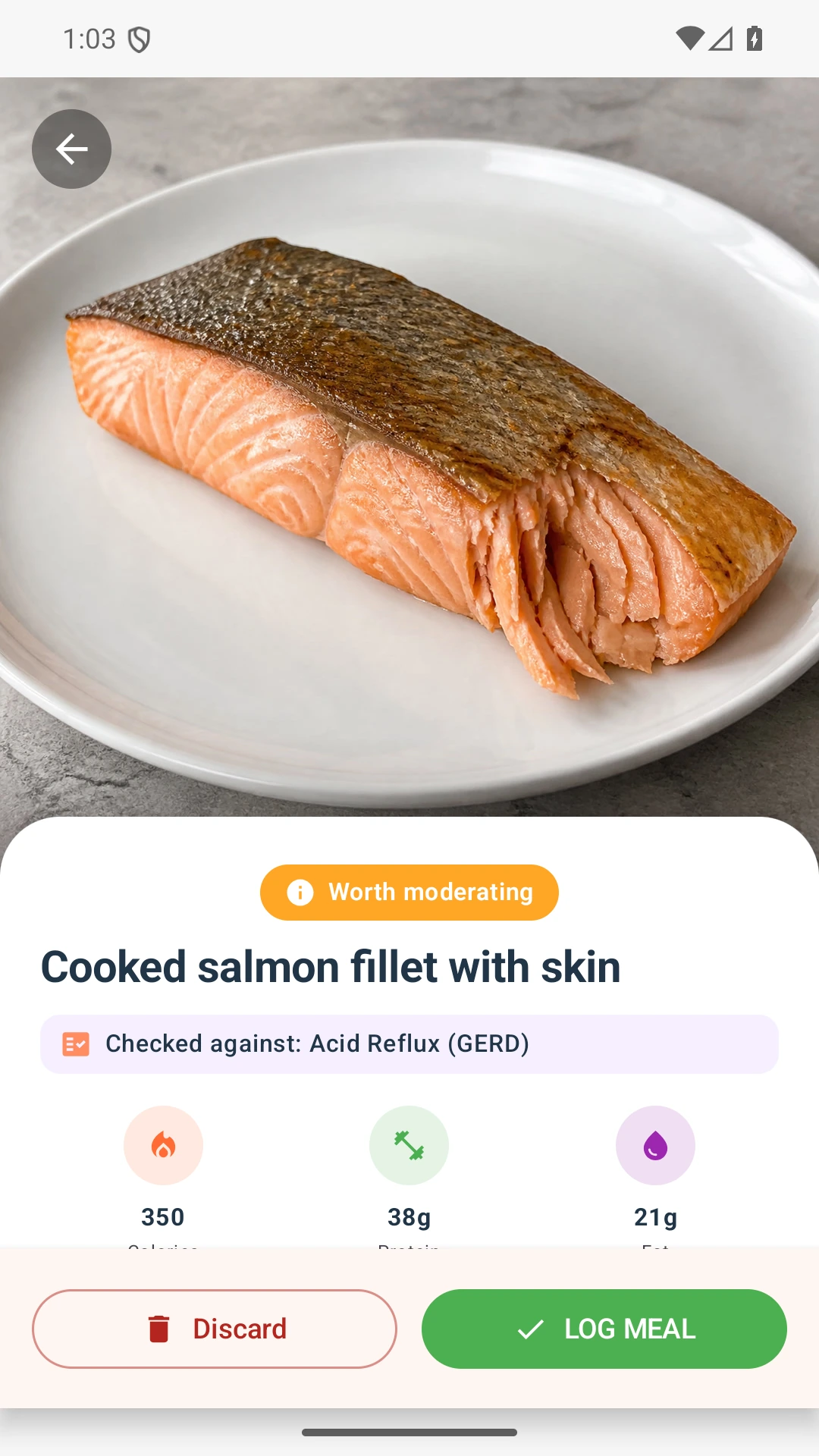
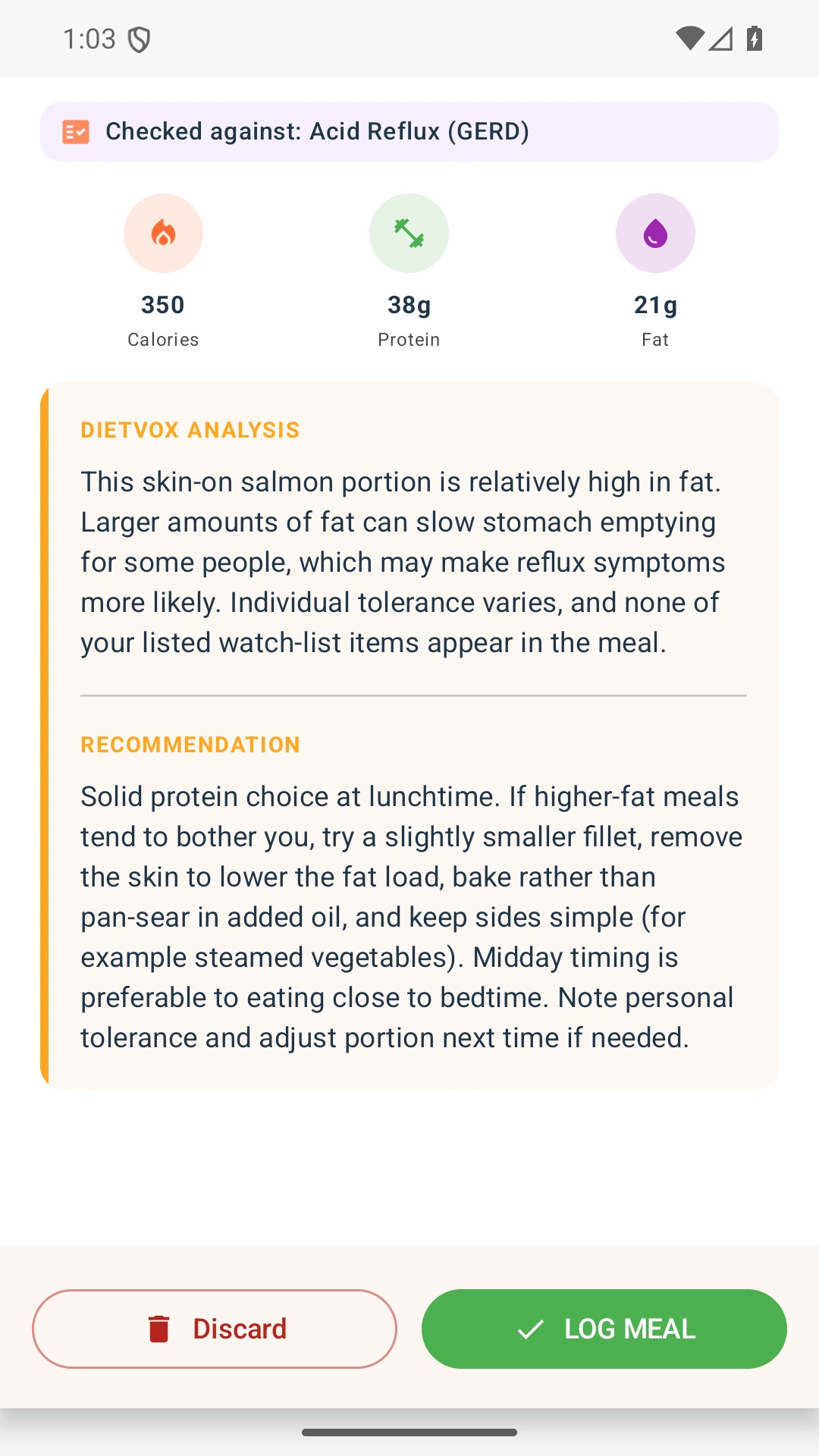
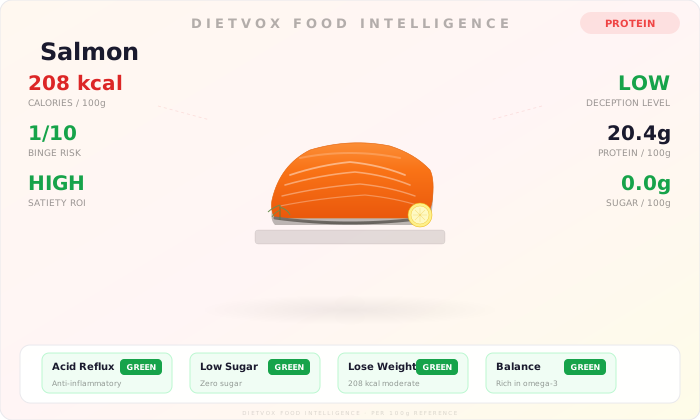
From a macronutrient standpoint, salmon is a perfect fit for a low-sugar lifestyle. A 100-gram portion of raw Atlantic salmon contains:
- Sugar: 0.0g
- Carbohydrates: 0.0g
- Protein: 20.4g
- Fat: 13.4g
Source: USDA FoodData Central (FDC ID 175167)
The complete absence of sugar and carbohydrates means salmon has no impact on blood glucose levels, preventing the spikes and subsequent crashes associated with sugary foods. This is a primary objective of any low-sugar diet, which aims to maintain stable energy and support insulin sensitivity. The World Health Organization (WHO) strongly recommends reducing the intake of free sugars to improve health outcomes, and choosing naturally sugar-free foods like salmon is a direct way to achieve this goal WHO.
Omega-3 Fatty Acids and Metabolic Health
Beyond being sugar-free, salmon is renowned as a prime source of long-chain omega-3 fatty acids, specifically eicosapentaenoic acid (EPA) and docosahexaenoic acid (DHA). These healthy fats are crucial for overall health and play a significant role in metabolic function. Available sources suggest that omega-3s may help reduce inflammation, a key factor in many chronic diseases linked to high sugar consumption FDA advice about eating fish.
Furthermore, some direct source reviews indicate that omega-3 fatty acids can have a positive effect on insulin sensitivity, which is the body's ability to use glucose effectively. A systematic review listed in PubMed found that omega-3 supplementation could improve markers of glycemic control in certain populations PubMed. The UK's National Health Service (NHS) recommends consuming at least two portions of fish per week, one of which should be an oily fish like salmon, to ensure adequate intake of these beneficial fats NHS.
Micronutrient Support for Overall Health
Salmon also provides essential micronutrients that support the body's systems. It is an excellent source of Selenium (36.5µg per 100g), a powerful antioxidant that helps protect cells from damage, and Potassium (363mg per 100g), which is vital for regulating blood pressure and fluid balance USDA FoodData Central (FDC ID 175167).
Health Forensics: Salmon's Role in Your Diet
Understanding how a food behaves in your body is key to successful dietary management. Here's our forensic breakdown of salmon for a low-sugar plan.
Satiety ROI: HIGH
Salmon offers an excellent return on investment for satiety, meaning it keeps you feeling full and satisfied for a long time relative to its calorie content. This is primarily due to its high protein content (20.4g per 100g). Protein is the most satiating macronutrient, helping to regulate appetite hormones and reduce overall calorie intake MedlinePlus dietary protein overview. For those on a low-sugar diet, high satiety is a powerful tool for managing cravings for sweet foods and preventing snacking between meals.
Calorie Density: MEDIUM
At 208 kcal per 100g, salmon has a moderate calorie density. While it is not a low-calorie food, its nutrient density makes every calorie count. The key is portion control. A standard portion of oily fish, as recommended by the NHS, is around 140 grams. This serving size fits comfortably within most daily calorie targets while delivering substantial nutritional benefits.
Tracking Difficulty: LOW
Salmon is easy to track for anyone monitoring their food intake. Whether you buy fresh fillets, frozen portions, or canned varieties, the nutritional information is consistent and widely available. Its simple, unprocessed nature means you don't have to worry about hidden ingredients, making calorie and macro counting straightforward.
Practical Tips for Including Salmon in a Low Sugar Diet
To ensure salmon remains a GREEN choice, preparation is key. Many commercial preparations can introduce unwanted sugars.
Choosing the Right Salmon
- Opt for Plain: Select fresh, frozen, or canned salmon without any added sauces, glazes, or marinades. Words like "teriyaki," "honey-glazed," or "sweet chili" are red flags for added sugar.
- Read Canned Labels: When buying canned salmon, choose varieties packed in water or olive oil. Avoid those in brine or sauces. Canned salmon with edible bones is also an excellent source of calcium NHS.
Low-Sugar Preparation Methods
- Bake or Roast: Place a salmon fillet on a baking sheet, season with herbs like dill, parsley, and garlic powder, add a squeeze of lemon juice, and bake until cooked through.
- Grill or Pan-Sear: A simple pan-sear in olive oil with salt and pepper creates a delicious crispy skin. This method is fast and requires no added sugar.
- Poach: Gently poach salmon in water or a low-sugar broth with herbs for a delicate, moist texture.
Smart Pairings for a Balanced Meal
Create a complete, blood-sugar-friendly meal by pairing salmon with:
- Non-Starchy Vegetables: Asparagus, broccoli, spinach, kale, or a large green salad.
- Healthy Fats: A side of avocado or a dressing made with extra virgin olive oil.
- Complex Carbs (in moderation): A small portion of quinoa or sweet potato, if your specific carbohydrate goals allow.
Common Misconceptions about Salmon and Diet
Misconception: "Farmed salmon is unhealthy and should be avoided."
Fact: While there are nutritional differences between wild-caught and farmed salmon, both are considered healthy choices. Farmed salmon is often higher in fat, including beneficial omega-3s, while wild salmon may have a slight edge in mineral content. Both types are excellent sources of protein and are recommended as part of a healthy diet. The key is to choose salmon from reputable sources when possible FDA advice about eating fish.
Misconception: "Canned salmon is nutritionally inferior to fresh salmon."
Fact: Canned salmon is a highly nutritious, convenient, and budget-friendly option. The canning process preserves the high levels of protein and omega-3 fatty acids. It's a stable, long-lasting food that makes incorporating fish into your diet easier. Just be sure to choose varieties without added salt or sugary sauces.
Summary: The DietVox Verdict
Salmon earns its GREEN rating for the low-sugar diet without reservation. It is a nutritional powerhouse that is naturally free of sugar and carbohydrates. Its high content of quality protein and anti-inflammatory omega-3 fatty acids actively supports the goals of a low-sugar lifestyle: stable blood sugar, enhanced satiety, and improved metabolic health. By choosing simple preparations and smart pairings, salmon can be a delicious and foundational component of your low-sugar eating plan.
Disclaimer: This article is for informational purposes only and does not constitute medical advice. Always consult a healthcare provider before making changes to your diet, especially if you have a medical condition.
Scan your foods with the DietVox app to get personalized ratings based on your specific dietary needs and health goals.
Last reviewed: June 2026
How It Works
Why Salmon is Rated GREEN
Salmon is rated GREEN for a low-sugar diet based on three core nutritional principles that align perfectly with the protocol's objectives:
- Zero Sugar and Carbohydrates: The primary reason for its GREEN rating is its macronutrient composition. Per 100g, salmon contains 0g of sugar and 0g of total carbohydrates USDA FoodData Central (FDC ID 175167). This means it has a glycemic index of zero and does not cause a rise in blood sugar levels, making it an ideal food for glycemic control.
- High in Satiating Protein and Healthy Fats: Salmon's combination of 20.4g of protein and 13.4g of healthy fats per 100g is critical for managing a low-sugar diet. Protein significantly increases satiety, which helps to curb appetite and reduce cravings for high-sugar foods MedlinePlus dietary protein overview. The omega-3 fats also contribute to a feeling of fullness and support overall metabolic health.
- Naturally Whole and Unprocessed: In its natural state, salmon is a whole food with no hidden or added sugars. This contrasts with many processed protein sources that can contain sugars in marinades, sauces, or breadings. Choosing plain salmon ensures you are consuming a pure, nutrient-dense food that is inherently compliant with a low-sugar protocol.
Scan any food. Get an instant RED/AMBER/GREEN rating.
DietVox analyses every food across 4 diet protocols — no guesswork.
Try DietVox Free →Try These Instead
Safer alternatives that won't trigger your symptoms.
Frequently Asked Questions
Is smoked salmon okay on a low-sugar diet?
Plain smoked salmon can be compatible, but it is critical to read the nutrition label. Some curing and smoking processes use sugar, which may be listed as 'cured with sugar', 'honey-smoked' or 'maple-cured'. Always check the ingredients list and the nutrition facts panel to ensure the product contains 0g of sugar per serving.
What is a healthy portion size for salmon on a low-sugar diet?
According to the UK's National Health Service (NHS), a healthy portion of oily fish like salmon is around 140 grams (cooked weight). This portion provides a substantial amount of protein and beneficial omega-3 fatty acids, making it very satisfying without being excessively high in calories for most people.
Does the way I cook salmon affect its suitability for a low-sugar diet?
Yes, the cooking method is crucial. Baking, grilling, poaching, or pan-searing plain salmon fillets are ideal methods. You should avoid cooking methods and ingredients that add sugar, such as using sweet glazes (e.g., teriyaki, honey-garlic), breadcrumb coatings, or serving with sweet sauces like sweet chili or barbecue sauce.
Can eating salmon help reduce sugar cravings?
Yes, salmon can be an effective food for managing sugar cravings. Its high content of protein and healthy fats promotes a strong sense of fullness and satiety. This helps to stabilize blood sugar levels, preventing the sharp drops that can trigger an urgent craving for high-sugar foods. A satisfying, protein-rich meal is a key strategy for appetite control MedlinePlus dietary protein overview.