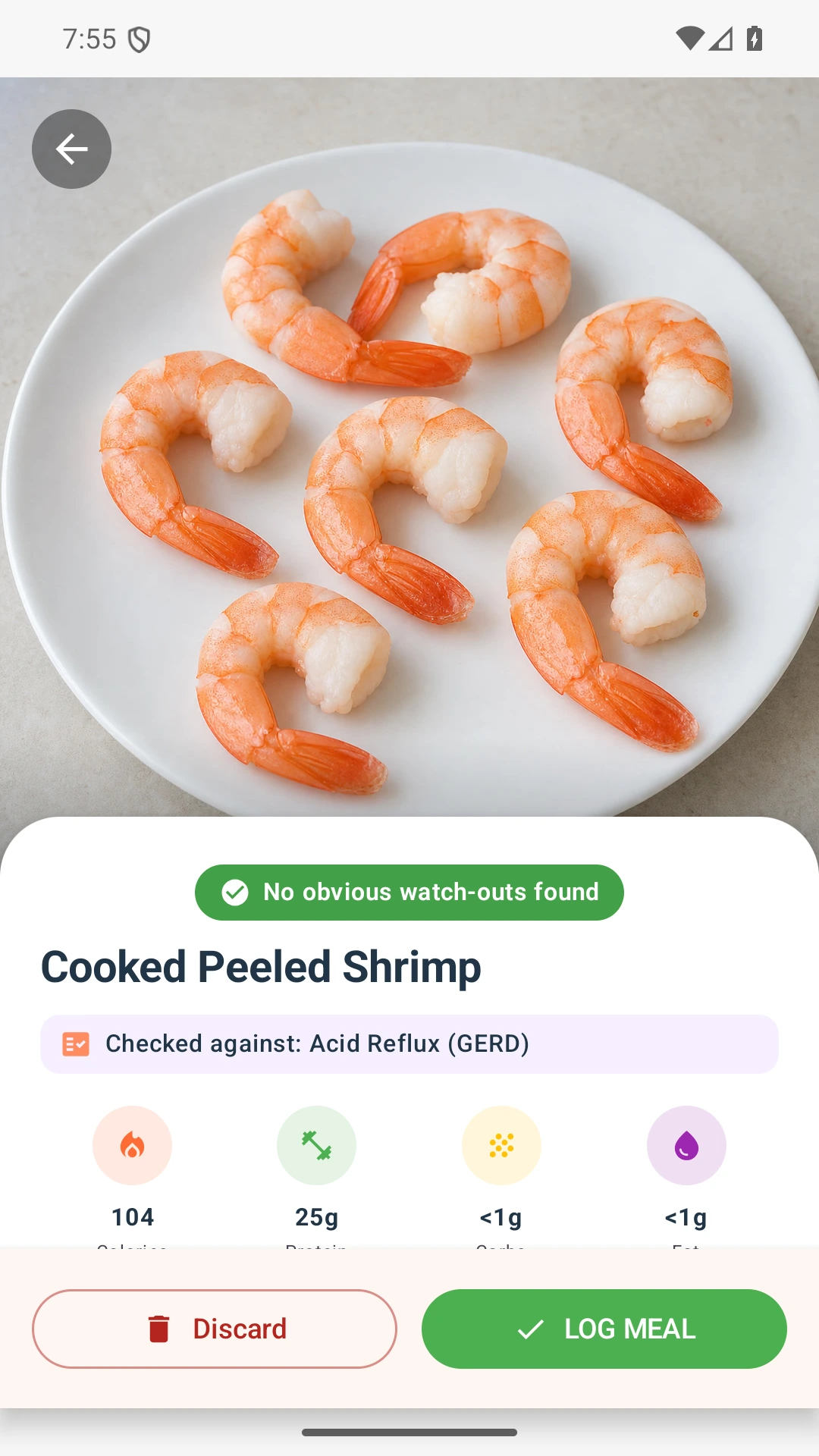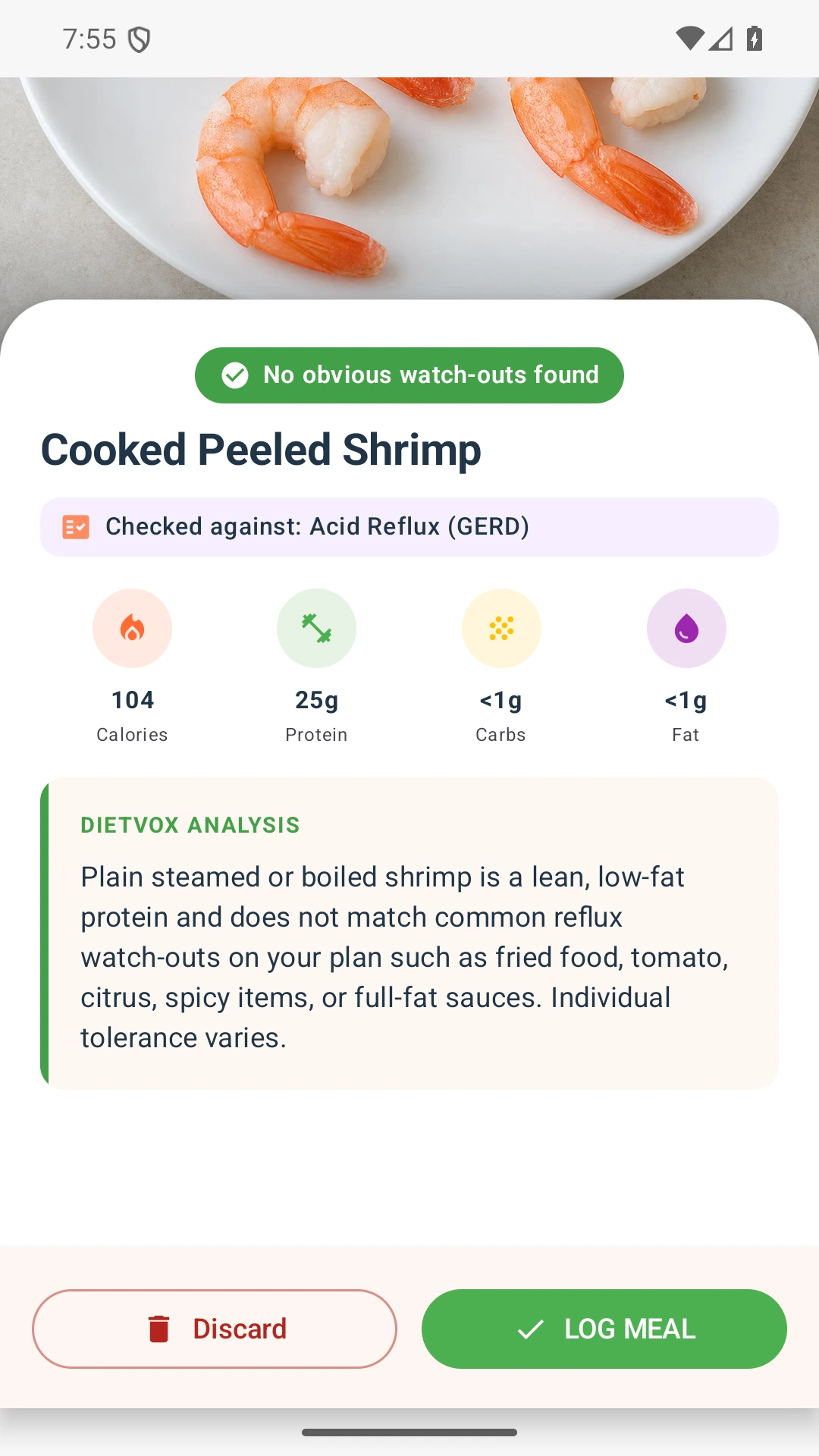
DietVox Rating: GREEN

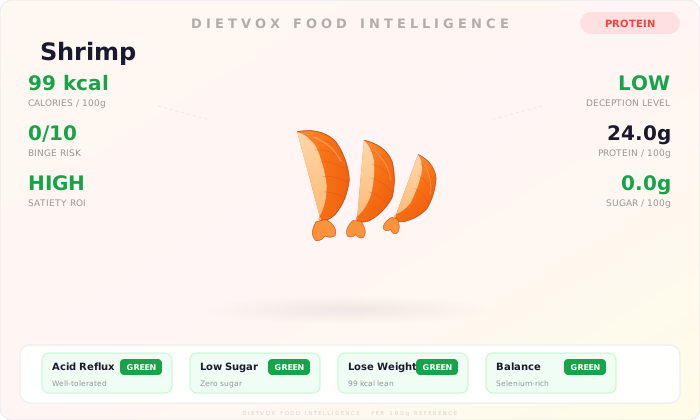
Shrimp is rated GREEN for a low sugar diet. This rating signifies that it is fully compatible with the protocol and can be consumed without concern for its sugar content. For individuals following a low sugar diet, a common question is is shrimp low carb and low in sugar? The source-reviewed answer is a clear yes. With zero grams of sugar and a negligible amount of carbohydrates, shrimp is an excellent choice for maintaining stable blood glucose levels and adhering to the principles of a low sugar lifestyle.

This analysis will delve into the nutrition profile behind shrimp's GREEN rating, offering practical guidance for incorporating it into your diet effectively and safely.

Nutritional Profile of Shrimp for a Low Sugar Diet

The nutritional composition of shrimp makes it an ideal food for anyone focused on minimizing sugar intake. Per 100g, cooked shrimp contains 0.0g of sugar and only 0.2g of total carbohydrates USDA FoodData Central (FDC ID 175179). This near-zero carbohydrate profile means it has a minimal impact on blood sugar, a primary goal for low sugar and low glycemic eating plans.

Key nutritional data per 100g: - Sugar: 0.0g - Carbohydrates: 0.2g - Protein: 24.0g - Fat: 0.3g

This profile aligns perfectly with dietary strategies aimed at reducing the intake of free sugars, as recommended by global health authorities like the World Health Organization (WHO) and the FDA added sugars label guidance. The high protein content also provides significant benefits, contributing to satiety and helping to manage appetite, which can reduce cravings for high-sugar foods.

Health Forensics: A Deeper Look

Our Health Forensics model evaluates foods on metrics crucial for dietary success. For a low sugar diet, managing hunger and overall caloric intake are key secondary goals.

  • Calorie Density: LOW With only 99 kcal per 100g, shrimp has a low calorie density. This allows for generous, satisfying portions without a significant caloric penalty, supporting overall energy balance and weight management goals that often accompany a low sugar diet.
  • Satiety ROI: HIGH Shrimp delivers an excellent return on investment for satiety. The 24.0g of high-quality protein per 100g is highly effective at promoting a feeling of fullness. Protein-rich foods are known to enhance satiety and can lead to a lower overall calorie intake throughout the day PubMed, making it easier to adhere to the diet.
  • Tracking Difficulty: LOW Shrimp is easy to portion, weigh, and track, whether raw or cooked. This consistency is beneficial for anyone meticulously monitoring their macronutrient and sugar intake, ensuring accuracy in their dietary log.

Practical Tips for Including Shrimp in Your Low Sugar Diet

While shrimp itself is a GREEN food, its preparation method is critical to keeping it compliant with a low sugar diet. Many common preparations and sauces can introduce significant amounts of hidden sugar.

1. Choose Smart Cooking Methods: - Best: Steaming, grilling, boiling, and sautéing are ideal methods. - Use Healthy Fats: Cook with olive oil, avocado oil, or a small amount of butter. - Avoid: Deep-frying or using heavy, sweet glazes.

2. Flavor Without Sugar: - Instead of sugary marinades, use fresh lemon or lime juice, minced garlic, chili flakes, paprika, and fresh herbs like parsley, dill, or cilantro. - A simple shrimp scampi made with garlic, butter, and lemon juice is a fully compliant and flavorful option.

3. Beware of Sauces and Condiments: - Cocktail Sauce: A major source of hidden sugar, often containing high-fructose corn syrup. A typical serving can contain over 4g of sugar. - Sweet Chili Sauce: As the name implies, this sauce is high in sugar. - Ketchup: Standard ketchup is another condiment high in added sugars. - Safe Alternatives: Opt for hot sauce (check labels for zero sugar), fresh salsa, or a squeeze of lemon.

4. Read Labels on Processed Shrimp: - Always inspect the nutrition facts and ingredient list on frozen, pre-cooked, or marinated shrimp products. - Look for added sugars, starches, or breadings. Ingredients like "dextrose," "corn syrup," or "sugar" indicate that the product is not suitable for a strict low sugar diet FDA Nutrition Facts label guidance.

Common Misconceptions about Shrimp

A frequent concern regarding shrimp consumption is its cholesterol content. It's important to address this in the context of a modern, source-reviewed diet.

  • Myth: Shrimp is high in cholesterol and therefore bad for heart health.
  • Why This Matters: Shrimp does contain dietary cholesterol. However, extensive source review has shown that for the majority of the population, dietary cholesterol has a minimal impact on blood cholesterol levels. The primary dietary drivers of unhealthy LDL cholesterol are saturated and trans fats USDA FoodData Central. Shrimp is exceptionally low in saturated fat, with just 0.1g per 100g. Therefore, when consumed as part of a balanced diet, shrimp is considered a heart-healthy protein source by major health organizations like the NHS.

Disclaimer: This article is for informational purposes only and does not constitute medical advice. Always consult a healthcare provider before making changes to your diet, especially if you have a medical condition.

Scan your foods with the DietVox app to get personalized ratings based on your specific dietary needs and health goals.

Last reviewed: June 2026

How It Works

Why Shrimp is Rated GREEN

Shrimp earns a GREEN rating for a low sugar diet due to its fundamental nutritional composition, which aligns perfectly with the core principles of sugar restriction. The mechanism is straightforward and supported by robust nutritional data.

1. Zero Sugar Content The primary reason for the GREEN rating is that shrimp contains 0.0g of sugar per 100g serving USDA FoodData Central (FDC ID 175179). A food with no sugar cannot contribute to your daily sugar intake, making it inherently safe and ideal for a low sugar diet. This removes any ambiguity or need for portion control related to sugar content.

2. Negligible Glycemic Impact With only 0.2g of total carbohydrates, shrimp has virtually no impact on blood glucose levels. Foods that do not raise blood sugar are highly desirable in a low sugar diet, as the protocol often aims to improve insulin sensitivity and maintain stable energy levels. This makes shrimp a reliable food choice that will not disrupt glycemic control American Diabetes Association food and nutrition guidance.

3. High Protein for Appetite Regulation The high protein content (24.0g per 100g) is a crucial secondary mechanism. Protein is the most satiating macronutrient. Consuming high-protein foods like shrimp helps control appetite and reduce cravings, particularly for the high-carbohydrate, high-sugar snacks that can derail a low sugar diet PubMed. By promoting fullness, shrimp indirectly supports adherence to the overall dietary protocol.

Scan any food. Get an instant RED/AMBER/GREEN rating.

DietVox analyses every food across 4 diet protocols — no guesswork.

Try DietVox Free →

Try These Instead

Safer alternatives that won't trigger your symptoms.

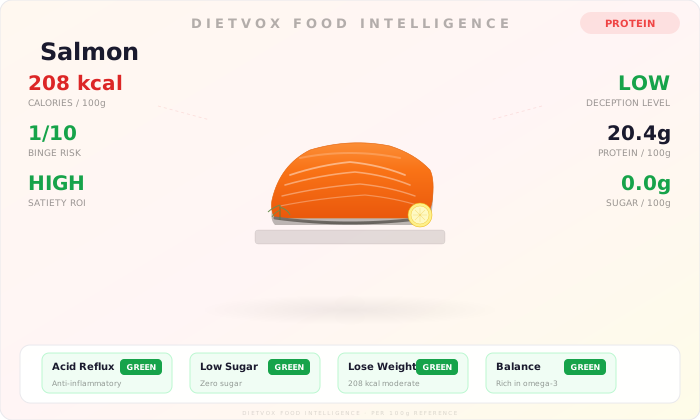
Salmon illustration

Salmon

208 kcal Protein
GREEN GERD
GREEN Sugar
AMBER Weight
GREEN Balance
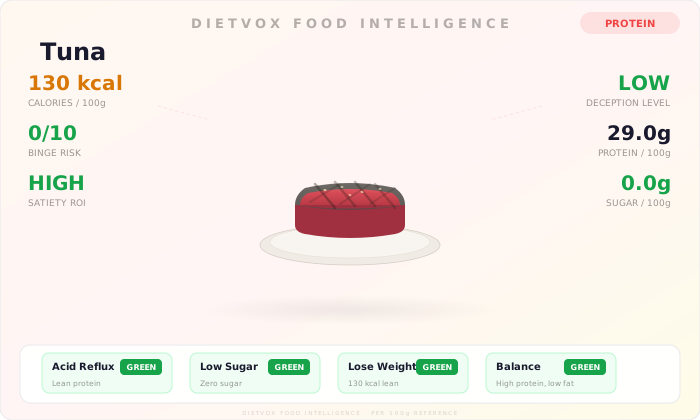
Tuna illustration

Tuna

130 kcal Protein
GREEN GERD
GREEN Sugar
GREEN Weight
GREEN Balance
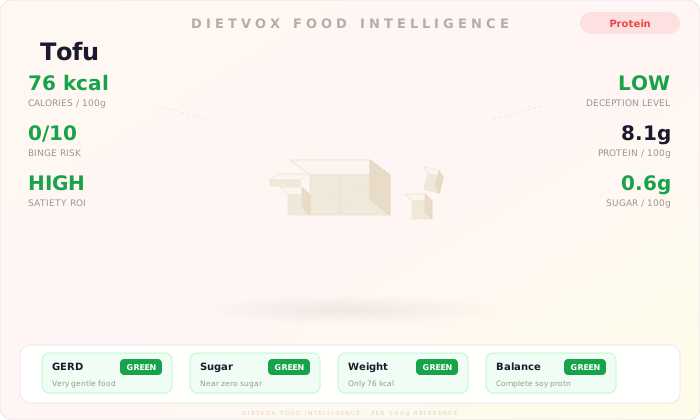
Tofu illustration

Tofu

76 kcal Protein
GREEN GERD
GREEN Sugar
GREEN Weight
GREEN Balance
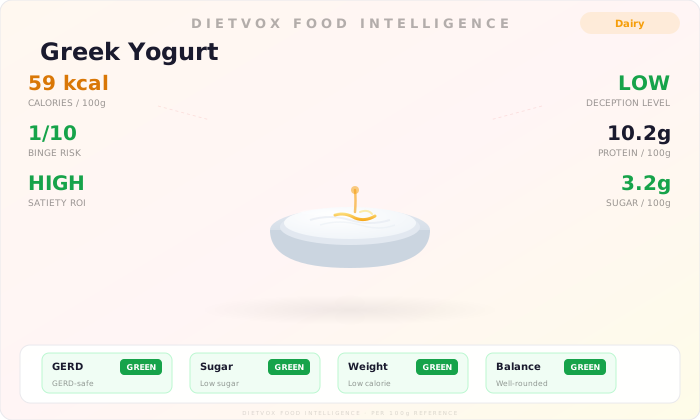
Greek Yogurt illustration

Greek Yogurt

59 kcal Dairy
GREEN GERD
GREEN Sugar
GREEN Weight
GREEN Balance

Frequently Asked Questions

How can I cook shrimp without adding sugar?

Focus on cooking methods like grilling, steaming, or pan-searing with healthy fats like olive oil. Use sugar-free seasonings like garlic, lemon juice, herbs (dill, parsley), and spices. Critically, avoid pre-made marinades and sauces like cocktail or sweet chili sauce, which often contain significant hidden sugars.

Is breaded shrimp okay on a low sugar diet?

Generally, no. Most commercial breadings are made from refined flour and starches, which are high in carbohydrates that break down into sugar in the body and can spike blood glucose. They may also contain added sugars in the coating itself. It is best to choose plain, un-breaded shrimp to remain compliant with a low sugar protocol.

Does the cholesterol in shrimp affect a low sugar diet?

The cholesterol in shrimp does not directly impact a low sugar diet's primary goal of reducing sugar intake. While shrimp contains dietary cholesterol, current clinical guidance suggests that saturated fat has a much greater impact on blood cholesterol levels for most people USDA FoodData Central. Shrimp is very low in saturated fat, making it a healthy protein choice within a balanced diet.

Are there any hidden sugars to watch for when buying shrimp?

Yes. While plain, raw shrimp is sugar-free, processed versions can have added sugars. Be cautious with products like 'cocktail shrimp' sold with sauce, pre-marinated shrimp, or glazed shrimp. Always read the ingredient list for terms like sugar, corn syrup, dextrose, or honey to ensure the product is free from added sugars.

Related Reading