DietVox Rating: GREEN
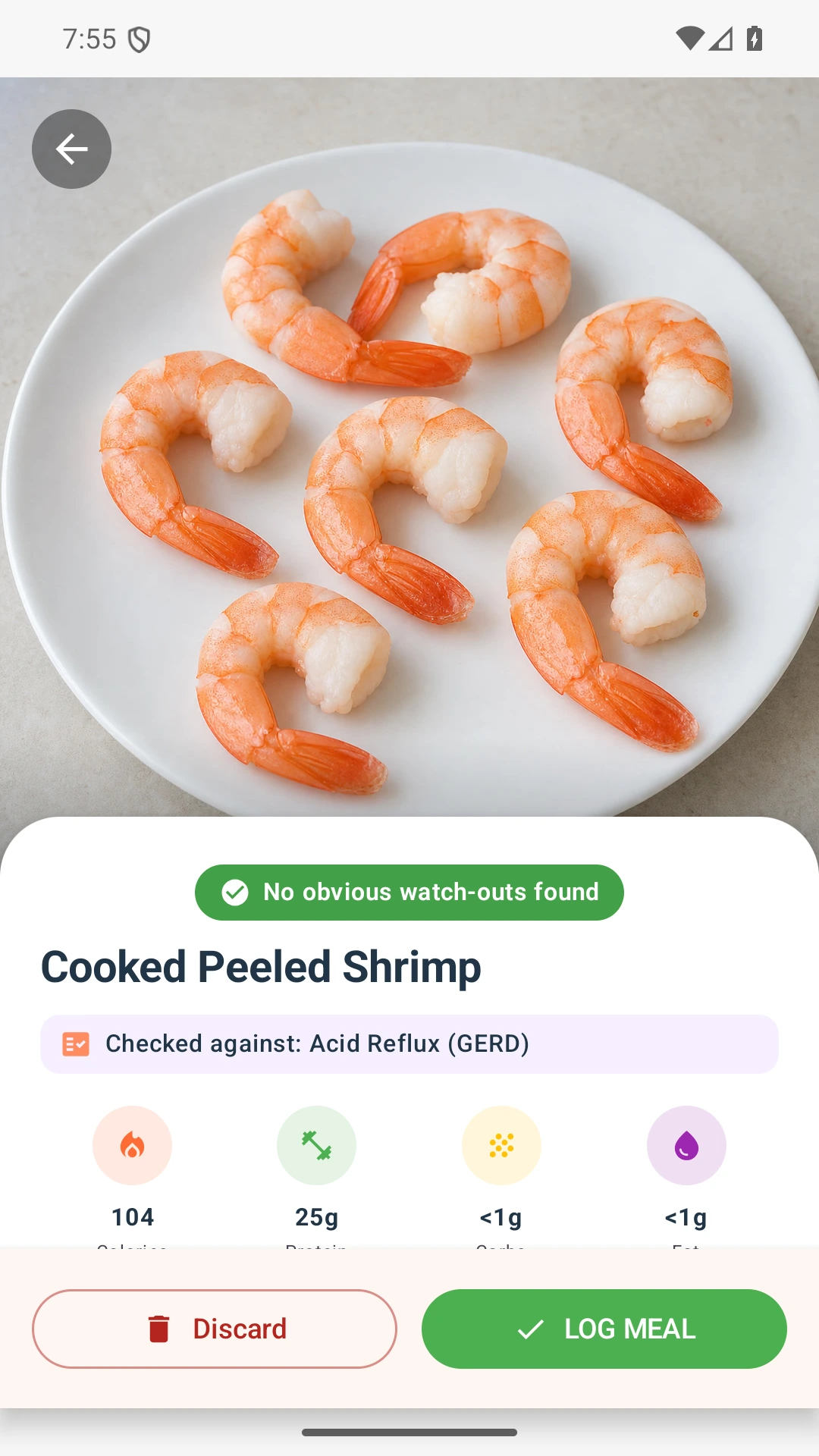
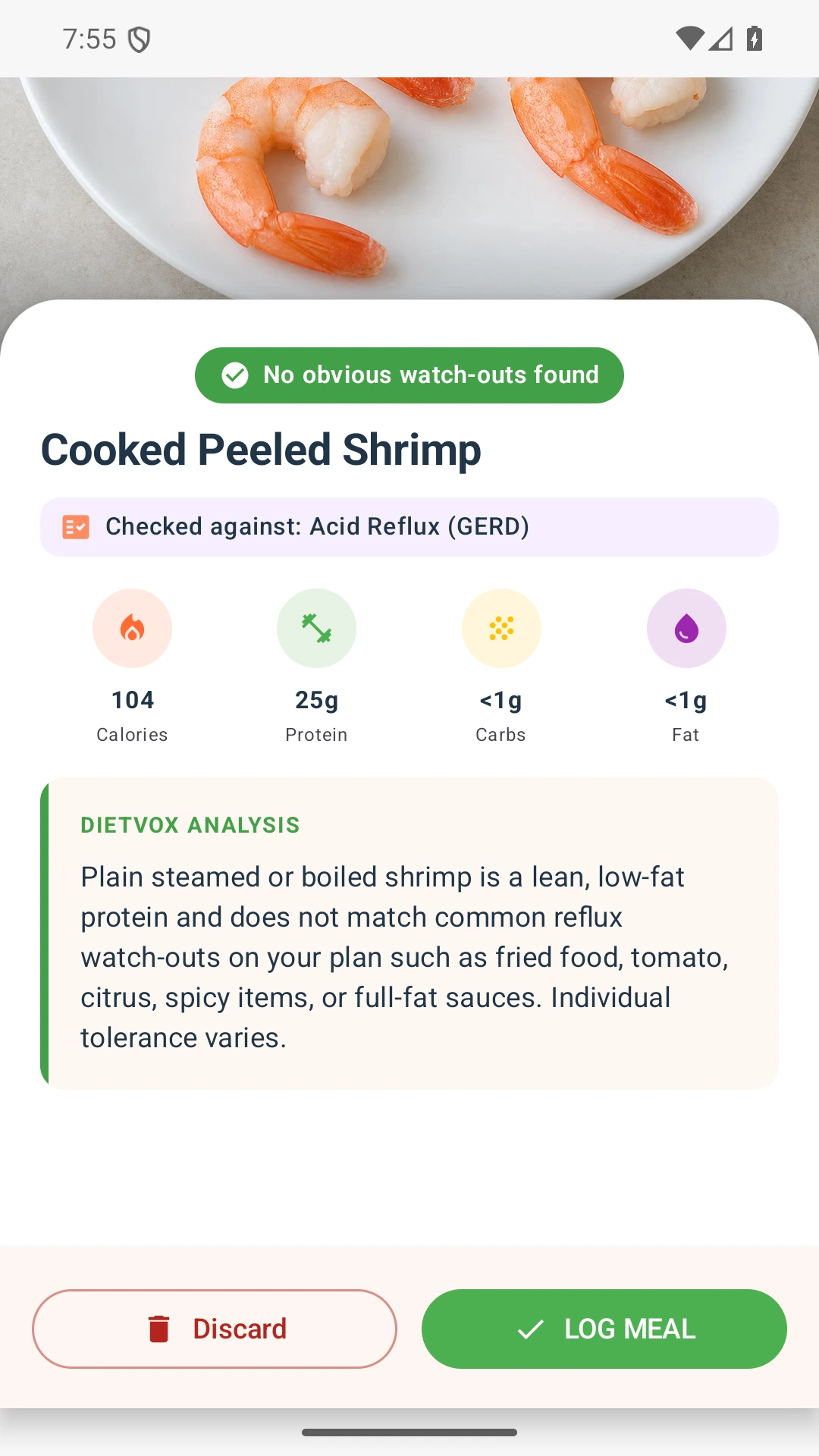
For individuals managing Gastroesophageal Reflux Disease (GERD), the question is shrimp good for gerd is a common one. According to the DietVox rating system, Shrimp is classified as GREEN, indicating it is a safe and generally well-tolerated food for most people following a GERD (Acid Reflux) Diet. This rating is contingent on proper preparation, as the cooking method and accompanying ingredients can significantly alter its suitability.
Plain shrimp, prepared without high-fat sauces or excessive spices, is an excellent choice. It is a lean protein source that is unlikely to trigger common GERD symptoms like heartburn, regurgitation, or chest discomfort. This article reviews why shrimp is a GERD-friendly option and how to incorporate it safely into your diet.
Understanding Shrimp's Role in a GERD Diet
Managing GERD often involves identifying and avoiding trigger foods. health guidance frequently point to high-fat foods, spicy foods, acidic foods (like tomatoes and citrus), and caffeine as common culprits American College of Gastroenterology acid reflux guidance. These foods can relax the lower esophageal sphincter (LES), the muscular valve that keeps stomach acid from flowing back into the esophagus, or they can delay stomach emptying, increasing the opportunity for reflux to occur.
Shrimp, in its natural state, possesses none of these trigger characteristics. Its nutritional profile is highly favorable for a GERD dietary protocol.
Nutritional Analysis for GERD
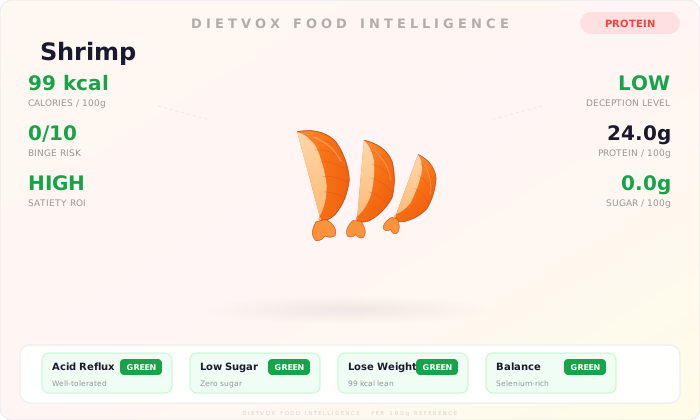
A detailed look at the nutritional composition of shrimp reveals why it is a suitable choice for a GERD diet. Per 100 grams, cooked shrimp contains:
- Calories: 99 kcal
- Protein: 24.0 g
- Fat: 0.3 g
- Carbohydrates: 0.2 g
- Saturated Fat: 0.1 g
- Sugar: 0.0 g
Source: USDA FoodData Central (FDC ID 171962)
The most critical value for GERD management here is the extremely low fat content. With only 0.3 grams of total fat per 100g serving, shrimp does not contribute to the LES relaxation associated with high-fat meals. The American College of Gastroenterology's (ACG) health guidance suggest that lifestyle modifications, including avoiding fatty foods, are a cornerstone of GERD management. Choosing lean proteins like shrimp aligns perfectly with this recommendation.
Furthermore, its high protein content (24.0g) promotes satiety. Feeling full and satisfied can help prevent overeating, which is another known risk factor for acid reflux as it increases pressure on the stomach and LES Harvard Health Publishing.
Practical Tips for Preparing GERD-Friendly Shrimp
The GREEN rating for shrimp is highly dependent on its preparation. The addition of fats, spices, or acidic ingredients can quickly turn this safe food into a potential trigger.
Recommended Cooking Methods To keep shrimp GERD-friendly, focus on cooking methods that do not require adding significant amounts of fat:
- Steaming: This is one of the best methods. It cooks the shrimp gently without any added oils or fats.
- Grilling: Grilling on skewers is an excellent way to cook shrimp. Use a light spray of a high-smoke point oil on the grill, not on the shrimp itself, to prevent sticking.
- Baking or Roasting: Arrange shrimp in a single layer on a baking sheet. You can toss it with herbs and a tiny amount of olive oil if tolerated.
- Poaching: Gently simmering shrimp in water or a mild, non-acidic broth (like a simple vegetable or chicken broth) is another safe option.
Seasonings and Sauces to Use Avoid heavy, creamy, or spicy sauces. Classic shrimp preparations like scampi (heavy on butter and garlic) or Fra Diavolo (spicy tomato sauce) should be avoided. Instead, season with:
- Fresh Herbs: Dill, parsley, basil, and tarragon are excellent choices that add flavour without causing irritation.
- Mild Spices: A small amount of turmeric, ginger (which can have anti-inflammatory properties), or smoked paprika can be well-tolerated.
- A Touch of Healthy Fat: A drizzle of extra virgin olive oil after cooking is a better choice than cooking in large amounts of butter.
Ingredients to Avoid When preparing shrimp, steer clear of these common GERD triggers:
- Butter and Cream: These are high in fat.
- Tomato-based Sauces: Tomatoes are highly acidic and a frequent trigger.
- Garlic and Onions: While healthy, they can trigger symptoms in many individuals with GERD.
- Chili, Cayenne, and Hot Spices: Spicy foods are known to irritate the esophagus and worsen heartburn NHS.
- Citrus Juices: Lemon and lime juice, often paired with seafood, are very acidic.
Addressing Common Concerns
What About Cholesterol in Shrimp? Shrimp does contain a significant amount of dietary cholesterol. However, extensive source review has shown that for most people, dietary cholesterol has a much smaller effect on blood cholesterol levels than saturated and trans fats do MedlinePlus cholesterol overview. Since shrimp is extremely low in saturated fat (0.1g per 100g), its cholesterol content is not a primary concern for GERD management or, for most people, for cardiovascular health.
Is Shrimp Acidic? The concept of 'acidic' versus 'alkaline' foods can be confusing. The pH of a food before it is eaten is less important than the effect it has on the body's acid production. Shrimp itself is not an acidic food and does not stimulate the stomach to produce excess acid. Its potential to cause reflux comes from what it's cooked with, not its inherent properties.
The Verdict: A Safe Choice When Prepared Mindfully
Shrimp is an excellent addition to a GERD (Acid Reflux) Diet, earning its GREEN rating from DietVox. Its low-fat, high-protein profile makes it easy to digest and unlikely to trigger the mechanisms that cause acid reflux. By focusing on simple preparation methods like steaming, grilling, or baking and using mild, non-acidic seasonings, you can enjoy this versatile seafood without fear of exacerbating your symptoms. Always remember that individual triggers can vary, so it's wise to introduce any food mindfully and observe your body's response.
Disclaimer: This article is for informational purposes only and does not constitute medical advice. Always consult a healthcare provider before making changes to your diet, especially if you have a medical condition.
Scan your foods with the DietVox app to get personalized ratings based on your specific dietary needs and health goals.
Last reviewed: June 2026
How It Works
Why Shrimp is Rated GREEN
Shrimp receives a GREEN rating for the GERD (Acid Reflux) Diet based on its fundamental nutritional properties, which align with key dietary strategies for managing reflux symptoms. The mechanism is threefold:
- Extremely Low Fat Content: The primary reason for its favorable rating is its minimal fat content. At just 0.3g of fat per 100g, shrimp is a lean protein source USDA FoodData Central (FDC ID 171962). High-fat foods are a major GERD trigger because they can decrease the pressure of the lower esophageal sphincter (LES), allowing stomach acid to splash back into the esophagus. Fat also delays gastric emptying, meaning food sits in the stomach longer, which increases the window of opportunity for a reflux event to occur American College of Gastroenterology acid reflux guidance. Shrimp's lean nature completely sidesteps this common trigger mechanism.
- High-Quality, Easily Digestible Protein: The 24.0g of protein per 100g serving is beneficial for GERD management. Protein contributes to satiety, helping to prevent overeating—a physical trigger for reflux that increases intra-gastric pressure. Lean protein sources are generally processed by the stomach more efficiently than heavy, fatty meals, reducing the overall digestive burden.
- Absence of Inherent Triggers: Plain, unadulterated shrimp is not acidic, spicy, or carbonated. It lacks the common chemical and irritant properties known to worsen GERD symptoms. Unlike trigger foods such as citrus, tomatoes, or chili peppers, shrimp has a neutral profile that is soothing to the digestive system, provided it is not combined with these irritants during preparation.
Scan any food. Get an instant RED/AMBER/GREEN rating.
DietVox analyses every food across 4 diet protocols — no guesswork.
Try DietVox Free →Try These Instead
Safer alternatives that won't trigger your symptoms.
Frequently Asked Questions
How should I cook shrimp to avoid acid reflux?
The best cooking methods for shrimp on a GERD diet are those that don't add fat. We recommend steaming, grilling, baking, or poaching. These methods cook the shrimp thoroughly without the need for butter or large amounts of oil, which can trigger reflux.
Are breaded or fried shrimp bad for GERD?
Yes, breaded and fried shrimp, such as shrimp tempura or popcorn shrimp, are generally bad for GERD. The frying process adds a significant amount of fat, and high-fat foods are a well-known trigger for acid reflux symptoms, according to clinical sources like the American College of Gastroenterology acid reflux guidance. It's best to stick to non-fried preparations.
Can the sauces served with shrimp trigger GERD?
Absolutely. Sauces are often the main problem. Cocktail sauce (tomato-based and spicy), scampi sauce (high in butter and garlic), and creamy aiolis (high in fat) are all likely to trigger GERD symptoms. Opt for shrimp seasoned with fresh herbs or a tiny drizzle of olive oil instead.
Is shrimp considered an acidic food?
No, plain shrimp is not considered an acidic food. Its pH is near neutral. More importantly, it does not typically stimulate the stomach to produce excess acid. The acidity that can cause problems often comes from ingredients added to shrimp, such as lemon juice or tomato sauce.
Can I eat shrimp if I have a shellfish allergy?
No. A shellfish allergy is a separate and potentially life-threatening condition from GERD. If you have a known shellfish allergy, you must avoid shrimp and all other shellfish entirely, regardless of its suitability for a GERD diet.