DietVox Rating: GREEN
For individuals navigating the complexities of a GERD (Gastroesophageal Reflux Disease) diet, the question is salmon good for GERD is a common and important one. DietVox rates salmon as a GREEN food, signifying it is generally well-tolerated and can be a beneficial component of an acid reflux-friendly eating plan when prepared correctly. This rating is based on its favourable nutritional profile, anti-inflammatory properties, and low potential for triggering common reflux symptoms.
This article provides a comprehensive clinical analysis of why salmon earns a GREEN rating. We will explore its nutritional composition, the scientific mechanisms that make it suitable for a GERD diet, and practical guidance on how to incorporate it into your meals without aggravating symptoms.
Nutritional Profile of Salmon in a GERD Context
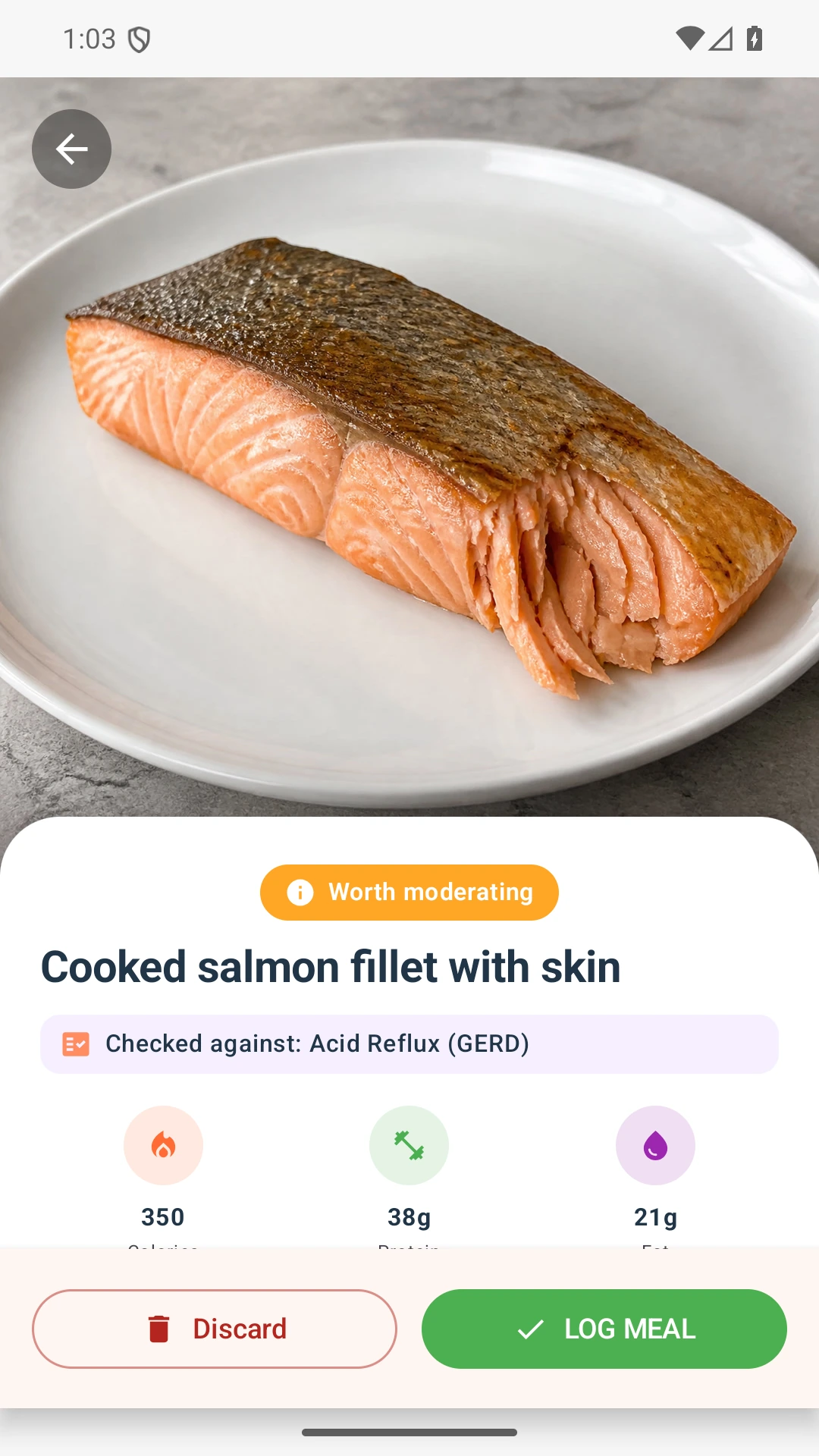
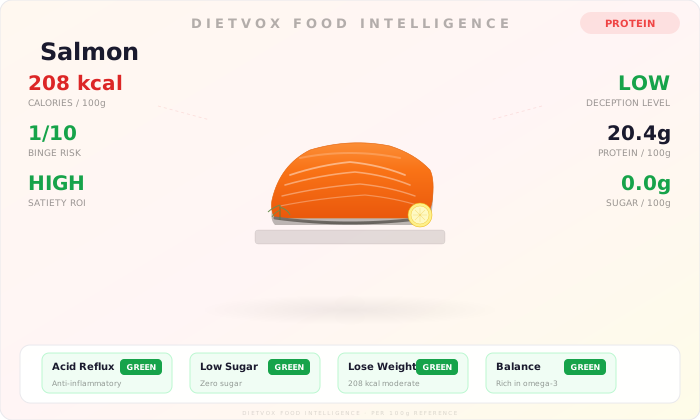
Understanding the nutritional makeup of salmon is the first step in appreciating its role in managing acid reflux. Per 100g, salmon contains approximately 208 calories, composed of 20.4g of high-quality protein and 13.4g of fat, with virtually no carbohydrates USDA FoodData Central (FDC ID 173686).
- High-Quality Protein: The 20.4g of protein is crucial. Protein is essential for tissue repair, including the delicate lining of the esophagus which can be damaged by acid exposure. Furthermore, adequate protein intake contributes to satiety, which can help prevent overeating—a known trigger for reflux episodes American College of Gastroenterology acid reflux guidance. Some sources suggest that protein can help increase the pressure of the lower esophageal sphincter (LES), the muscular valve that keeps stomach acid from flowing back up, although this effect can vary based on meal composition.
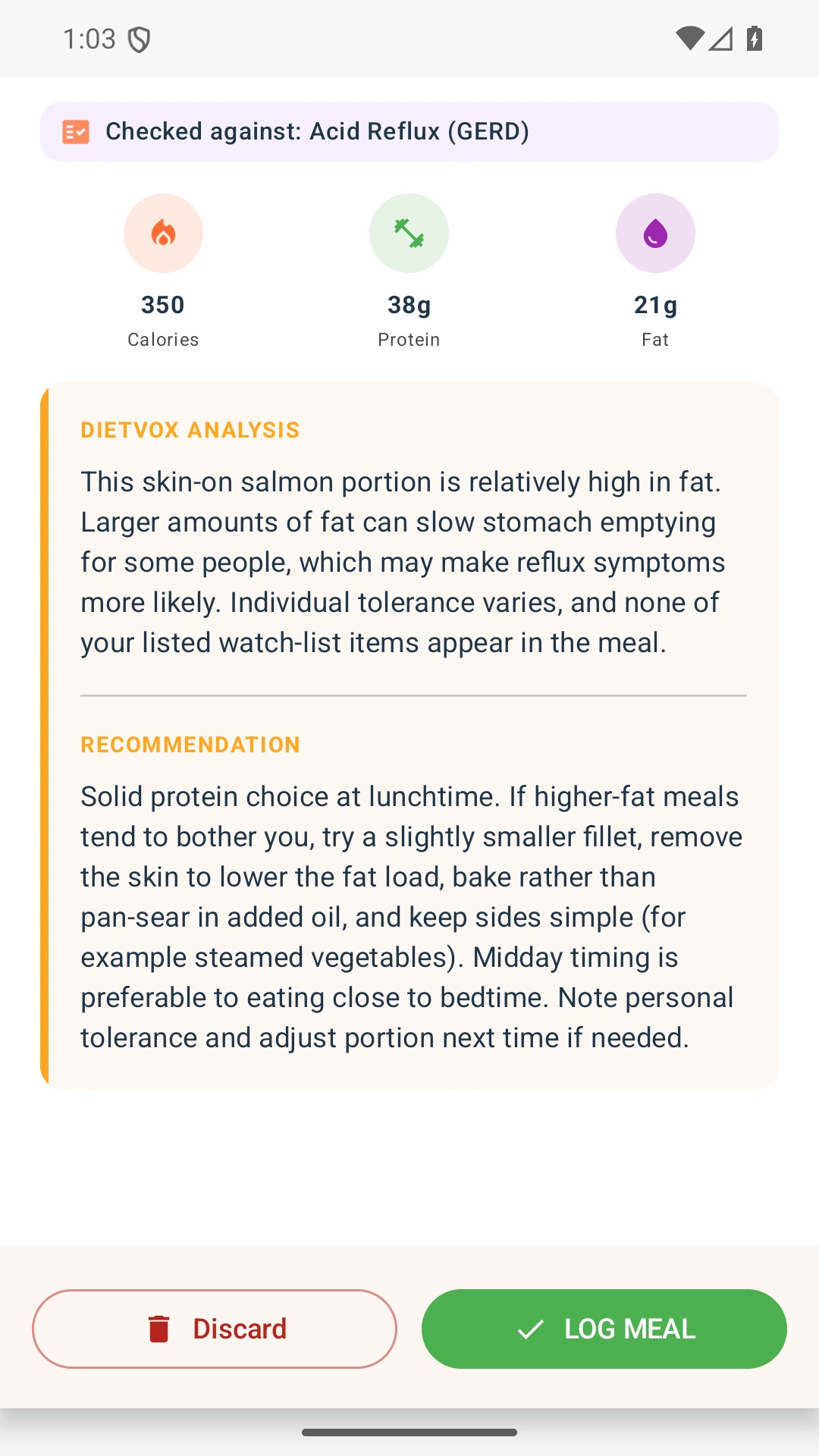
- Healthy Fat Content: While high-fat meals are a common GERD trigger, the type of fat matters immensely. Salmon is rich in polyunsaturated fats, particularly omega-3 fatty acids. These fats are distinct from the saturated and trans fats found in fried or highly processed foods that are known to relax the LES and delay stomach emptying. The 13.4g of fat in salmon, when not increased by frying, is generally well-tolerated and provides significant health benefits.
Why This Matters: Salmon and Acid Reflux
Direct direct trials specifically testing salmon's effect on GERD symptoms are limited. However, we can draw strong conclusions from the established properties of its key components and general dietary guidelines from leading health authorities.
Dietary recommendations for GERD from institutions like the NHS and the American College of Gastroenterology (ACG) consistently advise choosing lean sources of protein and avoiding fatty, fried foods. Baked or grilled salmon fits perfectly within these guidelines. It provides the benefits of a lean protein source without the added fats from frying that can worsen reflux.
Furthermore, the anti-inflammatory potential of the omega-3 fatty acids in salmon is well-documented. A systematic review listed in PubMed confirms that omega-3s, like EPA and DHA found in salmon, play a role in resolving inflammation PubMed. While this doesn't stop the mechanical act of reflux, reducing underlying inflammation in the esophagus (esophagitis), a common complication of chronic GERD, may contribute to symptom management and tissue health over the long term.
Practical Guidance for Incorporating Salmon into Your GERD Diet
How you prepare and consume salmon is as important as the food itself. To keep salmon in the GREEN zone for your GERD diet, follow these practical tips.
Best Cooking Methods - Baking/Roasting: Place a salmon fillet on a parchment-lined baking sheet. Season with non-acidic herbs like dill, parsley, or basil. Bake at 400°F (200°C) until cooked through. This method requires little to no added fat. - Grilling: Grilling is an excellent way to cook salmon without adding fat. Be sure to use a non-stick spray or a light brush of a high-smoke point oil to prevent sticking, rather than heavy marinades. - Poaching: Gently simmer salmon in water or a low-sodium, fat-free broth with herbs. This method keeps the fish moist and tender without any added fat. - Steaming: Using a steamer basket, you can cook salmon perfectly while preserving its nutrients and delicate texture.
Method to Avoid: Frying. Deep-frying or pan-frying salmon in large amounts of butter or oil dramatically increases the fat content of the meal, which can relax the LES and delay stomach emptying, directly triggering reflux symptoms American College of Gastroenterology acid reflux guidance.
GERD-Friendly Seasonings and Pairings Many common salmon seasonings can be triggers. Avoid garlic, onion powder, cayenne pepper, and acidic ingredients like lemon juice or vinegar. Instead, use: - Fresh Herbs: Dill, tarragon, parsley, basil, and chives. - Mild Spices: A small amount of salt, white pepper, or fennel.
Pair salmon with other GREEN-rated foods for a balanced, non-triggering meal: - Steamed Vegetables: Asparagus, green beans, broccoli (in moderation). - Complex Carbohydrates: Brown rice, quinoa, or oatmeal. - Healthy Fats (in moderation): A few slices of avocado.
Health Forensics: A Deeper Analysis
- Satiety ROI (High): With 20.4g of protein and 13.4g of healthy fats per 100g, salmon provides exceptional fullness per calorie. This high satiety index is beneficial for GERD management as it helps prevent the large meal volumes that can increase intragastric pressure and lead to reflux.
- Calorie Density (Medium): At 208 kcal per 100g, salmon is nutrient-dense but not excessively heavy. A standard portion (4-6 oz / 113-170g) fits well within a daily caloric budget and provides substantial nutrition without overburdening the digestive system.
- Tracking Difficulty (Low): Salmon fillets have a consistent and predictable nutritional profile, making them easy to weigh and log accurately in food tracking apps. This simplicity helps individuals maintain a consistent diet to better identify and manage their specific GERD triggers.
Disclaimer: This article is for informational purposes only and does not constitute medical advice. Always consult a healthcare provider before making changes to your diet, especially if you have a medical condition.
Scan your foods with the DietVox app to get personalized ratings based on your specific dietary needs and health goals.
Last reviewed: June 2026
How It Works
Why Salmon is Rated GREEN for a GERD Diet
Salmon's GREEN rating for the GERD (Acid Reflux) Diet is primarily due to a synergistic combination of three key factors: its high content of anti-inflammatory omega-3 fatty acids, its status as a high-quality lean protein, and its lack of common reflux triggers.
- Rich in Anti-Inflammatory Omega-3 Fatty Acids: Salmon is one of the best natural sources of eicosapentaenoic acid (EPA) and docosahexaenoic acid (DHA), two potent omega-3 fatty acids. Chronic acid exposure can lead to inflammation of the esophageal lining, a condition known as esophagitis. The anti-inflammatory properties of omega-3s are well-established in source-reviewed literature Harvard Health Publishing. By helping to modulate the body's inflammatory response, the regular consumption of salmon may help soothe irritated esophageal tissue and support its healing, mitigating one of the major consequences of long-term GERD.
- Excellent Source of Lean Protein: Protein is a cornerstone of a GERD-friendly diet. Unlike high-fat foods that can weaken the lower esophageal sphincter (LES), lean proteins like salmon support overall muscle tone. A properly functioning LES is critical for preventing stomach contents from refluxing. The 20.4g of protein per 100g USDA FoodData Central (FDC ID 173686) also promotes satiety, which helps in managing portion sizes and preventing overeating—a primary mechanical trigger for acid reflux American College of Gastroenterology acid reflux guidance.
- Low in Acidity and Common Triggers: Salmon is not an acidic food and does not contain compounds known to irritate the esophagus or trigger reflux, such as capsaicin (in spicy foods) or high levels of saturated fat. When prepared using GERD-friendly methods like baking or grilling, it remains a 'safe' food that does not introduce common triggers often found in other protein preparations, such as heavy sauces, breading, or frying oils.
Scan any food. Get an instant RED/AMBER/GREEN rating.
DietVox analyses every food across 4 diet protocols — no guesswork.
Try DietVox Free →Try These Instead
Safer alternatives that won't trigger your symptoms.
Frequently Asked Questions
Can I eat Salmon on a gerd (acid reflux) diet?
Yes, DietVox rates Salmon GREEN for a GERD (acid reflux) diet. Salmon is rich in anti-inflammatory omega-3 fatty acids and is a great source of lean protein. To ensure it is well-tolerated, it should be prepared using low-fat cooking methods such as baking, grilling, or poaching, while avoiding frying.
Does the way I cook salmon affect my GERD symptoms?
Absolutely. The cooking method is critical. Baking, grilling, steaming, or poaching salmon are ideal choices for a GERD diet as they do not add significant amounts of fat. Frying salmon, either in a pan with a lot of oil or in a deep-fryer, adds substantial fat, which is a known trigger for acid reflux symptoms as it can relax the lower esophageal sphincter (LES) American College of Gastroenterology acid reflux guidance.
Is smoked or canned salmon okay for acid reflux?
This depends on the individual and the product. Smoked salmon is not typically a trigger due to its fat or acid content, but it can be high in sodium. Canned salmon can be an excellent choice, but opt for salmon packed in water instead of oil to avoid excess fat. Always check the ingredients list for potential triggers like spices or high sodium content.
What are the best side dishes to serve with salmon on a GERD diet?
To create a fully GERD-friendly meal, pair your baked or grilled salmon with non-acidic, low-fat side dishes. Excellent options include steamed green beans or asparagus, roasted carrots or sweet potatoes, brown rice, quinoa, or a simple side salad with a non-acidic dressing. Avoid pairing it with high-fat sides like creamed spinach or trigger foods like tomatoes.
Can salmon ever be bad for GERD?
While the fish itself is beneficial, salmon can become problematic for GERD if prepared incorrectly. Serving it with a creamy, high-fat sauce, a tomato-based sauce, or a marinade containing citrus, vinegar, or garlic can introduce triggers. Additionally, eating a very large portion of any food, including salmon, can increase stomach pressure and lead to reflux. Portion control and mindful preparation are key.