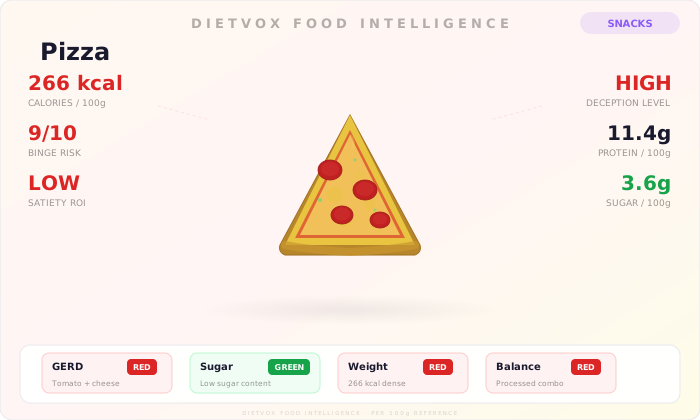
DietVox Rating: RED
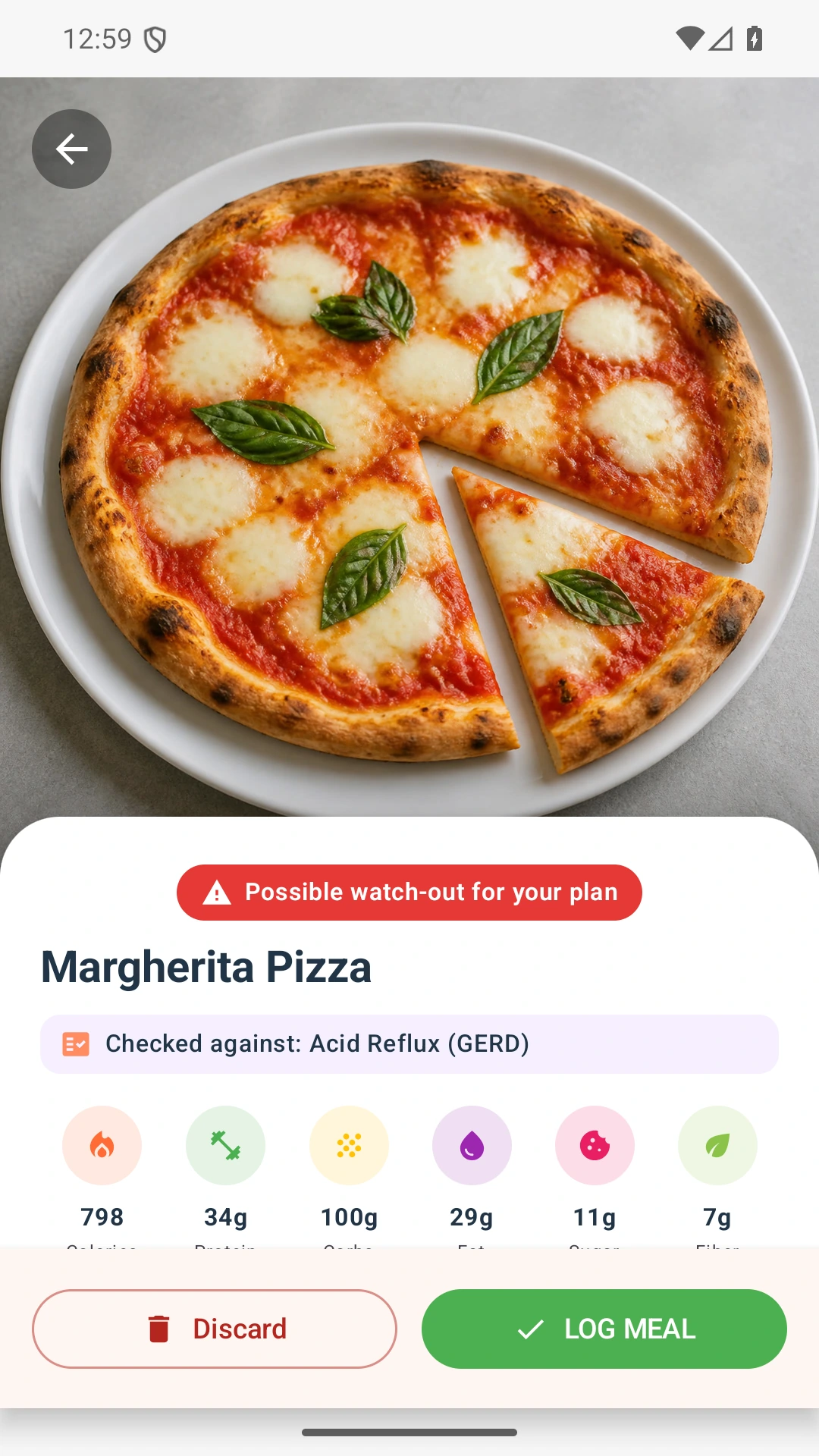
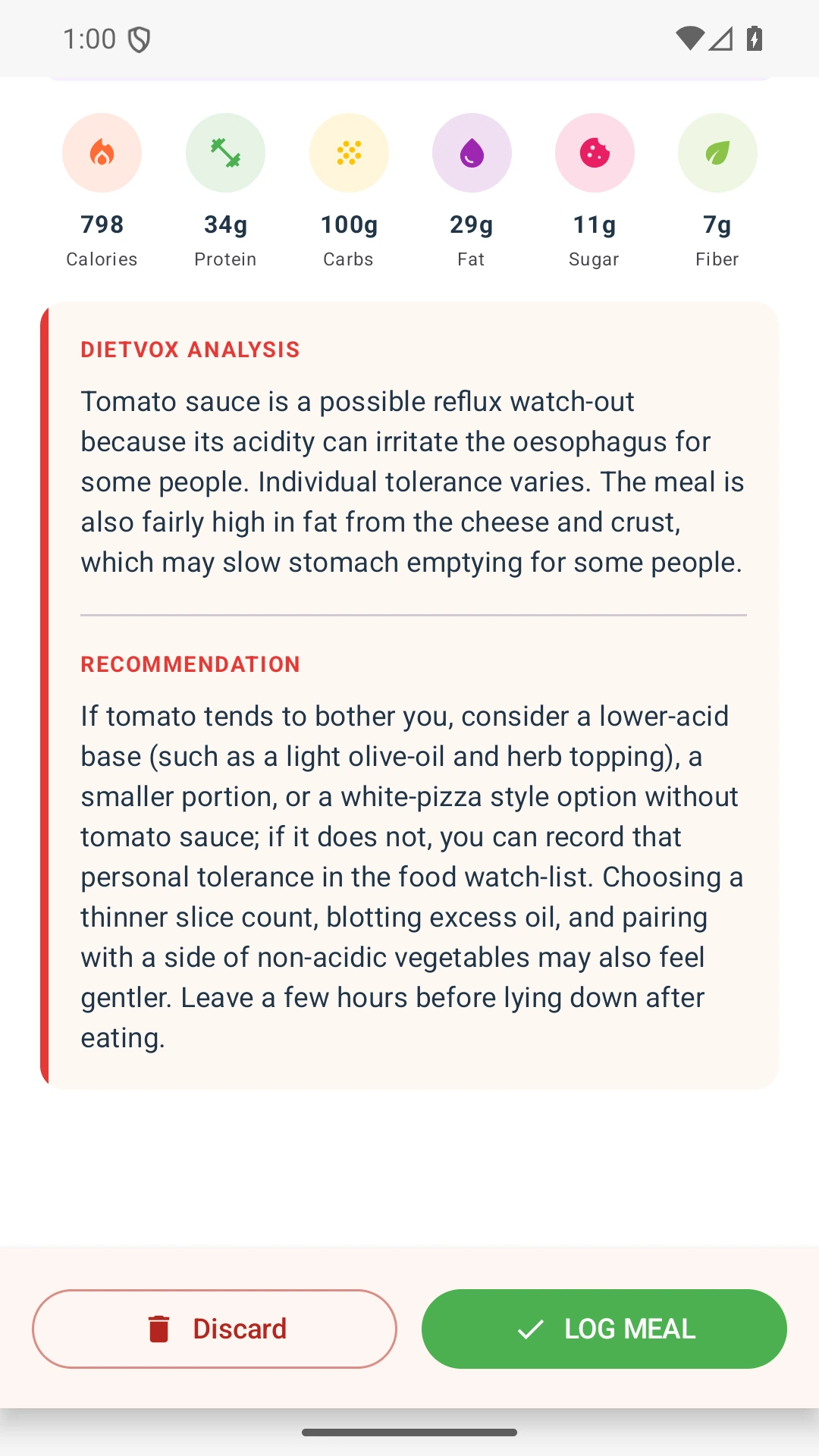
For individuals managing Gastroesophageal Reflux Disease (GERD), a common question is is pizza bad for gerd? Based on health guidance and its typical composition, DietVox rates Pizza as RED for a GERD diet. This rating indicates that pizza is a high-risk food likely to trigger or worsen symptoms like heartburn, regurgitation, and chest discomfort.
A RED rating signifies that the food contains multiple well-established triggers that work through various physiological mechanisms to promote acid reflux. For pizza, this is a combination of high-fat content, acidic ingredients, and other common irritants. While dietary triggers can be individual, pizza's formulation presents a multi-faceted challenge for most people with GERD.
This article will break down the source support behind this rating, examine the specific nutritional components of pizza that impact GERD, and offer practical strategies for managing your diet.
A Closer Look at Pizza's Nutrition for GERD Sufferers
Understanding the nutritional profile of a typical cheese pizza is key to seeing why it poses a problem for acid reflux. The data below, based on a standard cheese pizza, highlights several areas of concern. Note that values can increase significantly with toppings like pepperoni or extra cheese.
Nutritional Data (per 100g): - Calories: 266 kcal - Fat: 10.4g - Saturated Fat: 4.5g - Sodium: 598mg - Carbohydrates: 33.0g
Source: USDA FoodData Central (FDC ID 170919)
The most critical numbers for GERD management are the fat and sodium content. The 10.4g of fat per 100g, nearly half of which is saturated, is a primary driver of reflux symptoms. This fat content primarily comes from the cheese and any oils used in the sauce or on the crust. High-fat meals are consistently identified as a key dietary trigger for GERD by health authorities like the NHS and the American College of Gastroenterology (ACG).
Furthermore, the high sodium level (598mg) contributes to the overall poor dietary profile of the meal. While not a direct cause of reflux, excessively salty and processed foods are generally discouraged in a healthy diet aimed at managing chronic conditions.
Navigating Pizza on a GERD Diet: Practical Strategies and Misconceptions
Given its RED rating, the safest approach for anyone with moderate to severe GERD is to avoid pizza entirely. However, for those with milder symptoms or who are attempting to identify specific triggers, understanding common misconceptions and potential modifications can be helpful.
Common Misconceptions
- "I can just remove the toppings." Unfortunately, this is often ineffective. The high-fat cheese is a primary trigger, and the acidic tomato sauce has already soaked into the crust. Removing pepperoni might reduce the fat load slightly, but the core problems remain.
- "White pizza is a safe alternative." This is a frequent mistake. White pizzas substitute tomato sauce with high-fat alternatives like Alfredo, ricotta, or garlic-infused olive oil. These ingredients can be just as problematic, if not more so, than tomato sauce. Cream-based sauces and garlic are both recognised as potential GERD triggers American College of Gastroenterology acid reflux guidance.
Building a Lower-Risk Pizza at Home
If you choose to experiment, creating a pizza at home gives you complete control over the trigger ingredients. This is not a "GERD-friendly" recipe, but rather a strategy to minimise risk:
- Choose Your Base Carefully: Opt for a thin, whole-wheat crust. A thinner crust means a smaller overall meal size, reducing stomach distension. Whole wheat adds a small amount of fibre.
- Rethink the Sauce: Avoid tomato sauce. Consider a base made from pureed butternut squash, roasted carrots, or a light spread of olive oil. Avoid garlic and onion.
- Go Light on Cheese: Use a minimal amount of a lower-fat cheese, such as part-skim mozzarella. Cheese is a major source of fat, so this is the most important ingredient to control.
- Pick Toppings Wisely: Add lean protein like small pieces of grilled chicken breast or non-irritating vegetables like mushrooms or zucchini. Strictly avoid processed meats (sausage, pepperoni), onions, and bell peppers (a trigger for some).
- Control Your Portion: The most critical step is portion size. A large meal of any kind can trigger reflux by increasing pressure on the lower esophageal sphincter (LES) Harvard Health Publishing. Eat one small slice, eat it slowly, and remain upright for at least three hours after eating.
Health Forensics: Pizza and the GERD Diet
- Satiety ROI: HIGH Pizza scores high on our Satiety ROI index due to its protein and fat content, which promote a strong sense of fullness. However, for a GERD diet, this is a distinct disadvantage. The very mechanism that makes you feel full—delayed gastric emptying caused by fat—is what increases intragastric pressure and the likelihood of reflux.
- Tracking Difficulty: HIGH The immense variability in crusts, sauces, cheese types, and toppings makes pizza a food with high tracking difficulty. A slice from a pizzeria can have double the fat and calories of a slice from a different brand. This unpredictability makes it a risky choice when you are trying to carefully manage dietary triggers for GERD.
Disclaimer: This article is for informational purposes only and does not constitute medical advice. Always consult a healthcare provider before making changes to your diet, especially if you have a medical condition.
Scan your foods with the DietVox app to get personalized ratings based on your specific dietary needs and health goals.
Last reviewed: June 2026
How It Works
Why Pizza is Rated RED for a GERD Diet
Pizza's RED rating stems from its combination of three distinct, well-documented GERD triggers that work together to create a "perfect storm" for acid reflux. The mechanisms are supported by health guidance from leading health institutions.
1. High Fat Content Delays Stomach Emptying
The cheese, oil, and high-fat meat toppings on a typical pizza significantly slow down the rate at which your stomach empties its contents into the small intestine. This process is known as delayed gastric emptying. According to the American College of Gastroenterology acid reflux guidance, fatty foods can cause the lower esophageal sphincter (LES)—the muscular valve between the esophagus and stomach—to relax. When food remains in the stomach for a longer period, it increases the volume and pressure inside the stomach. This combination of a relaxed LES and increased intragastric pressure makes it much easier for acidic stomach contents to flow back up into the esophagus, causing the painful burning sensation of heartburn.
2. Acidic Ingredients Directly Irritate the Esophagus
The base of most pizzas is a tomato sauce. Tomatoes and tomato-based products are naturally acidic. For individuals with GERD, the lining of the esophagus is often already inflamed and sensitive. When acidic foods come into contact with this irritated tissue, they can cause a direct burning sensation and worsen symptoms. The National Institute for Health and Care Excellence (NICE) in the UK acknowledges that while lifestyle modifications have a limited source support base, patients often report trigger foods, with acidic items like tomatoes being a common complaint. This direct irritation is a separate mechanism from the pressure-related reflux caused by fat.
3. Common Toppings are Known Irritants
Many of the most popular pizza toppings are themselves known GERD triggers. - Onions and Garlic: These are frequently cited by patients as foods that worsen their reflux. While the exact mechanism is still under investigation, some sources suggest they may further relax the LES or irritate the digestive tract in sensitive individuals PubMed. - Spicy and Processed Meats: Toppings like pepperoni and sausage are not only high in fat but also often contain spices like chili and pepper. Spicy foods can irritate the esophageal lining, similar to acidic foods, and are commonly recommended for avoidance in GERD management plans American College of Gastroenterology.
Scan any food. Get an instant RED/AMBER/GREEN rating.
DietVox analyses every food across 4 diet protocols — no guesswork.
Try DietVox Free →Try These Instead
Safer alternatives that won't trigger your symptoms.
Frequently Asked Questions
Is white pizza or pizza without tomato sauce better for acid reflux?
Not necessarily. While avoiding acidic tomato sauce is a good step, white pizzas often substitute it with high-fat ingredients like cream sauce, ricotta, or large amounts of oil and garlic. These are also potent GERD triggers that delay stomach emptying and can relax the lower esophageal sphincter (LES). The high fat content from the cheese remains a primary concern regardless of the sauce.
Why does pizza seem to cause worse heartburn at night?
This is due to two factors: delayed digestion and gravity. The high fat content in pizza means it sits in your stomach for a long time. When you lie down, you lose the effect of gravity that helps keep stomach contents down. This combination makes it much easier for acid and undigested food to reflux into your esophagus. The NHS recommends avoiding large meals and not eating for 3-4 hours before going to bed to prevent nighttime reflux.
Can I make a GERD-friendly pizza at home?
You can create a *lower-risk* version, but no pizza is truly 'GERD-friendly' for everyone. To reduce triggers, use a thin whole-wheat crust, a non-acidic sauce (like pureed carrots or squash), a very small amount of part-skim mozzarella, and top with lean protein like grilled chicken. The most important factors are keeping the fat content extremely low and the portion size very small.
Does the type of cheese on pizza matter for GERD?
Yes, significantly. The fat content of the cheese is a primary GERD trigger. Higher-fat cheeses like full-fat mozzarella, parmesan, provolone, and cheddar will slow digestion more than lower-fat options. Using a very small quantity of part-skim mozzarella is a better choice, but all cheese contributes fat and should be used sparingly on a GERD diet.