DietVox Rating: GREEN

For individuals following a Low Sugar Diet, unsweetened oat milk receives a GREEN rating from DietVox. This rating indicates that it is generally a suitable choice when consumed in moderation. The primary consideration is the source of its sugar content and the potential for added sugars in commercial varieties. Many people ask, is oat milk low carb? With 6.7 grams of carbohydrates per 100ml, it is not as low as some alternatives like almond milk, but it can certainly fit into a carb-conscious or low-sugar eating plan, provided you choose an unsweetened version and manage portion sizes.

Nutritional Profile of Oat Milk for a Low Sugar Diet

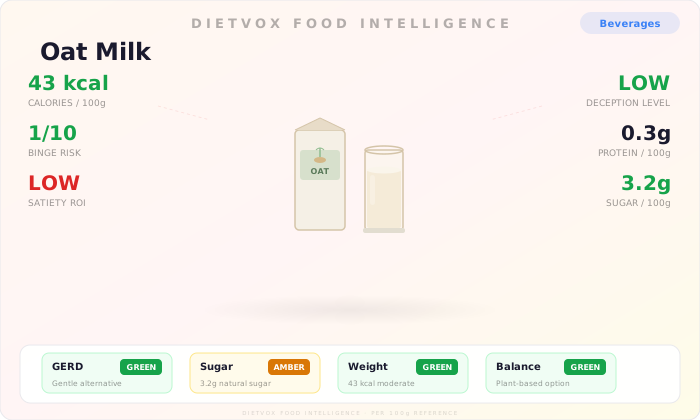
Understanding the nutritional composition of oat milk is key to incorporating it effectively into a low-sugar lifestyle. Per 100ml, a typical unsweetened, fortified oat milk provides approximately:

  • Calories: 43 kcal
  • Carbohydrates: 6.7g
  • Sugars: 3.2g
  • Protein: 0.3g
  • Fat: 1.5g
  • Fibre: 0.8g

(Source: USDA FoodData Central (FDC ID 1999630))

The 3.2g of sugar are not typically 'added sugars' in an unsweetened product. Instead, they are created during the manufacturing process. Enzymes are added to the oat and water mixture to break down the natural oat starches into smaller, simpler sugars, primarily maltose. This process gives oat milk its characteristic sweetness and creamy texture USDA FoodData Central. While these sugars are 'natural' to the product, your body processes them in the same way as other simple sugars, which is an important factor for blood sugar management.

Oat Milk's Impact on Blood Sugar

Because the starches in oat milk are pre-digested into simpler sugars, it can have a more immediate impact on blood glucose levels compared to eating whole rolled oats. The Glycemic Index (GI) of a food indicates how quickly it raises blood sugar. While specific GI values vary between brands, the processing of oats into a liquid form generally results in a higher GI than their whole-grain counterparts.

However, the overall glycemic load (which accounts for portion size) of a single serving of oat milk is often moderate. A standard 200ml serving would contain around 13.4g of carbohydrates and 6.4g of sugar. For most individuals on a Low Sugar Diet, this amount is manageable, especially when the rest of the meal is low in carbohydrates and rich in protein and healthy fats. The World Health Organization (WHO) recommends limiting free sugar intake to less than 10% of total energy intake, with further reductions to 5% for additional health benefits WHO. Choosing unsweetened oat milk helps you stay within these guidelines by avoiding unnecessary added sugars.

Practical Tips for a Low Sugar Diet

Integrating oat milk successfully requires mindful consumption. Here are some practical strategies:

  1. Always Choose Unsweetened: This is the most critical rule. 'Original', 'Barista', and flavoured versions (like vanilla or chocolate) often contain significant amounts of added sugar. The NHS advises checking nutrition labels for 'sugars' and the ingredients list for terms like sucrose, glucose, or syrup FDA added sugars label guidance.
  1. Monitor Portion Sizes: Due to its low tracking difficulty, oat milk is easy to measure. Stick to a standard serving size, such as 150-250ml (about one cup), to keep the carbohydrate and sugar intake predictable and controlled.
  1. Balance Your Meal: Oat milk has a low satiety return on investment (Satiety ROI) because of its very low protein and fibre content. To create a more balanced, blood-sugar-friendly meal, pair oat milk with sources of protein, fat, and fibre. For example: * Use it as a base for a smoothie with protein powder, chia seeds, and berries. * Pour it over a high-fibre, low-sugar cereal or oatmeal. * Enjoy a coffee with oat milk alongside a protein-rich breakfast like eggs.
  1. Consider the Context: If you are having a higher-carb meal, you might choose a lower-carb beverage. If your meal is very low in carbs, the carbohydrates from oat milk are less likely to cause a significant blood sugar spike. It's about the overall composition of your diet, not just a single ingredient American Diabetes Association food and nutrition guidance.

Common Misconceptions About Oat Milk

Misconception: "It's a health food, so I can drink as much as I want."

Reality: While oat milk is a useful dairy-free alternative and is often fortified with vitamins like D and B12, its carbohydrate and sugar content are not negligible. Its low calorie density (43 kcal/100ml) is beneficial, but unlimited consumption can lead to an excessive intake of sugar and calories. Moderation is essential for any food within a structured dietary protocol.

Misconception: "Natural sugar from oats is better than added sugar."

Reality: From a metabolic standpoint, your body does not strongly differentiate between the simple sugars created from oat starch and added table sugar (sucrose). Both are absorbed quickly and can raise blood glucose. The key advantage of unsweetened oat milk is the absence of additional sugars, which helps control the total sugar load.


Disclaimer: This article is for informational purposes only and does not constitute medical advice. Always consult a healthcare provider before making changes to your diet, especially if you have a medical condition.

Scan your foods with the DietVox app to get personalized ratings based on your specific dietary needs and health goals.

Last reviewed: June 2026

How It Works

Why Oat Milk is Rated GREEN for a Low Sugar Diet

DietVox assigns oat milk a GREEN rating because, in its unsweetened form, its sugar content is moderate and derived from the natural breakdown of oat starches rather than from additives. A 100ml serving contains approximately 3.2g of sugar and 6.7g of total carbohydrates, which is a manageable amount for most low-sugar dietary plans when consumed in reasonable portions.

The primary mechanism for this rating is conditional: it applies strictly to unsweetened varieties. The main risk associated with oat milk in a low-sugar context is the high level of added sugars found in 'Original', 'Barista', and flavoured versions. These added sugars can quickly exceed daily limits recommended by health authorities like the NHS and WHO. Because a readily available, unsweetened version exists that fits the protocol's principles, oat milk is considered a suitable (GREEN) food, with the crucial caveat that consumers must be diligent in reading labels to avoid added sugars.

Scan any food. Get an instant RED/AMBER/GREEN rating.

DietVox analyses every food across 4 diet protocols — no guesswork.

Try DietVox Free →

Try These Instead

Safer alternatives that won't trigger your symptoms.

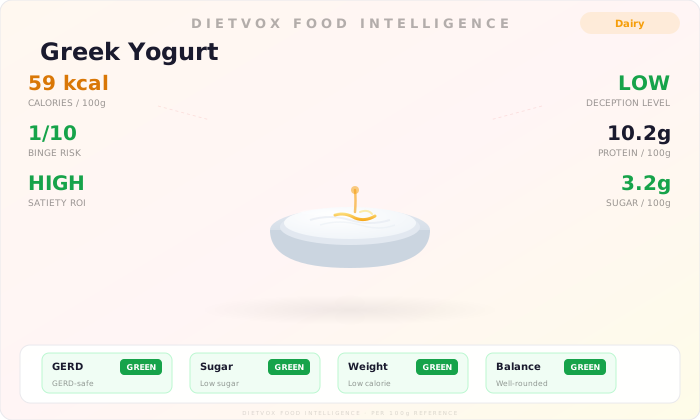
Greek Yogurt illustration

Greek Yogurt

59 kcal Dairy
GREEN GERD
GREEN Sugar
GREEN Weight
GREEN Balance
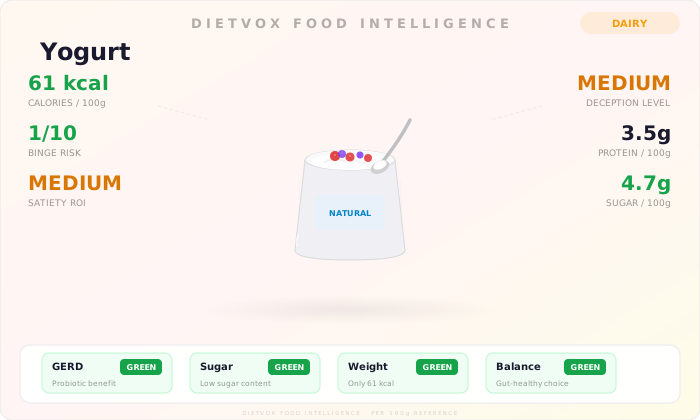
Yogurt illustration

Yogurt

61 kcal Dairy
GREEN GERD
GREEN Sugar
GREEN Weight
GREEN Balance
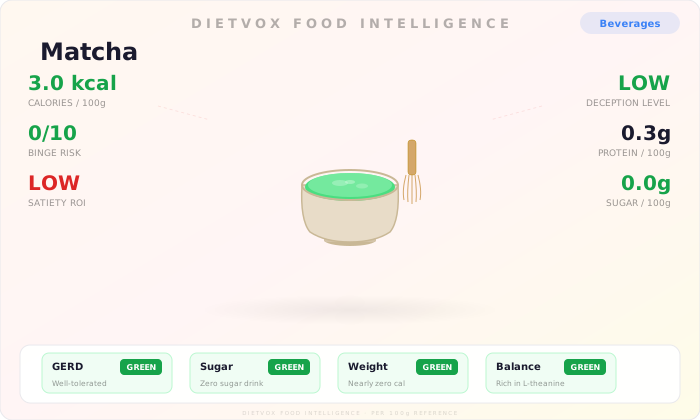
Matcha illustration

Matcha

3 kcal Beverages
GREEN GERD
GREEN Sugar
GREEN Weight
GREEN Balance
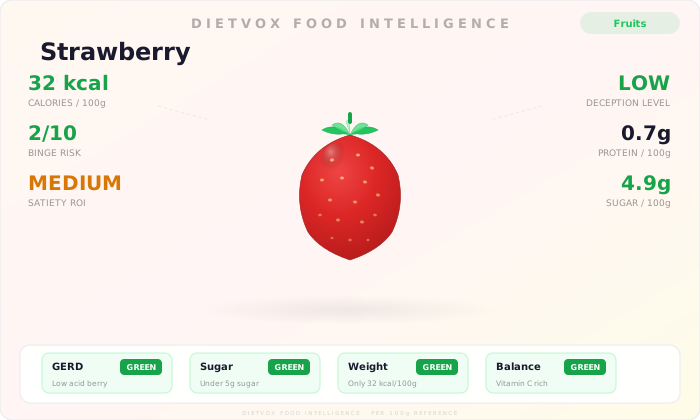
Strawberry illustration

Strawberry

32 kcal Fruits
GREEN GERD
GREEN Sugar
GREEN Weight
GREEN Balance

Frequently Asked Questions

Is the sugar in oat milk natural?

Yes, in unsweetened oat milk, the sugar (primarily maltose) is a natural byproduct of the production process where enzymes break down complex oat starches. However, many commercial varieties contain added sugars like cane sugar or syrup, which should be avoided on a low-sugar diet. Always check the label for 'unsweetened' and review the ingredients list.

How does oat milk compare to almond milk for a low-sugar diet?

Unsweetened almond milk is generally lower in both carbohydrates and sugar than unsweetened oat milk. A typical serving of unsweetened almond milk contains less than 1g of carbohydrates and virtually no sugar, making it a more suitable choice for very strict low-carb or low-sugar diets. Oat milk offers a creamier texture but at a higher carbohydrate cost.

Will oat milk spike my blood sugar?

Oat milk can raise blood sugar more quickly than whole oats due to its processing and carbohydrate content. The extent of this effect depends on the individual, the portion size, and what other foods are consumed with it. To minimize a potential spike, choose unsweetened oat milk, stick to a moderate serving, and pair it with foods rich in protein, fibre, and healthy fats.

What should I look for on the nutrition label when buying oat milk?

First, look for the word 'Unsweetened' on the front of the package. Second, turn to the Nutrition Facts panel and check the line for 'Includes Added Sugars'; this should ideally read '0g'. Finally, scan the ingredients list to ensure it does not contain sugar, cane juice, syrup, or other sweeteners.

Related Reading