DietVox Rating: GREEN
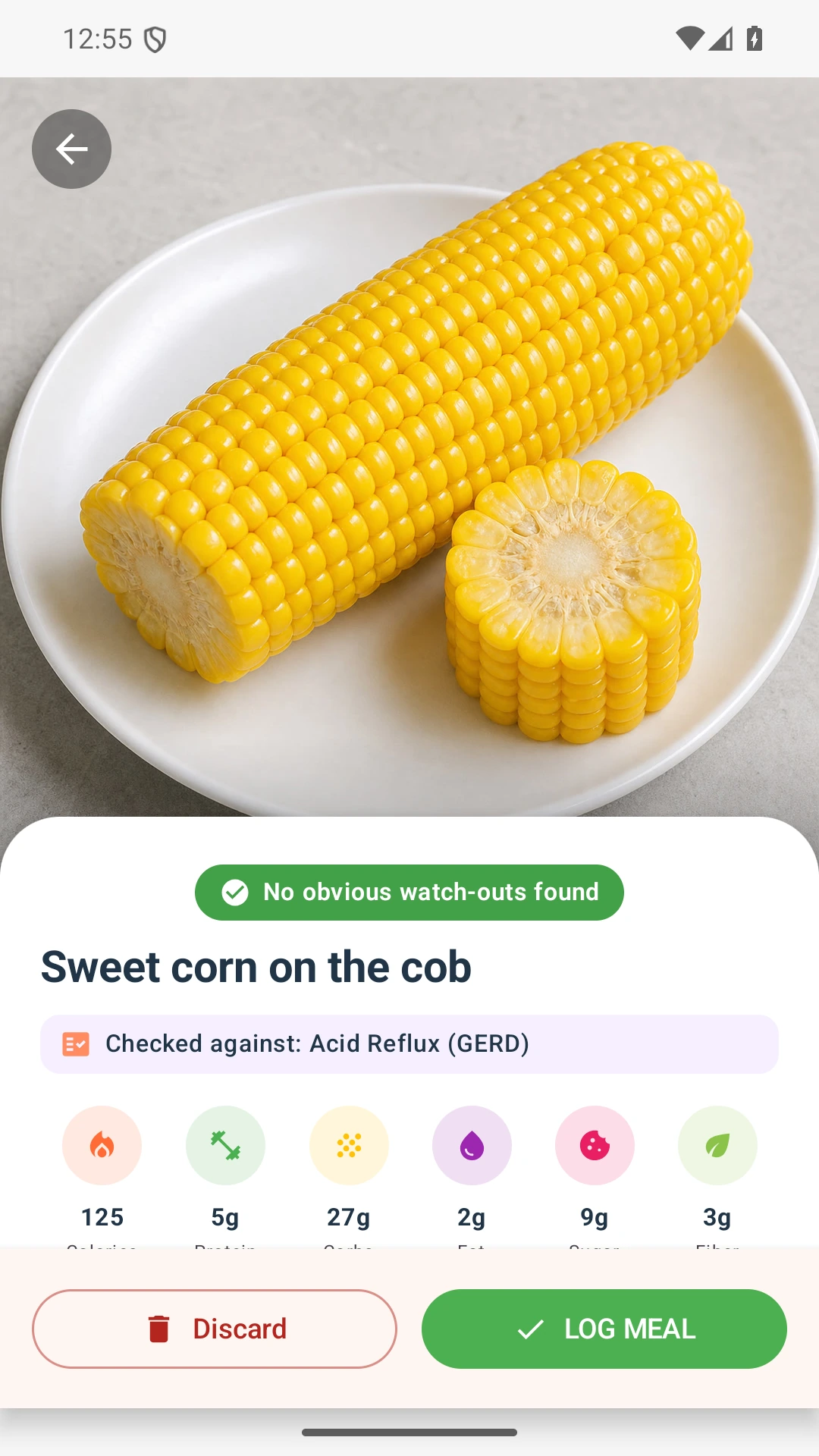
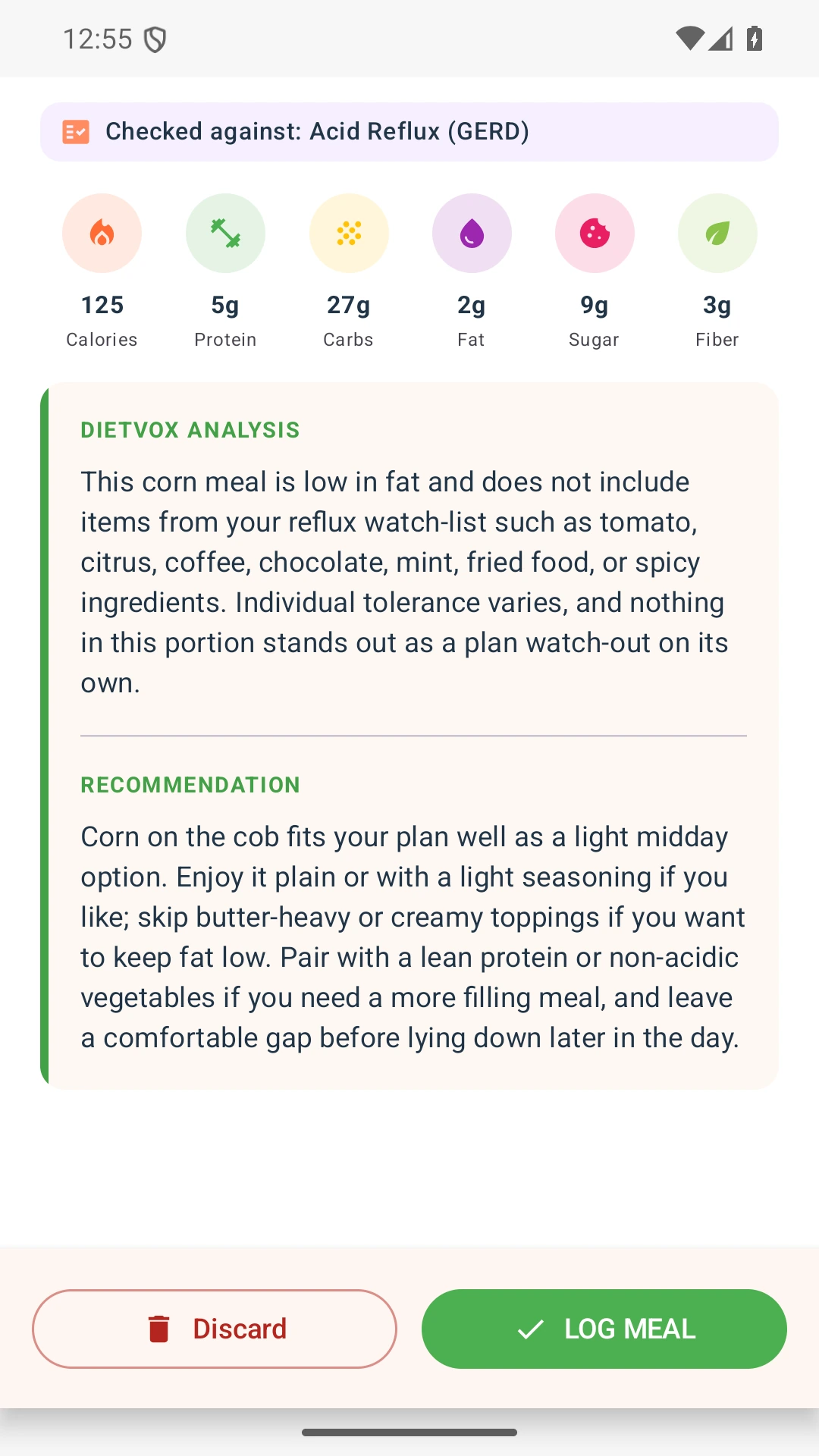
Verdict: Corn is generally a safe and well-tolerated food for individuals following a GERD (Acid Reflux) Diet, provided it is prepared without high-fat or spicy additions.
For those managing the discomfort of gastroesophageal reflux disease, the question is corn good for gerd is a valid concern. The source-reviewed answer is yes; corn, in its natural state, is a low-acid, low-fat vegetable that is highly unlikely to trigger common reflux symptoms. Its GREEN rating on the DietVox platform reflects its compatibility with a GERD-friendly eating plan. This comprehensive analysis explores the nutritional properties of corn, the mechanisms by which it avoids triggering reflux, and practical ways to incorporate it into your diet safely.
Nutritional Profile of Corn for GERD Management
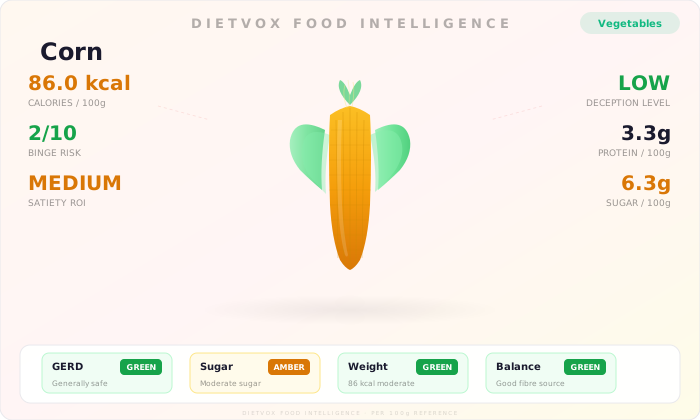
Understanding the nutritional composition of corn is key to seeing why it fits well within a GERD diet. According to the USDA FoodData Central, a 100-gram serving of sweet corn contains approximately USDA FoodData Central (FDC ID 169998):
- Calories: 86 kcal
- Fat: 1.2g
- Protein: 3.3g
- Carbohydrates: 19.0g
- Dietary Fibre: 2.7g
Two factors are particularly important for GERD management:
- Low Fat Content: health guidance consistently identify high-fat meals as a primary trigger for acid reflux. Fat delays stomach emptying and can lower the pressure of the lower esophageal sphincter (LES), the muscular valve that keeps stomach acid from escaping into the esophagus American College of Gastroenterology acid reflux guidance. At just 1.2g of fat per 100g, corn is an excellent low-fat choice.
- Moderate Fibre: Dietary fibre is essential for digestive health. Corn provides a moderate 2.7g of fibre per serving. This amount is typically well-tolerated and can promote regularity without causing the excessive bloating or abdominal pressure that very high-fibre meals might induce in sensitive individuals.
The Role of Acidity: Why Corn is a Safe Choice
A cornerstone of managing a GERD diet is avoiding acidic foods that can irritate the esophagus and potentially worsen symptoms. Foods like citrus fruits, tomatoes, and vinegar are common culprits NHS.
Corn is considered a low-acid food. It does not contribute to the acidic load in the stomach and is gentle on the esophageal lining. This makes it a stark contrast to many other foods and a safe starchy vegetable to build a meal around. When you consume corn, you are not introducing a primary irritant, which is a critical first step in symptom management.
Practical Tips for Including Corn in a GERD Diet
The GREEN rating for corn is conditional on its preparation. The food itself is safe, but common additions can quickly turn it into a trigger.
Best Preparation Methods To keep corn GERD-friendly, focus on simple, low-fat cooking techniques:
- Steamed or Boiled: Cooking corn on the cob in water or steam is the safest method. It requires no added fats or irritants.
- Grilled: Grilling can bring out a delicious smoky flavour. Ensure the corn is not heavily charred, as burnt food can be an irritant for some, and avoid slathering it with butter or oil.
- Roasted: Oven-roasting corn kernels or cobs with a minimal spray of a neutral oil is another excellent option.
Ingredients and Pairings to Avoid What you add to corn matters more than the corn itself. Be mindful of these common triggers:
- High-Fat Toppings: Butter, margarine, cheese sauces, and heavy cream (as in creamed corn) add significant fat, which can relax the LES and trigger reflux.
- Spicy Seasonings: Chili powder, cayenne pepper, and hot sauce are direct irritants to the esophagus and can increase stomach acid production.
- Acidic Pairings: Avoid serving corn as part of dishes that contain other high-acid triggers, such as tomato-based chili or salsa.
- Onions and Garlic: While often paired with corn, both onions and garlic are common GERD triggers for many people and should be used with caution.
Corn Varieties and Their Impact on GERD
Not all corn products are created equal when it comes to managing acid reflux.
Sweet Corn (On the Cob, Canned, or Frozen) This is the form of corn that our GREEN rating primarily applies to. It is low in fat, low in acid, and easy to prepare in a GERD-friendly manner. Canned or frozen corn is also a great option, but be sure to check labels for added salt or high-fat sauces.
Popcorn Popcorn can be a suitable snack for a GERD diet, but only if prepared correctly. Air-popped popcorn, with no butter and minimal salt, is a low-calorie, high-fibre snack. However, the large volume can sometimes cause bloating, and movie-theater style popcorn loaded with butter is a definite trigger. Start with a small portion to assess your tolerance.
Cornmeal (Polenta, Grits, Tortillas) Plain products made from cornmeal are generally safe. Polenta and grits can be a comforting, low-acid base for a meal. The danger lies in the traditional high-fat additions like cheese, butter, and cream. Similarly, plain corn tortillas are an excellent low-fat alternative to flour tortillas. Focus on GERD-friendly fillings like lean chicken, beans, and low-acid vegetables.
Debunking Myths: Corn and Acid Reflux
Myth: "Corn is a 'heavy' food that's hard to digest and will cause indigestion."
Fact: While the outer hull of a corn kernel is made of insoluble cellulose fibre that the human body cannot digest, this is not unique to corn and is a normal part of consuming high-fibre plants. For most people, corn is easily digested. The starchy interior provides energy, and the fibre aids in digestion. Unless you have a specific intolerance or consume an excessive amount, it is not inherently difficult to digest and does not directly cause acid reflux.
Myth: "All vegetables are safe for GERD, so how I eat my corn doesn't matter."
Fact: This is a dangerous oversimplification. While many vegetables are beneficial, some, like onions, garlic, and tomatoes, are well-known GERD triggers American College of Gastroenterology. Furthermore, as outlined above, the preparation method is paramount. A boiled cob of corn is a world away from fried corn fritters or creamed corn, both of which are likely to cause symptoms.
Disclaimer: This article is for informational purposes only and does not constitute medical advice. Always consult a healthcare provider before making changes to your diet, especially if you have a medical condition.
Scan your foods with the DietVox app to get personalized ratings based on your specific dietary needs and health goals.
Last reviewed: June 2026
How It Works
Why Corn is Rated GREEN
The GREEN rating for corn on the GERD (Acid Reflux) Diet is based on its favourable biochemical properties and its lack of common reflux-triggering mechanisms. Clinical guidance for managing GERD often focuses on avoiding foods that increase stomach acid, irritate the esophagus, or relax the lower esophageal sphincter (LES) American College of Gastroenterology acid reflux guidance. Corn aligns well with these recommendations for several key reasons:
- Low Acidity: Corn is not an acidic food. Unlike common triggers such as tomatoes, citrus fruits, and vinegar, it has a more neutral pH. This means it is not likely to irritate the sensitive lining of the esophagus or contribute to the overall acidic environment of the stomach, a key recommendation from health authorities like the NHS.
- No Negative Impact on LES Pressure: High-fat meals are a well-documented trigger for acid reflux. They can delay gastric emptying and reduce the resting pressure of the LES, the muscular valve that prevents stomach contents from flowing back up PubMed. With only 1.2g of fat per 100g, plain corn does not exert this pressure-relaxing effect on the LES, making it a structurally sound choice for a GERD diet.
- Does Not Stimulate Gastric Acid: Certain substances, known as secretagogues, directly stimulate the stomach to produce more acid. Common examples include caffeine, alcohol, and certain spices. Corn contains no such compounds and does not promote the excess acid production that can lead to reflux symptoms.
Scan any food. Get an instant RED/AMBER/GREEN rating.
DietVox analyses every food across 4 diet protocols — no guesswork.
Try DietVox Free →Try These Instead
Safer alternatives that won't trigger your symptoms.
Frequently Asked Questions
Is popcorn okay for acid reflux?
It depends entirely on the preparation. Air-popped popcorn with no butter or oil is generally considered safe for a GERD diet. However, its high volume can cause bloating in some individuals, which may increase abdominal pressure. Avoid movie-theater style popcorn, as the high-fat butter and excessive salt are significant potential reflux triggers.
What about creamed corn or corn chowder for GERD?
These dishes are generally not recommended for a GERD diet. Creamed corn and traditional corn chowders are high in fat from butter, cream, or whole milk. High-fat foods can relax the lower esophageal sphincter (LES) and delay stomach emptying, both of which can worsen reflux symptoms.
Can I eat corn tortillas on a GERD diet?
Yes, plain corn tortillas are typically a good choice for a GERD diet. They are naturally low in fat and not acidic. The key is to be mindful of the fillings. Opt for lean proteins like grilled chicken or fish, beans, and low-acid vegetables, while avoiding spicy salsas, high-fat meats, and large amounts of cheese.
Does the fibre in corn make GERD worse?
For most people, the moderate amount of dietary fibre in corn (2.7g per 100g) is well-tolerated and beneficial for overall digestive health. In rare cases, individuals who are very sensitive to fibre might experience bloating from very large portions, which could theoretically increase abdominal pressure. It's best to consume corn in moderate portions as part of a balanced meal.