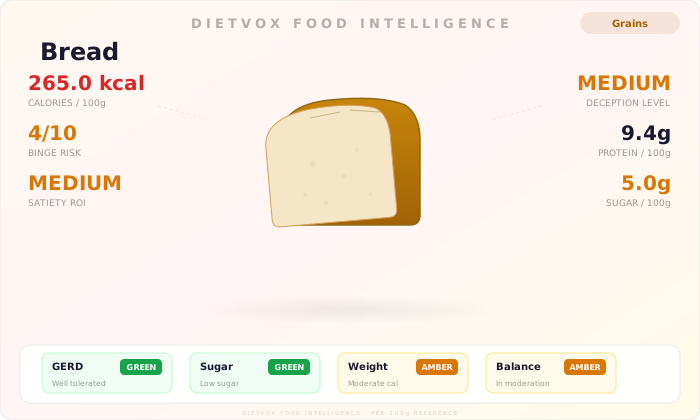
First-party app output
DietVox scan example
Bread scan
AMBER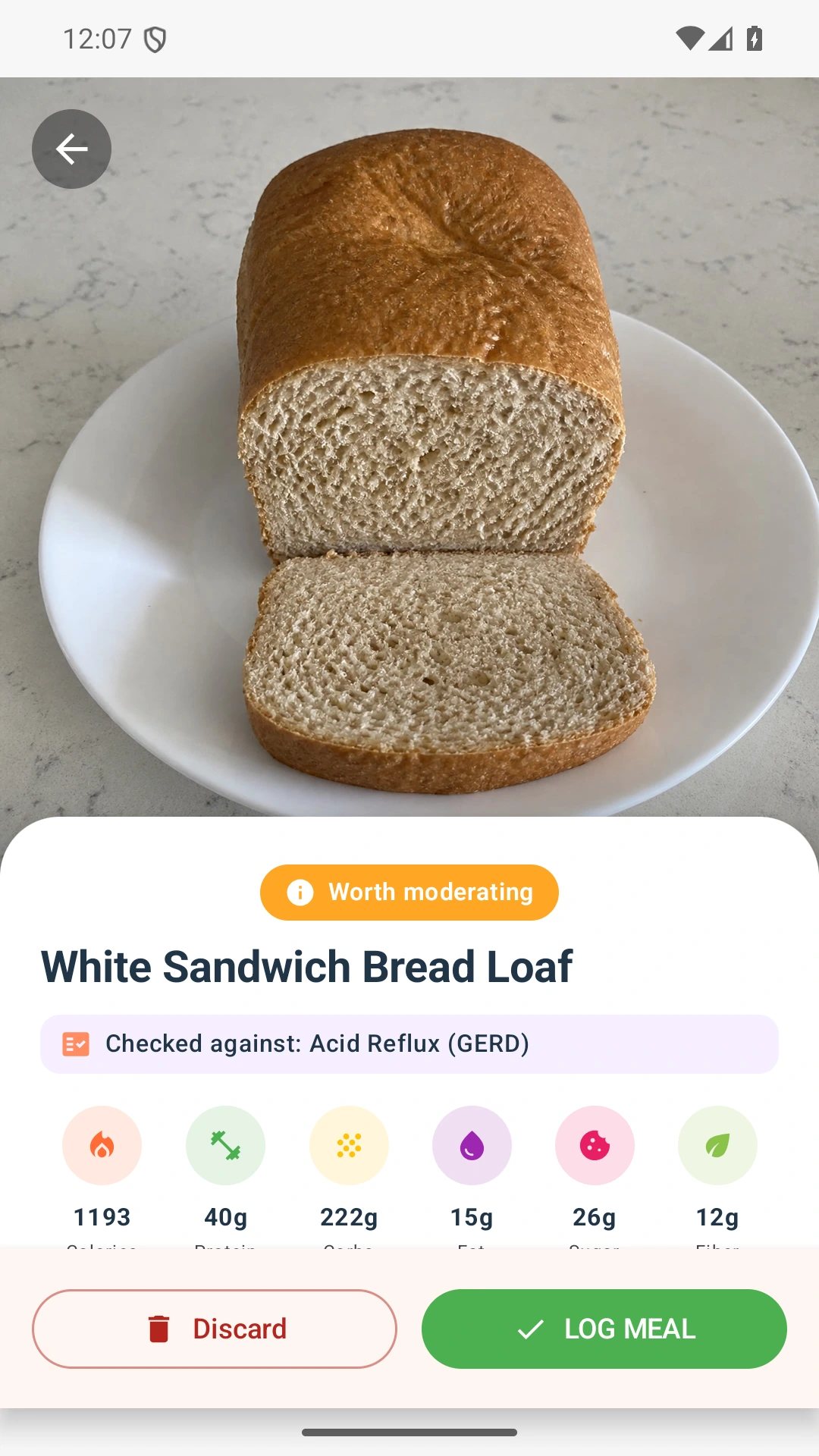
This photograph-specific example may differ from the general food rating elsewhere on this page.
View full analysis and scan recording
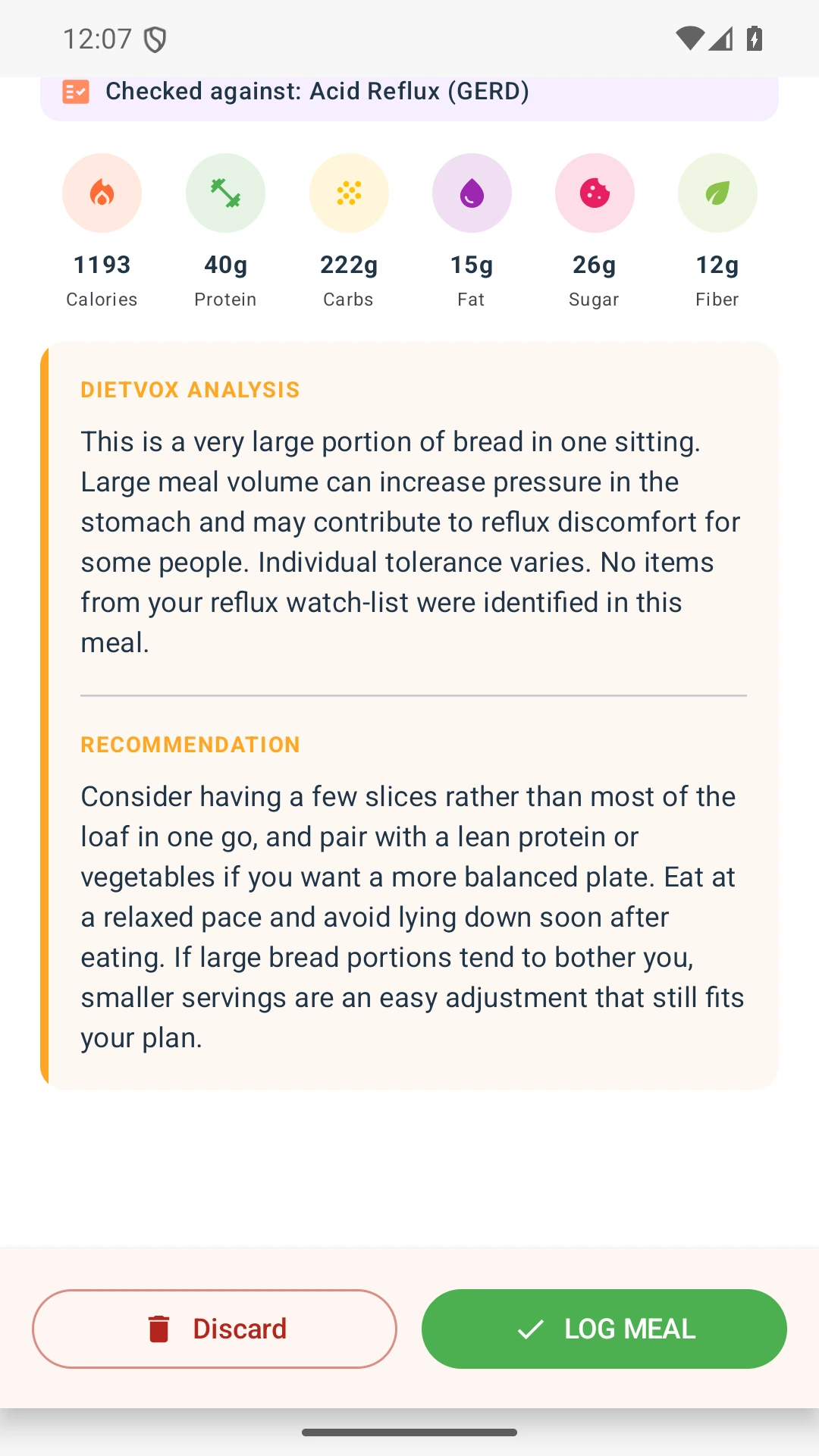
Scan recording
Direct answer: Bread receives a GREEN result in this DietVox Acid Reflux comparison. The scope is the plain prepared Bread serving described here, not every possible product or recipe. Personal food and drink triggers can differ. NIDDK guidance on eating, diet and GERD frames the wider advice.
What the rating means here
The same name can cover different foods. Dry, cooked, refined, whole-grain, flavoured and ready-to-eat products use different serving bases. Match the dry or cooked basis and include sauces, oils, milk, spreads and toppings.
Reference details for this food
- For navigation and comparison, Bread is grouped with grains, with the subtype “Bread”.
- No exact source record was retained. USDA FoodData Central FDC ID 174924, Bread, white, commercially prepared (includes soft bread crumbs), is linked only as a comparison and not as the source of the displayed values.
How the four profiles compare
Looking beyond this page, the food profile contains Acid Reflux GREEN alongside Low Sugar GREEN, Weight Loss AMBER and Balanced Eating GREEN. These are DietVox comparison labels, not physiological claims. Protocol context: NIDDK guidance on eating, diet and GERD.
Related comparison set
These related canonical profiles provide useful next comparisons:
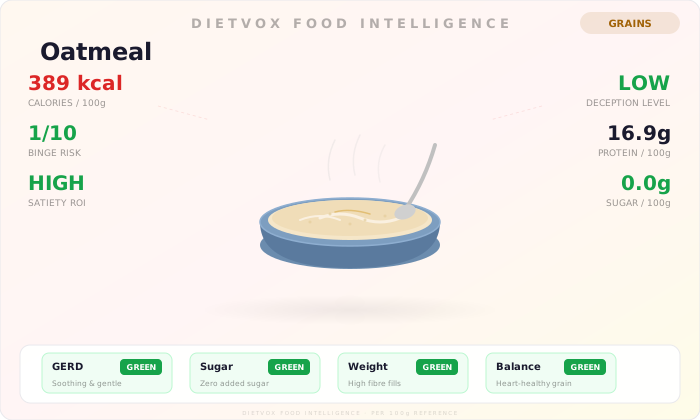
- Oatmeal — preparation and protocol details
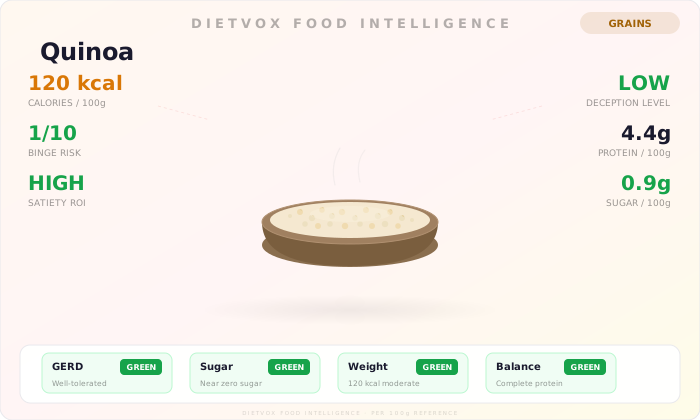
- Quinoa — preparation and protocol details
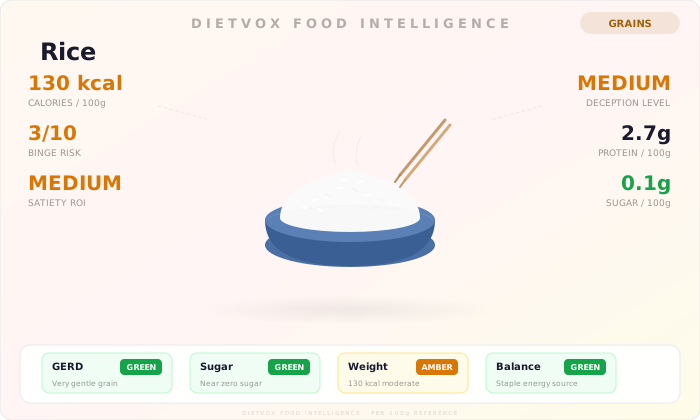
- Rice — preparation and protocol details
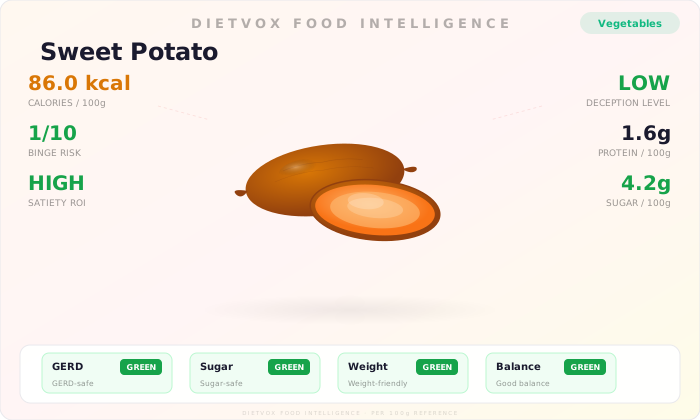
- Sweet Potato — preparation and protocol details
Source scope and editorial status
DietVox Editorial checked NIDDK guidance on eating, diet and GERD and USDA FoodData Central on 28 July 2026. No medical reviewer has reviewed this article. Product, portion and protocol scope remain explicit.
Nutrition data provenance: No exact source record was retained. USDA FoodData Central FDC ID 174924, Bread, white, commercially prepared (includes soft bread crumbs), is linked only as a comparison and not as the source of the displayed values. Checked 28 July 2026.
How It Works
Interpret Bread through its preparation and Acid Reflux protocol, not through a claimed medical mechanism. The wider source is NIDDK guidance on eating, diet and GERD.
Scan any food. Get an instant RED/AMBER/GREEN rating.
DietVox analyses foods across 4 diet protocols, with preparation and portion context.
Try DietVox Free →Try These Instead
Other foods to compare under this protocol.
Frequently Asked Questions
Can I eat Bread on a gerd (acid reflux) diet?
DietVox rates the reference Bread profile GREEN; that does not mean wholegrain bread is non-triggering or that fibre absorbs stomach acid. Compare the exact bread, toppings and portion with your own response. NIDDK lists high-fat foods among common symptom links but does not describe bread or fibre as reflux treatment.
What is the best type of bread for acid reflux?
No bread type is proven best for every person with reflux. Compare labels for the bread and toppings you use, and consider whether higher-fat additions or an ingredient you already identify as a trigger is present. NIDDK supports an individual approach and does not rank wholegrain, white, oat or sprouted bread for GERD.
Is sourdough bread good for GERD?
This review did not identify authoritative GERD evidence that fermentation or sourdough acidity predicts symptoms. If you compare sourdough with another bread, keep portion and toppings similar and record repeated symptoms. NIDDK lists acidic foods as a common category, not sourdough as a proven trigger.
Can I eat toast with butter if I have GERD?
Toast with butter is not automatically prohibited, but butter changes the meal's fat content. If high-fat foods repeatedly worsen your symptoms, a smaller amount or an alternative topping may be worth an individual trial. NIDDK lists high-fat foods as commonly linked to symptoms; it does not prove that plain toast or any named topping is safe.
Why does fibre in bread help with GERD symptoms?
This page does not establish that fibre in bread prevents GERD, improves gastric motility or reduces lower-oesophageal-sphincter pressure. Wholegrain bread may be chosen for general dietary reasons, but use it as food rather than treatment. Discuss persistent symptoms with a clinician; NIDDK explains that GERD has multiple causes and needs assessment when symptoms do not improve.