DietVox Rating: GREEN

For individuals managing Gastroesophageal Reflux Disease (GERD), navigating dietary choices can be complex, especially with foods rich in fat. A common question we see is, is avocado good for gerd? Based on nutrition data and relevant guidance, DietVox rates avocado as GREEN for a GERD (Acid Reflux) diet. This rating signifies that avocado is generally well-tolerated and can be a beneficial component of a reflux-friendly eating plan, provided it is consumed in moderation.

This article provides a comprehensive analysis of why avocado earns its GREEN rating, exploring its unique nutritional profile, the mechanisms by which it interacts with the digestive system, and practical guidance for incorporating it into your diet without triggering symptoms.

A Closer Look at Avocado's Nutrition for GERD Management

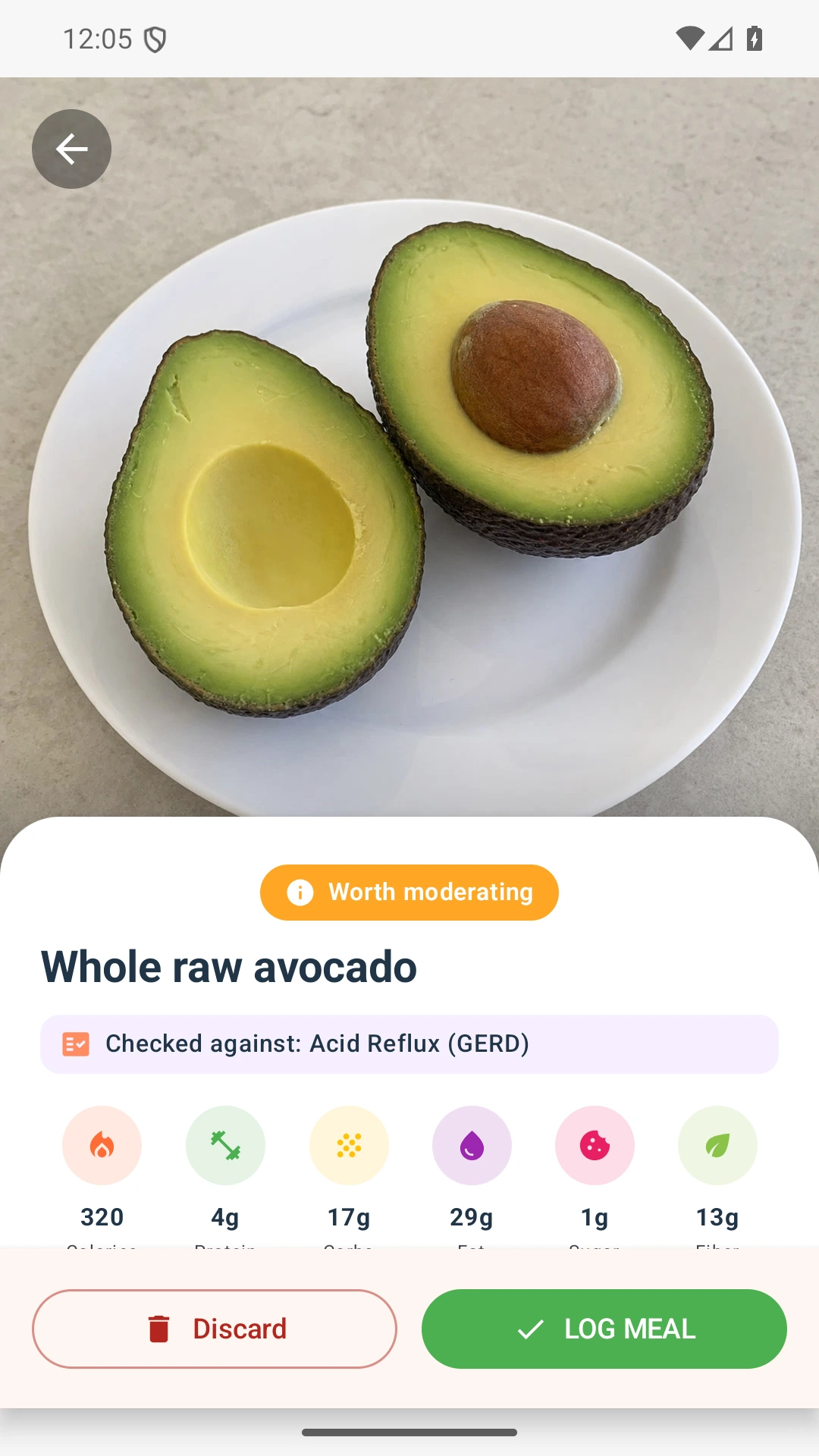
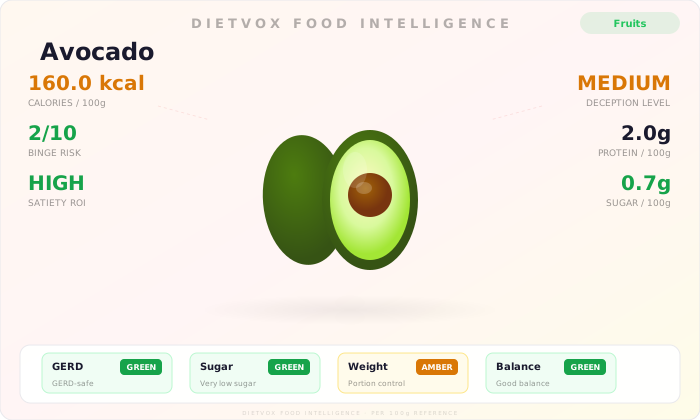
Understanding the nutritional composition of avocado is key to appreciating its role in a GERD diet. The data per 100g provides a clear picture of its benefits USDA FoodData Central (FDC ID 171705).

  • Calories: 160 kcal
  • Fat: 14.7g
  • Carbohydrates: 8.5g
  • Dietary Fibre: 6.7g
  • Sugars: 0.7g
  • Protein: 2.0g

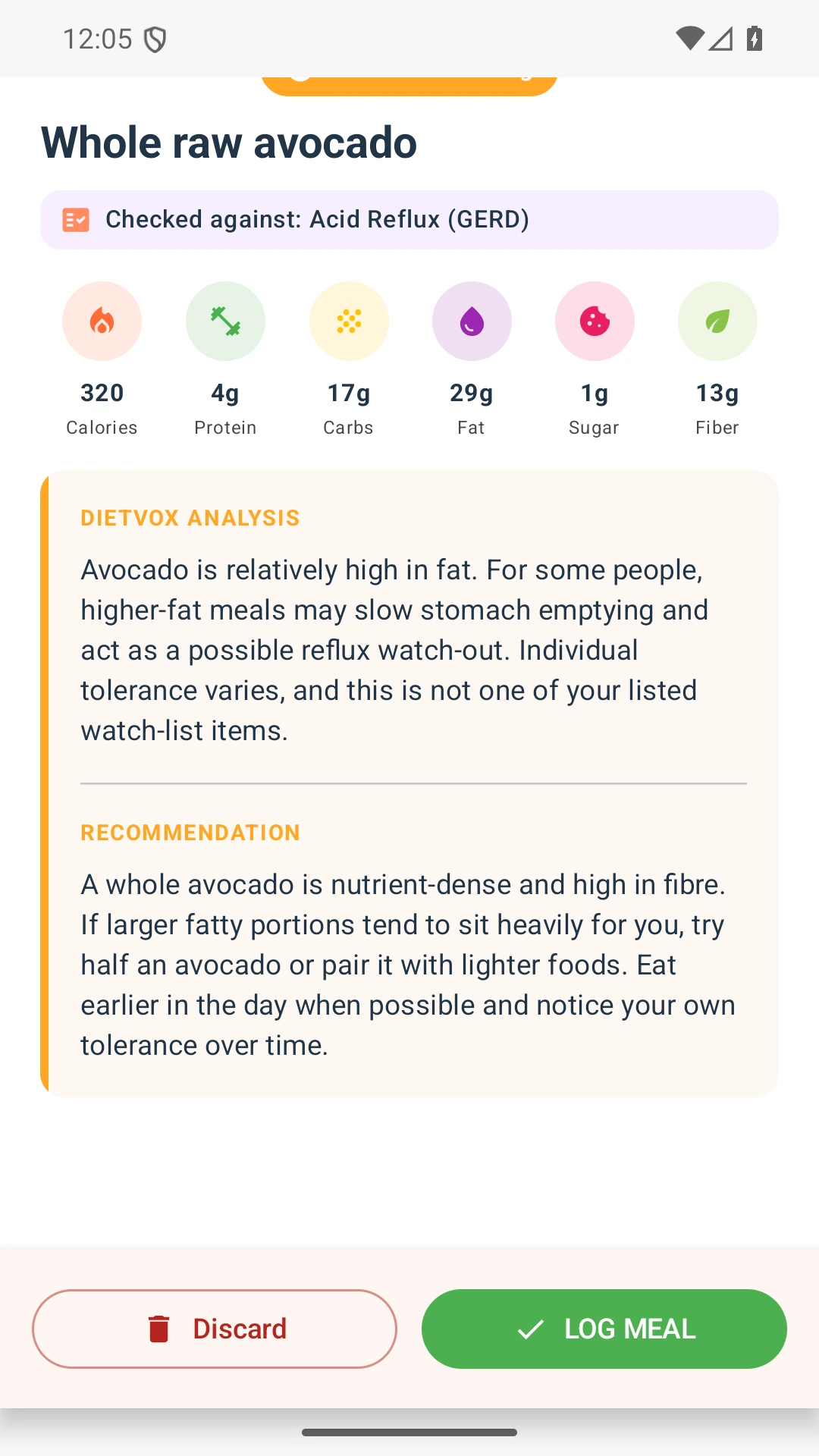
While the total fat content might initially seem concerning, the type of fat is the critical factor for GERD. The vast majority of fat in avocado is heart-healthy monounsaturated fat (MUFA), primarily oleic acid. Unlike the saturated and trans fats found in fried foods, processed snacks, and fatty meats—which are known to delay stomach emptying and relax the lower esophageal sphincter (LES) American College of Gastroenterology acid reflux guidance—monounsaturated fats are less likely to provoke these effects.

Furthermore, the high dietary fibre content (6.7g) is a significant advantage. Adequate fibre intake supports overall digestive health and regularity. Some sources suggest a potential link between higher fibre intake and a reduced risk of GERD. A meta-analysis listed in PubMed indicated an inverse relationship, where higher fibre consumption was associated with a lower incidence of reflux PubMed.

Avocado is also a low-acid and low-sugar food, two important characteristics for a GERD-friendly diet. Diets for GERD often recommend avoiding highly acidic foods like citrus fruits and tomatoes, making avocado a safe alternative American College of Gastroenterology.

Practical Tips for Including Avocado in a GERD-Friendly Diet

Successfully incorporating avocado into your diet involves more than just eating it; it requires a mindful approach to portion size, food pairings, and meal timing.

Mind Your Portions This is the most critical factor. While the fats are healthy, they are still calorie-dense. Large meals or high volumes of fat can increase stomach pressure and potentially trigger reflux. A sensible portion size for most individuals with GERD is one-quarter to one-half of a medium avocado per serving. This provides the nutritional benefits without overloading the digestive system.

Pair it Wisely Combine avocado with other well-tolerated, GERD-friendly foods. Excellent pairings include:

  • Spread on a slice of whole-grain or oatmeal toast.
  • Added to a smoothie with banana, spinach, and almond milk.
  • Sliced into a salad with grilled chicken, turkey, and non-acidic vegetables like cucumber and carrots.
  • As a side to scrambled egg whites and oatmeal.

Avoid Common Triggers in Avocado Dishes Avocado is often the star of dishes that contain common GERD triggers. A classic example is guacamole. Traditional guacamole frequently includes high-acid tomatoes, pungent onions, garlic, and spicy jalapeños, all of which can provoke symptoms. To enjoy a GERD-friendly version, prepare it simply with mashed avocado, a small squeeze of lime juice (if tolerated), cilantro, and salt.

Timing Matters General dietary advice for GERD management recommends avoiding eating large meals within two to three hours of lying down NHS. This applies to meals containing avocado as well. Consuming it earlier in the day allows ample time for digestion, reducing the risk of nighttime reflux.

Health Forensics: DietVox Analysis

Our internal analysis provides further context for avocado's place in a GERD diet:

  • Calorie Density: MEDIUM With 160 kcal per 100g, avocado has a moderate calorie density. A controlled portion (e.g., 50g or about a third of an avocado) contains approximately 80 kcal, making it easy to integrate into a balanced diet without excessive calorie intake, which is important as obesity is a major risk factor for GERD NICE.
  • Satiety ROI: HIGH Satiety Return on Investment (ROI) measures how full a food makes you feel relative to its calories. Avocado scores high in this regard. The combination of 14.7g of healthy fats and 6.7g of dietary fibre per 100g significantly promotes feelings of fullness. This can help prevent overeating, a key behavioural trigger for acid reflux.
  • Tracking Difficulty: MEDIUM Portion control is key, but avocados vary widely in size. Estimating a serving visually can lead to a calorie deviation of 15-25%. For individuals whose symptoms are highly sensitive to fat or calorie load, using a food scale to weigh a portion is the most accurate method for tracking intake.

Disclaimer: This article is for informational purposes only and does not constitute medical advice. Always consult a healthcare provider before making changes to your diet, especially if you have a medical condition.

Scan your foods with the DietVox app to get personalized ratings based on your specific dietary needs and health goals.

Last reviewed: June 2026

How It Works

Why Avocado is Rated GREEN

Avocado's GREEN rating for the GERD (Acid Reflux) protocol is based on three primary rating factors: its favourable fat profile, its low acidity, and its beneficial fibre content.

  1. Healthy Monounsaturated Fats: High-fat meals are a well-documented potential trigger for GERD because they can delay gastric emptying and reduce the pressure of the lower esophageal sphincter (LES), the muscular valve that keeps stomach acid from flowing back into the esophagus American College of Gastroenterology acid reflux guidance. However, the type of fat is a crucial distinction. Avocado is rich in monounsaturated fatty acids (MUFAs), which are processed by the body differently than the saturated and trans fats found in many processed and fried foods. Clinical guidance often focuses on limiting these unhealthy fats, whereas MUFAs in moderation are a core component of a healthy diet World Health Organization. For GERD, this means the fats in avocado are less likely to cause the significant digestive delays and LES relaxation associated with saturated-fat-heavy foods.
  1. Low-Acid and Alkaline-Promoting: Acidic foods are a common trigger for reflux symptoms, as they can directly irritate the esophagus and may contribute to the overall acidity of stomach contents. Avocado is a naturally low-acid food. Its mineral content, particularly potassium (485mg per 100g), contributes to its alkaline-promoting effect in the body, which can help buffer dietary acid load. Choosing low-acid foods is a foundational strategy in managing GERD symptoms Harvard Health Publishing.
  1. High in Dietary Fibre: Each 100g serving of avocado provides 6.7g of dietary fibre USDA FoodData Central (FDC ID 171705). Available source reviews suggests that adequate fibre intake is beneficial for GERD. Fibre aids in healthy digestion, promotes gut motility, and may help reduce the risk of reflux episodes. A 2018 meta-analysis available on PubMed concluded that there is a significant inverse association between dietary fibre intake and the risk of GERD, suggesting fibre may have a protective effect PubMed.

Scan any food. Get an instant RED/AMBER/GREEN rating.

DietVox analyses every food across 4 diet protocols — no guesswork.

Try DietVox Free →

Try These Instead

Safer alternatives that won't trigger your symptoms.

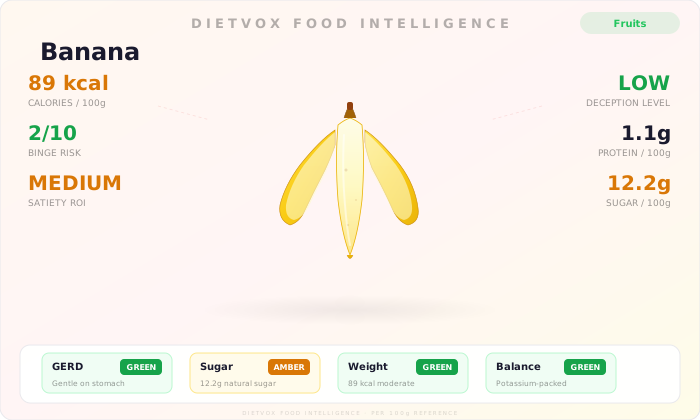
Banana illustration

Banana

89 kcal Fruits
GREEN GERD
AMBER Sugar
AMBER Weight
GREEN Balance
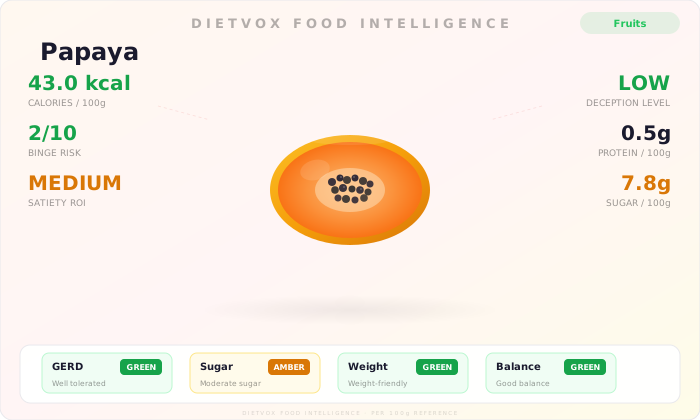
Papaya illustration

Papaya

43 kcal Fruits
GREEN GERD
AMBER Sugar
GREEN Weight
GREEN Balance
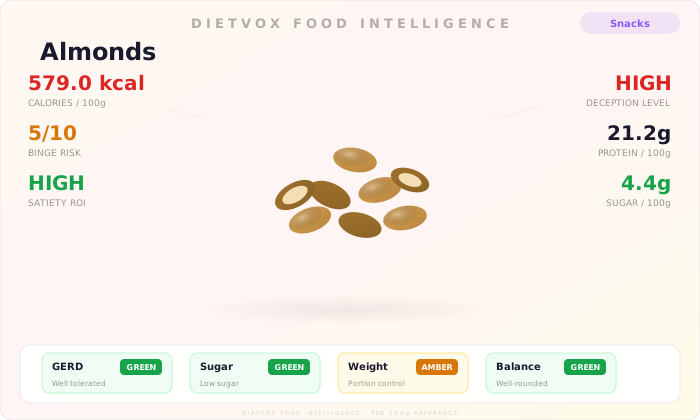
Almonds illustration

Almonds

579 kcal Snacks
GREEN GERD
GREEN Sugar
AMBER Weight
GREEN Balance
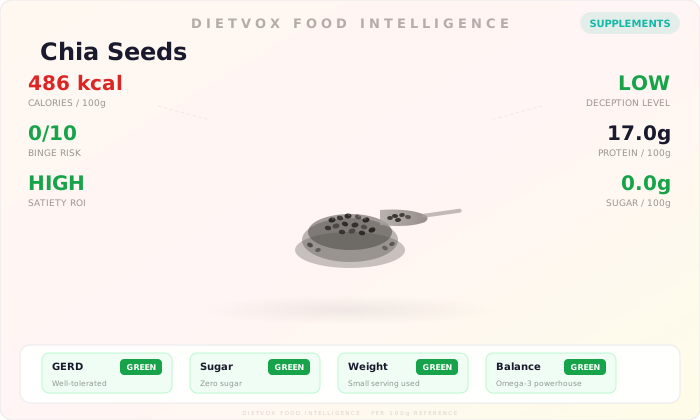
Chia Seeds illustration

Chia Seeds

486 kcal Supplements
GREEN GERD
GREEN Sugar
GREEN Weight
GREEN Balance

Frequently Asked Questions

Can I eat Avocado on a gerd (acid reflux) diet?

DietVox rates Avocado GREEN for gerd (acid reflux) diet. Avocado contains healthy monounsaturated fats that are generally well-tolerated. Unlike saturated fats, they are less likely to delay gastric emptying. Moderate portions are recommended.

How much avocado can I eat with acid reflux?

Portion control is essential. For most people with GERD, a serving of one-quarter to one-half of a medium avocado is a safe amount. This provides nutritional benefits without overloading the stomach with a high volume of fat, which could potentially trigger symptoms.

Is guacamole okay for a GERD diet?

It depends entirely on the ingredients. Traditional guacamole often contains common GERD triggers like onion, garlic, tomatoes, and spicy peppers. However, a simple, GERD-friendly version made from mashed avocado, cilantro, salt, and a very small amount of lime juice is generally well-tolerated.

Can avocado ever cause acid reflux?

While avocado is generally considered safe for GERD, individual triggers can vary. For some highly sensitive individuals, any high-fat food, even with healthy fats, can be a trigger if consumed in large quantities. Eating too much avocado at once could potentially slow digestion and increase stomach pressure, leading to reflux. Always start with a small portion to assess your personal tolerance.

Does the ripeness of an avocado affect GERD symptoms?

There is no direct source support to suggest that the ripeness of an avocado directly impacts GERD symptoms. The nutritional profile, particularly the fat and fibre content, remains stable as it ripens. Choose an avocado that is ripe for the best flavour and texture, as this will not alter its suitability for a GERD diet.

Related Reading