DietVox Rating: GREEN
Yogurt is a popular dairy product often enjoyed for its creamy texture and versatility. For those aiming to manage their weight, understanding how yogurt lose weight can be a strategic part of a dietary plan is crucial. DietVox rates yogurt as GREEN for a Weight Loss Diet, indicating it can be a beneficial inclusion when chosen wisely. This article delves into the nutritional profile of yogurt, its impact on calorie intake and satiety, and practical tips for incorporating it effectively into your weight loss journey.
Nutritional Profile of Yogurt for Weight Loss
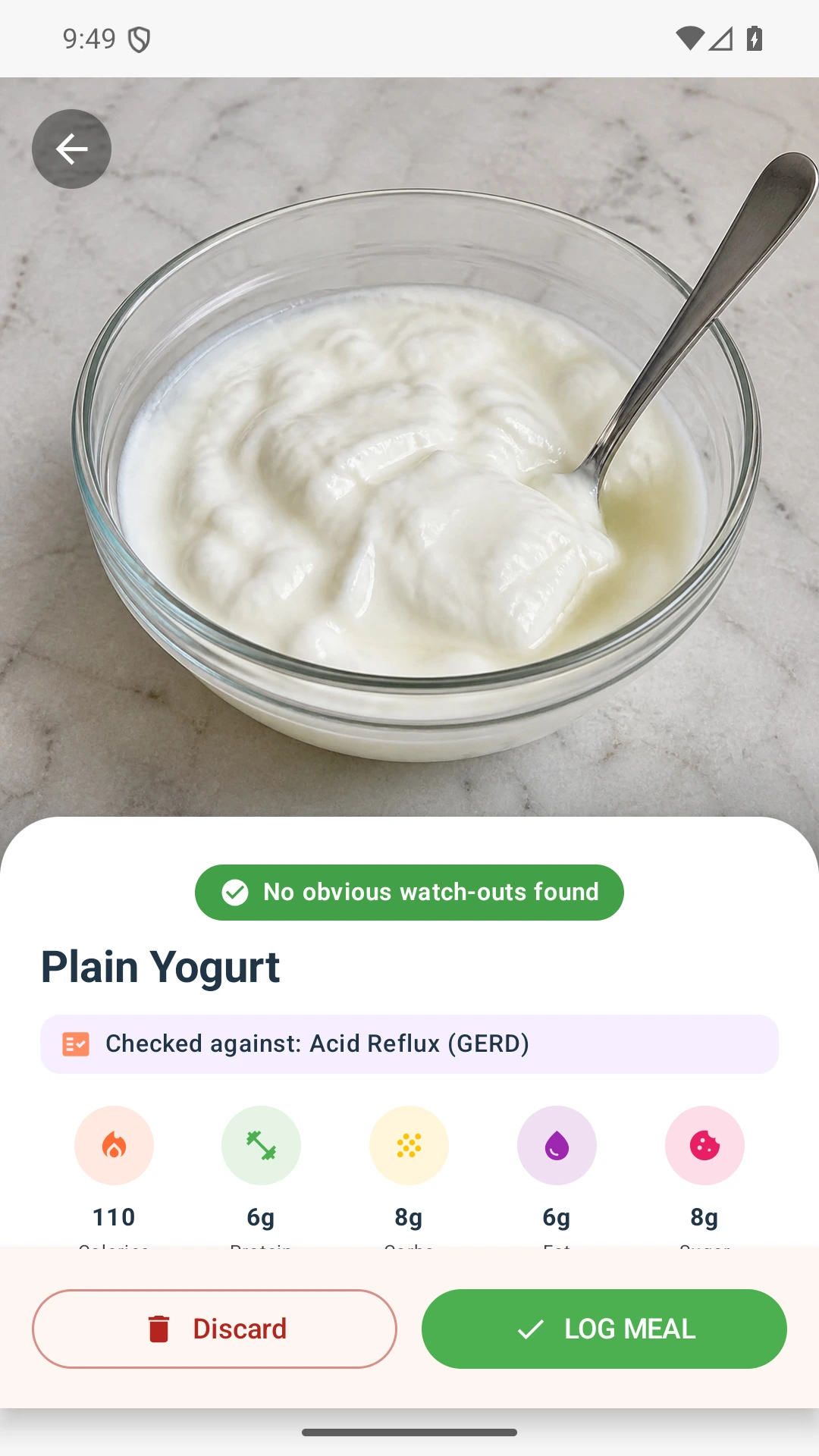
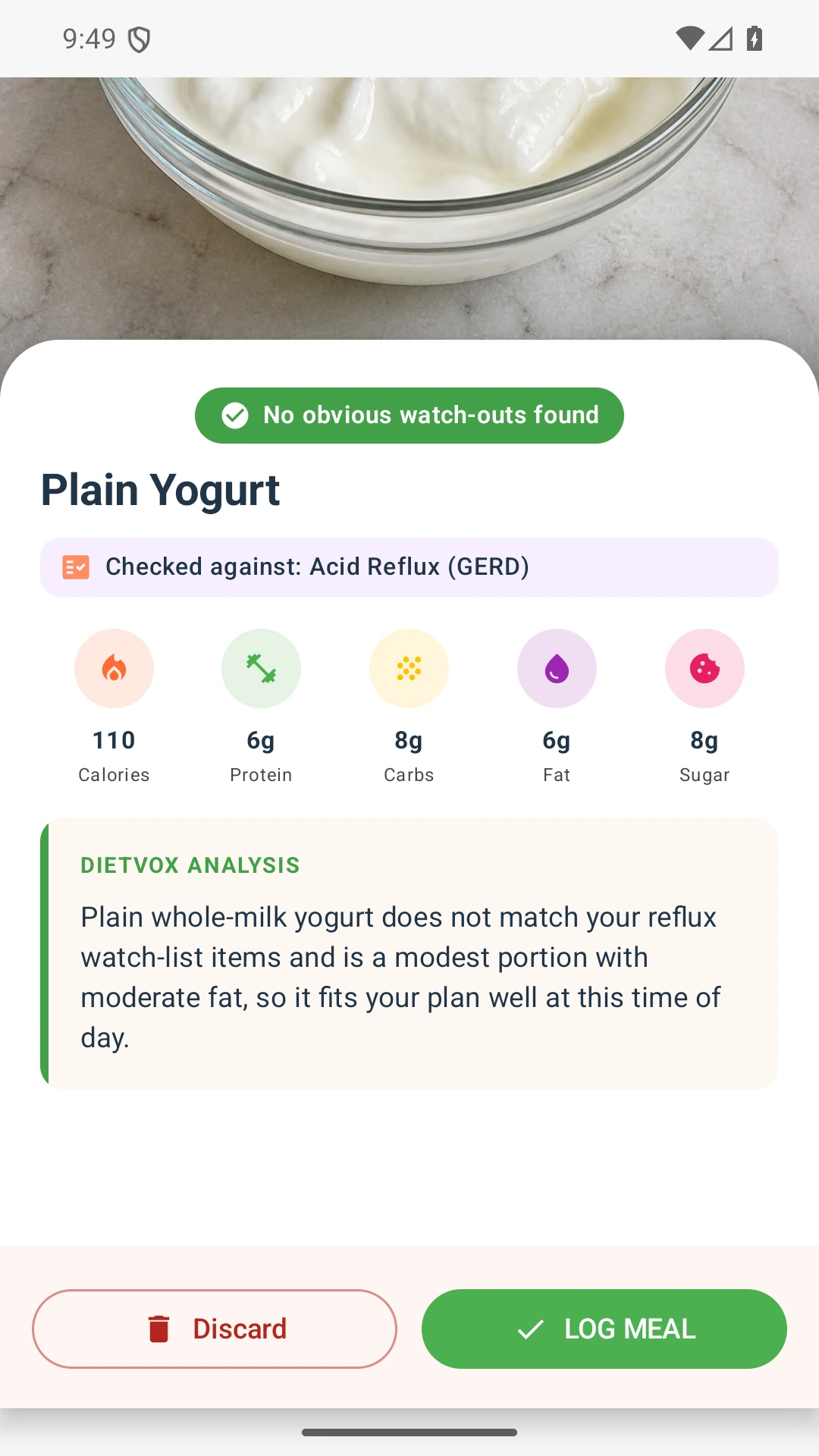
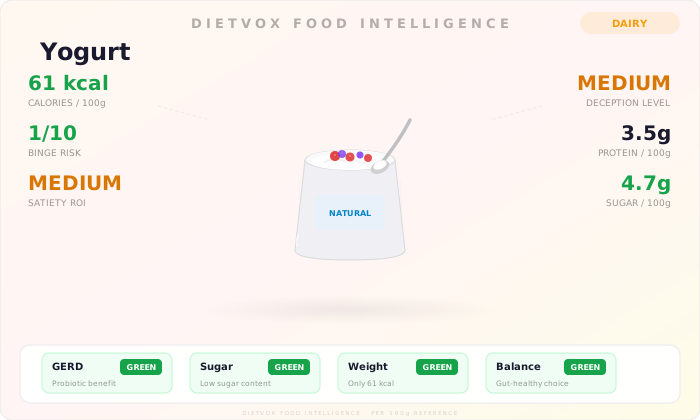
Per 100g, plain, whole milk yogurt provides 61 calories, 3.5g of protein, 3.3g of fat, and 4.7g of carbohydrates, all of which are sugars, with 0g of dietary fibre USDA FoodData Central (FDC ID 170929). While these figures are for plain, whole milk yogurt, opting for low-fat or fat-free varieties can further reduce calorie and fat content, making it even more aligned with weight loss goals NHS.
Calorie Density Analysis
With 61 kcal per 100g, yogurt has a low calorie density. Foods with low calorie density allow for larger portion sizes without consuming excessive calories, which can be advantageous for weight loss by promoting fullness WHO. This means you can enjoy a satisfying portion of plain yogurt as part of a meal or snack without significantly impacting your daily caloric budget.
Satiety Return on Investment (ROI)
Yogurt's satiety return is rated as LOW by DietVox. This is primarily due to its relatively modest protein content (3.5g per 100g) and absence of dietary fibre. Both protein and fibre are key nutrients for promoting satiety and helping you feel fuller for longer PubMed/NIH . While yogurt does contain protein, its overall contribution to sustained fullness might be less compared to foods richer in protein or fibre. To enhance its satiety, consider pairing plain yogurt with high-fibre fruits like berries or a small handful of nuts, or even a scoop of protein powder MedlinePlus weight control.
Tracking Difficulty
Tracking yogurt intake is rated as MEDIUM difficulty. While measuring cups or scales can provide precise measurements, visual estimation of portions can lead to deviations of 15-25%. For accurate tracking, especially during the initial phases of a weight loss diet, using a food scale to measure portions by weight (grams) is recommended CDC healthy weight guidance.
Beyond Macros: Other Health Benefits Relevant to Weight Loss
While direct calorie and macronutrient content are primary for weight loss, yogurt offers additional health benefits that support overall well-being during your dietary journey:
- Bone Health: Yogurt is a good source of calcium, providing 121mg per 100g USDA FoodData Central (FDC ID 170929). Calcium is essential for maintaining strong bones, a crucial aspect of overall health, especially during periods of dietary change NHS.
- Gut Health and Probiotics: Many yogurts contain live and active cultures, also known as probiotics. While source review on the direct link between specific probiotics in yogurt and significant weight loss is ongoing, a healthy gut microbiome is increasingly recognized for its role in metabolism and overall well-being PubMed/NIH. Supporting gut health can be a beneficial component of a holistic approach to weight management NCCIH probiotics overview.
Common Misconceptions and Pitfalls for Weight Loss
Despite its GREEN rating, there are common mistakes that can turn yogurt from a weight-loss ally into a hindrance:
- Flavored Yogurts: This is the biggest pitfall for weight loss. The DietVox rating comment specifically highlights that "flavoured yogurts can double or triple the calorie content." Many flavoured yogurts are laden with added sugars, significantly increasing their calorie count (often 90-120 kcal with 12-18g sugar per 100g, compared to 61 kcal and 4.7g sugar for plain) NHS. Always check the nutrition label for added sugars.
- "Healthy" Add-ins in Excess: While fruits and nuts are healthy, adding large quantities of granola, honey, or excessive amounts of dried fruit to yogurt can quickly increase the calorie and sugar content, undermining weight loss efforts CDC healthy weight guidance.
- Full-Fat vs. Low-Fat: While full-fat dairy can be part of a healthy diet, for specific weight loss goals, choosing low-fat or fat-free plain yogurt can help reduce overall calorie intake without sacrificing the nutritional benefits NHS.
Practical Tips for Incorporating Yogurt into Your Weight Loss Diet
To maximize yogurt's benefits for weight loss, follow these practical tips:
- Opt for Plain, Low-Fat or Fat-Free: This is the most critical step. Plain varieties allow you to control the sweetness and caloric additions. Always prioritize unsweetened options.
- Read Labels Carefully: Always check the nutrition facts for added sugars. Ingredients lists that include "sugar," "high-fructose corn syrup," or "fruit juice concentrate" indicate added sugars WHO.
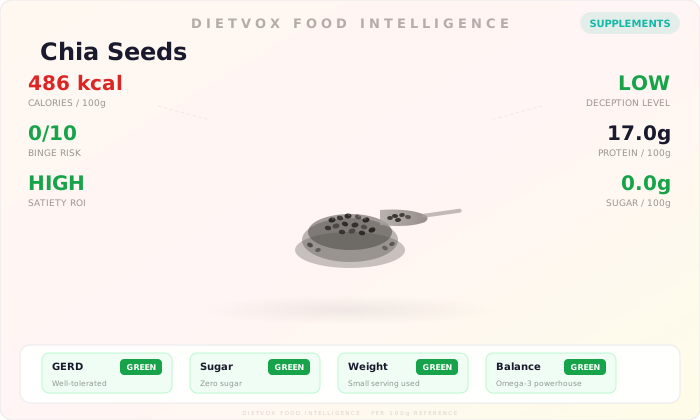
- Boost Satiety Naturally: Enhance yogurt's fullness factor by adding a small portion of fresh berries (high in fibre), a sprinkle of chia seeds, or a few chopped almonds. These additions provide fibre, healthy fats, and additional protein without excessive calories MedlinePlus weight control.
- Creative Culinary Uses: Use plain yogurt as a healthier substitute for sour cream in dips, a base for salad dressings, or as a creamy component in smoothies. It can also be used in marinades to tenderize meat, offering a versatile culinary tool for calorie-conscious cooking.
- Mindful Portioning: Even with low-calorie foods, portion control is key. Use measuring cups or a food scale, especially when starting out, to ensure accurate tracking of your intake and to avoid unknowingly exceeding your calorie targets NICE.
Conclusion
Yogurt, particularly plain, low-fat varieties, can be a valuable and versatile food for a weight loss diet, earning its GREEN rating from DietVox. Its low calorie density allows for satisfying portions, and its protein content contributes to satiety. By being mindful of added sugars in flavored products and practicing portion control, yogurt can support your weight loss goals while providing essential nutrients and contributing to overall well-being.
Disclaimer: This article is for informational purposes only and does not constitute medical advice. Always consult a healthcare provider before making changes to your diet, especially if you have a medical condition.
Scan your foods with the DietVox app to get personalized ratings based on your specific dietary needs and health goals.
Last reviewed: June 2026
How It Works
Why Yogurt is Rated GREEN for Weight Loss Diet
Yogurt is rated GREEN for a Weight Loss Diet primarily due to its favorable calorie density and moderate protein contribution, provided specific choices are made.
- Low Calorie Density: At 61 kcal per 100g (for plain, whole milk yogurt), yogurt is considered a low-calorie-density food WHO. This means you can consume a relatively larger volume of yogurt for fewer calories compared to high-calorie-density foods. For individuals aiming to reduce overall caloric intake, low-calorie-density foods are beneficial as they can help promote fullness and satisfaction without exceeding dietary limits CDC healthy weight guidance. Choosing low-fat or fat-free plain yogurt further reduces this density, making it an even more efficient choice for calorie management.
- Protein Content: While its satiety return is rated LOW due to the absence of fibre and moderate protein (3.5g per 100g), yogurt still offers a source of protein. Protein is crucial for weight loss as it helps preserve muscle mass during calorie restriction and contributes to a feeling of fullness, albeit to a lesser extent than higher-protein, higher-fibre alternatives PubMed/NIH. When paired with other protein and fibre sources, yogurt's protein contribution becomes more significant for satiety.
- Versatility and Nutrient Profile: Plain yogurt is a versatile food that can replace higher-calorie, higher-fat ingredients in many recipes. It also provides essential nutrients like calcium, which supports bone health, an important consideration during any dietary change MedlinePlus calcium overview.
Critical Caveat: The Importance of Choice
The GREEN rating is highly contingent on choosing plain, low-fat varieties. As highlighted in the DietVox rating comment, "flavoured yogurts can double or triple the calorie content" due to significant amounts of added sugars. These added sugars quickly negate the benefits of yogurt's low calorie density, leading to increased caloric intake and potential weight gain rather than loss NHS. Therefore, selecting unsweetened, low-fat or fat-free options is paramount for yogurt to support a weight loss diet effectively.
Scan any food. Get an instant RED/AMBER/GREEN rating.
DietVox analyses every food across 4 diet protocols — no guesswork.
Try DietVox Free →Try These Instead
Safer alternatives that won't trigger your symptoms.
Frequently Asked Questions
What type of yogurt is best for weight loss?
For weight loss, the best choice is plain, low-fat or fat-free yogurt. Flavored varieties often contain high amounts of added sugars and calories, which can hinder your weight loss goals NHS.
Does yogurt help with satiety for weight loss?
Yogurt's satiety return is rated LOW by DietVox due to its moderate protein (3.5g/100g) and absence of dietary fibre. To boost satiety, consider adding high-fibre ingredients like berries or a small amount of nuts, or pairing it with other protein sources MedlinePlus weight control.
How can I make plain yogurt taste better without adding too many calories?
Enhance plain yogurt with natural, low-calorie additions. Try fresh berries, a sprinkle of cinnamon, a few drops of vanilla extract, or a very small amount of a natural sweetener like stevia. Avoid excessive honey, granola, or dried fruits, which can quickly add calories and sugar CDC healthy weight guidance.
Is the calcium in yogurt beneficial for weight loss?
While calcium is essential for bone health and overall well-being, its direct role in promoting weight loss is not definitively established. However, ensuring adequate nutrient intake, including calcium, is important for a healthy body during a weight loss journey NHS.
Can yogurt's probiotics help with weight loss?
Some sources suggest a link between a healthy gut microbiome and weight management, and yogurt often contains beneficial probiotics. However, the direct impact of yogurt's probiotics on significant weight loss is still an area of ongoing source review, and results can vary PubMed/NIH. It's best viewed as a supportive factor for overall health rather than a primary weight loss tool.