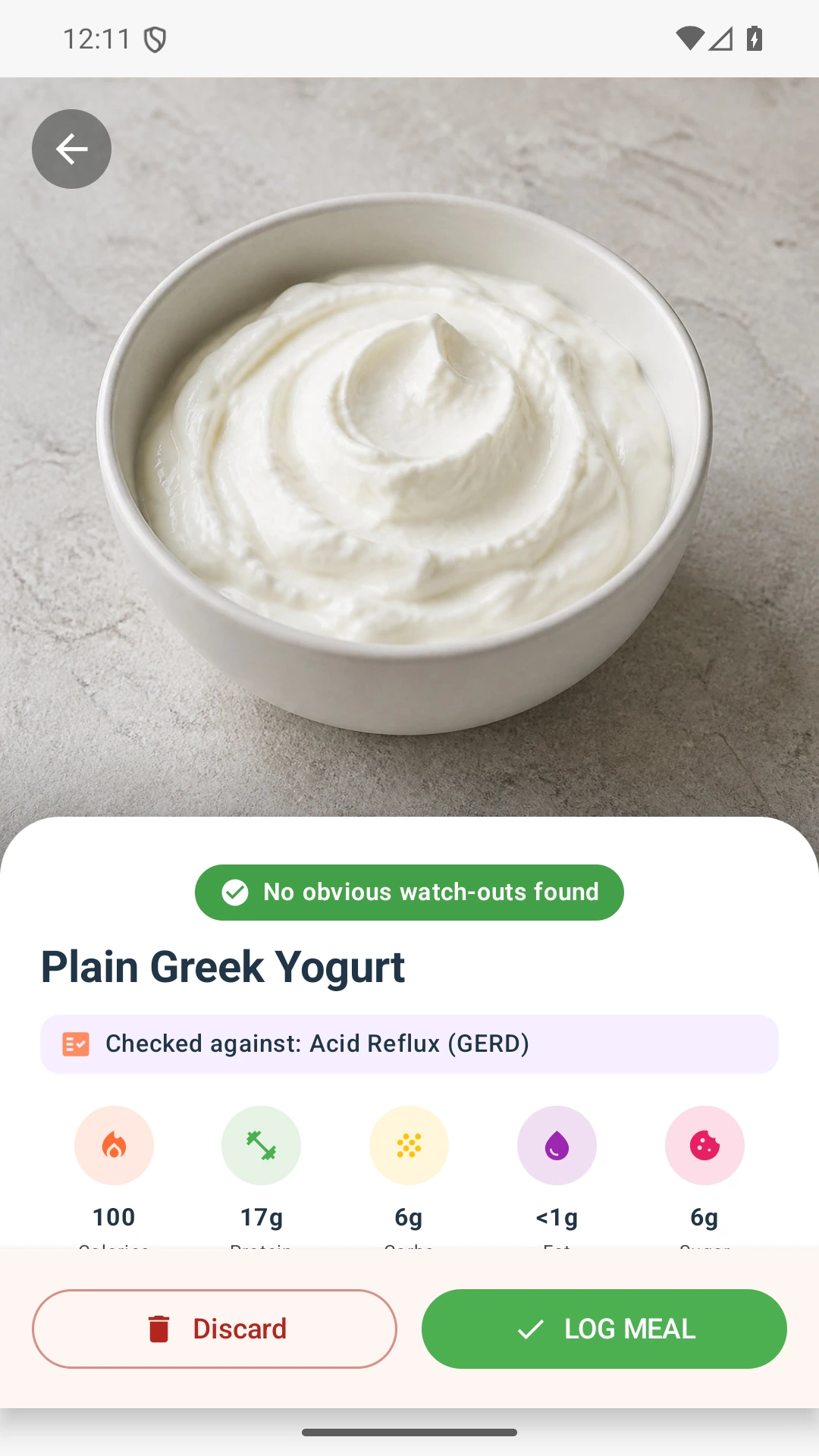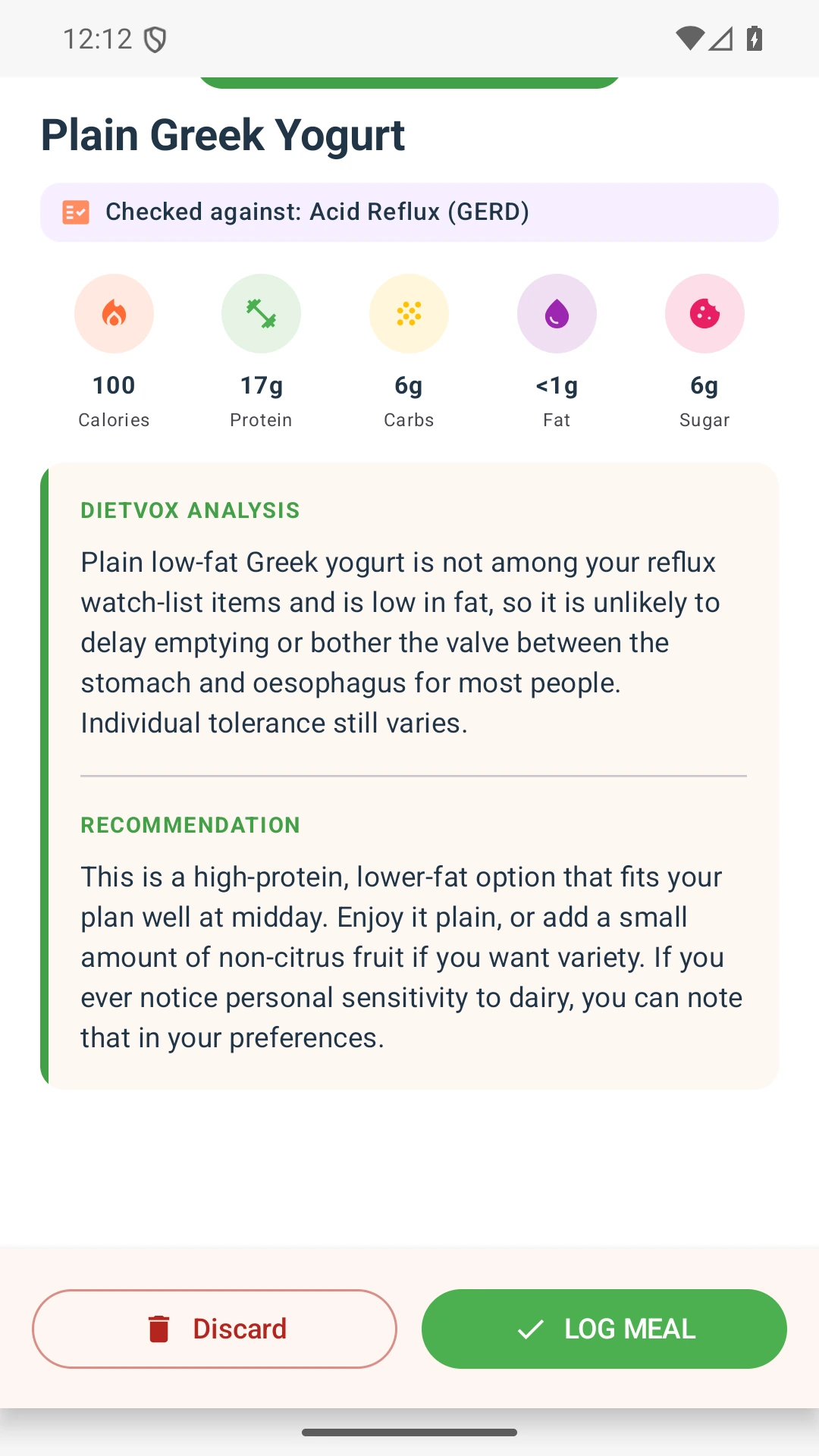
DietVox Rating: GREEN
Verdict: Greek yogurt is rated GREEN for a weight loss diet. This rating indicates it is an excellent food choice that can be consumed regularly to support your weight management goals. The effectiveness of greek yogurt for weight loss stems from its unique combination of high protein content and low calorie density, making it a powerful tool for managing hunger and controlling overall calorie intake.
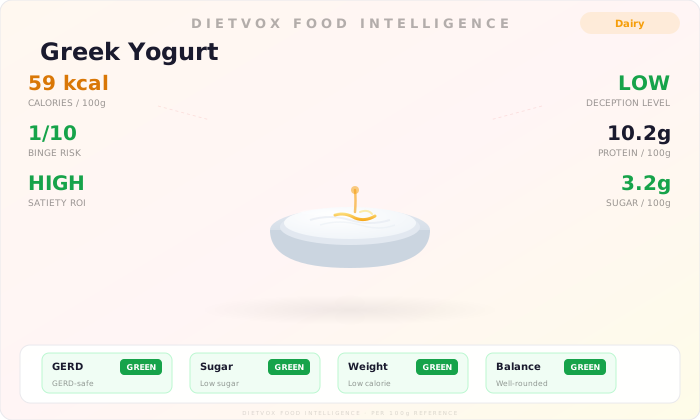
At just 59 calories per 100g serving, plain, non-fat Greek yogurt delivers over 10 grams of high-quality protein. This profile makes it a highly efficient food for promoting fullness, a critical factor for success in any calorie-controlled eating plan recommended for weight loss CDC healthy weight guidance.
This article provides a detailed clinical analysis of why Greek yogurt is a GREEN-rated food, how to integrate it into your diet effectively, and the direct source support supporting its role in weight management.
A Clinical Look at Greek Yogurt for Weight Loss
To understand Greek yogurt's role in a weight loss diet, we must examine its nutritional composition and its physiological effects on the body. The data shows a food that is optimised for satiety and nutrient delivery within a constrained calorie budget.
Macronutrient Profile: The Protein Powerhouse
The standout feature of Greek yogurt is its protein content. A standard 100g serving of plain, non-fat Greek yogurt contains:
- Protein: 10.2g
- Fat: 0.7g
- Carbohydrates: 3.6g
- Calories: 59 kcal
Source: USDA FoodData Central (FDC ID 171287)
The high protein level is achieved through a straining process that removes most of the whey, liquid, and lactose, resulting in a thicker, more concentrated product than regular yogurt. Protein is the most satiating macronutrient, meaning it helps you feel fuller for longer compared to fats or carbohydrates. direct source reviews have consistently shown that higher protein intake can lead to reduced overall calorie consumption by increasing feelings of fullness and reducing appetite PubMed.
Maintaining muscle mass is also crucial during weight loss. Adequate protein intake helps preserve lean body mass while your body loses fat, which is important for maintaining a healthy metabolism CDC healthy weight guidance.
Micronutrient Support
Beyond its macronutrient advantages, Greek yogurt is a valuable source of essential micronutrients. Each 100g serving provides approximately 110mg of calcium, which is vital for bone health. Ensuring adequate calcium intake is particularly important when on a calorie-restricted diet to support skeletal integrity NHS.
Practical Tips for Your Weight Loss Diet
Incorporating Greek yogurt into your weight loss plan is simple, but making smart choices is key to maximising its benefits.
How to Choose the Right Greek Yogurt
- Prioritise Plain: Always opt for plain, unflavoured Greek yogurt. Flavoured varieties can contain significant amounts of added sugar, often 12-15g per serving, which adds unnecessary calories and can undermine weight loss efforts WHO.
- Check the Fat Content: Non-fat (0%) or low-fat (2%) versions are best for a calorie-controlled diet. A full-fat version (around 5-10% fat) can contain nearly double the calories (approx. 97 kcal per 100g), which must be accounted for in your daily budget.
- Read the Label: Look for brands with minimal ingredients—typically just milk and live active cultures. Avoid those with added thickeners, starches, or artificial sweeteners if you prefer a cleaner product.
Meal and Snack Ideas
- Breakfast Bowl: Start your day with a 150-200g serving of Greek yogurt topped with a handful of berries for fibre and a tablespoon of seeds for healthy fats. This creates a balanced, high-satiety meal.
- Smoothie Enhancer: Add a large scoop of Greek yogurt to your smoothies instead of milk or water for a significant protein boost and a creamy texture.
- Healthy Substitute: Use plain Greek yogurt as a substitute for sour cream or mayonnaise in dips, dressings, and sauces. This simple swap can drastically reduce the calorie and fat content of your favourite recipes.
- Post-Workout Snack: The combination of protein and carbohydrates makes it an excellent choice for post-exercise recovery to help repair muscle tissue.
Addressing Common Misconceptions
Several myths surround yogurt and weight loss. Let's clarify them with source support.
Misconception 1: "All yogurts are equally good for weight loss."
This is incorrect. Greek yogurt's unique straining process gives it a significant advantage. It typically contains about double the protein and half the carbohydrates of regular yogurt, making it far more effective for satiety per calorie NCCIH probiotics overview. The lower sugar (lactose) content is also beneficial for calorie management.
Misconception 2: "The naturally occurring sugar in plain Greek yogurt is bad for you."
Plain Greek yogurt contains about 3.2g of sugar per 100g. This is lactose, the natural sugar found in milk. It is not an "added sugar," which health organisations like the WHO recommend limiting. These intrinsic sugars are part of a nutritious whole food and are not associated with the negative health effects of free sugars found in processed foods and sweetened beverages WHO.
Misconception 3: "Eating dairy will make me gain weight."
When chosen carefully, dairy products like Greek yogurt can be powerful allies in weight loss. A systematic review of multiple source reviews found that including dairy products in a calorie-restricted diet may lead to greater weight loss and fat loss compared to diets without dairy, potentially due to the combined effects of protein and calcium PubMed. The key is to choose low-fat, unsweetened options and manage portion sizes.
Why Greek Yogurt Works for Weight Loss
Several nutritional factors make Greek yogurt an excellent choice for a weight loss diet.
- Calorie Density: LOW With only 59 kcal per 100g, Greek yogurt allows you to eat a satisfyingly large portion without a high caloric cost. Foods with low calorie density are fundamental to successful weight management as they help you feel full on fewer calories.
- Satiety: HIGH Greek yogurt is rich in protein — around 10.2g per 100g — which promotes feelings of fullness and reduces hunger hormones. High-protein foods have been shown to increase satiety more effectively than carbohydrates or fats, helping you eat less overall.
- Tracking: EASY Greek yogurt comes in standardised portions with consistent nutritional information, making it simple to log accurately in a food diary and stay within your daily calorie and macro targets.
Disclaimer: This article is for informational purposes only and does not constitute medical advice. Always consult a healthcare provider before making changes to your diet, especially if you have a medical condition.
Scan your foods with the DietVox app to get personalized ratings based on your specific dietary needs and health goals.
Last reviewed: June 2026
How It Works
Why Greek Yogurt is Rated GREEN for Weight Loss
DietVox rates Greek yogurt as GREEN because its nutritional profile is almost perfectly aligned with the core principles of effective and sustainable weight loss: high satiety, low calorie density, and nutrient richness.
- High Protein Content Promotes Satiety: The primary mechanism is its high protein content (10.2g per 100g). Protein takes longer to digest than carbohydrates and has been shown to influence appetite-regulating hormones such as ghrelin and GLP-1. source review from direct trials indicates that high-protein meals significantly increase self-reported satiety and can lead to a spontaneous reduction in calorie intake at subsequent meals PubMed. By helping you stay full, Greek yogurt makes it easier to maintain the calorie deficit required for weight loss.
- Low Calorie Density Allows for Volume: At 59 kcal per 100g, Greek yogurt is a low-energy-density food. This concept, supported by health bodies like the CDC healthy weight guidance, is crucial for weight management. It means you can consume a larger, more satisfying volume of food for fewer calories, which helps prevent feelings of deprivation that can derail a diet.
- Supports Lean Muscle Mass: During a weight loss phase, it's vital to lose fat, not muscle. The high-quality protein in Greek yogurt provides the essential amino acids needed to preserve lean muscle mass while in a calorie deficit. A higher muscle mass supports a healthier resting metabolic rate, making long-term weight maintenance more achievable.
- Minimal Impact on Blood Sugar: With only 3.6g of carbohydrates and negligible added sugar, plain Greek yogurt has a low glycemic impact. This helps avoid the rapid spikes and subsequent crashes in blood sugar that can trigger cravings for high-calorie, sugary foods, promoting more stable energy levels and better appetite control throughout the day.
Scan any food. Get an instant RED/AMBER/GREEN rating.
DietVox analyses every food across 4 diet protocols — no guesswork.
Try DietVox Free →Try These Instead
Safer alternatives that won't trigger your symptoms.
Frequently Asked Questions
What's the difference between Greek yogurt and regular yogurt for weight loss?
The main difference is the straining process. Greek yogurt is strained more than regular yogurt, which removes much of the liquid whey and lactose. This results in a product that typically has double the protein and about half the carbohydrates per serving, making it a more satiating and effective option for a weight loss diet.
Should I choose full-fat or non-fat Greek yogurt for a weight loss diet?
For a weight loss diet focused on calorie control, non-fat (0%) Greek yogurt is the superior choice. It provides all the protein benefits for satiety at the lowest calorie count (around 59 kcal/100g). Full-fat versions can contain nearly twice the calories, which would need to be carefully budgeted into your daily intake.
Can Greek yogurt help reduce belly fat specifically?
No single food can target fat loss in a specific area like the belly. However, a diet rich in high-protein foods like Greek yogurt supports overall fat loss, which includes abdominal fat. direct sources suggest high-protein diets are effective for reducing total body fat and improving body composition when combined with a calorie deficit PubMed.
What are the best healthy toppings for Greek yogurt on a weight loss plan?
To keep your meal low-calorie and nutrient-dense, choose toppings like fresh berries (strawberries, blueberries) for fibre and antioxidants, a tablespoon of chia or flax seeds for omega-3s and fibre, or a small sprinkle (10-15g) of nuts like almonds for healthy fats and crunch. Avoid high-sugar toppings like granola, honey, or sweetened fruit.