DietVox Rating: GREEN

Eggs are rated GREEN for a weight loss diet, indicating they are an excellent choice that can actively support your goals. A GREEN rating means this food aligns well with the core principles of a successful weight loss protocol, primarily by offering high nutritional value and promoting fullness within a manageable calorie count. The connection between eggs weight loss success is strongly supported by direct source support, particularly concerning their powerful effect on satiety.

At approximately 78 calories for one large egg, they provide a significant amount of high-quality protein and essential nutrients. This nutrient density makes them a highly efficient food for anyone managing their calorie intake. This article will delve into the rationale behind our GREEN rating, explore the nutritional profile of eggs in the context of weight management, and provide practical advice for incorporating them into your diet.

Nutritional Profile: A Closer Look

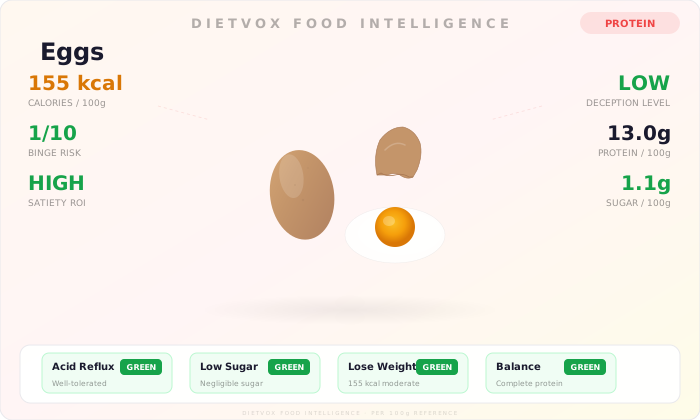
Understanding the nutritional composition of eggs is key to appreciating their role in a weight loss diet. Per 100g (equivalent to about two large eggs), the nutritional data is as follows:

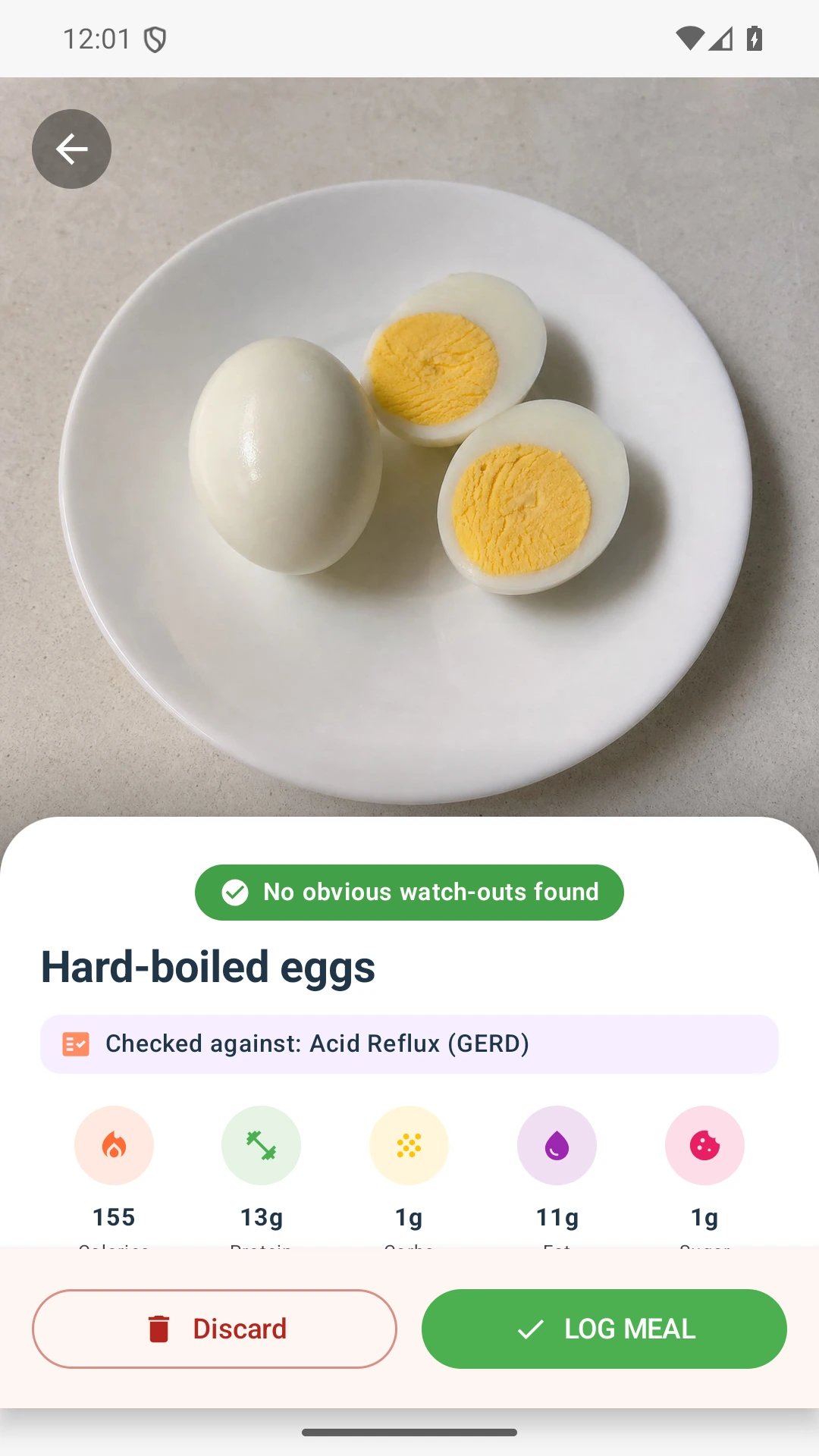
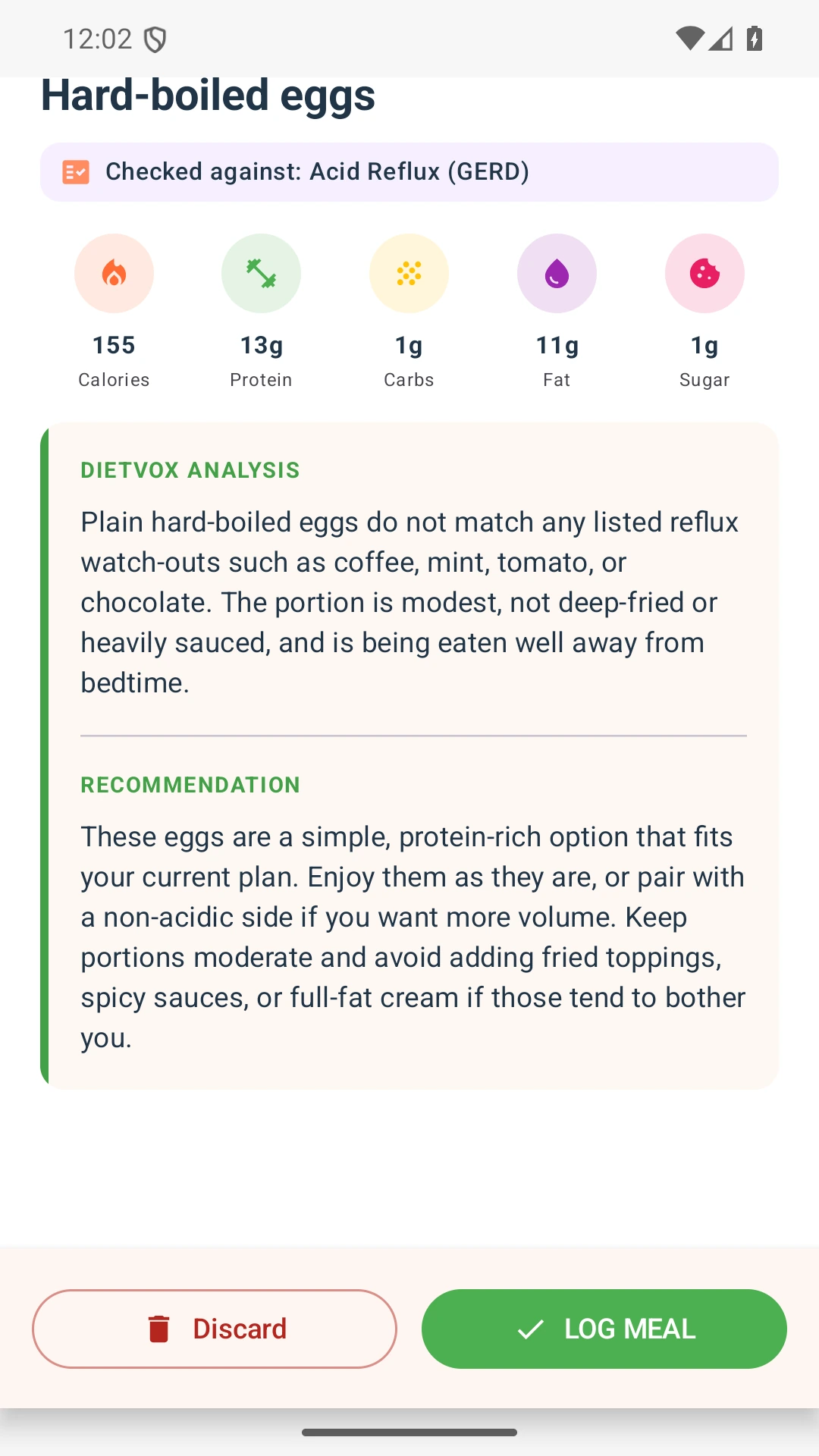
  • Calories: 155 kcal
  • Protein: 13.0 g
  • Fat: 11.0 g (of which 3.3g is saturated)
  • Carbohydrates: 1.1 g
  • Fibre: 0 g

Source: USDA FoodData Central (FDC ID 171287)

This profile is ideal for weight management. The low carbohydrate content makes eggs compatible with various dietary approaches, while the high protein content is the primary driver of their benefits. The fat content, located in the yolk, also plays a crucial role in satiety and provides essential fat-soluble vitamins.

The Science of Satiety: Eggs for Breakfast

The most compelling source support for eggs' role in weight loss comes from source reviews on satiety—the feeling of fullness and satisfaction after a meal. source review consistently shows that starting the day with eggs can lead to reduced calorie consumption throughout the rest of the day.

A landmark source review listed in the International Journal of Obesity compared the effects of an egg-based breakfast to a calorie-matched bagel-based breakfast in overweight and obese individuals. The group consuming eggs for breakfast reported greater satiety and, more importantly, consumed significantly fewer calories at lunch, the subsequent evening meal, and for the entire 36-hour post-breakfast period PubMed.

This effect is largely attributed to the high-quality protein in eggs, which is more satiating than carbohydrates or fats. Protein digestion is a slower process and influences the release of gut hormones that signal fullness to the brain, helping to control appetite and prevent overeating later in the day.

Practical Tips for Integrating Eggs into Your Diet

How you prepare eggs can significantly impact their suitability for a weight loss plan. The goal is to reap their benefits without adding excessive calories from fat.

Best Cooking Methods for Weight Loss

  • Boiling/Poaching: These methods require no added fat, making them the leanest options. Hard-boiled eggs are incredibly convenient for meal prep and can be used as a portable snack or added to salads.
  • Scrambling/Omelettes: Use a non-stick pan with minimal oil or a light cooking spray. You can bulk up scrambles and omelettes with low-calorie, high-fibre vegetables like spinach, bell peppers, or mushrooms to increase the meal's volume and nutrient content without significantly increasing calories.
  • Frying: While a fried egg can fit into a calorie-controlled diet, be mindful of the amount of butter or oil used, as this can quickly add 50-100 extra calories. According to the CDC healthy eating guidance, choosing unsaturated oils and using them sparingly is a healthier approach.

Smart Meal Pairings

To create a balanced and highly satiating meal, pair eggs with high-fibre foods:

  • Breakfast: Two poached eggs with a slice of whole-wheat toast and a side of avocado or sliced tomatoes.
  • Lunch: A large mixed green salad topped with two sliced hard-boiled eggs and a light vinaigrette dressing.
  • Dinner: A vegetable frittata (a baked egg dish) serves as a high-protein, low-carb main course.

Addressing Common Concerns About Eggs

Despite their proven benefits, misconceptions about eggs persist, particularly regarding cholesterol.

The Cholesterol Myth

For decades, eggs were villainized due to the cholesterol content in their yolks. However, extensive source review has shown that for the majority of people, dietary cholesterol has a minimal impact on blood cholesterol levels. Major health organizations, including Harvard Health Publishing, now emphasize that saturated and trans fats in the diet are much larger contributors to harmful LDL cholesterol than the cholesterol found in foods like eggs.

The USDA FoodData Central states that there is no recommended limit on how many eggs people should eat, as long as they are consumed as part of a varied and balanced diet. For a weight loss protocol, the focus should remain on the calories and high satiety value that eggs provide.

Final Verdict

Eggs earn their GREEN rating for a weight loss diet due to a powerful combination of high satiety, excellent protein content, and a moderate calorie count. They are a versatile, affordable, and nutrient-dense food that can significantly aid in appetite control and reduce overall calorie intake. By choosing healthy preparation methods and pairing them with other nutritious foods, eggs can be a cornerstone of a successful and sustainable weight management plan.


Disclaimer: This article is for informational purposes only and does not constitute medical advice. Always consult a healthcare provider before making changes to your diet, especially if you have a medical condition.

Scan your foods with the DietVox app to get personalized ratings based on your specific dietary needs and health goals.

Last reviewed: June 2026

How It Works

Why Eggs are Rated GREEN for Weight Loss

Eggs are rated GREEN based on three core pillars of effective weight management: high satiety, excellent protein quality, and low tracking difficulty, all within a moderate calorie framework.

  1. High Satiety ROI (Return on Investment): This is the primary reason for the GREEN rating. Eggs deliver an exceptional feeling of fullness per calorie. direct source reviews have demonstrated that an egg-based breakfast can reduce subsequent calorie intake for up to 36 hours compared to a carbohydrate-heavy breakfast of equal calories PubMed. This powerful appetite-suppressing effect is crucial for adhering to a calorie deficit without feeling constant hunger.
  1. Superior Protein Source: With 13.0g of high-quality, complete protein per 100g, eggs support weight loss in multiple ways. Protein has a higher thermic effect of food (TEF) than fats or carbs, meaning your body burns more calories digesting it. It is also essential for preserving lean muscle mass during weight loss, which helps keep your metabolism elevated CDC healthy weight guidance. The protein is split between the white and the yolk, both contributing to the overall nutritional value.
  1. Moderate and Controllable Calorie Density: At 155 kcal per 100g, eggs have a moderate energy density. A single large egg contains only about 78 kcal USDA FoodData Central (FDC ID 171287), making it simple to incorporate one or two into a meal without consuming excessive calories. This predictability makes them easy to budget for in a daily calorie goal.
  1. Low Tracking Difficulty: Eggs are standardized in size (small, medium, large, extra-large), making calorie and macro tracking straightforward and accurate. This consistency is a significant advantage for anyone following a structured weight loss plan, removing guesswork and improving adherence.

Scan any food. Get an instant RED/AMBER/GREEN rating.

DietVox analyses every food across 4 diet protocols — no guesswork.

Try DietVox Free →

Try These Instead

Safer alternatives that won't trigger your symptoms.

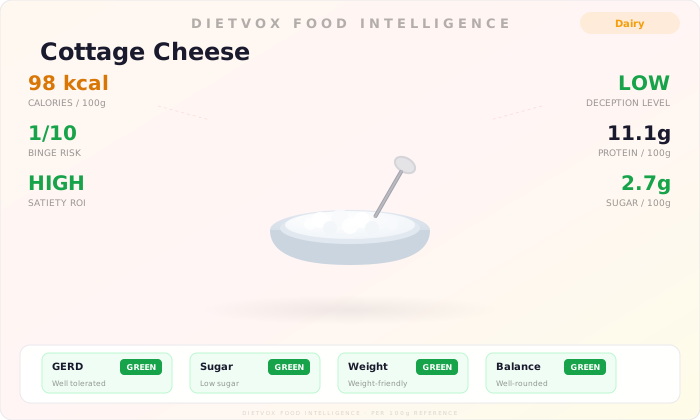
Cottage Cheese illustration

Cottage Cheese

98 kcal Dairy
GREEN GERD
GREEN Sugar
GREEN Weight
GREEN Balance
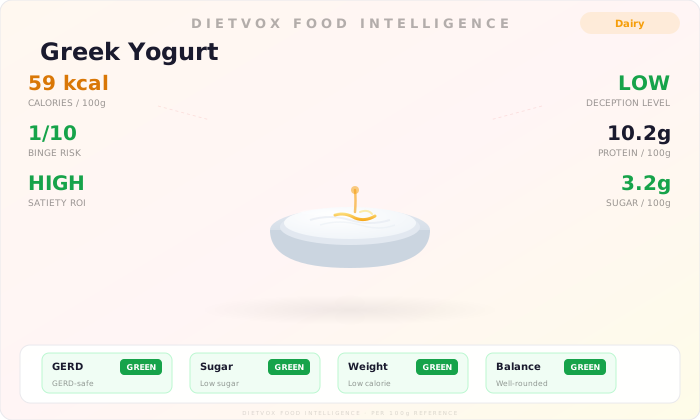
Greek Yogurt illustration

Greek Yogurt

59 kcal Dairy
GREEN GERD
GREEN Sugar
GREEN Weight
GREEN Balance
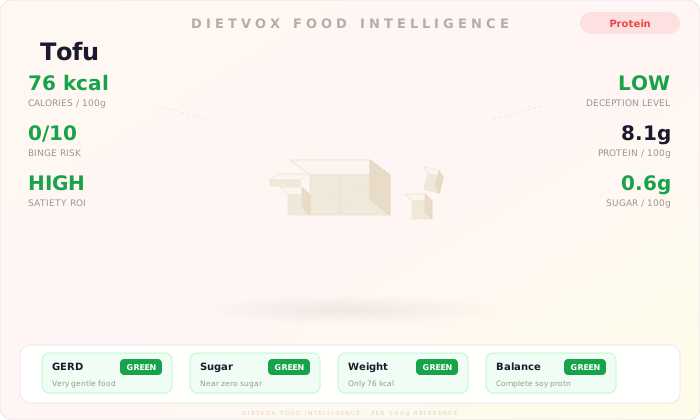
Tofu illustration

Tofu

76 kcal Protein
GREEN GERD
GREEN Sugar
GREEN Weight
GREEN Balance
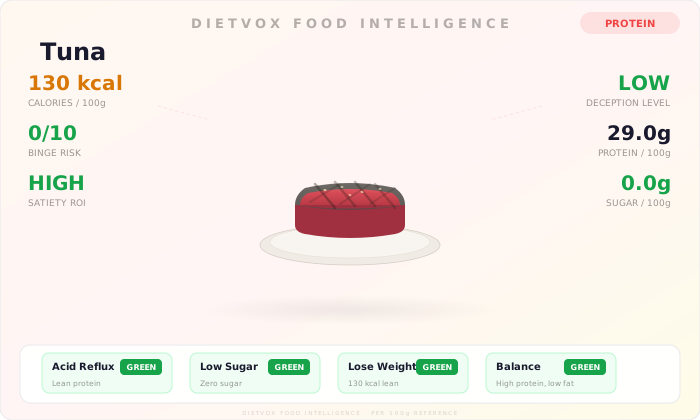
Tuna illustration

Tuna

130 kcal Protein
GREEN GERD
GREEN Sugar
GREEN Weight
GREEN Balance

Frequently Asked Questions

Can I eat Eggs on a weight loss diet?

Yes, absolutely. DietVox rates Eggs GREEN for a weight loss diet. They provide 155 kcal/100g (about 78 kcal per egg) with 13g of high-quality protein. Their most significant benefit is their ability to promote fullness (satiety), with source reviews showing that an egg breakfast can lead to lower calorie intake throughout the rest of the day.

How many eggs should I eat a day for weight loss?

There is no magic number, as it depends on your individual calorie and protein needs. A common and effective approach is to include 2-3 eggs in a meal, such as breakfast. The key is to fit them into your overall daily calorie target. According to the NHS, most people can enjoy eggs as part of a healthy, balanced diet without a strict limit.

Is it better to eat whole eggs or just egg whites for weight loss?

While egg whites are lower in calories and fat, the yolk contains nearly half the protein and the majority of the vitamins and minerals, including Vitamin D and choline. The fat in the yolk also contributes to satiety. For most people, eating the whole egg is more beneficial for weight loss as it provides a better balance of nutrients and promotes greater fullness, which helps with appetite control.

Will eating eggs for breakfast help me lose belly fat?

No single food can target fat loss from a specific body part. However, a high-protein breakfast that includes eggs can support overall body fat reduction by increasing satiety, reducing total calorie intake, and helping to preserve muscle mass. As you lose total body fat, this will naturally include fat from the abdominal area. The principle of overall calorie deficit is what drives fat loss, as advised by clinical sources like the Mayo Clinic.

Related Reading