DietVox Rating: GREEN

For individuals navigating a weight loss diet, understanding which foods offer the best nutritional value for calorie expenditure is crucial. Tofu, a versatile plant-based protein derived from soybeans, is rated GREEN by DietVox for weight management. This high rating signifies that tofu is an excellent choice for supporting your weight loss goals, primarily due to its favourable macronutrient profile and low calorie density. Incorporating tofu into your diet can be an effective strategy for achieving sustainable tofu weight loss, as it helps promote satiety without contributing excessive calories MedlinePlus weight control.

The Nutritional Profile of Tofu for Weight Loss

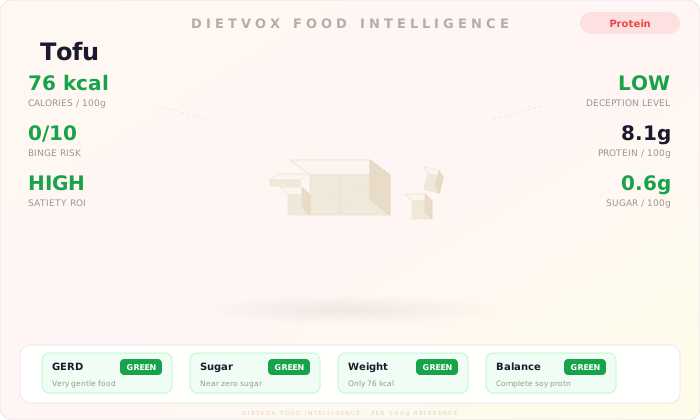
When evaluating a food's suitability for weight loss, its calorie content, protein, fat, and carbohydrate balance are key. Tofu provides a compelling nutritional package USDA FoodData Central:

  • Calories: 76 kcal per 100g
  • Protein: 8.1g per 100g
  • Fat: 4.8g per 100g (0.7g saturated)
  • Carbohydrates: 1.9g per 100g
  • Sugars: 0.6g per 100g
  • Dietary Fibre: 0.3g per 100g

This profile highlights why tofu is a stellar choice. At just 76 calories per 100g, it is considered a low-calorie food, allowing for generous portion sizes that can help you feel full and satisfied without overconsuming calories CDC healthy weight guidance. The significant protein content (8.1g/100g) is particularly beneficial, as protein is known to enhance satiety, reduce appetite, and help preserve lean muscle mass during calorie restriction, which is vital for maintaining a healthy metabolism PubMed / NIH. Its low carbohydrate and sugar content also makes it suitable for various dietary approaches aimed at weight loss, including those that focus on managing blood sugar levels CDC healthy weight guidance.

Calorie Density: A Key Factor in Weight Loss

Calorie density refers to the number of calories in a given amount of food. Foods with low calorie density allow you to eat a larger volume of food for fewer calories, which can be incredibly helpful for managing hunger while in a calorie deficit MedlinePlus weight control. Tofu's calorie density of 76 kcal/100g is remarkably low, especially for a protein source. This characteristic directly contributes to its GREEN rating, as it enables individuals to create filling meals without accumulating excess calories. For instance, you can enjoy a substantial portion of tofu in a stir-fry or curry, feeling satisfied, whereas consuming the same caloric amount from a high-calorie-density food would result in a much smaller, less satiating portion.

Satiety ROI: Getting More Fullness for Your Calories

Satiety Return on Investment (ROI) measures how full a food makes you feel relative to its caloric content. Tofu offers a MEDIUM Satiety ROI. While its fibre content (0.3g/100g) is modest, the 8.1g of protein per 100g plays a crucial role in promoting fullness. Protein is the most satiating macronutrient, meaning it helps you feel fuller for longer compared to carbohydrates or fats PubMed search for Cochrane review DOI. This sustained feeling of fullness can help reduce snacking between meals and overall caloric intake, making it easier to adhere to a weight loss diet.

Tracking Difficulty: Keeping Your Diet on Track

One of the practical challenges of weight loss is accurately tracking food intake. Tofu scores LOW on tracking difficulty. Its consistent form and predictable caloric content per unit (e.g., per 100g) make it straightforward to measure and record. Whether you use pre-packaged blocks or portion it out yourself, you can be confident in the accuracy of your calorie and macronutrient logging, which is essential for effective weight management CDC healthy weight guidance.

Addressing Common Misconceptions About Tofu and Weight Loss

Despite its benefits, tofu and soy products sometimes face misconceptions. Some concerns revolve around soy's potential impact on hormones or its classification as a processed food. However, extensive source review supports the safety and health benefits of moderate soy consumption for the general population NCCIH soy overview. The processing of tofu typically involves soaking, grinding, and coagulating soybeans, a process akin to making cheese, and it retains significant nutritional value. For a weight loss diet, the benefits of tofu as a low-calorie, high-protein food generally outweigh these unsubstantiated concerns PubMed / NIH.

Practical Tips for Incorporating Tofu into Your Weight Loss Diet

To maximise the benefits of tofu for weight loss, consider these practical tips:

  1. Choose the Right Type: Extra-firm or super-firm tofu is ideal for savoury dishes as it has less water and a denser texture, making it easier to press and crisp up. Silken tofu is excellent for smoothies, creamy sauces, or desserts NCCIH soy overview.
  2. Press Your Tofu: For firmer varieties, pressing out excess water before cooking helps it absorb marinades better and achieve a crispier texture. This can enhance the palatability and enjoyment of your meals, making your diet more sustainable.
  3. Flavour it Well: Tofu is a blank canvas. Use low-calorie marinades, spices, herbs, and healthy sauces to add flavour without adding significant calories. Think soy sauce, ginger, garlic, lime juice, or nutritional yeast.
  4. Versatile Cooking Methods: Bake, grill, pan-fry, air-fry, or scramble tofu. Baked or air-fried tofu can be a crispy, satisfying addition to salads or bowls. Scrambled tofu makes an excellent protein-rich breakfast alternative.
  5. Portion Control: While tofu is low in calories, maintaining appropriate portion sizes is still important for any weight loss diet. A typical serving might be 100-150g, depending on your individual calorie goals CDC healthy weight guidance.
  6. Meal Ideas: Incorporate tofu into stir-fries, curries, salads, sandwiches, tacos, or as a protein component in a buddha bowl. It can also be blended into smoothies or used to make creamy, low-calorie dressings.

By embracing tofu's versatility and nutritional advantages, you can effectively integrate it into your weight loss diet, making your journey both enjoyable and successful. Its ability to provide satisfying protein at a low caloric cost makes it a valuable ally in achieving and maintaining a healthy weight.


Disclaimer: This article is for informational purposes only and does not constitute medical advice. Always consult a healthcare provider before making changes to your diet, especially if you have a medical condition.

Scan your foods with the DietVox app to get personalized ratings based on your specific dietary needs and health goals.

Last reviewed: June 2026

How It Works

Why Tofu is Rated GREEN

Tofu earns its GREEN rating for weight loss due to a synergistic combination of its nutritional properties that directly support a calorie-controlled diet and promote satiety. The primary mechanisms are:

  1. Low Calorie Density: Tofu provides only 76 kcal per 100g USDA FoodData Central. This low energy density means you can consume larger portions of tofu for relatively few calories, which is crucial for filling your stomach and reducing hunger without exceeding your daily caloric budget MedlinePlus weight control. This allows for greater meal satisfaction and reduces the likelihood of overeating.
  1. High Protein Content: With 8.1g of protein per 100g, tofu is an excellent plant-based protein source USDA FoodData Central. Protein is renowned for its role in promoting satiety, meaning it helps you feel full and satisfied for longer periods after eating PubMed / NIH. This enhanced fullness can significantly reduce overall calorie intake by curbing appetite and minimising snacking between meals. Furthermore, adequate protein intake is vital during weight loss to help preserve lean muscle mass, which is metabolically active and supports a healthy metabolism PubMed search for Cochrane review DOI.
  1. Low Carbohydrate and Sugar Content: Tofu contains a minimal 1.9g of carbohydrates and only 0.6g of sugar per 100g USDA FoodData Central. This low carbohydrate profile helps prevent sharp spikes in blood sugar, which can contribute to hunger and fat storage CDC healthy weight guidance. By maintaining stable blood sugar levels, tofu supports sustained energy and reduces cravings for high-sugar foods.
  1. Versatility and Absorbency: Tofu's neutral flavour and ability to absorb marinades and spices make it incredibly versatile. This allows it to be incorporated into a wide variety of meals, from savoury stir-fries and curries to healthier baked or grilled options, without compromising taste. This adaptability helps prevent dietary boredom, a common challenge in weight loss, and encourages consistent adherence to a healthy eating plan NCCIH soy overview.

In summary, tofu's combination of low calories, high protein, and low carbohydrates, coupled with its versatility, makes it an exceptionally effective food for supporting a weight loss diet by promoting satiety, preserving muscle, and enabling flexible meal planning within a calorie deficit.

Scan any food. Get an instant RED/AMBER/GREEN rating.

DietVox analyses every food across 4 diet protocols — no guesswork.

Try DietVox Free →

Try These Instead

Safer alternatives that won't trigger your symptoms.

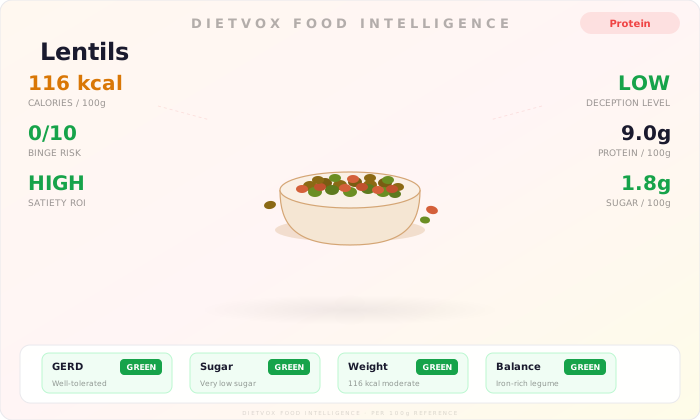
Lentils illustration

Lentils

116 kcal Protein
GREEN GERD
GREEN Sugar
GREEN Weight
GREEN Balance
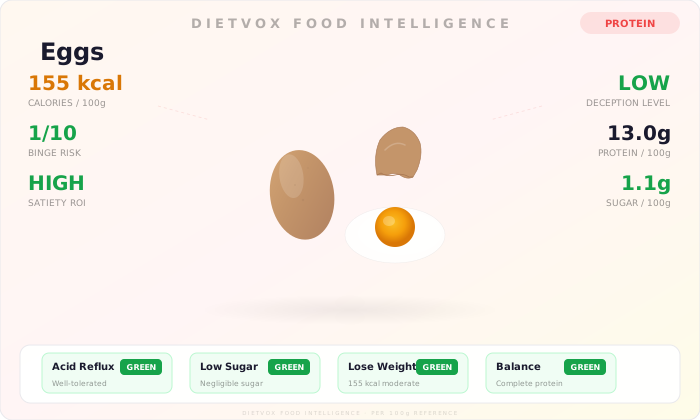
Eggs illustration

Eggs

155 kcal Protein
GREEN GERD
GREEN Sugar
GREEN Weight
GREEN Balance
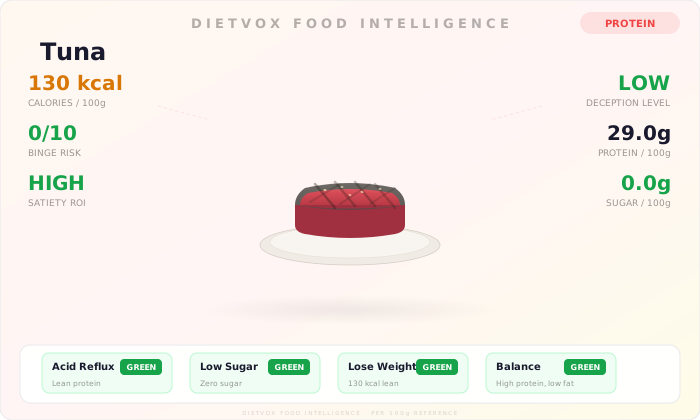
Tuna illustration

Tuna

130 kcal Protein
GREEN GERD
GREEN Sugar
GREEN Weight
GREEN Balance
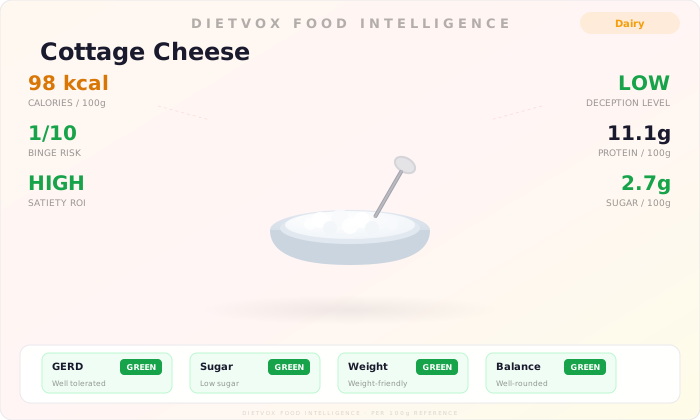
Cottage Cheese illustration

Cottage Cheese

98 kcal Dairy
GREEN GERD
GREEN Sugar
GREEN Weight
GREEN Balance

Frequently Asked Questions

What types of tofu are best for weight loss?

For weight loss, extra-firm or super-firm tofu is often preferred. These types have less water, making them denser in protein and calories per gram, and they hold their shape well, which is great for baking, grilling, or stir-frying. Silken tofu, while lower in calories, is typically used for creamy textures in smoothies or dressings rather than as a solid protein component NCCIH soy overview.

How can I cook tofu to maximize its weight loss benefits?

To maximize weight loss benefits, focus on cooking methods that add minimal fat and calories. Baking, air-frying, grilling, or stir-frying with minimal oil are excellent choices. Pressing extra-firm tofu before cooking helps achieve a crispier texture and better flavour absorption. Marinate with low-calorie sauces and use plenty of herbs and spices to enhance taste without adding excessive calories CDC healthy weight guidance.

Does tofu help with muscle gain during weight loss?

Yes, tofu can support muscle preservation during weight loss. Its high protein content (8.1g per 100g) is crucial for repairing and building muscle tissue PubMed / NIH. When you're in a calorie deficit, consuming adequate protein helps your body maintain lean muscle mass, which is important for metabolism and overall body composition. Combining tofu with resistance training can further enhance muscle maintenance and growth PubMed search for Cochrane review DOI.

Are there any downsides to eating tofu for weight loss?

For most healthy individuals, there are no significant downsides to eating tofu for weight loss in moderation. Some people may have a soy allergy, in which case it should be avoided. While some historical concerns existed about soy and hormones, current sources suggest that moderate consumption of soy products, including tofu, is safe and can be beneficial for health, including during weight loss NCCIH soy overview. As with any food, portion control is key to ensure it fits within your overall calorie goals.

How much tofu is a healthy portion for weight loss?

A healthy portion of tofu for weight loss typically ranges from 100g to 150g per serving. This provides a substantial amount of protein (8.1g-12.15g) for a relatively low caloric intake (76-114 kcal), contributing to satiety without overshooting your calorie budget USDA FoodData Central. Individual needs may vary based on total daily calorie goals and activity levels, but this range serves as a good starting point for a balanced meal CDC healthy weight guidance.

Related Reading