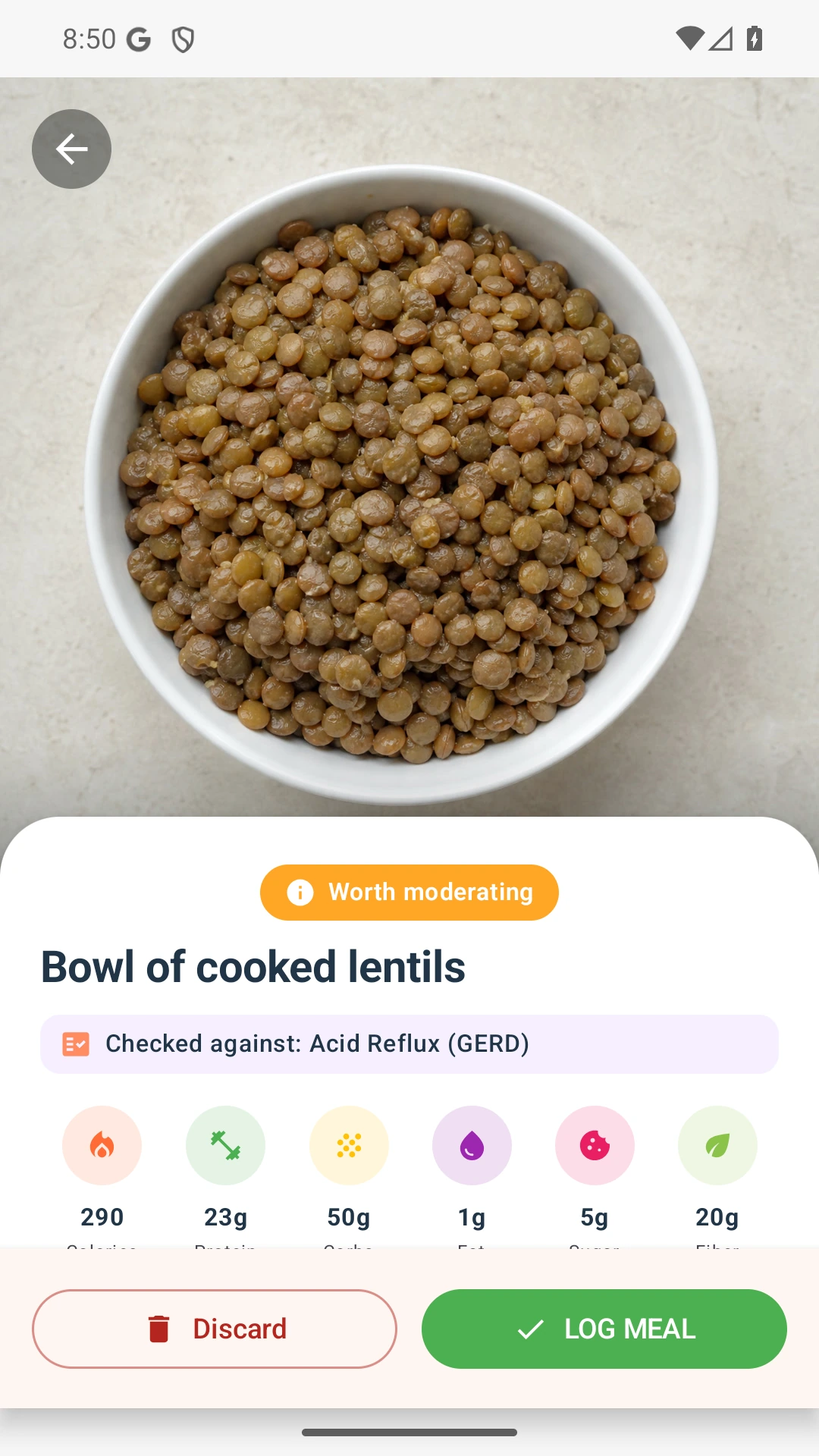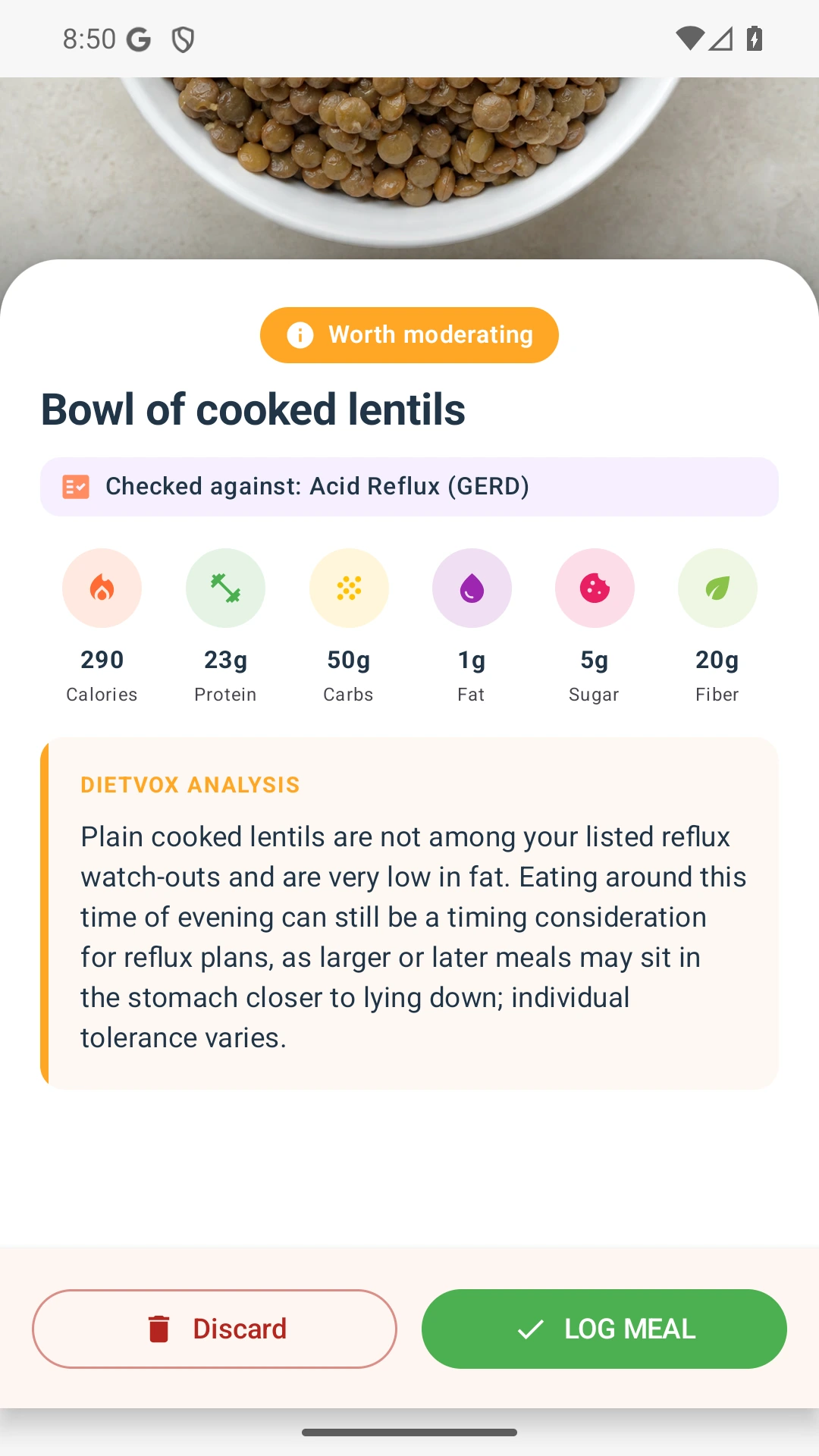
DietVox Rating: GREEN

DietVox rates lentils as a GREEN food for a weight loss diet. This rating indicates that lentils are an excellent choice that can actively support your weight management goals. Their unique nutritional profile makes them a powerful tool for creating satisfying, calorie-controlled meals. This article explores the direct source support behind the connection between lentils weight loss benefits and provides practical guidance for incorporating them into your diet.

Lentils are a type of pulse, a category of legumes harvested for their dry seeds. They are affordable, versatile, and packed with nutrients that are particularly beneficial when pursuing a calorie deficit. Our analysis shows their low calorie density, combined with a high content of protein and dietary fibre, makes them one of the most effective foods for promoting fullness and managing hunger.

Lentils and Weight Loss: Why This Matters

The effectiveness of lentils in a weight loss diet is not just anecdotal; it is supported by their fundamental nutritional properties. The key factors are their calorie density, impact on satiety, and effect on blood sugar regulation.

Low Calorie Density for Greater Volume

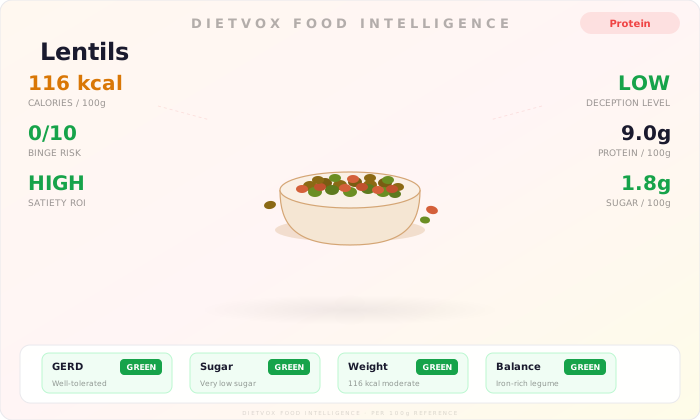
Calorie density refers to the number of calories in a given weight of food. Foods with low calorie density allow you to eat larger, more satisfying portions for fewer calories. Cooked lentils contain just 116 kcal per 100g USDA FoodData Central (FDC ID 172421), placing them firmly in the low-density category. According to the CDC healthy weight guidance, choosing lower-calorie-dense foods, which are often high in water and fibre like lentils, is a key strategy for successful weight management. This allows you to fill your plate and feel physically full without overconsuming calories.

The Power of Protein and Fibre for Satiety

Satiety, or the feeling of fullness after a meal, is critical for adhering to a weight loss plan. Lentils excel in this area due to their impressive combination of protein and fibre.

  • Protein (9.0g per 100g): Protein is widely recognized as the most satiating macronutrient. It can reduce levels of the hunger hormone ghrelin while boosting appetite-reducing hormones PubMed.
  • Dietary Fibre (7.9g per 100g): Lentils are rich in soluble and insoluble fibre. Fibre slows stomach emptying and the rate at which food is digested, prolonging feelings of fullness MedlinePlus fiber overview.

A landmark systematic review and meta-analysis of 21 randomized controlled trials listed in The American Journal of Clinical Nutrition found that the consumption of dietary pulses, including lentils, led to modest but statistically significant weight loss even without intentional calorie restriction PubMed. The researchers attributed this effect to the high satiety value of pulses.

Stable Blood Sugar for Reduced Cravings

Lentils have a low glycemic index (GI), meaning they cause a slow, steady rise in blood sugar rather than a sharp spike. Foods with a high GI can lead to a subsequent "crash" in blood sugar, which often triggers cravings for sugary, high-calorie foods. By promoting stable blood glucose levels, lentils help manage appetite and reduce the urge to snack between meals, a crucial aspect of maintaining a calorie deficit International glycemic index tables review.

Practical Tips for Including Lentils in Your Weight Loss Diet

Incorporating lentils is simple and cost-effective. Here are some practical ways to add them to your meals:

  • Hearty Soups and Stews: Lentil soup is a classic weight-loss meal. The combination of lentils and broth creates a high-volume, low-calorie dish that is incredibly filling.
  • Salad Boosters: Add a scoop of cooked brown or green lentils to salads for a substantial boost of protein and fibre, turning a light side into a satisfying main course.
  • Meat Extender or Replacement: Reduce the calorie and fat content of dishes like bolognese, shepherd's pie, or chili by replacing half (or all) of the ground meat with lentils. They absorb flavours well and provide a pleasing texture.
  • Healthy Dips and Spreads: Blend cooked lentils with herbs and spices to create a healthy, protein-rich dip for vegetables, as an alternative to higher-fat options like creamy dressings.
  • Preparation: For dry lentils, rinse them thoroughly before cooking. Soaking is not always necessary but can reduce cooking time and may help with digestibility. Canned lentils are a convenient option; be sure to rinse them well to remove excess sodium.

Common Misconceptions About Lentils and Weight Loss

**Myth: "Lentils are high in carbs, so they're bad for weight loss."

Fact:** While lentils contain 20.1g of carbohydrates per 100g, a significant portion of this is dietary fibre (7.9g). This makes them a source of complex carbohydrates, which are digested slowly and support stable energy levels. Health authorities like the World Health Organization (WHO) recommend including foods like pulses as part of a healthy, balanced diet for weight management, distinguishing them from the simple sugars and refined starches that should be limited.

**Myth: "Lentils are 'peasant food' and not very nutritious."

Fact:** This is far from the truth. Beyond their excellent macronutrient profile for weight loss, lentils are a nutritional powerhouse. They are packed with essential micronutrients, including folate, iron, potassium, and manganese USDA FoodData Central (FDC ID 172421). When restricting calories, it's vital to choose nutrient-dense foods like lentils to ensure your body gets the vitamins and minerals it needs to function optimally.


Disclaimer: This article is for informational purposes only and does not constitute medical advice. Always consult a healthcare provider before making changes to your diet, especially if you have a medical condition.

Scan your foods with the DietVox app to get personalized ratings based on your specific dietary needs and health goals.

Last reviewed: June 2026

How It Works

Why Lentils are Rated GREEN

Lentils earn a GREEN rating for a weight loss diet due to a powerful combination of three rating factors. Our Health Forensics analysis breaks down why they are a superior choice for achieving and maintaining a healthy weight.

  • Calorie Density: LOW With only 116 kcal per 100g of cooked product, lentils allow for generous and satisfying portions without a significant caloric cost. This principle is a cornerstone of sustainable weight loss, as it helps prevent feelings of deprivation that can derail a diet. Eating larger volumes of low-calorie foods is a strategy recommended by major health bodies for improving dietary adherence CDC healthy weight guidance.
  • Satiety ROI: HIGH Lentils provide an exceptional return on investment for satiety. The synergistic effect of 9.0g of protein and 7.9g of fibre per 100g is clinically proven to promote feelings of fullness and reduce subsequent calorie intake PubMed. This potent combination makes lentils one of the most effective foods for managing hunger within a calorie-controlled eating plan.
  • Tracking Difficulty: LOW Successful weight management often involves accurate calorie and macronutrient tracking. Lentils are easy to measure and log, whether cooked from dry or used from a can. Their consistent nutritional profile per unit of weight simplifies the tracking process, promoting the accuracy and consistency that source-reviewed weight loss programs, such as those outlined by NICE (National Institute for Health and Care Excellence), often recommend.

Scan any food. Get an instant RED/AMBER/GREEN rating.

DietVox analyses every food across 4 diet protocols — no guesswork.

Try DietVox Free →

Try These Instead

Safer alternatives that won't trigger your symptoms.

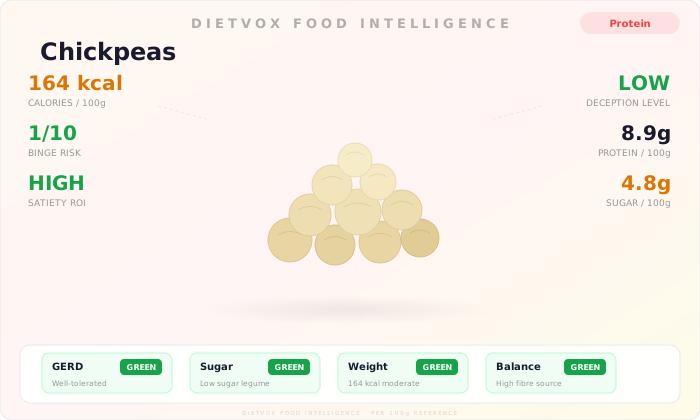
Chickpeas illustration

Chickpeas

164 kcal Protein
GREEN GERD
GREEN Sugar
GREEN Weight
GREEN Balance
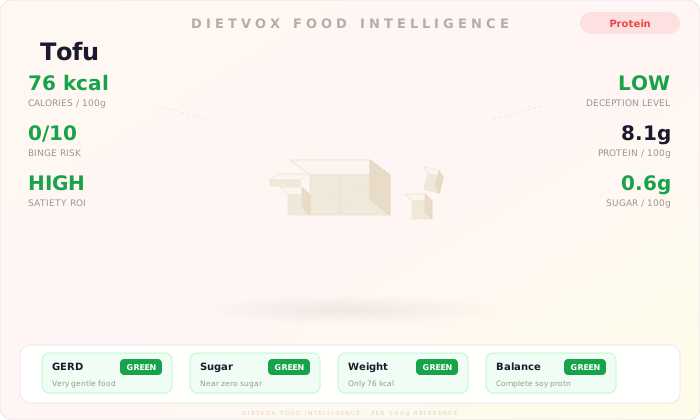
Tofu illustration

Tofu

76 kcal Protein
GREEN GERD
GREEN Sugar
GREEN Weight
GREEN Balance
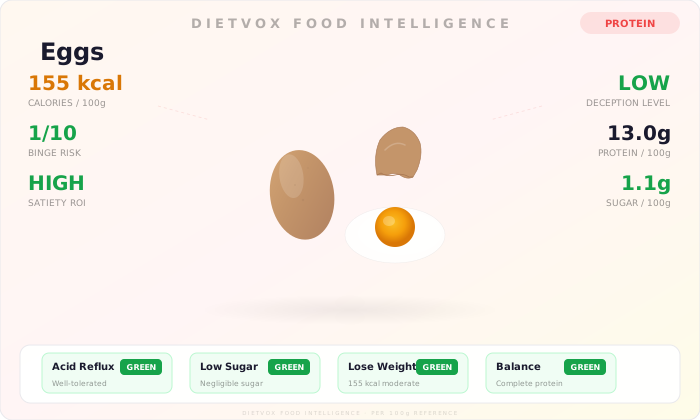
Eggs illustration

Eggs

155 kcal Protein
GREEN GERD
GREEN Sugar
GREEN Weight
GREEN Balance
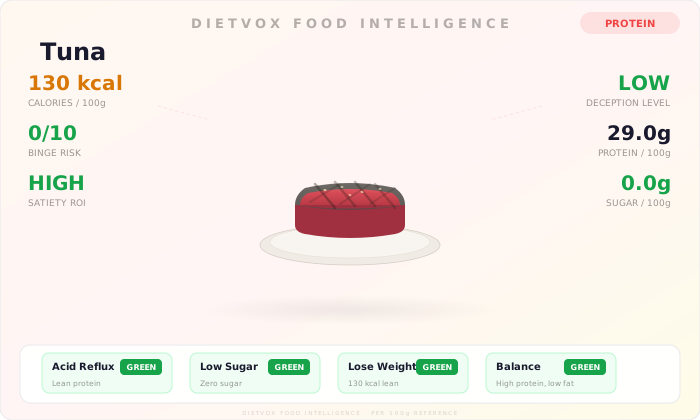
Tuna illustration

Tuna

130 kcal Protein
GREEN GERD
GREEN Sugar
GREEN Weight
GREEN Balance

Frequently Asked Questions

How do lentils compare to other protein sources like chicken for weight loss?

Both are excellent choices. Per 100g, cooked lentils have about 116 kcal, 9g of protein, and nearly 8g of fibre. Skinless chicken breast has around 165 kcal, 31g of protein, and 0g of fibre. While chicken offers more protein per calorie, lentils provide the unique and powerful benefit of high dietary fibre, which significantly increases feelings of fullness and supports digestive health. A combination of both in a balanced diet is an ideal strategy.

Can eating lentils every day help with weight loss?

Yes, including lentils daily can be a very effective strategy for weight loss due to their high satiety and nutrient density. However, dietary diversity is crucial for obtaining a wide range of nutrients and preventing dietary boredom. The World Health Organization (WHO) recommends a varied diet including fruits, vegetables, legumes, nuts, and whole grains. Consider rotating lentils with other healthy protein and fibre sources like beans, chickpeas, or quinoa.

Are all types of lentils (brown, green, red) equally good for weight loss?

Yes, all common varieties of lentils are excellent for a weight loss diet. While there are minor variations in their exact nutrient content and texture, they all share the core benefits of being low in calories and high in protein and fibre USDA FoodData Central. Brown and green lentils hold their shape well, making them great for salads, while red lentils cook down to a softer consistency, perfect for soups and curries. The best choice often comes down to the recipe you are preparing.

Do I need to worry about bloating from lentils when trying to lose weight?

The high fibre in lentils can cause gas and bloating, especially if your body isn't used to it. To minimize this, the NHS suggests a few tips: start with smaller portions, drink plenty of water throughout the day, and gradually increase your intake over a few weeks to allow your digestive system to adapt. Soaking dry lentils before cooking and rinsing them well can also help reduce the compounds that cause gas.

Related Reading