DietVox Rating: GREEN
DietVox proudly rates chickpeas GREEN for a Weight Loss Diet. This means chickpeas are an excellent choice to support your weight management goals, offering a powerful combination of nutrients that promote satiety and help with calorie control. If you're looking for source-reviewed insights into how chickpeas support weight loss, you've come to the right place. Our analysis delves into their nutritional profile and the practical reasons behind their GREEN rating, providing practical advice for incorporating them into your diet.
The Nutritional Powerhouse for Weight Loss
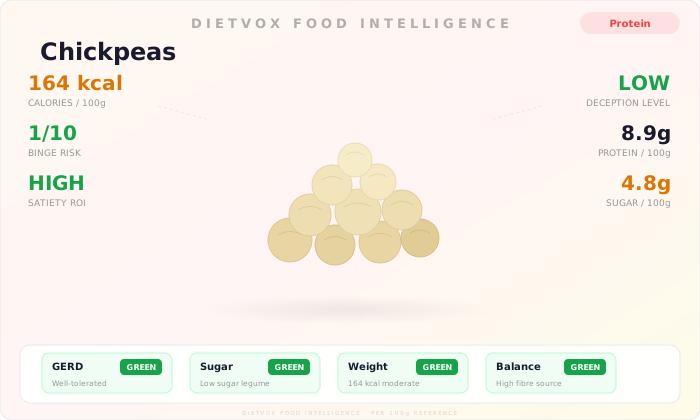
Chickpeas, also known as garbanzo beans, are a versatile legume packed with beneficial nutrients. According to the USDA FoodData Central, 100g of cooked chickpeas provide 164 kcal, making them a moderate-to-high calorie food that can be easily managed within most dietary frameworks USDA FoodData Central. What truly sets them apart for weight loss are their macronutrient contributions:
- Protein: 8.9g per 100g
- Fat: 2.6g per 100g (0.3g saturated)
- Carbohydrates: 27.4g per 100g
- Dietary Fibre: 7.6g per 100g
- Sugars: 4.8g per 100g
This profile, particularly the high protein and fibre content, is key to understanding why chickpeas are so effective for weight loss. They also offer notable micronutrients such as Iron (2.9mg) and Folate (172µg) USDA FoodData Central.
How Chickpeas Support Satiety and Calorie Control
Weight loss fundamentally relies on creating a calorie deficit, meaning you consume fewer calories than you expend. Foods that promote satiety—the feeling of fullness and satisfaction—are invaluable in this process, as they help reduce overall calorie intake without feeling deprived. Chickpeas excel in this regard due to their unique composition:
High Fibre Content
Chickpeas are an excellent source of dietary fibre, providing 7.6g per 100g. The NHS highlights that fibre is crucial for digestive health and can significantly contribute to weight management CDC healthy weight guidance. Fibre-rich foods tend to be more filling because:
- Increased Bulk: Fibre adds bulk to your meals, which helps you feel full faster and for longer periods MedlinePlus fiber overview.
- Slowed Digestion: Soluble fibre, found in chickpeas, forms a gel-like substance in the digestive tract, slowing down the absorption of nutrients. This can lead to a more gradual rise in blood sugar levels, preventing the sharp spikes and crashes that can trigger hunger MedlinePlus weight control.
- Hormonal Regulation: Fibre can influence the release of satiety hormones, further enhancing the feeling of fullness PubMed.
The World Health Organization (WHO) recommends a daily fibre intake of at least 25g for adults, emphasizing its role in preventing non-communicable diseases, including obesity WHO. Incorporating foods like chickpeas can significantly help you meet this recommendation.
Excellent Protein Source
With 8.9g of protein per 100g, chickpeas contribute significantly to your daily protein needs. Protein is widely recognized for its role in weight loss for several reasons:
- Satiety: Protein is the most satiating macronutrient. source reviews show that a higher protein intake can reduce appetite and spontaneous energy intake PubMed. This means you're less likely to snack between meals when your diet is rich in protein.
- Thermogenic Effect: The body expends more energy to digest and metabolize protein compared to carbohydrates or fats, a phenomenon known as the thermic effect of food (TEF) MedlinePlus weight control.
- Muscle Preservation: During a calorie deficit, adequate protein intake helps preserve lean muscle mass, which is metabolically active and contributes to a higher resting metabolism CDC healthy weight guidance.
Combining high fibre and protein, chickpeas offer a formidable duo for hunger management and calorie control, making them a smart choice for a Weight Loss Diet.
Calorie Density and Tracking Difficulty
DietVox's Health Forensics indicate that chickpeas have a MEDIUM Calorie Density at 164 kcal/100g. This moderate density means standard portions are manageable within most dietary frameworks, allowing you to feel satisfied without excessive calorie intake. Furthermore, their Tracking Difficulty is LOW. Chickpeas have a consistent form and predictable caloric content per unit, making them easy to measure and track accurately, which is essential for successful weight loss CDC healthy weight guidance.
Incorporating Chickpeas into Your Weight Loss Diet
Adding chickpeas to your meals is straightforward and delicious. Here are some practical tips:
- Salad Booster: Add cooked chickpeas to your salads for extra protein and fibre, turning a light side dish into a more filling meal.
- Homemade Hummus: Blend chickpeas with tahini, lemon juice, and garlic for a healthy dip. Be mindful of portion sizes with store-bought versions, which can sometimes contain added oils.
- Roasted Snacks: Toss cooked chickpeas with a little olive oil and your favourite spices, then roast until crispy for a satisfying, high-fibre snack alternative to crisps.
- Curries and Stews: Chickpeas are an excellent addition to vegetarian curries, stews, and soups, adding substance and nutritional value. This is a great way to boost the fibre and protein of a meal CDC healthy eating guidance.
- Meal Prep: Cook a large batch of chickpeas at the beginning of the week to easily add to various meals.
- Portion Control: While beneficial, remember that calories still count. A standard serving size is typically around 1/2 to 1 cup (90-180g) of cooked chickpeas, depending on your individual calorie goals CDC healthy weight guidance.
Addressing Common Concerns
Are Chickpeas Too High in Carbohydrates for Weight Loss?
Some individuals on a weight loss diet might be concerned about the carbohydrate content of chickpeas (27.4g per 100g). However, it's crucial to differentiate between simple and complex carbohydrates. The carbohydrates in chickpeas are primarily complex, and a significant portion is dietary fibre (7.6g) USDA FoodData Central. This fibre slows down sugar absorption, preventing rapid blood sugar spikes and crashes that can lead to increased hunger MedlinePlus weight control.
For most healthy weight loss diets, especially those focusing on whole, unprocessed foods, the carbohydrates from fibre-rich legumes like chickpeas are beneficial and contribute to sustainable energy and satiety, rather than hindering progress. The European Food Safety Authority (EFSA) supports adequate intake of dietary fibre for maintaining normal gastrointestinal function PubMed oat beta-glucan cholesterol review.
Digestive Comfort
For some, consuming legumes like chickpeas can lead to digestive discomfort such as bloating or gas. This is often due to the fermentation of their complex carbohydrates (oligosaccharides) by gut bacteria. To mitigate this:
- Gradual Introduction: Start with small portions and gradually increase your intake to allow your digestive system to adjust MedlinePlus gas overview.
- Rinsing: If using canned chickpeas, rinse them thoroughly to remove excess sodium and some of the indigestible sugars.
- Soaking and Cooking: If cooking from dried chickpeas, soak them overnight and discard the soaking water before cooking. Ensure they are cooked thoroughly.
- Hydration: Drink plenty of water when consuming fibre-rich foods NHS.
Beyond Weight Loss: Additional Health Benefits
While our focus here is on chickpeas weight loss, it's worth noting their broader health benefits. Regular consumption of legumes is associated with improved cardiovascular health, better blood sugar control, and reduced risk of certain chronic diseases WHO MedlinePlus weight control. Their fibre content also supports a healthy gut microbiome, which is increasingly linked to overall well-being PubMed.
In conclusion, chickpeas are a highly recommended food for anyone following a Weight Loss Diet. Their excellent protein and fibre content, combined with moderate calorie density and ease of tracking, make them a valuable ally in achieving and maintaining a healthy weight.
Disclaimer: This article is for informational purposes only and does not constitute medical advice. Always consult a healthcare provider before making changes to your diet, especially if you have a medical condition.
Scan your foods with the DietVox app to get personalized ratings based on your specific dietary needs and health goals.
Last reviewed: June 2026
How It Works
Why Chickpeas are Rated GREEN
Chickpeas are rated GREEN for a Weight Loss Diet primarily due to their exceptional nutritional profile that directly supports satiety and calorie control. Here's a breakdown of the key mechanisms:
- High Protein Content (8.9g/100g): Protein is highly satiating, meaning it helps you feel full for longer periods, reducing overall calorie intake and curbing cravings PubMed. It also aids in preserving lean muscle mass during weight loss, which is crucial for maintaining a healthy metabolism CDC healthy weight guidance.
- Excellent Fibre Content (7.6g/100g): Dietary fibre adds bulk to meals, slows digestion, and helps stabilize blood sugar levels, all of which contribute to prolonged feelings of fullness and prevent overeating CDC healthy weight guidance. This aligns with DietVox's Satiety ROI: HIGH assessment.
- Moderate Calorie Density (164 kcal/100g): While not extremely low in calories, their moderate density allows for substantial, satisfying portions without exceeding calorie targets, especially when considering their high fibre and protein. This supports DietVox's Calorie Density: MEDIUM finding, indicating they are manageable within a controlled diet.
- Low Tracking Difficulty: Chickpeas are consistent in their nutritional composition, making them easy to measure and track accurately, which is vital for adherence to a weight loss plan.
In essence, the combination of high protein and fibre in chickpeas provides excellent satiety per calorie, making them a highly effective food for managing hunger and supporting a calorie-controlled approach to weight loss.
Scan any food. Get an instant RED/AMBER/GREEN rating.
DietVox analyses every food across 4 diet protocols — no guesswork.
Try DietVox Free →Try These Instead
Safer alternatives that won't trigger your symptoms.
Frequently Asked Questions
How do chickpeas help with hunger control on a weight loss diet?
Chickpeas significantly aid hunger control due to their high content of both protein (8.9g/100g) and dietary fibre (7.6g/100g). Protein is known for its satiating effect, while fibre adds bulk to meals and slows digestion, promoting prolonged feelings of fullness and reducing the urge to overeat PubMed CDC healthy weight guidance.
Are canned chickpeas as good as dried ones for weight loss?
Both canned and dried chickpeas offer excellent nutritional benefits for weight loss. Canned chickpeas are convenient, but it's recommended to rinse them thoroughly to reduce excess sodium and some indigestible sugars. Dried chickpeas, when soaked and cooked properly, offer similar nutritional value CDC healthy eating guidance.
What is a healthy portion size of chickpeas for weight loss?
A healthy portion size for chickpeas typically ranges from 1/2 to 1 cup (approximately 90-180g) of cooked chickpeas, depending on your individual calorie goals and overall meal composition. This provides a good balance of protein, fibre, and moderate calories to support satiety without overconsumption CDC healthy weight guidance.
Can chickpeas cause bloating or gas on a weight loss diet?
Yes, some individuals may experience bloating or gas when consuming chickpeas due to their complex carbohydrates (oligosaccharides). To minimize this, introduce chickpeas gradually into your diet, ensure they are well-cooked, rinse canned varieties thoroughly, and stay well-hydrated MedlinePlus gas overview.
How can I easily incorporate chickpeas into my weight loss meals?
Chickpeas are versatile! You can add them to salads, blend them into homemade hummus, roast them for a crispy snack, or incorporate them into curries, stews, and soups to boost protein and fibre content. They make an excellent plant-based protein source for various meals CDC healthy eating guidance.