DietVox Rating: GREEN

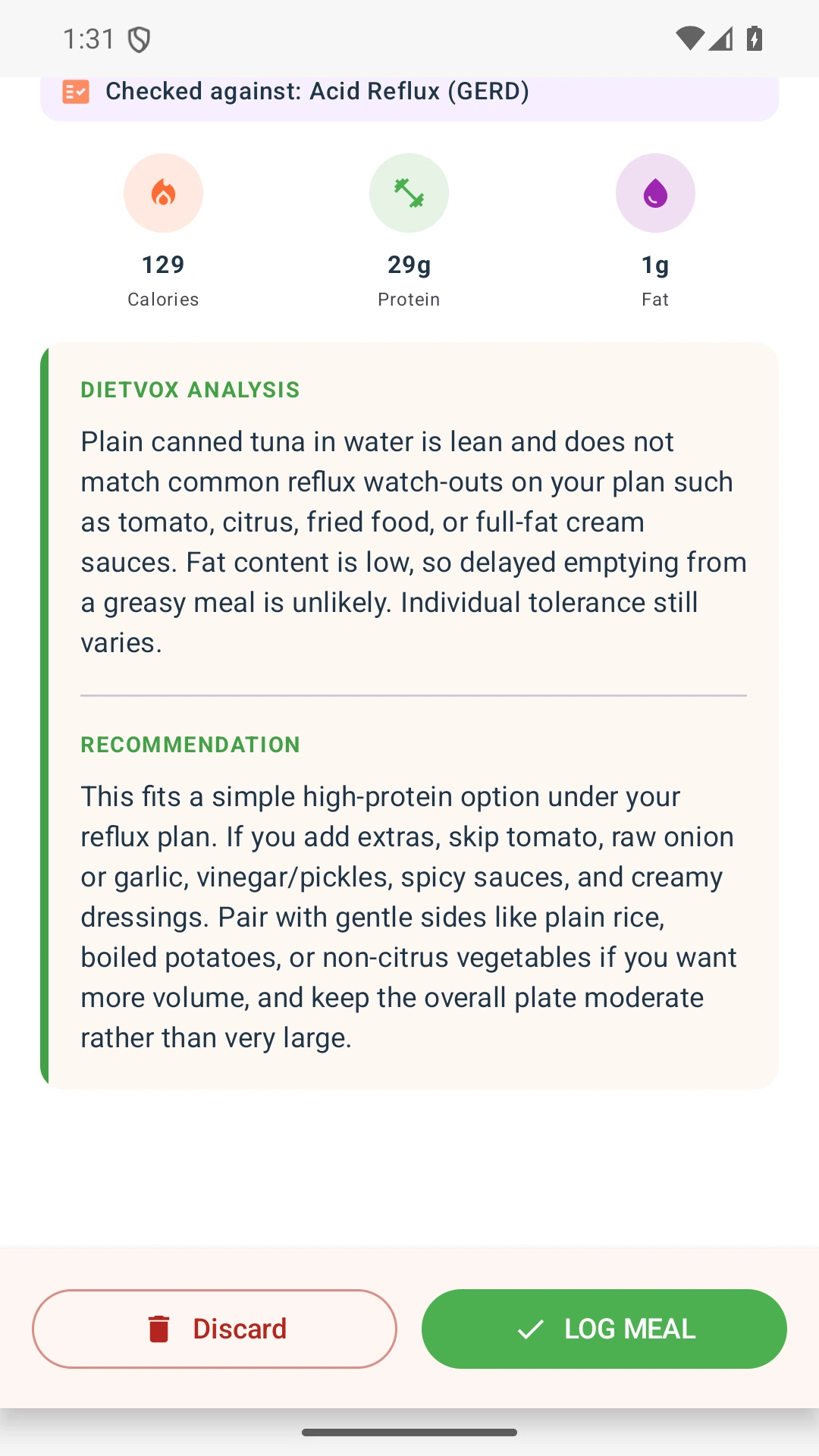
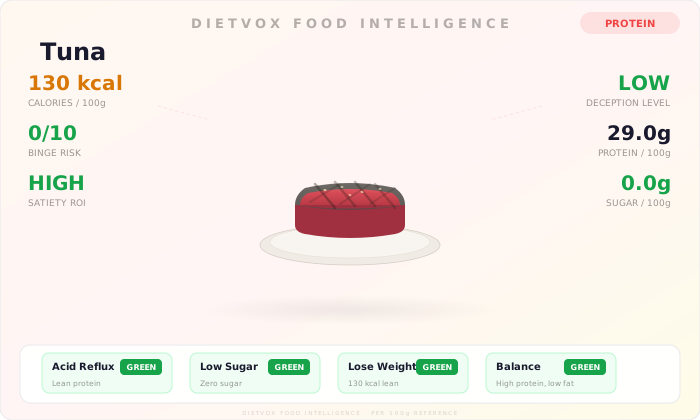
Verdict: Tuna is rated GREEN for a Weight Loss Diet. Its combination of high protein, low-calorie density, and minimal fat makes it a highly effective food for promoting satiety and supporting muscle maintenance within a calorie-controlled plan. The source support supporting tuna for weight loss is strong, primarily due to its exceptional macronutrient profile.

This article delves into the direct source support behind our rating, exploring how tuna's nutritional composition directly supports weight management goals. We will analyse its impact on satiety, metabolism, and muscle preservation, and provide practical guidance for incorporating it into your diet safely and effectively.

A Nutritional Analysis for Weight Loss

Tuna's effectiveness in a weight loss context is rooted in its numbers. A standard 100g serving of cooked fresh tuna or canned tuna in water provides an impressive nutritional profile geared towards fat loss and lean mass retention.

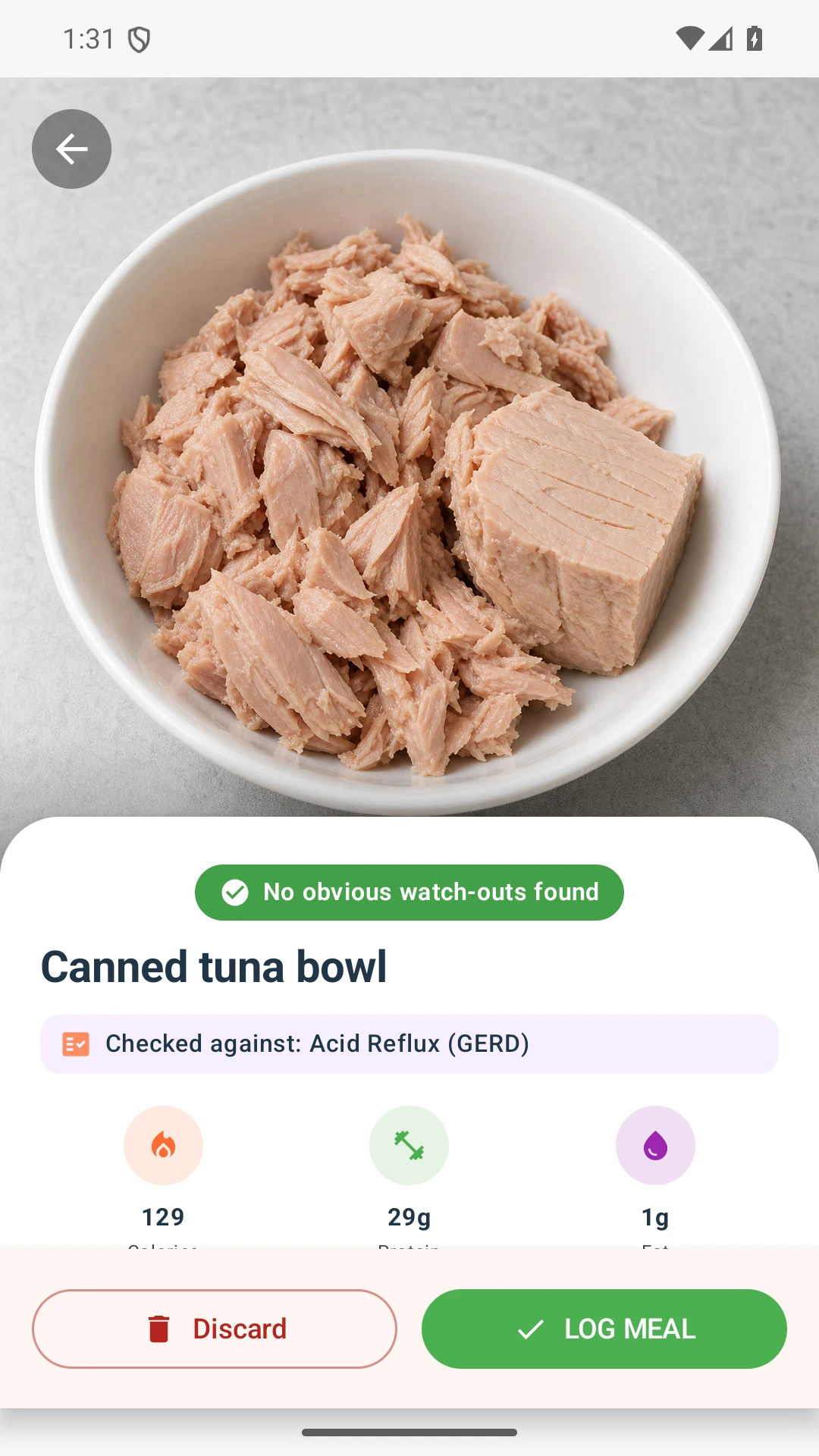
Macronutrient Breakdown (per 100g): - Calories: 130 kcal - Protein: 29.0 g - Fat: 1.0 g - Carbohydrates: 0.0 g

Source: Nutrition data for fresh, cooked Yellowfin tuna is consistent with values from the USDA FoodData Central (FDC ID 171983).

This profile highlights tuna's primary strength: it is almost pure protein. With 29 grams of protein accounting for 116 of its 130 calories, it offers one of the highest protein-to-calorie ratios available. This makes it a cornerstone food for achieving high protein targets without exceeding daily calorie budgets, a fundamental principle of successful weight loss diets CDC healthy weight guidance.

The Role of High Protein in Weight Management

The high protein content in tuna is not just a number; it triggers several physiological mechanisms that actively support weight loss.

1. Enhanced Satiety and Appetite Control Protein is widely recognized as the most satiating macronutrient. direct source reviews have consistently shown that increasing protein intake can lead to greater feelings of fullness, reduced hunger, and a spontaneous decrease in overall calorie consumption PubMed. Consuming a portion of tuna can help you feel fuller for longer compared to a meal with the same number of calories from carbohydrates or fats. This effect reduces the likelihood of overeating later in the day, making it easier to maintain a calorie deficit.

2. Increased Thermic Effect of Food (TEF) Your body expends energy to digest, absorb, and metabolize the food you eat. This process is known as the Thermic Effect of Food (TEF). Protein has a significantly higher TEF (20-30%) compared to carbohydrates (5-10%) and fat (0-3%) PubMed. This means your body burns more calories simply processing the protein from tuna than it would from other macronutrients, providing a subtle but consistent metabolic advantage.

3. Preservation of Lean Muscle Mass During weight loss, it's crucial to lose fat, not muscle. A calorie deficit can cause the body to break down muscle tissue for energy. Adequate protein intake is essential to counteract this effect. The high-quality protein in tuna provides the necessary amino acids to repair and maintain muscle mass, which is vital for keeping your metabolic rate elevated CDC healthy weight guidance. A higher metabolism means you burn more calories at rest, aiding long-term weight management.

Practical Guidance: Choosing the Right Tuna

Not all tuna is created equal, especially when calories are a primary concern. The way tuna is prepared and packaged significantly impacts its nutritional value for a weight loss diet.

  • Canned in Water or Brine: This is the best choice for a weight loss diet. It preserves the high protein content while keeping calories and fat to a minimum. A 100g serving of tuna canned in water contains approximately 116-130 kcal USDA FoodData Central (FDC ID 175151).
  • Canned in Oil: This option is significantly higher in calories and fat. Even when drained, the tuna absorbs some of the oil, pushing the calorie count to nearly 200 kcal per 100g. While the fats may be healthy (like olive oil), the added calories can easily hinder weight loss progress if not carefully accounted for.
  • Fresh Tuna Steaks: An excellent, lean option. Grilling, baking, or pan-searing fresh tuna with minimal oil is a perfect way to incorporate it into a healthy meal.

Addressing Mercury Concerns

A common concern with fish consumption is mercury content. It is important to consume tuna in moderation as part of a varied diet. Health authorities provide clear guidelines:

  • Choose 'Light' Tuna: Canned light tuna, typically made from skipjack, is lower in mercury than albacore (white) tuna. For most adults, consumption guidelines from health bodies like the NHS suggest that up to 4 medium-sized cans of tuna per week is generally safe. Those who are pregnant, planning to become pregnant, or breastfeeding should limit consumption of all tuna.
  • Limit Albacore (White) Tuna: Due to higher mercury levels, it's advisable to limit albacore tuna to one serving per week.

Following these guidelines allows you to reap the weight loss benefits of tuna while minimizing any potential risks.

How to Incorporate Tuna into Your Weight Loss Diet

Tuna's versatility makes it easy to add to your meal plan. Here are some simple, low-calorie ideas:

  • The Classic Salad, Reimagined: Mix canned tuna with Greek yogurt instead of mayonnaise. Add in celery, red onion, and a squeeze of lemon juice. Serve over a bed of leafy greens or in a whole-wheat wrap.
  • Tuna-Stuffed Avocados: A quick, nutrient-dense lunch. Mix tuna with herbs and spices and spoon it into half an avocado.
  • Lettuce Wraps: Use large lettuce leaves (like romaine or iceberg) as a low-carb, crunchy alternative to bread for your tuna salad.
  • Tuna and Bean Salad: Combine tuna with cannellini beans, cherry tomatoes, and a light vinaigrette for a high-protein, high-fibre meal that maximizes satiety.

By focusing on these healthy preparations, you can leverage tuna's powerful nutritional profile to support your weight loss journey effectively.


Disclaimer: This article is for informational purposes only and does not constitute medical advice. Always consult a healthcare provider before making changes to your diet, especially if you have a medical condition.

Scan your foods with the DietVox app to get personalized ratings based on your specific dietary needs and health goals.

Last reviewed: June 2026

How It Works

Why Tuna is Rated GREEN for Weight Loss

Tuna earns a GREEN rating for its outstanding performance across three key metrics critical for a successful weight loss diet: Calorie Density, Satiety ROI, and Tracking Difficulty.

  1. Low Calorie Density: With approximately 130 kcal per 100g serving, tuna allows for substantial, satisfying portions without a high caloric cost. Foods with low energy density are recommended for weight management because they help control hunger while staying within a calorie deficit CDC healthy weight guidance. Tuna's low-calorie, high-volume nature makes it a strategic choice.
  1. High Satiety Return on Investment (ROI): This is where tuna truly excels. Its impressive 29.0g of protein per 100g is a primary driver of fullness, or satiety. Protein takes longer to digest and has a powerful effect on appetite-regulating hormones, helping to keep you feeling full and satisfied for hours after a meal PubMed. This high Satiety ROI means tuna effectively curbs hunger, making adherence to a weight loss plan much easier.
  1. Low Tracking Difficulty: Accurately tracking calorie intake is fundamental to weight loss. Tuna, especially in its canned form, is exceptionally easy to track. Cans come in standardized sizes with clear nutritional labels, removing guesswork. This consistency and predictability make it a reliable component of a structured diet plan.

Scan any food. Get an instant RED/AMBER/GREEN rating.

DietVox analyses every food across 4 diet protocols — no guesswork.

Try DietVox Free →

Try These Instead

Safer alternatives that won't trigger your symptoms.

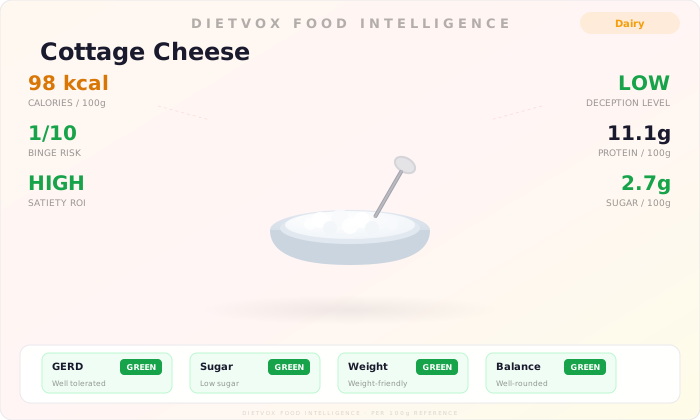
Cottage Cheese illustration

Cottage Cheese

98 kcal Dairy
GREEN GERD
GREEN Sugar
GREEN Weight
GREEN Balance
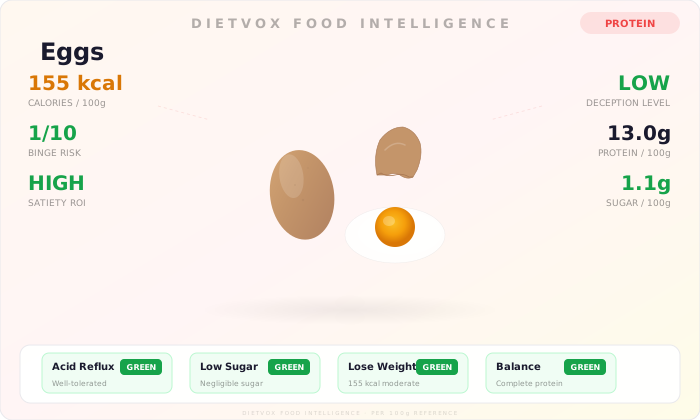
Eggs illustration

Eggs

155 kcal Protein
GREEN GERD
GREEN Sugar
GREEN Weight
GREEN Balance
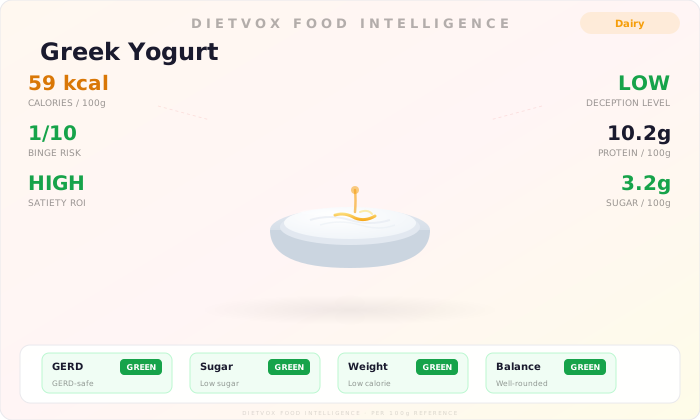
Greek Yogurt illustration

Greek Yogurt

59 kcal Dairy
GREEN GERD
GREEN Sugar
GREEN Weight
GREEN Balance
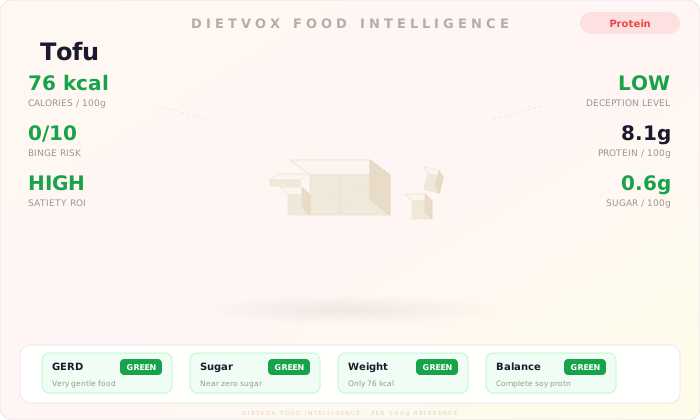
Tofu illustration

Tofu

76 kcal Protein
GREEN GERD
GREEN Sugar
GREEN Weight
GREEN Balance

Frequently Asked Questions

Is canned tuna in water or oil better for a weight loss diet?

For a weight loss diet, tuna canned in water or brine is significantly better. It contains around 130 calories per 100g, whereas tuna canned in oil can have close to 200 calories for the same portion size due to the absorbed oil. Choosing tuna in water maximizes protein intake while minimizing calorie and fat content.

How much tuna is safe to eat per week for weight loss?

According to the NHS, most adults can safely consume up to 4 medium-sized cans (about 140g drained weight per can) of tuna per week. It is advisable to choose 'light' or 'skipjack' tuna, which is lower in mercury than albacore ('white') tuna. This allows you to gain the weight loss benefits while staying within safe consumption guidelines.

Does tuna help build muscle while losing weight?

Yes, tuna is an excellent food for preserving and building muscle during a weight loss phase. Its high-quality, complete protein provides all the essential amino acids needed for muscle protein synthesis. Consuming adequate protein, like that found in tuna, helps prevent muscle breakdown when you are in a calorie deficit, which is crucial for maintaining a healthy metabolism.

What are some healthy alternatives to mayonnaise in tuna salad?

To keep your tuna salad low in calories and high in nutrients, you can replace mayonnaise with plain Greek yogurt, which adds extra protein. Other healthy alternatives include mashed avocado for healthy fats and creaminess, hummus, or a simple mix of lemon juice and olive oil with herbs.

Is fresh tuna better than canned for weight loss?

Both fresh and canned tuna (in water) are excellent for weight loss, with very similar nutritional profiles in terms of calories and protein. The choice depends on convenience, cost, and preference. Canned tuna is often more affordable and has a longer shelf life, making it a very practical option for meal planning.

Related Reading