DietVox Rating: AMBER
Sweet Potato is rated AMBER for a Weight Loss Diet, signifying it's a reasonable choice when consumed in controlled portions. It offers valuable nutrients and fibre but has a moderate calorie and carbohydrate content that requires mindful consumption to align with weight loss goals.
The topic of sweet potato weight loss is a common point of discussion for those on a calorie-controlled plan. Unlike non-starchy vegetables like spinach or broccoli, sweet potato is a starchy root vegetable, placing it in a different category. Its AMBER rating reflects this balance: it's more energy-dense than leafy greens but offers superior nutritional benefits and satiety compared to many refined carbohydrate sources. This article breaks down the source support, analysing its nutritional profile and providing practical strategies for incorporating it into your Weight Loss Diet effectively.
Nutritional Profile for Weight Loss
A successful Weight Loss Diet hinges on managing calorie intake while maximising nutrient density and satiety CDC healthy weight guidance. Let's examine how the nutritional composition of sweet potato fits into this framework.
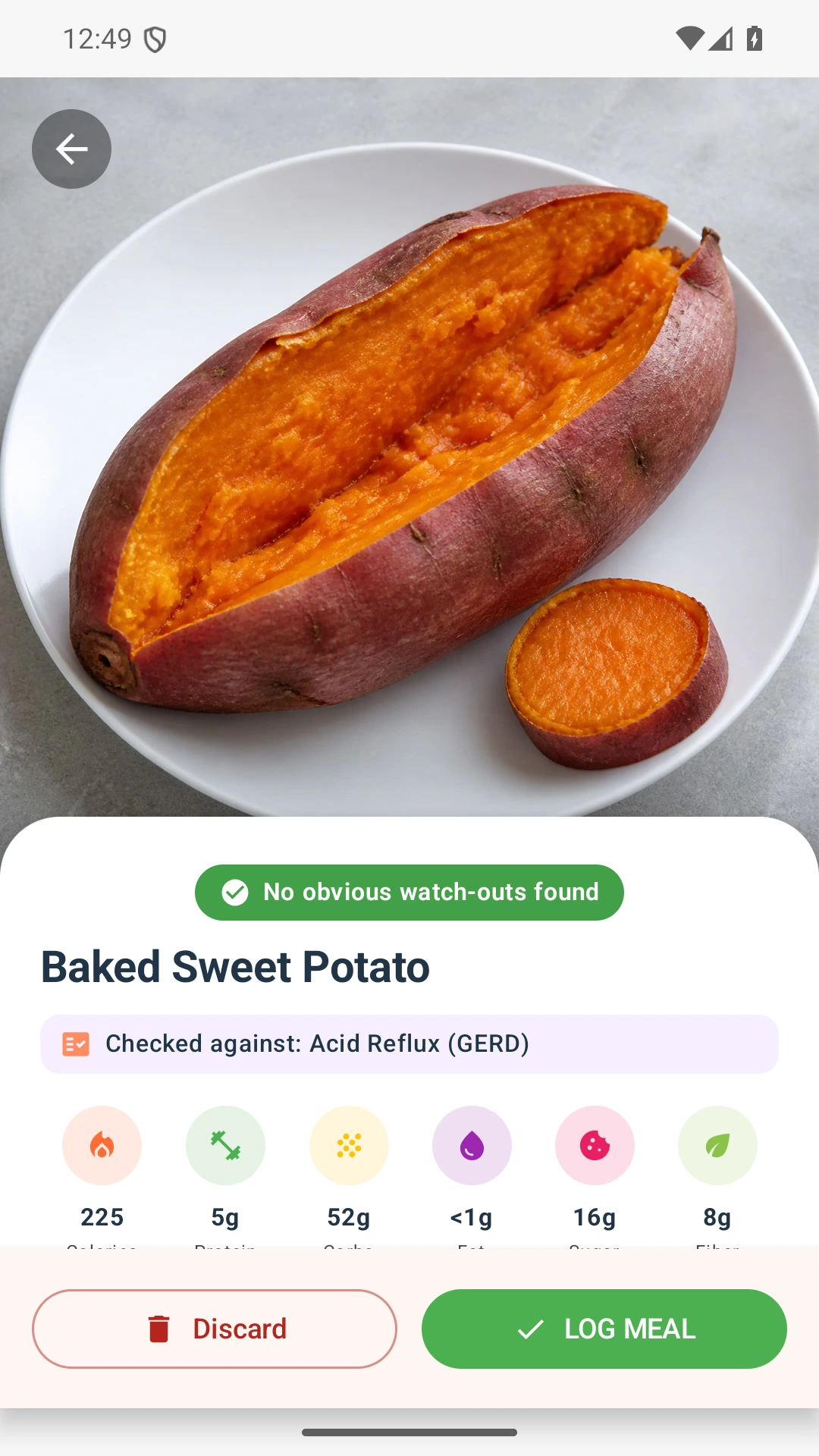
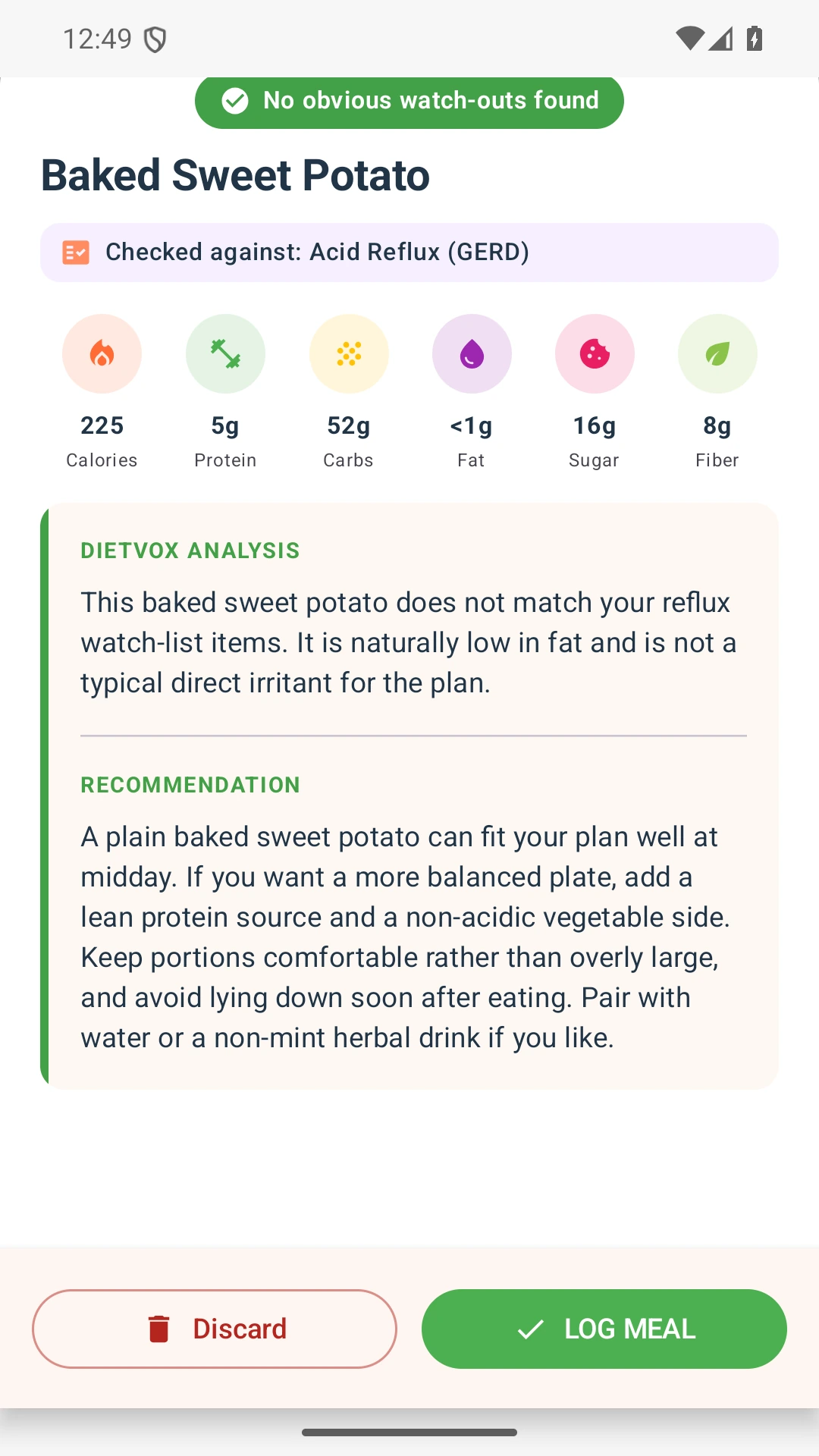
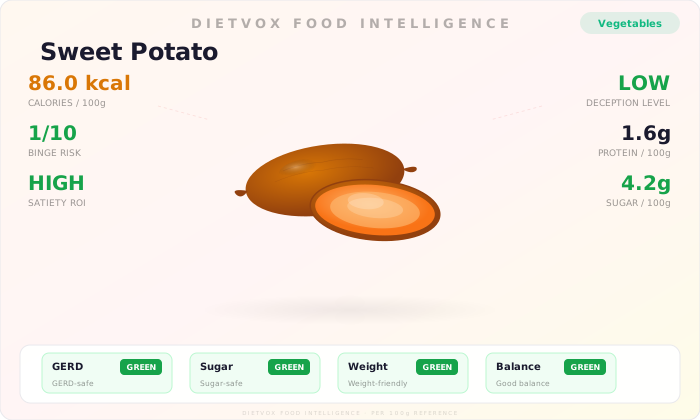
Per 100g, sweet potato provides USDA FoodData Central (FDC ID 168482):
- Calories: 86 kcal
- Carbohydrates: 20.1g
- Dietary Fibre: 3.0g
- Sugars: 4.2g
- Protein: 1.6g
- Fat: 0.1g
At 86 kcal per 100g, sweet potato has a low calorie density. This means you can eat a relatively satisfying portion without a significant caloric cost. However, its primary macronutrient is carbohydrates. While carbohydrates are a crucial energy source, managing their intake is central to many weight loss strategies. The key lies in the type and context of these carbs.
The Role of Fibre in Satiety
The standout feature of sweet potato for weight management is its dietary fibre content. With 3.0g per 100g, it is a good source of this crucial nutrient. Dietary fibre contributes to weight management in several ways:
- Promotes Fullness: Fibre absorbs water in the digestive tract, adding bulk to meals and slowing stomach emptying. This enhances feelings of satiety, which can help reduce overall calorie consumption MedlinePlus fiber overview.
- Blood Sugar Regulation: The fibre in sweet potato, particularly soluble fibre, helps slow the absorption of sugar, preventing sharp spikes and subsequent crashes in blood glucose levels. Stable blood sugar is linked to better appetite control.
- Lower Glycemic Index: Boiled sweet potato generally has a medium glycemic index (GI), which is lower than that of a baked white potato International glycemic index tables review. Foods with a lower GI release glucose more slowly, providing more sustained energy and potentially aiding in hunger management between meals.
DietVox Health Forensics: Sweet Potato Analysis
Our internal analysis framework provides a clear, at-a-glance summary of how a food performs against key weight management metrics.
Calorie Density: LOW With 86 kcal per 100g, sweet potato's energy density is low. This is beneficial for a Weight Loss Diet as it allows for larger, more visually satisfying portions compared to high-density foods like oils or processed snacks. The high water content of sweet potato contributes significantly to this favourable density.
Satiety ROI: MEDIUM Satiety Return on Investment (ROI) measures how full you feel per calorie consumed. Sweet potato scores in the medium range. The 3.0g of fibre and 1.6g of protein provide moderate fullness signals. While not as high in protein as lean meats or legumes, the combination of fibre and complex carbohydrates offers a respectable level of satisfaction, making it a better choice than low-fibre starches.
Tracking Difficulty: LOW For a calorie-controlled diet, accurate tracking is essential. Sweet potato is easy to track. It has a consistent form and predictable caloric content, whether measured raw by weight or as a whole medium-sized potato. This simplicity reduces the risk of unintentional overconsumption.
Practical Guidance for a Weight Loss Diet
An AMBER rating means how you eat sweet potato is just as important as the food itself. Here are practical strategies to keep it aligned with your Weight Loss Diet.
1. Prioritise Healthy Cooking Methods
The preparation method dramatically impacts the final calorie and fat content. To support weight loss, choose methods that don't add significant amounts of fat.
- Best Choices: Steaming, boiling, baking, or roasting (with minimal to no oil).
- Methods to Limit: Frying (as in sweet potato fries) or preparing with butter, cream, or excessive oil. A serving of commercially prepared sweet potato fries can contain more than double the calories of a baked sweet potato USDA FoodData Central (FDC ID 170054).
2. Practice Portion Control
While nutritious, the carbohydrates and calories in sweet potato can add up. A sensible portion size is key.
- Guideline: A serving is typically about the size of your fist, which corresponds to roughly 130-150g (around 112-129 kcal). Using a food scale for accuracy is the best practice for a Weight Loss Diet.
- Visual Cue: Fill half your plate with non-starchy vegetables, one-quarter with a lean protein source, and the remaining quarter with a carbohydrate source like sweet potato NHS.
3. Create Balanced, Satiating Meals
Pair sweet potato with protein and healthy fats to create a complete meal that enhances satiety and slows digestion further.
- Protein Pairing: Serve a portion of baked sweet potato alongside grilled chicken breast, fish, tofu, or a scoop of black beans.
- Healthy Fat: A small amount of avocado or a sprinkle of seeds can be added to the meal. Fat also aids in the absorption of fat-soluble vitamins like Vitamin A, which is abundant in sweet potato.
Common Misconceptions
Are Sweet Potatoes Fattening? No single food is inherently 'fattening' or 'slimming'. Weight gain is the result of a consistent calorie surplus over time WHO. Sweet potato can be part of a diet that leads to weight gain if consumed in large quantities, especially when fried or loaded with high-calorie toppings. Conversely, when eaten in controlled portions as part of a calorie-deficit diet, it can be a valuable tool for weight loss due to its fibre and nutrient content.
Sweet Potato vs. White Potato for Weight Loss
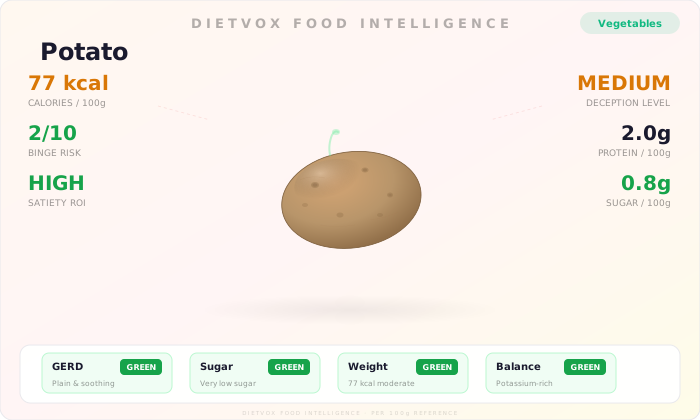
Sweet potato is often championed over white potato for health, but for weight loss, the differences are nuanced. Per 100g, they have similar calorie counts. The primary advantage of sweet potato lies in its higher fibre and Vitamin A content, and its typically lower glycemic index. However, a plain baked white potato is also a nutritious, low-fat food. The deciding factor for both in a Weight Loss Diet is portion control and avoiding high-fat additions.
Disclaimer: This article is for informational purposes only and does not constitute medical advice. Always consult a healthcare provider before making changes to your diet, especially if you have a medical condition.
Scan your foods with the DietVox app to get personalized ratings based on your specific dietary needs and health goals.
Last reviewed: June 2026
How It Works
Why Sweet Potato is Rated AMBER
DietVox rates Sweet Potato as AMBER for a Weight Loss Diet due to its balanced but conflicting characteristics. It is not a clear-cut 'eat freely' (GREEN) food nor a food to 'avoid' (RED).
Positive Factors (Leaning towards GREEN):
- Low Calorie Density: At 86 kcal per 100g, it allows for a satisfying volume of food for relatively few calories.
- Good Fibre Source: The 3.0g of dietary fibre per 100g is crucial for promoting satiety, which helps control overall calorie intake by keeping you fuller for longer NHS.
- Nutrient-Rich: It is an excellent source of Vitamin A and provides potassium, offering significant nutritional value beyond just calories.
Cautionary Factors (Leaning towards RED):
- Moderate Carbohydrate Content: With 20.1g of carbohydrates per 100g, it is significantly higher than non-starchy vegetables. Uncontrolled portions can easily contribute to exceeding daily carbohydrate or calorie targets for weight loss.
- Potential for High-Calorie Preparation: Sweet potato is often prepared with added fats and sugars (e.g., fries, casseroles with marshmallows, mashed with butter), which can quickly turn a healthy food into a high-calorie dish unsuitable for a weight loss plan.
The AMBER verdict reflects this duality: Sweet potato is a beneficial starchy carbohydrate choice when prepared simply and portioned correctly, but its energy content requires mindful management to prevent it from hindering weight loss progress.
Scan any food. Get an instant RED/AMBER/GREEN rating.
DietVox analyses every food across 4 diet protocols — no guesswork.
Try DietVox Free →Try These Instead
Safer alternatives that won't trigger your symptoms.
Frequently Asked Questions
What is the best way to cook sweet potato for weight loss?
The best cooking methods for including sweet potato in a weight loss diet are those that add minimal fat and calories. Steaming, boiling, and baking are ideal choices. These methods preserve the potato's nutrients without adding unhealthy fats. Avoid deep-frying or preparing with large amounts of butter, cream, or sugar.
How much sweet potato can I eat when trying to lose weight?
A typical serving size for sweet potato on a weight loss plan is around 130-150 grams (about 4.5-5.3 ounces), which is roughly the size of a computer mouse or your clenched fist. This portion provides a good balance of energy and fibre without excessive calories. Using a food scale is the most accurate way to ensure proper portion control.
Does the skin of the sweet potato have benefits for weight loss?
Yes, the skin is highly beneficial. A significant amount of the dietary fibre in a sweet potato is found in its skin. Eating the skin increases your fibre intake, which enhances feelings of fullness and supports digestive health—both of which are helpful for weight management MedlinePlus fiber overview. Be sure to scrub the skin thoroughly before cooking.
Can I eat sweet potato every day and still lose weight?
Yes, it is possible to eat sweet potato daily and lose weight, provided it fits within your total daily calorie deficit. The key to sustainable weight loss is a varied diet rich in different nutrients WHO. While sweet potato is nutritious, ensure you are also consuming a wide range of other vegetables, lean proteins, and healthy fats to meet all your nutritional needs.