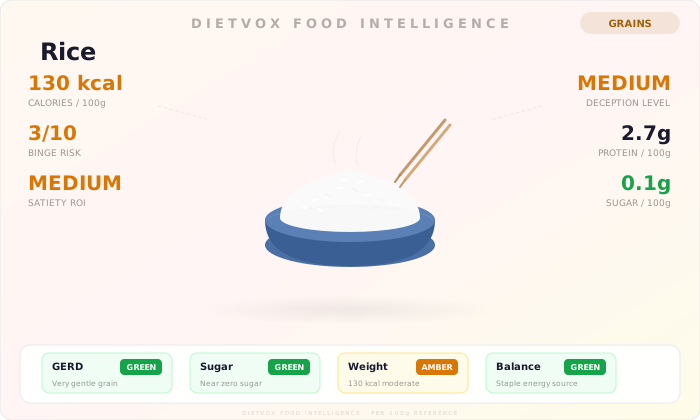
DietVox Rating: AMBER
When considering how rice lose weight efforts, DietVox gives rice an AMBER rating for the Weight Loss Diet. This means that while rice is not inherently 'bad' for weight loss, its inclusion requires careful consideration and strategic planning. An AMBER rating indicates that this food can be part of a healthy weight loss plan, but its moderate calorie density and relatively low satiety make portion control and preparation methods crucial for success CDC healthy weight guidance.
Our comprehensive analysis delves into the nutritional profile of rice, its impact on satiety, and practical strategies to incorporate it effectively into your Weight Loss Diet without hindering your progress.
The Nutritional Profile of Rice
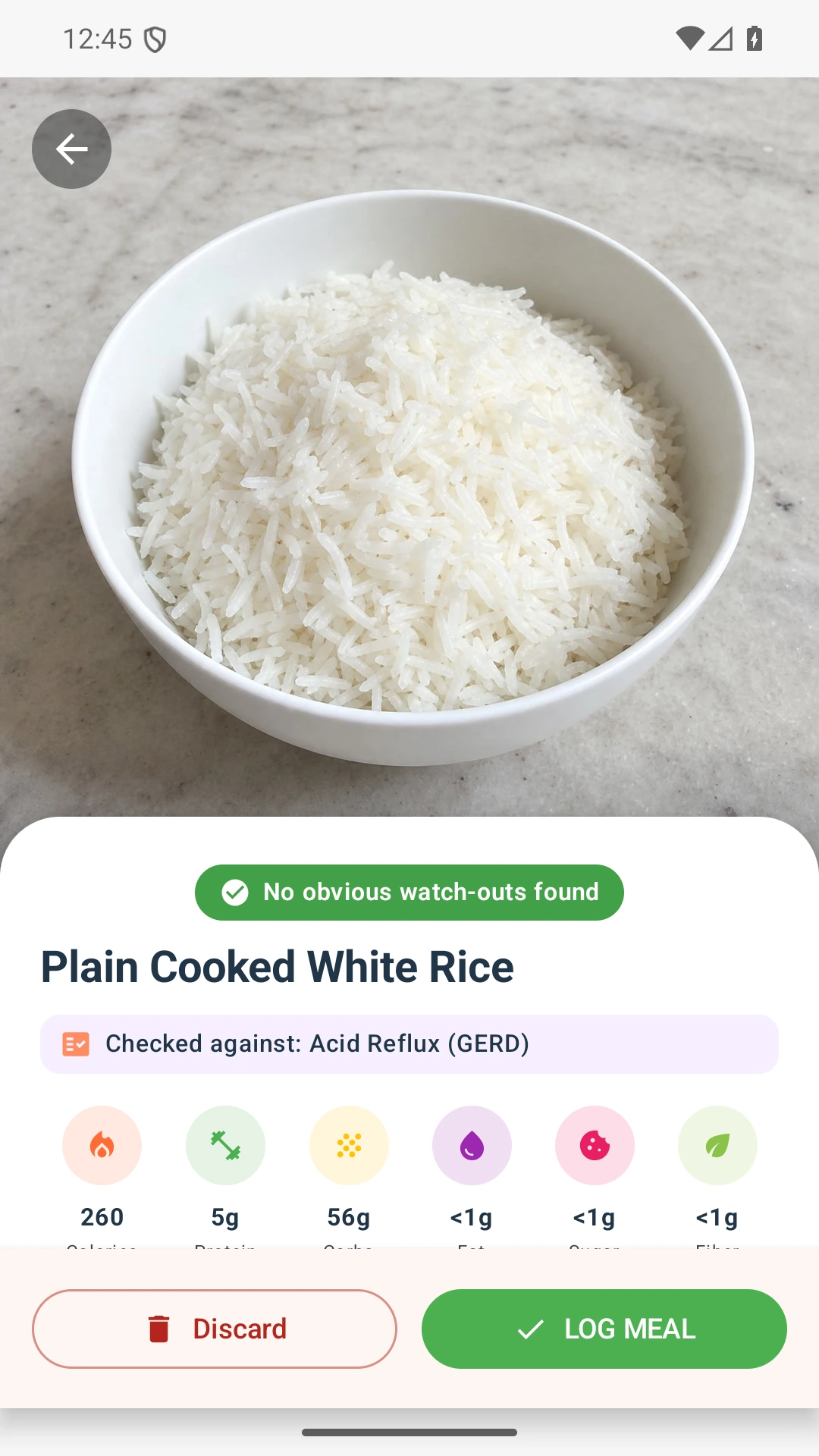
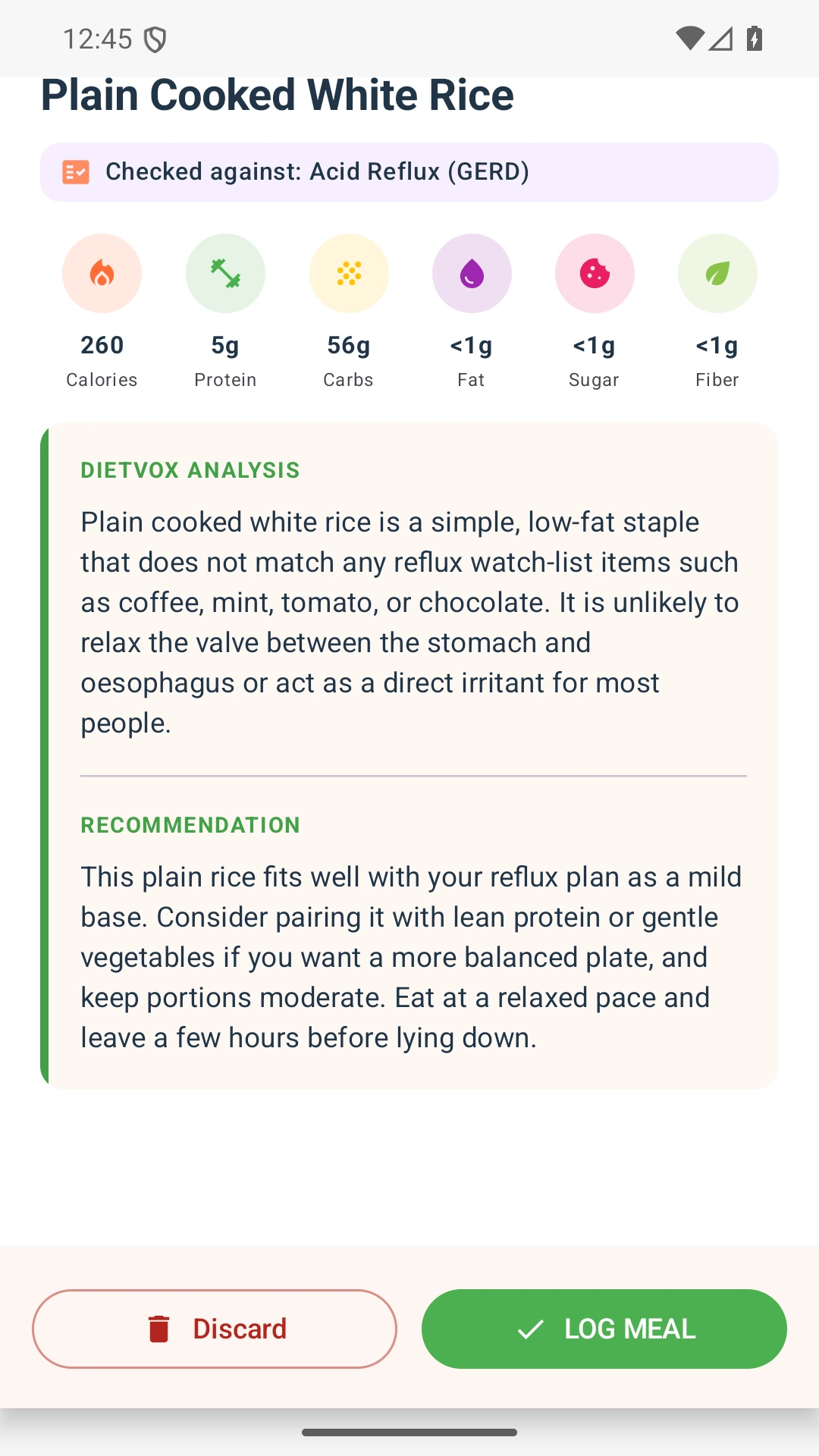
Rice is a staple food for a significant portion of the global population, primarily serving as a carbohydrate source. Understanding its macronutrient breakdown is fundamental for anyone on a Weight Loss Diet. Per 100g of cooked white rice, the nutritional values are as follows:
- Calories: 130 kcal USDA FoodData Central (FDC ID 169707)
- Protein: 2.7g USDA FoodData Central (FDC ID 169707)
- Fat: 0.3g (0.1g saturated) USDA FoodData Central (FDC ID 169707)
- Carbohydrates: 28.2g USDA FoodData Central (FDC ID 169707)
- Sugars: 0.1g USDA FoodData Central (FDC ID 169707)
- Dietary Fibre: 0.4g USDA FoodData Central (FDC ID 169707)
From a Weight Loss Diet perspective, the calorie content of 130 kcal per 100g is moderate. While not excessively high, it's also not a 'free food' that can be consumed without thought. The carbohydrate content is significant, and the protein and fibre levels are relatively low, which are key factors in our AMBER rating.
Calorie Density and Satiety ROI
DietVox's Health Forensics highlights two critical aspects of rice for weight loss:
- Calorie Density: LOW (130 kcal/100g): This classification might seem counterintuitive initially. While 130 kcal isn't negligible, compared to many other foods, rice is considered to have a relatively low calorie density. This means that, in theory, one can consume a decent volume of rice without accumulating an extremely high caloric load, provided portions are managed. However, this 'low' density still requires awareness, as large, unmeasured servings can quickly add up CDC healthy eating for a healthy weight.
- Satiety ROI: LOW: This is a more significant challenge for a Weight Loss Diet. Satiety Return on Investment (ROI) refers to how much fullness you get per calorie consumed. Rice, particularly white rice, offers poor satiety return due to its low protein (2.7g) and fibre (0.4g) content. Protein and fibre are known to be highly satiating macronutrients, helping you feel fuller for longer and reducing overall calorie intake PubMed/NIH. Without adequate satiety, there's a higher likelihood of overeating or feeling hungry soon after a meal, making adherence to a calorie deficit difficult CDC healthy weight guidance.
White Rice vs. Brown Rice: A Key Distinction for Weight Loss
When discussing rice, it's essential to differentiate between white and brown varieties, as their impact on a Weight Loss Diet can vary significantly.
- Brown Rice: Brown rice is a whole grain, meaning it retains its bran and germ layers, which are removed to produce white rice. This makes brown rice a superior choice for weight loss due to its higher fibre content (approximately 1.8g per 100g cooked) USDA FoodData Central (FDC ID 169704). Fibre contributes to increased satiety, promotes digestive health, and can help regulate blood sugar levels, potentially reducing cravings and overeating WHO. Brown rice also typically has a lower glycaemic index (GI) than white rice, meaning it causes a slower, more gradual rise in blood sugar, which can be beneficial for appetite control and metabolic health International glycemic index tables review.
- White Rice: While still a source of energy, white rice has less fibre and often a higher GI. This can lead to quicker spikes and drops in blood sugar, potentially contributing to feelings of hunger sooner after consumption PubMed/NIH.
For those aiming to rice lose weight, opting for brown rice over white rice is a simple yet impactful dietary swap that aligns better with weight loss principles.
The Power of Resistant Starch
An interesting scientific aspect of rice, particularly white rice, is the potential to increase its resistant starch content. When cooked rice is cooled and then reheated, some of its digestible starch converts into resistant starch PubMed/NIH.
Resistant starch behaves more like dietary fibre than a typical carbohydrate. It is not fully digested in the small intestine, instead fermenting in the large intestine. This fermentation can lead to several benefits relevant to weight loss:
- Lower Caloric Contribution: Resistant starch contributes fewer calories than digestible starch.
- Improved Satiety: It can enhance feelings of fullness PubMed search for Cochrane review DOI.
- Better Blood Sugar Control: It can help moderate blood glucose response after meals PubMed/NIH.
While more source review is always ongoing, incorporating cooled and reheated rice (or simply cooled rice in salads) can be a clever strategy to make rice a more weight-loss-friendly food.
Portion Control: The Golden Rule for Rice on a Weight Loss Diet
Given rice's moderate calorie density and low satiety ROI, strict portion control is paramount for its inclusion in a Weight Loss Diet. DietVox's Health Forensics rates tracking difficulty as MEDIUM, noting that visual portion estimation may deviate by 15-25%. This means relying on eyesight alone can easily lead to unintended calorie overconsumption.
To effectively rice lose weight, consider these strategies:
- Measure Portions: Use a food scale or measuring cups to accurately portion your rice. A typical serving for weight loss might be around 50-75g cooked (approx. 65-98 kcal), depending on your individual calorie goals FDA added sugars label guidance.
- Mindful Eating: Pay attention to your hunger and fullness cues. Eat slowly and savour your meal, allowing your body time to register satiety.
- Visual Cues: Don't fill your plate entirely with rice. Aim for a plate composition where vegetables take up half, protein a quarter, and carbohydrates like rice the remaining quarter WHO.
Integrating Rice into Your Weight Loss Meal Plan
Making rice work for your Weight Loss Diet involves more than just portioning; it's about intelligent meal composition:
- Pair with High-Protein Foods: Combine rice with lean protein sources such as chicken breast, fish, tofu, or legumes. Protein significantly boosts satiety and helps preserve muscle mass during weight loss CDC healthy weight guidance.
- Load Up on Vegetables: Non-starchy vegetables are low in calories, high in fibre, and nutrient-dense. Adding a generous amount of vegetables to your rice dishes will increase volume and satiety without adding many calories FDA added sugars label guidance.
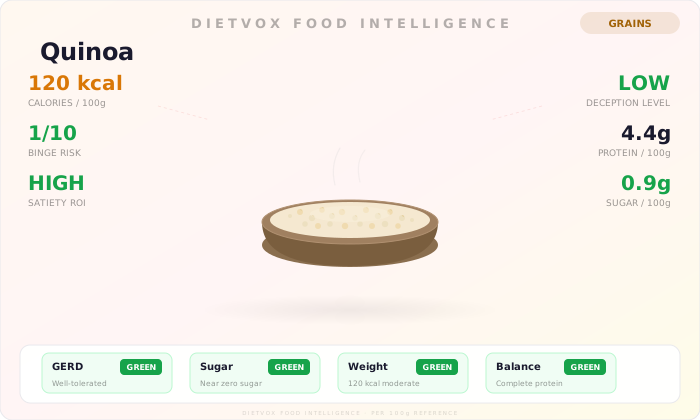
- Choose Whole Grains: As discussed, brown rice is preferable to white rice for its fibre content and lower glycaemic impact. Other whole grains like quinoa or barley can also be excellent alternatives if you're looking to vary your carbohydrate sources.
- Consider Cooking Methods: Avoid adding excessive oils or butter during cooking, which can significantly increase the calorie count. Boiling or steaming is generally the best approach for a Weight Loss Diet.
Common Misconceptions about Rice and Weight Loss
- "Rice is fattening and should be avoided completely." This is a common oversimplification. No single food is inherently 'fattening.' Weight gain occurs from consistent calorie surplus. Rice, when consumed in appropriate portions and as part of a balanced diet, can fit into a weight loss plan CDC healthy eating guidance.
- "All rice is the same." As highlighted, white and brown rice have distinct nutritional profiles, especially concerning fibre. Furthermore, different types of rice (e.g., basmati, jasmine, wild rice) can have slightly varying nutritional values and glycaemic responses USDA FoodData Central.
Conclusion
Rice earns an AMBER rating for the Weight Loss Diet because it's a food that requires strategic consumption rather than outright avoidance or unlimited intake. Its moderate calorie density means portions must be managed, and its low satiety ROI necessitates pairing it with protein and fibre-rich vegetables to promote fullness. Opting for brown rice and utilizing resistant starch principles can further enhance its suitability. By applying careful portion control and smart meal planning, rice can indeed be a part of a successful strategy to rice lose weight effectively and sustainably.
Disclaimer: This article is for informational purposes only and does not constitute medical advice. Always consult a healthcare provider before making changes to your diet, especially if you have a medical condition.
Scan your foods with the DietVox app to get personalized ratings based on your specific dietary needs and health goals.
Last reviewed: June 2026
How It Works
Why Rice is Rated AMBER
DietVox assigns an AMBER rating to rice for the Weight Loss Diet primarily due to its moderate calorie density and low satiety return on investment (ROI), which necessitates careful portion management to support a calorie deficit.
- Moderate Calorie Density: Cooked rice provides 130 kcal per 100g USDA FoodData Central (FDC ID 169707). While not as calorie-dense as fats or some processed foods, it's also not a 'free food' like non-starchy vegetables. Consuming large, unmeasured portions can quickly lead to excess calorie intake, making it challenging to maintain the caloric deficit required for weight loss CDC healthy weight guidance.
- Low Satiety ROI: Rice has a low satiety return because it is relatively low in protein (2.7g/100g) and dietary fibre (0.4g/100g) USDA FoodData Central (FDC ID 169707). Protein and fibre are crucial for promoting feelings of fullness and satiety, which helps reduce overall calorie consumption PubMed/NIH. Without these satiating components, individuals may feel hungry sooner after eating rice, potentially leading to increased snacking or larger subsequent meals.
- Importance of Portion Control: Given these factors, portion control is essential. Visual estimation of rice portions can be inaccurate, with deviations of 15-25% [DietVox Health Forensics]. Using a measured cup or food scale helps ensure accurate calorie tracking, preventing accidental overconsumption. The recommendation is to use a measured cup rather than filling a plate to ensure appropriate serving sizes FDA added sugars label guidance.
- Benefits of Brown Rice: Brown rice offers more fibre (approx. 1.8g/100g) compared to white rice [USDA FoodData Central]. This higher fibre content contributes to greater satiety and a potentially lower glycaemic impact, making it a more favourable choice for weight management International glycemic index tables review.
- Resistant Starch Potential: Cooling cooked rice can increase its resistant starch content. Resistant starch is not fully digested, contributing fewer calories and potentially improving blood glucose control and satiety, further enhancing rice's suitability for a Weight Loss Diet when prepared this way PubMed/NIH.
In summary, rice's AMBER rating reflects its potential to fit into a Weight Loss Diet, provided that strategic choices regarding type, preparation, and especially portion sizes are consistently applied.
Scan any food. Get an instant RED/AMBER/GREEN rating.
DietVox analyses every food across 4 diet protocols — no guesswork.
Try DietVox Free →Try These Instead
Safer alternatives that won't trigger your symptoms.
Frequently Asked Questions
What's the difference between white and brown rice for weight loss?
Brown rice is generally preferred for weight loss due to its higher fibre content (approx. 1.8g per 100g cooked) compared to white rice (0.4g per 100g). Fibre increases satiety, helping you feel fuller for longer, and often leads to a lower glycaemic response, which can be beneficial for appetite control International glycemic index tables review.
How can I make rice more suitable for a Weight Loss Diet?
To make rice more weight loss-friendly, practice strict portion control using a measuring cup or scale. Pair it with high-protein foods and plenty of non-starchy vegetables to boost satiety. Consider opting for brown rice over white, and try cooling cooked rice before consumption to increase its resistant starch content, which can have a lower caloric and glycaemic impact PubMed/NIH.
Is rice a good source of protein for weight loss?
No, rice is not considered a primary source of protein for weight loss. Per 100g, cooked rice provides only 2.7g of protein USDA FoodData Central (FDC ID 169707). For effective weight loss and muscle preservation, it's crucial to pair rice with lean protein sources like chicken, fish, beans, or tofu to ensure adequate protein intake and enhance satiety CDC healthy weight guidance.
Does eating cooled rice really help with weight loss?
Potentially, yes. When cooked rice is cooled, some of its digestible starch converts into resistant starch. Resistant starch acts like dietary fibre, contributing fewer calories, improving satiety, and moderating blood sugar responses, which can be beneficial for weight management PubMed/NIH. However, it's not a magical solution and should be part of an overall calorie-controlled diet.
What are the best portion sizes for rice on a Weight Loss Diet?
Optimal portion sizes vary based on individual calorie needs. As a general guideline for a Weight Loss Diet, a single serving of cooked rice could be around 50-75g (approximately 65-98 kcal). It's crucial to measure your portions accurately with a food scale or measuring cup, rather than estimating visually, to avoid unintended calorie overconsumption FDA added sugars label guidance.