DietVox Rating: AMBER
When considering corn weight loss strategies, DietVox rates corn as AMBER for a Weight Loss Diet. This rating signifies that corn is an acceptable food choice in moderation, provided it is consumed as part of a balanced, calorie-controlled eating plan. While corn offers valuable nutrients and some fibre, its caloric density and carbohydrate profile mean that portion control is key to integrating it successfully into a weight loss regimen [DietVox Rating Explanation]. Our analysis, grounded in direct source support, explores the nutritional aspects of corn and offers practical advice for those aiming to manage their weight effectively.
Nutritional Profile of Corn for Weight Loss
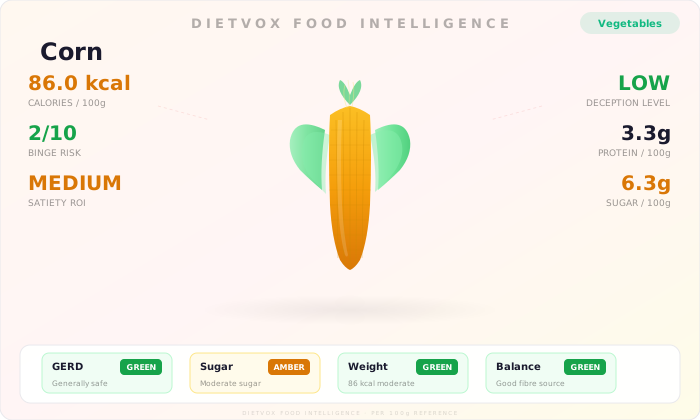
To understand how corn fits into a Weight Loss Diet, it is essential to examine its nutritional composition. Per 100g, corn provides the following key metrics USDA FoodData Central:
- Calories: 86 kcal
- Protein: 3.3g
- Fat: 1.2g (0.2g saturated)
- Carbohydrates: 19.0g
- Dietary Fibre: 2.7g
- Sugars: 6.3g
These figures indicate that corn is a moderate-calorie food. Its carbohydrate content is higher than many non-starchy vegetables, but it also provides a modest amount of protein and beneficial dietary fibre. This combination impacts satiety and overall calorie intake, which are critical factors in weight management WHO.
Calorie Density and Satiety
Corn has a relatively low calorie density at 86 kcal per 100g, especially when compared to high-calorie processed foods. This means that a reasonable portion can be consumed without contributing excessively to daily caloric intake CDC healthy eating for a healthy weight. The fibre content (2.7g per 100g) contributes to satiety, helping individuals feel fuller for longer, which can be beneficial in reducing overall food intake throughout the day FDA added sugars label guidance. Protein, even at 3.3g per 100g, also plays a role in satiety and preserving muscle mass during weight loss CDC healthy weight guidance.
Carbohydrates and Glycemic Response
Corn is primarily a source of carbohydrates, predominantly starches, with 19.0g per 100g. While carbohydrates are an essential energy source, the type and quantity consumed are important for weight loss FDA added sugars label guidance. Starchy vegetables like corn can have a moderate glycemic index, meaning they can cause a gradual rise in blood sugar levels. Pairing corn with protein and fibre-rich foods can help to mitigate rapid blood sugar spikes, promoting more stable energy levels and potentially reducing cravings International glycemic index tables review.
Why Corn is Rated AMBER
DietVox assigns an AMBER rating to corn for a Weight Loss Diet due to a combination of factors related to its nutritional profile and how it typically fits into dietary patterns. The rating reflects a balanced view, acknowledging both its benefits and the need for mindful consumption.
Moderate Calorie Content
With 86 kcal per 100g, corn is not as low in calories as leafy greens (e.g., spinach, lettuce) but significantly lower than many grains or processed foods. This moderate calorie density means it can easily fit into a calorie-controlled diet, but unlike 'GREEN' rated foods, it is not ideal for unrestricted consumption [DietVox Rating Explanation]. Excessive portions could contribute to an unintended caloric surplus, hindering weight loss efforts.
Starchier Than Most Vegetables
While often consumed as a vegetable, corn is botanically a grain and is nutritionally classified as a starchy vegetable USDA FoodData Central. This means its carbohydrate content is higher than non-starchy vegetables like broccoli or bell peppers. For individuals following a Weight Loss Diet, prioritizing non-starchy vegetables is often recommended for their very low calorie density and high nutrient content FDA added sugars label guidance. Corn's starchiness necessitates careful portion management to avoid exceeding carbohydrate targets.
Fibre and Satiety Contribution
The 2.7g of dietary fibre per 100g in corn is a positive aspect for weight loss. Fibre is known to increase feelings of fullness, slow digestion, and support gut health, all of which can indirectly aid weight management MedlinePlus fiber overview. The moderate protein content also contributes to satiety. However, compared to legumes or other high-fibre foods, corn's fibre contribution alone might not be sufficient to provide maximal satiety, hence the 'MEDIUM' Satiety ROI rating.
Sugar Content
Corn contains 6.3g of sugars per 100g. While these are naturally occurring sugars, it is worth noting when managing overall sugar intake, especially if other sources of added sugars are also present in the diet. For a Weight Loss Diet, monitoring total sugar intake is generally recommended WHO.
Integrating Corn into a Weight Loss Diet: Practical Tips
Successfully incorporating corn into a Weight Loss Diet involves mindful preparation and portion control. Here are some practical strategies:
- Mind Your Portions: A typical serving of corn (e.g., half a cup of kernels or one small ear) is a reasonable starting point. Be mindful of how it fits into your overall daily calorie and carbohydrate goals FDA added sugars label guidance.
- Choose Wisely: Opt for fresh or frozen corn kernels. Canned corn can be acceptable, but always check labels for added salt or sugars. Avoid creamed corn, which often contains added fats and calories USDA FoodData Central.
- Preparation Matters: Steaming, boiling, or grilling corn is preferable to frying or preparing it with excessive butter or oil, which significantly increases its caloric density MedlinePlus dietary fats overview.
- Balance Your Plate: Pair corn with lean protein sources (e.g., grilled chicken, fish, beans) and plenty of non-starchy vegetables (e.g., broccoli, spinach, bell peppers). This creates a balanced meal that promotes satiety and provides a wider range of nutrients without excessive calories WHO.
- Be Aware of Hidden Calories: Be cautious with toppings. A knob of butter, cheese, or creamy sauces can quickly turn a moderate-calorie food into a high-calorie one. Opt for herbs, spices, a squeeze of lime, or a minimal amount of olive oil instead CDC healthy weight guidance.
- Popcorn Considerations: While popcorn is made from corn, its preparation and common serving sizes dramatically alter its nutritional profile. Air-popped popcorn without added fats or sugars can be a high-fibre snack, but restaurant or microwave popcorn often contains significant amounts of oil, butter, and salt, making it very calorie-dense (up to 375 kcal/100g) and less suitable for weight loss USDA FoodData Central.
Common Misconceptions about Corn and Weight Loss
Several common beliefs about corn can influence its role in a Weight Loss Diet. Addressing these with source support is crucial:
Misconception 1: "Corn is just sugar."
While corn does contain 6.3g of natural sugars per 100g, a significant portion of its carbohydrate content (19.0g/100g total) comes from starch, a complex carbohydrate USDA FoodData Central. Starch is digested more slowly than simple sugars, providing a more sustained energy release. The fibre content also helps to moderate the absorption of sugars, making it different from consuming pure sugar International glycemic index tables review.
Misconception 2: "Corn is fattening and should be avoided for weight loss."
Corn itself is not inherently 'fattening' at 86 kcal per 100g. It is the overall caloric intake and preparation methods that determine its impact on weight. As a low calorie density food, it can be part of a healthy diet. The issue arises when corn is consumed in large portions, fried, or loaded with high-fat toppings, which significantly increase its calorie count FDA added sugars label guidance.
Misconception 3: "Corn has no nutritional value."
This is incorrect. Corn provides fibre, protein, and essential vitamins and minerals, including B vitamins (folate, thiamine, niacin), vitamin C, and antioxidants like lutein and zeaxanthin USDA FoodData Central. These nutrients are vital for overall health and can support bodily functions, even during a Weight Loss Diet WHO.
The Safety Protocol for Corn
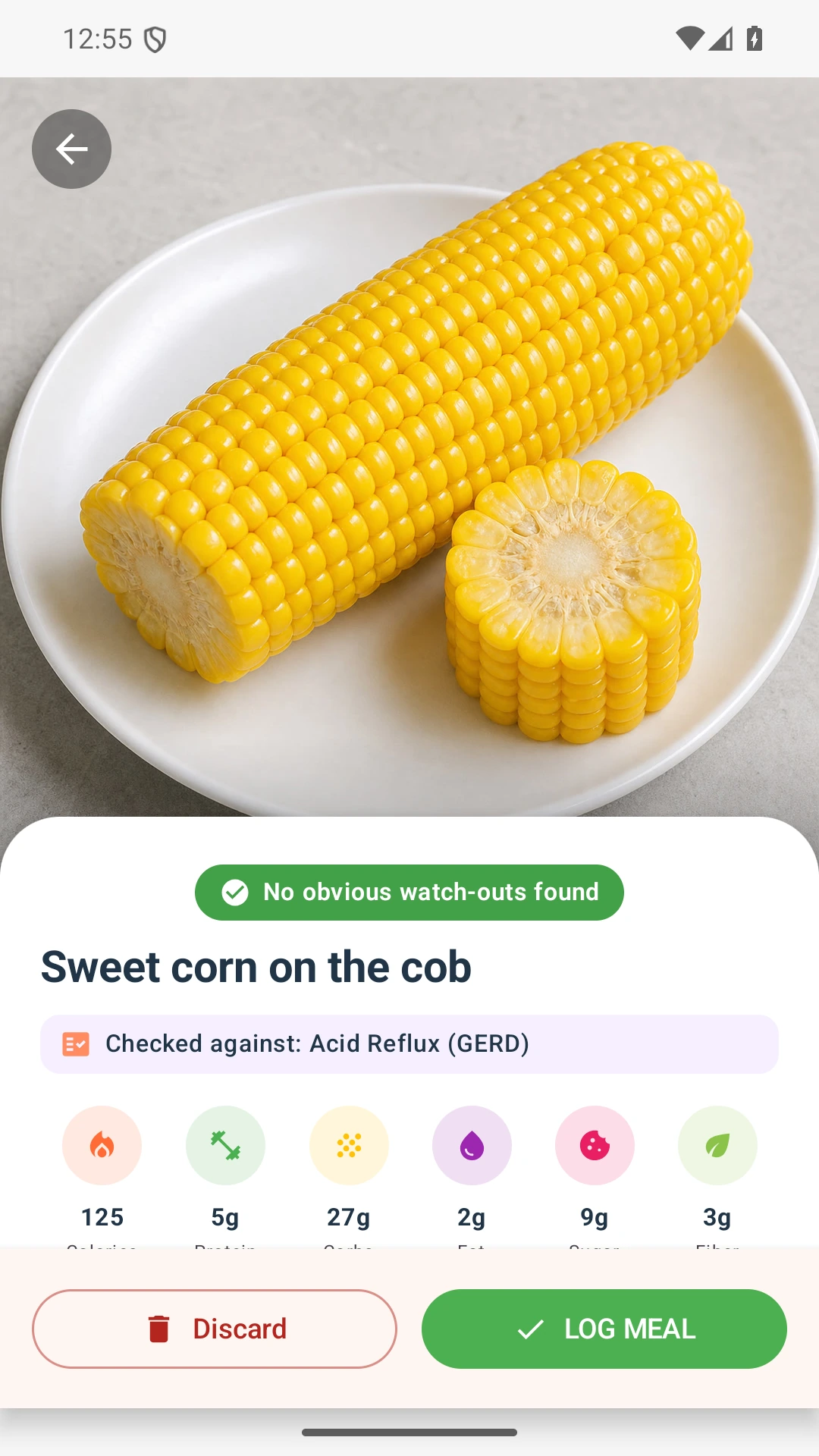
For the general population, corn presents no significant safety concerns at normal consumption levels EFSA. Individuals with specific allergies to corn or conditions that require strict carbohydrate monitoring (e.g., certain diabetes management plans) should consult a healthcare professional. Tracking Tip: Sweet corn, on the cob, or kernels are generally what is referred to here. Popcorn and cornmeal have significantly different calorie densities (375 kcal/100g and 362 kcal/100g respectively) and should be tracked separately USDA FoodData Central.
Conclusion: A Balanced Approach to Corn and Weight Loss
Corn is a versatile food that can be included in a Weight Loss Diet, earning an AMBER rating from DietVox. Its moderate calorie density, fibre content, and nutritional contributions make it a valuable addition when consumed in appropriate portions and prepared healthily. While it is starchier than many other vegetables, understanding its place within a balanced, calorie-controlled diet allows individuals to enjoy corn without derailing their weight management goals. As with any food, moderation and thoughtful integration are key to success FDA added sugars label guidance.
Disclaimer: This article is for informational purposes only and does not constitute medical advice. Always consult a healthcare provider before making changes to your diet, especially if you have a medical condition.
Scan your foods with the DietVox app to get personalized ratings based on your specific dietary needs and health goals.
Last reviewed: June 2026
How It Works
Why Corn is Rated AMBER
Corn receives an AMBER rating for a Weight Loss Diet due to its moderate calorie density (86 kcal/100g) and higher carbohydrate content (19.0g/100g) compared to non-starchy vegetables. While it offers valuable fibre (2.7g/100g) and some protein (3.3g/100g) contributing to medium satiety, its starchy nature means it requires careful portion control to fit within a calorie-restricted plan. It is not as calorically dense as 'RED' foods, nor as low in calories and high in fibre as many 'GREEN' rated foods ideal for unrestricted consumption. Therefore, corn is acceptable in moderate portions as part of a balanced meal, but not for unlimited intake [DietVox Rating Explanation].
Scan any food. Get an instant RED/AMBER/GREEN rating.
DietVox analyses every food across 4 diet protocols — no guesswork.
Try DietVox Free →Try These Instead
Safer alternatives that won't trigger your symptoms.
Frequently Asked Questions
Is popcorn suitable for a Weight Loss Diet?
Air-popped popcorn without added fats or sugars can be a high-fibre snack. However, most commercial or microwave popcorn is very calorie-dense (up to 375 kcal/100g) due to added oils, butter, and salt, making it less suitable for a Weight Loss Diet. Always check nutritional labels USDA FoodData Central.
What is the best way to prepare corn for weight loss?
The best ways to prepare corn for weight loss involve methods that do not add significant calories or unhealthy fats. Steaming, boiling, or grilling corn on the cob or kernels are excellent choices. Avoid frying or adding excessive butter, cheese, or creamy sauces. Season with herbs, spices, or a squeeze of lime instead MedlinePlus dietary fats overview.
How does corn compare to other starchy vegetables for weight loss?
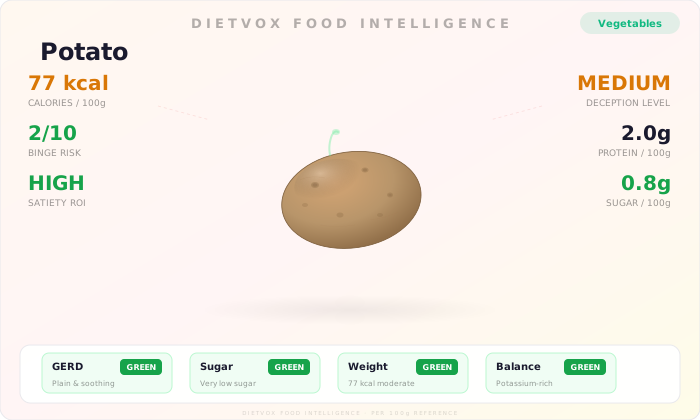
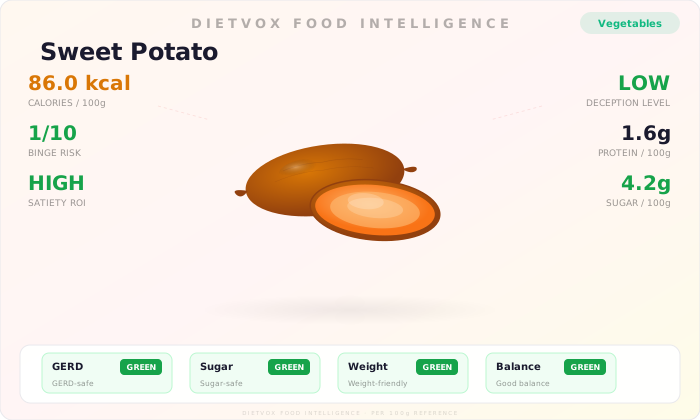
Corn, potatoes, and sweet potatoes are all starchy vegetables with moderate calorie densities (around 80-90 kcal/100g). They offer fibre and nutrients but require portion control on a Weight Loss Diet. Non-starchy vegetables like broccoli or spinach are much lower in calories and can be consumed more liberally, making them generally preferred for maximizing nutrient intake while minimizing calories FDA added sugars label guidance.
Can canned corn be part of a weight loss diet?
Yes, canned corn can be part of a Weight Loss Diet, but it is important to choose varieties with no added salt or sugar. Rinse canned corn thoroughly to reduce sodium content. Fresh or frozen corn is often preferred as it typically contains fewer additives USDA FoodData Central.
Does corn offer any specific nutrients beneficial for weight loss?
Corn provides dietary fibre (2.7g/100g), which contributes to satiety and digestive health, both indirectly beneficial for weight management. It also contains some protein (3.3g/100g) and essential B vitamins (folate, thiamine, niacin), which support metabolism, as well as antioxidants like lutein and zeaxanthin, important for overall health USDA FoodData Central.