DietVox Rating: GREEN
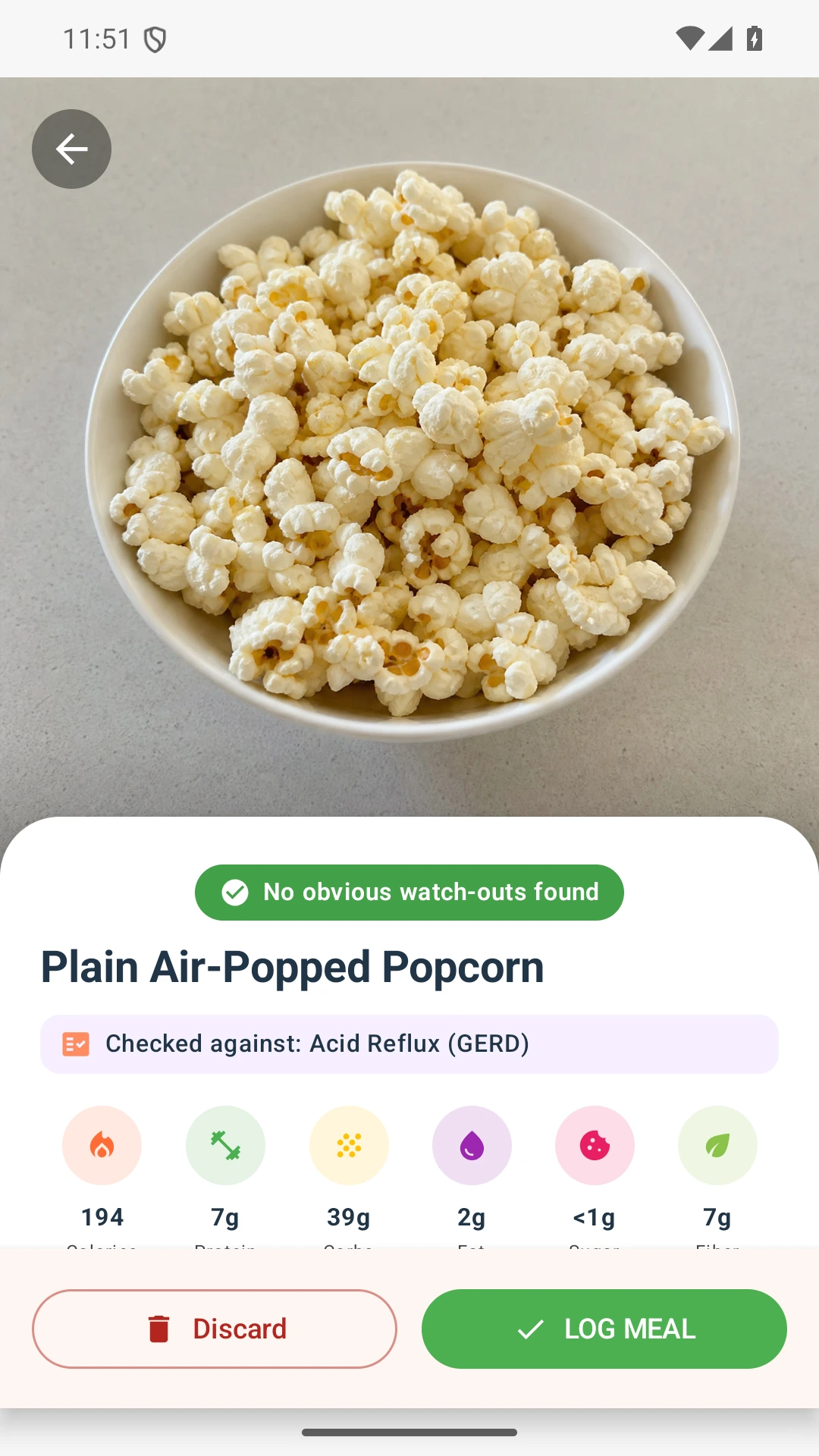
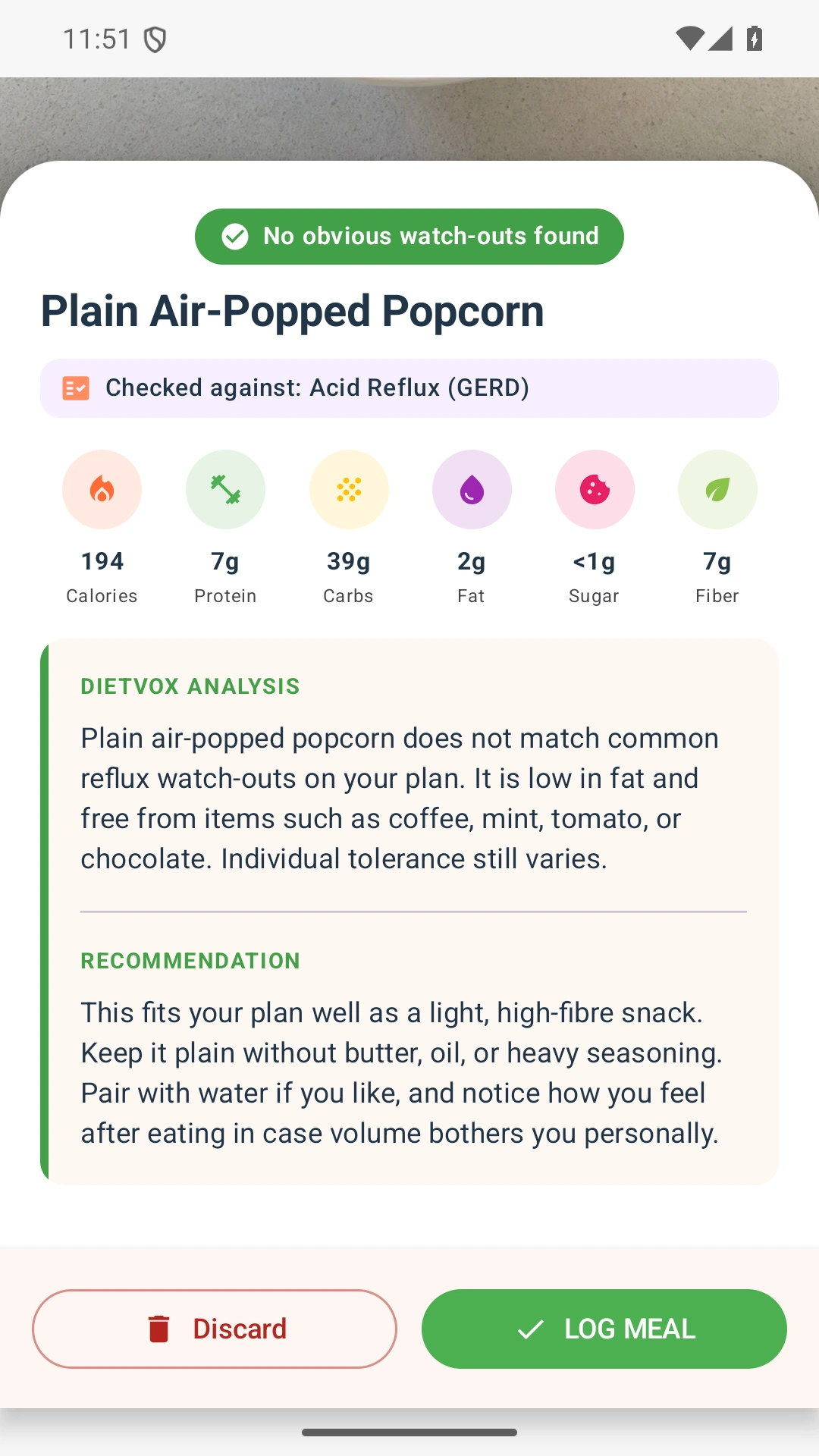
DietVox rates Popcorn as GREEN for a Weight Loss Diet. This rating signifies that, when prepared correctly, popcorn is an excellent food choice that can actively support weight management goals. The conversation around popcorn weight loss hinges almost entirely on its preparation. Air-popped, unadulterated popcorn is a high-volume, low-calorie, high-fibre snack that promotes fullness. Conversely, popcorn laden with butter, oil, and sugar becomes a calorie-dense food that can hinder weight loss efforts.
This analysis focuses on plain, air-popped popcorn, which forms the basis of our GREEN rating. It is a whole grain snack that can satisfy cravings for crunchy textures without derailing a calorie-controlled eating plan.
A Nutritional Deep Dive for Weight Loss
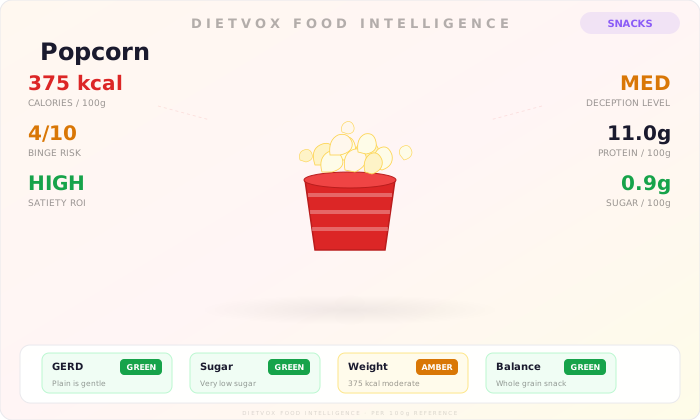
At first glance, the nutrition data for popcorn might seem confusing for a weight loss food. Per 100g, it contains 375 kcal and 74.0g of carbohydrates USDA FoodData Central (FDC ID 168916). However, this is a classic case where weight-based metrics are misleading. Popcorn is extremely light and airy.
A more practical measure is by volume. A single cup of air-popped popcorn contains only about 31 calories. A satisfying 3-cup serving, which can feel substantial, provides fewer than 100 calories, making it a powerful tool for managing hunger within a calorie budget.
Key nutritional highlights relevant to a weight loss diet include:
- Dietary Fibre: Popcorn is an excellent source of fibre, providing 15.0g per 100g. Dietary fibre is crucial for weight management. It slows digestion, which helps to stabilise blood sugar levels and prolong feelings of fullness, reducing the likelihood of overeating MedlinePlus fiber overview. High-fibre diets are consistently associated with lower body weight.
- Whole Grain Status: Popcorn is a 100% unprocessed whole grain. Diets rich in whole grains are linked to numerous health benefits, including a lower risk of obesity MedlinePlus dietary guidelines overview. Whole grains provide more nutrients and fibre than refined grains, contributing to greater satiety.
- Protein Content: With 11.0g of protein per 100g, popcorn contributes to the overall satiety of the snack. Protein is the most satiating macronutrient, and including it in snacks can help control appetite effectively throughout the day PubMed.
The Popcorn Pitfall: How Preparation Dictates its Diet-Friendliness
The GREEN rating is conditional. The significant variation in calories and nutritional value based on preparation method is why popcorn has a 'Medium' tracking difficulty.
- Air-Popped (The Gold Standard): This method uses only hot air to pop the kernels. It involves no added oils, fats, or sugars, preserving the low-calorie nature of the food. This is the recommended preparation for any weight loss diet.
- Oil-Popped (Stovetop): Popping kernels in oil on the stove can add 50-100 calories or more per serving, depending on the amount of oil used. While still better than other options if a minimal amount of a healthy oil is used, it requires careful tracking.
- Microwave Bag Popcorn: Most commercially available microwave popcorn bags contain high levels of added fats (including saturated and sometimes partially hydrogenated oils), excessive sodium, and artificial flavourings. These additions can easily triple the calorie count compared to air-popped versions and work against health and weight loss goals CDC healthy eating guidance.
- Cinema & Pre-Made Popcorn: This is typically the least healthy option, often popped in large amounts of oil and drenched in butter-flavoured topping. A medium-sized bucket can contain over 1,000 calories and a significant amount of saturated fat, making it unsuitable for a weight loss plan.
Practical Guide: Integrating Popcorn into Your Weight Loss Plan
To leverage popcorn's benefits for weight loss, follow these practical strategies:
- Prioritise Air-Popping: Invest in an air popper or use a microwave-safe bowl with a lid to pop plain kernels. This gives you complete control over the ingredients.
- Practice Portion Control: While low in calories per cup, they are not zero. Measure your portion. A 3-to-4-cup serving is a satisfying and voluminous snack that fits easily into most calorie budgets.
- Season Smartly: Skip the melted butter and excess salt. Experiment with flavourful, low-calorie toppings: * A sprinkle of nutritional yeast for a cheesy, savoury flavour. * Smoked paprika, cumin, or chili powder for a spicy kick. * Cinnamon for a sweet-tasting, sugar-free option. * A light misting of olive or avocado oil spray (a few calories) can help seasonings stick.
- Strategic Snacking: Use popcorn to manage hunger between meals. Its high volume can prevent you from reaching for calorie-dense alternatives like crisps or biscuits. A 2012 source review listed in the Nutrition Journal found that a 15-calorie portion of popcorn was more effective at quelling short-term hunger than a 150-calorie portion of potato crisps PubMed.
Disclaimer: This article is for informational purposes only and does not constitute medical advice. Always consult a healthcare provider before making changes to your diet, especially if you have a medical condition.
Scan your foods with the DietVox app to get personalized ratings based on your specific dietary needs and health goals.
Last reviewed: June 2026
How It Works
Why Popcorn is Rated GREEN for Weight Loss
Popcorn's GREEN rating for a Weight Loss Diet is rooted in its exceptional 'Satiety ROI' (Return on Investment). This means it delivers a high degree of fullness and satisfaction for a very low-calorie cost, a critical factor for sustainable weight management. The mechanism is driven by three key properties:
- High Volume & Low Calorie Density: Popcorn's primary advantage is its physical volume. The popping process expands the kernel, creating a large, airy snack. Consuming high-volume, low-calorie-density foods is a proven strategy for weight loss. These foods fill the stomach, activating stretch receptors that send satiety signals to the brain, helping you feel full on fewer calories PubMed. A 3-cup serving of air-popped popcorn is visually and physically more substantial than a small handful of nuts or a few squares of chocolate for the same calorie count.
- High Fibre Content for Sustained Fullness: With an impressive 15.0g of dietary fibre per 100g, popcorn promotes satiety that lasts. Soluble fibre forms a gel-like substance in the digestive tract, slowing the absorption of nutrients and delaying gastric emptying. This process helps to regulate blood sugar levels and prolongs the feeling of fullness long after the snack is finished NHS. This sustained satiety is crucial for preventing compensatory eating later in the day.
- Whole Grain Complexity: As a 100% whole grain, popcorn provides complex carbohydrates. Unlike the simple sugars found in many processed snacks, these carbohydrates are broken down more slowly by the body. This provides a more stable and sustained release of energy, preventing the sharp blood sugar spikes and subsequent crashes that can trigger cravings and hunger, a principle supported by global dietary guidelines WHO.
Scan any food. Get an instant RED/AMBER/GREEN rating.
DietVox analyses every food across 4 diet protocols — no guesswork.
Try DietVox Free →Try These Instead
Safer alternatives that won't trigger your symptoms.
Frequently Asked Questions
What is the best way to prepare popcorn for weight loss?
The best method is using an air popper, which uses only hot air and adds no extra calories from fat. Alternatively, you can place 1/4 cup of kernels in a brown paper bag or a microwave-safe bowl with a vented lid and microwave for 2-3 minutes. This avoids the added oils, sodium, and chemicals found in pre-packaged microwave popcorn.
How much popcorn can I eat on a diet?
A typical serving size that is both satisfying and low in calories is 3 to 4 cups of air-popped popcorn, which contains approximately 93 to 124 calories. This portion provides significant volume to help you feel full. It's always best to measure your portion rather than eating directly from a large bowl to ensure accurate calorie tracking.
Is microwave bag popcorn okay for weight loss?
Most commercial microwave popcorn bags are not recommended for a weight loss diet. They often contain high amounts of unhealthy fats, sodium, and artificial flavourings that significantly increase the calorie count and can undermine health goals. Always check the nutrition label; some 'light' versions may be better, but air-popping plain kernels is the superior choice.
What are some healthy toppings for popcorn on a weight loss diet?
To keep popcorn a diet-friendly snack, choose low-calorie, high-flavour toppings. Good options include nutritional yeast for a cheesy taste, smoked paprika, chili powder, onion powder, garlic powder, or dried herbs like rosemary. A very light spritz of olive oil spray can help the seasonings stick without adding significant calories.
Does popcorn count towards my 5 A Day?
No, popcorn does not count towards your 5 A Day of fruits and vegetables. According to the NHS, popcorn is classified as a starchy food, specifically a whole grain. While it is a healthy, high-fibre snack choice, it does not fall into the fruit or vegetable category CDC healthy eating guidance.