DietVox Rating: GREEN

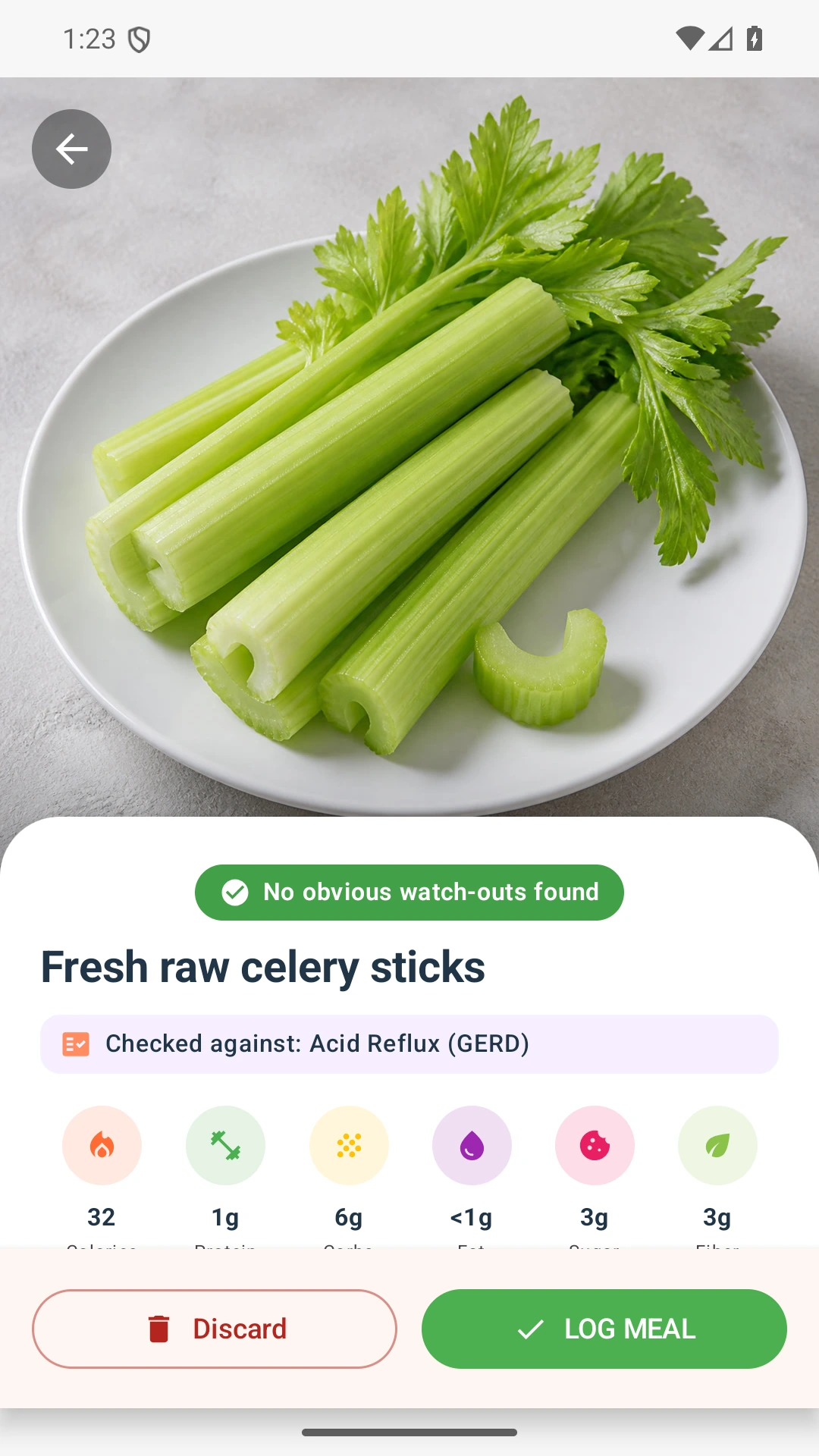
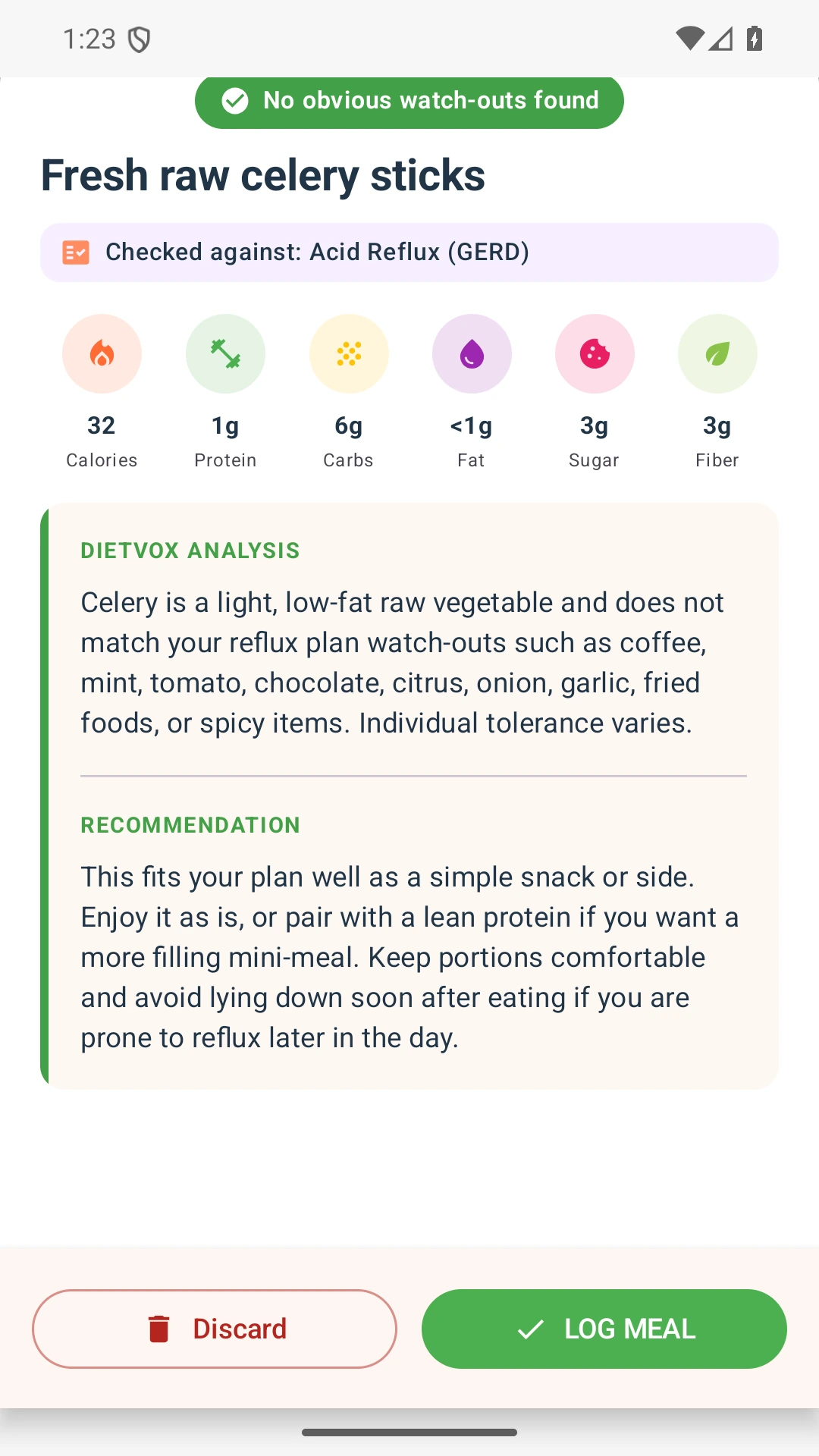
For individuals exploring celery weight loss strategies, this common vegetable is a standout performer. DietVox rates celery as GREEN for a Weight Loss Diet. This rating indicates that celery can be consumed freely, as its nutritional profile aligns perfectly with the primary goal of weight management: achieving a sustainable calorie deficit without sacrificing food volume or meal satisfaction.

Celery's extremely low calorie count, combined with its high water content, makes it a powerful tool for anyone on a calorie-controlled eating plan. It allows you to add significant bulk, crunch, and hydration to your meals for a negligible caloric cost, helping to manage hunger while staying within your daily energy targets.

Celery's Role in a Calorie-Controlled Diet

The fundamental principle of weight loss is to consume fewer calories than your body expends CDC healthy weight guidance. Foods with low calorie density are crucial for achieving this, as they allow for larger, more filling portions. Celery is a prime example of such a food.

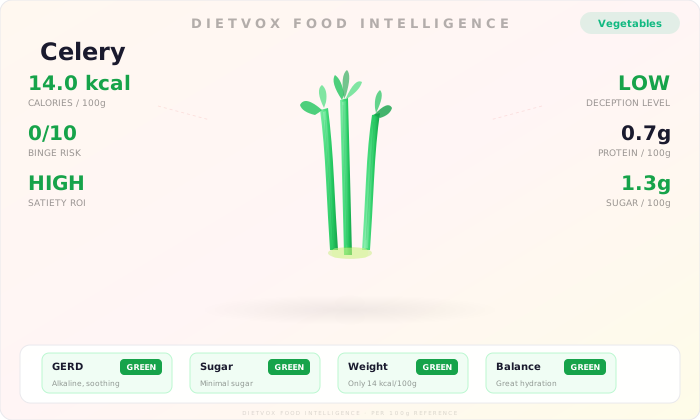
Nutritional Breakdown (per 100g): - Calories: 14 kcal - Protein: 0.7 g - Fat: 0.2 g - Carbohydrates: 3.0 g - Fibre: 1.6 g - Sugars: 1.3 g - Water: 95.4 g

Source: USDA FoodData Central (FDC ID 169987)

This profile is exceptional for a Weight Loss Diet. With only 14 calories per 100g, you can consume a substantial amount of celery without making a significant dent in your daily calorie budget. Its composition of over 95% water contributes to hydration, which is vital for metabolic function and can also help promote feelings of fullness CDC healthy weight guidance.

The Science of Celery, Satiety, and the "Negative Calorie" Myth

It's important to understand how celery supports weight loss and to address common misconceptions.

The Truth About "Negative Calories" A popular myth suggests celery is a "negative-calorie" food, meaning you burn more calories digesting it than it contains. While the body does use energy to digest food—a process called the thermic effect of food (TEF)—this effect is not significant enough to negate the calories in celery. For example, a 100g serving contains 14 calories, but your body might only use 1-2 calories to process it CDC healthy weight guidance. The real benefit is not a magical calorie-burning effect, but its extremely low calorie density.

Volume, Not Protein, is Celery's Strength Our Health Forensics analysis gives celery a 'LOW' Satiety ROI. This is because, on its own, its low protein (0.7g) and fibre (1.6g) content do not trigger strong, long-lasting fullness signals. However, its power lies in contributing to the overall volume of a meal. source review consistently shows that consuming a larger volume of low-energy-density foods enhances satiety and can lead to a lower overall calorie intake PubMed. By adding a cup of chopped celery to a soup or salad, you increase the meal's size and the time it takes to eat, promoting fullness without adding significant calories.

How to Use Celery for Effective Weight Loss To leverage celery's benefits, integrate it strategically into your Weight Loss Diet.

1. As a Low-Calorie Snack Vehicle: Instead of high-calorie crackers or chips, use crisp celery sticks as a base for healthy toppings. Pair them with a measured portion of protein-rich dips like hummus, Greek yogurt dip, or natural peanut butter. The combination of celery's crunch and the dip's protein and healthy fats can create a satisfying and filling snack.

2. As a Meal-Bulking Ingredient: Add finely chopped celery to almost any savoury dish to increase its volume. This works exceptionally well in: - Soups and Stews: It adds texture and flavour without a caloric penalty. - Salads: Provides a satisfying crunch and increases the overall portion size. - Stir-fries: Adds bulk and helps you use less of higher-calorie ingredients like noodles or rice. - Minced Meat Dishes: Mixing chopped celery into ground turkey or beef for burgers or bolognese can reduce the overall calorie density of the dish.

3. Celery Juice: A Word of Caution The celery juice trend is popular, but for weight loss, the whole stalk is superior. Juicing removes the dietary fibre, which is a key component for promoting satiety and supporting digestive health. While the juice is still low in calories, you miss out on the volume-enhancing and hunger-managing benefits of the whole vegetable CDC healthy eating guidance. For the best results on a Weight Loss Diet, choose to eat your celery, not drink it.

DietVox Health Forensics for Celery

  • Tracking Difficulty: LOW Celery is straightforward to track for those counting calories. Its form is consistent, and a 'stalk' is a commonly understood unit. Its low caloric value also means that minor inaccuracies in portion size have a negligible impact on your total daily intake, making it a stress-free addition to your food log.
  • Safety and Considerations Celery is safe for the vast majority of people. As with any food, allergies are possible but uncommon. When purchasing non-organic celery, it's advisable to wash it thoroughly under running water to minimize potential pesticide residues, a general recommendation for all fresh produce from health authorities like the CDC healthy eating guidance.

Disclaimer: This article is for informational purposes only and does not constitute medical advice. Always consult a healthcare provider before making changes to your diet, especially if you have a medical condition.

Scan your foods with the DietVox app to get personalized ratings based on your specific dietary needs and health goals.

Last reviewed: June 2026

How It Works

Why Celery is Rated GREEN for a Weight Loss Diet

Celery earns its GREEN rating from DietVox by excelling in three key areas critical for a successful Weight Loss Diet:

  1. Extremely Low Calorie Density: At just 14 kcal per 100g, celery is one of the lowest-calorie foods available USDA FoodData Central (FDC ID 169987). The principle of calorie density is a cornerstone of effective weight management. Foods with low calorie density allow you to eat larger, more satisfying portions without consuming excess energy. This helps prevent feelings of deprivation that can derail a diet, making celery an ideal food to consume in generous quantities.
  1. High Water and Volume Contribution: Celery is composed of over 95% water. This high water content contributes to both hydration and meal volume. Consuming water-rich foods can increase feelings of fullness, helping you to manage your appetite effectively CDC healthy weight guidance. By adding celery to meals, you are physically increasing the amount of food on your plate, which can be psychologically satisfying and help signal to your brain that you've eaten a substantial meal.
  1. Provides Texture and Crunch: The physical act of chewing contributes to the satiety process. The crunchy, fibrous texture of celery requires more chewing than softer foods, which can slow down eating speed and enhance meal satisfaction. This makes it a useful tool for mindful eating and can help prevent overconsumption. It serves as a satisfying, low-calorie alternative to processed, crunchy snacks like chips or crackers.

In summary, celery's GREEN rating is not based on any single 'miracle' property but on its powerful combination of low energy contribution, high volume, and satisfying texture, making it an exemplary food for supporting a calorie deficit.

Scan any food. Get an instant RED/AMBER/GREEN rating.

DietVox analyses every food across 4 diet protocols — no guesswork.

Try DietVox Free →

Try These Instead

Safer alternatives that won't trigger your symptoms.

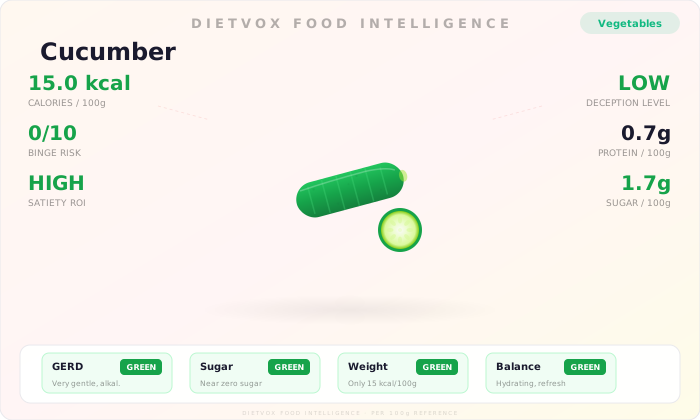
Cucumber illustration

Cucumber

15 kcal Vegetables
GREEN GERD
GREEN Sugar
GREEN Weight
GREEN Balance
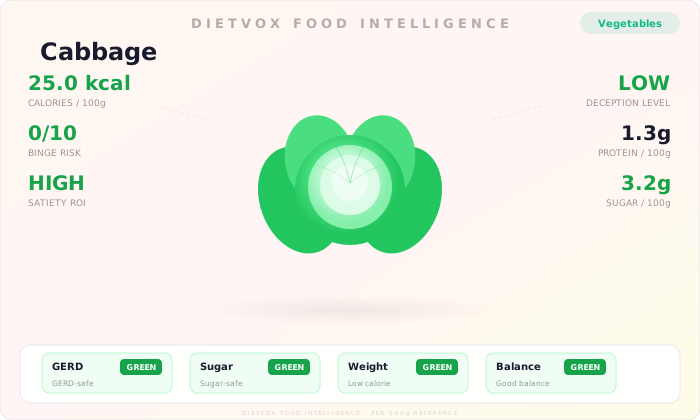
Cabbage illustration

Cabbage

25 kcal Vegetables
GREEN GERD
GREEN Sugar
GREEN Weight
GREEN Balance
Broccoli illustration

Broccoli

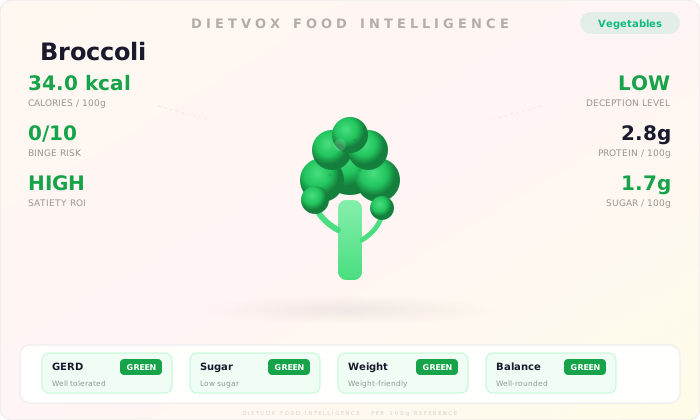
34 kcal Vegetables
GREEN GERD
GREEN Sugar
GREEN Weight
GREEN Balance
Popcorn illustration

Popcorn

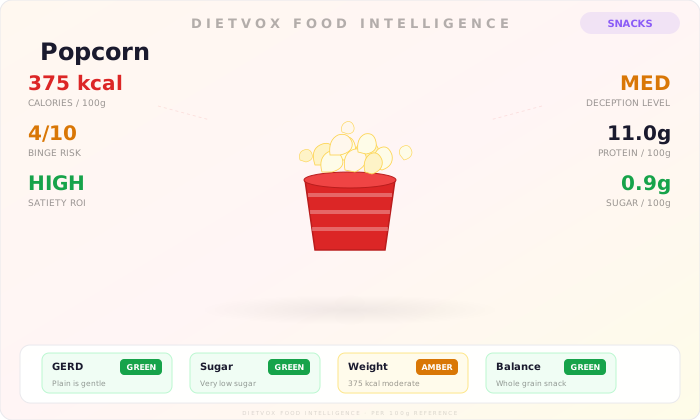
375 kcal Snacks
GREEN GERD
GREEN Sugar
GREEN Weight
GREEN Balance

Frequently Asked Questions

Does celery have 'negative calories' and help you burn fat?

The idea that celery has 'negative calories' is a persistent myth. While your body does use energy (calories) for digestion, this amount is very small and does not exceed the 14 calories present in 100g of celery. According to Harvard Health, no food is truly 'negative calorie'. Celery aids weight loss by being extremely low in calories, not by actively burning fat.

Is celery juice better than eating whole celery for weight loss?

No, for weight loss, eating whole celery is significantly better than drinking its juice. Juicing removes the dietary fibre, which is crucial for providing volume and promoting a feeling of fullness. The Mayo Clinic notes that whole fruits and vegetables are generally a better choice for managing hunger. Whole celery provides crunch, volume, and fibre, making it a more effective tool for a Weight Loss Diet.

How much celery can I eat per day on a weight loss diet?

Due to its very low calorie and high water content, there is no strict upper limit on celery consumption for most people following a weight loss diet. However, it is essential to consume a varied and balanced diet to ensure you receive all necessary nutrients. Relying too heavily on any single food, even one as low-calorie as celery, can lead to nutritional gaps. Use celery as a component to bulk up a diverse range of meals.

Does cooking celery affect its benefits for weight loss?

Cooking does not significantly impact celery's primary benefit for weight loss, which is its low calorie density. While some water-soluble vitamins may be slightly reduced during cooking, its fibre content remains largely intact and it is still a very low-calorie ingredient. Both raw and cooked celery are excellent choices, provided the cooking method doesn't add significant amounts of fat, such as deep frying. Steaming, boiling, or roasting are all healthy preparations.

Related Reading