DietVox Rating: GREEN

For individuals navigating a Weight Loss Diet, the choice of foods that offer substantial volume with minimal calories is paramount. When it comes to effective cabbage weight loss strategies, this versatile vegetable stands out as an excellent option. DietVox rates Cabbage as GREEN for a Weight Loss Diet, indicating it is highly recommended and aligns well with the principles of calorie reduction and satiety.

Cabbage is a cruciferous vegetable known for its crisp texture and mild flavor, making it a staple in various cuisines worldwide. Its nutritional profile, characterized by low calorie density and a good fibre content, positions it as a strategic food for those aiming to manage their weight effectively USDA FoodData Central (FDC ID 170387). This comprehensive guide will explore why cabbage earns its GREEN rating and how it can be seamlessly integrated into your weight loss journey.

The Nutritional Edge for Weight Loss

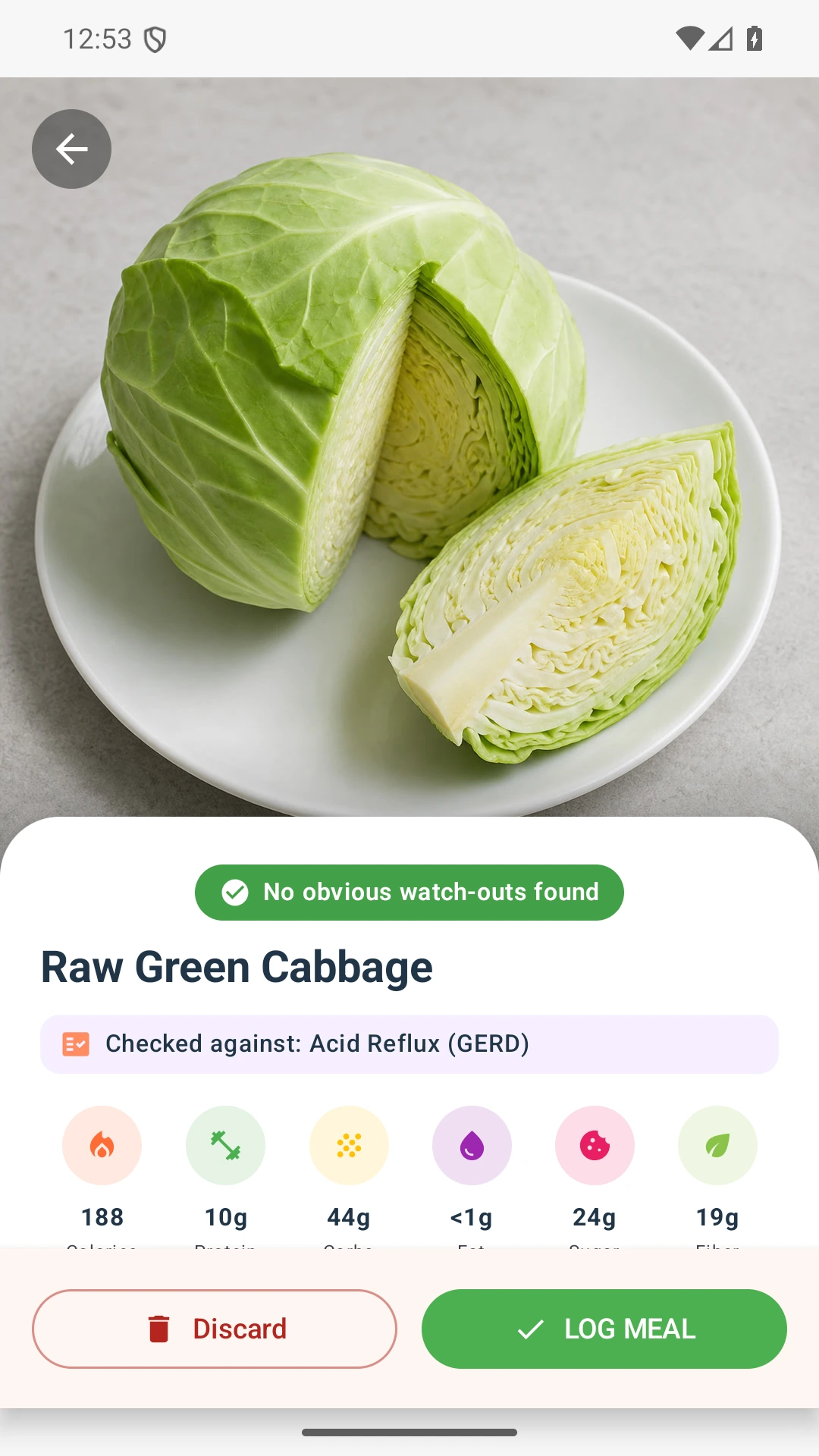
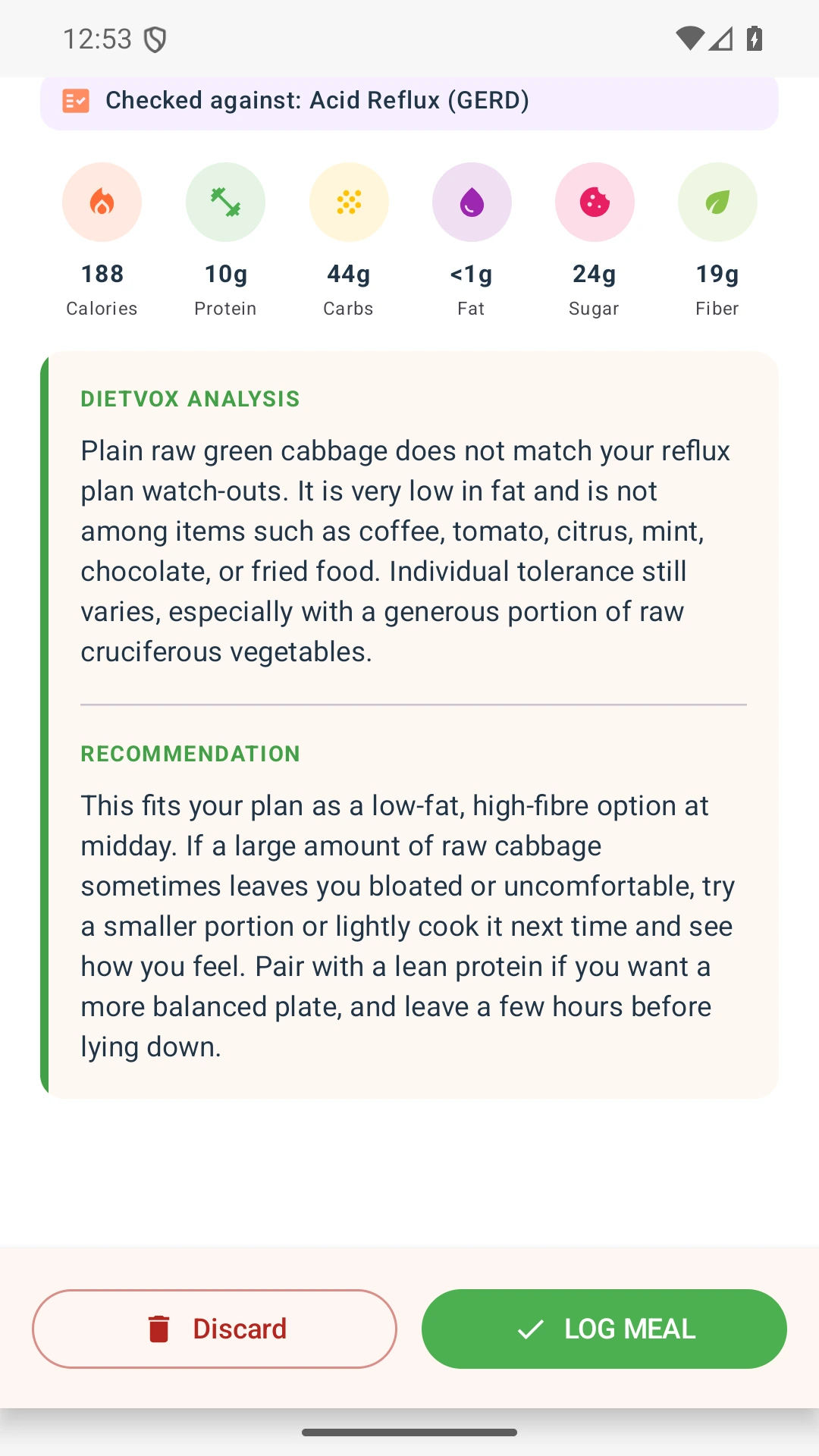
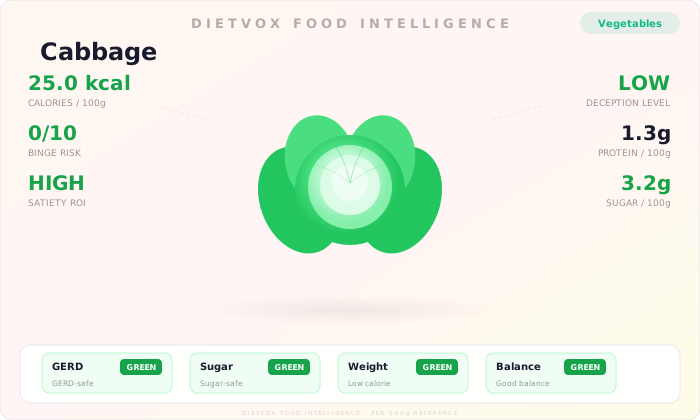
Understanding the specific nutritional composition of cabbage reveals why it is such a valuable ally for a Weight Loss Diet. Per 100 grams, cabbage contains:

Low Calorie Density and High Volume

One of the most significant advantages of cabbage for weight loss is its incredibly low calorie density. At just 25 kcal per 100g, it is among the lowest-calorie vegetables available. This means you can consume substantial portions of cabbage, feeling satisfied and full, without significantly impacting your daily caloric intake. Foods with low calorie density are a cornerstone of effective weight loss strategies, as they help manage hunger and promote satiety CDC healthy weight guidance.

Fibre for Satiety and Digestive Health

Cabbage provides 2.5g of dietary fibre per 100g. Fibre is crucial for weight management because it adds bulk to food, promoting a feeling of fullness and reducing overall food intake. It also slows down digestion, helping to stabilize blood sugar levels and prevent sudden cravings MedlinePlus fiber overview. Furthermore, adequate fibre intake supports healthy bowel function, which is essential for overall well-being during a Weight Loss Diet NHS.

Rich in Vitamins and Hydration

Beyond its macronutrient profile, cabbage is a good source of essential micronutrients, particularly Vitamin C and Vitamin K. Vitamin C is an antioxidant that supports immune function, while Vitamin K is vital for blood clotting and bone health NHS. Cabbage also has a high water content, contributing to hydration, which is beneficial for satiety and metabolic processes WHO.

Integrating Cabbage into Your Weight Loss Plan

Incorporating cabbage into your Weight Loss Diet is straightforward due to its versatility and mild flavor. Here are some practical tips:

Cooking Methods

Cabbage can be enjoyed raw, steamed, boiled, stir-fried, roasted, or fermented. To retain maximum nutrients and avoid adding excess calories, opt for steaming, roasting with minimal oil, or consuming it raw. Overcooking can diminish its crispness and some nutrient content.

Meal Ideas

  • Salads: Shred raw cabbage into salads for extra crunch and volume. It pairs well with other vegetables, lean proteins, and light dressings.
  • Soups and Stews: Cabbage is an excellent base for low-calorie, filling soups and stews. Think vegetable soup, cabbage soup, or adding it to chicken broth-based dishes.
  • Stir-fries: Add shredded cabbage to stir-fries alongside lean protein and other non-starchy vegetables. Use minimal oil and low-sodium sauces.
  • Slaws: Create healthy slaws using a vinegar-based dressing instead of creamy, high-fat alternatives.
  • Wraps/Tacos: Use large cabbage leaves as a low-carb alternative to tortillas for wraps or tacos.
  • Fermented Cabbage (Sauerkraut/Kimchi): These fermented forms offer probiotic benefits, which can support gut health. However, be mindful of sodium content in commercially prepared versions NCCIH probiotics overview.

Tracking Difficulty: LOW

Cabbage is remarkably easy to track accurately for calorie and macronutrient intake. Its consistent form and predictable caloric content per unit make it simple to measure and log, supporting diligent dietary adherence for weight loss [DietVox Health Forensics].

Potential Considerations

While cabbage is highly beneficial, some individuals may experience digestive discomfort.

Digestive Comfort

Cabbage, like other cruciferous vegetables, contains certain carbohydrates (oligosaccharides) that can cause gas and bloating in some people, especially when consumed in large quantities or by those unaccustomed to high-fibre diets NHS. Gradually increasing your intake and ensuring adequate hydration can help mitigate these effects. Cooking cabbage can also make it easier to digest for some individuals.

Goitrogens

Cabbage contains compounds called goitrogens, which in extremely high amounts could theoretically interfere with thyroid function. However, for the vast majority of people consuming cabbage in normal dietary amounts, there is no significant risk to thyroid health. Cooking cabbage also inactivates most of these compounds PubMed/NIH. The general consensus from health organizations is that the benefits of cruciferous vegetables far outweigh any potential, theoretical risks for healthy individuals MedlinePlus hypothyroidism overview.

Conclusion

Cabbage is a star player in a Weight Loss Diet, earning its GREEN rating from DietVox. Its low calorie density, high fibre content, and rich array of vitamins make it an exceptional food for promoting satiety, supporting digestive health, and contributing to overall well-being, all while keeping calorie intake in check. By incorporating cabbage into your meals in various delicious ways, you can effectively manage your hunger, enjoy nutrient-rich foods, and stay on track with your weight loss goals.

Always consult with a healthcare professional or registered dietitian for personalized dietary advice, especially if you have underlying health conditions or specific dietary needs.


Disclaimer: This article is for informational purposes only and does not constitute medical advice. Always consult a healthcare provider before making changes to your diet, especially if you have a medical condition.

Scan your foods with the DietVox app to get personalized ratings based on your specific dietary needs and health goals.

Last reviewed: June 2026

How It Works

Why Cabbage is Rated GREEN

Cabbage receives a GREEN rating for a Weight Loss Diet primarily due to its outstanding combination of low calorie density, high water content, and valuable dietary fibre. These attributes work synergistically to support effective weight management:

  1. Low Calorie Density (25 kcal/100g): Cabbage is remarkably low in calories, meaning you can consume a large volume of it without significantly increasing your overall energy intake USDA FoodData Central (FDC ID 170387). This allows for generous portion sizes, helping to fill the stomach and signal satiety without excess calories, a key strategy for weight loss CDC healthy weight guidance.
  1. High Water Content: Cabbage is largely composed of water, which contributes to its low calorie density and helps with hydration. Foods rich in water are generally more filling and can help reduce overall calorie consumption CDC healthy eating for a healthy weight.
  1. Moderate Fibre Content (2.5g/100g): The dietary fibre in cabbage plays a crucial role in satiety. Fibre adds bulk to food, slows down digestion, and contributes to a feeling of fullness, which can reduce the urge to overeat MedlinePlus fiber overview. This contributes to its MEDIUM Satiety ROI, meaning it provides a good return on fullness for its caloric investment.
  1. Nutrient Density: Despite being low in calories, cabbage is rich in essential vitamins like Vitamin C and Vitamin K USDA FoodData Central (FDC ID 170387). This ensures that while you are reducing calorie intake, you are still providing your body with vital micronutrients, supporting overall health during a Weight Loss Diet WHO.

In essence, cabbage enables individuals on a Weight Loss Diet to eat satisfying quantities of food, manage hunger effectively, and maintain adequate nutrient intake, all while adhering to a calorie-controlled eating plan.

Scan any food. Get an instant RED/AMBER/GREEN rating.

DietVox analyses every food across 4 diet protocols — no guesswork.

Try DietVox Free →

Try These Instead

Safer alternatives that won't trigger your symptoms.

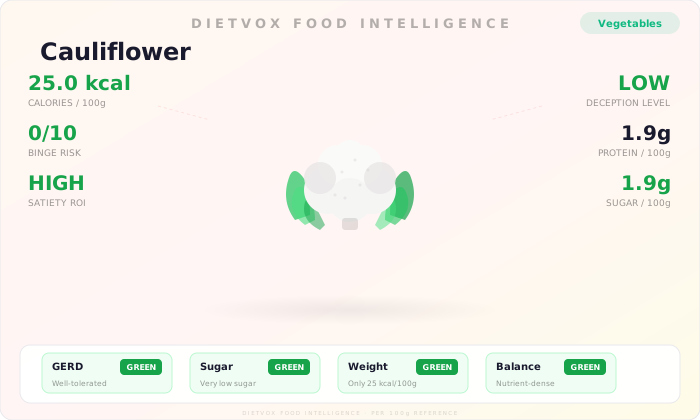
Cauliflower illustration

Cauliflower

25 kcal Vegetables
GREEN GERD
GREEN Sugar
GREEN Weight
GREEN Balance
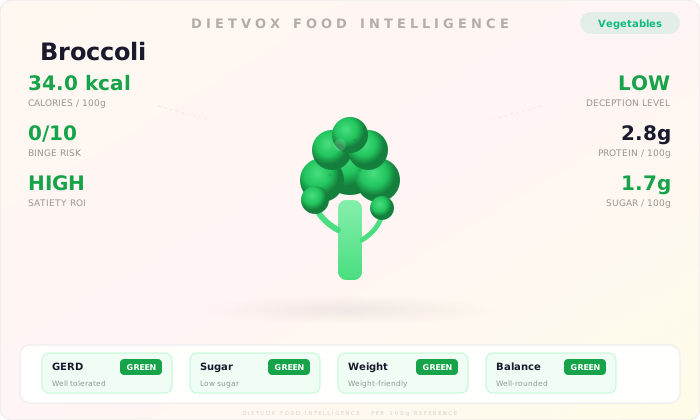
Broccoli illustration

Broccoli

34 kcal Vegetables
GREEN GERD
GREEN Sugar
GREEN Weight
GREEN Balance
Spinach illustration

Spinach

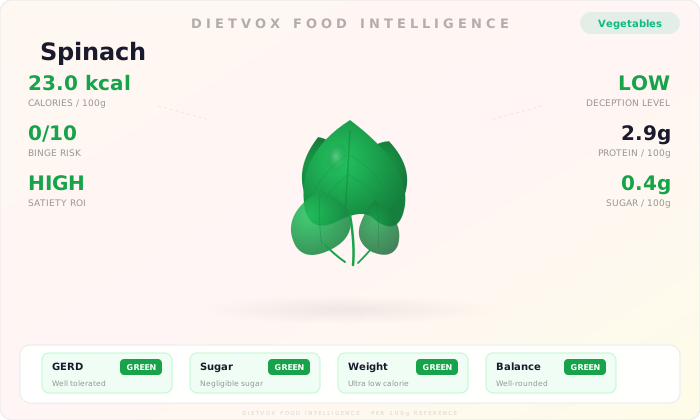
23 kcal Vegetables
GREEN GERD
GREEN Sugar
GREEN Weight
GREEN Balance
Cucumber illustration

Cucumber

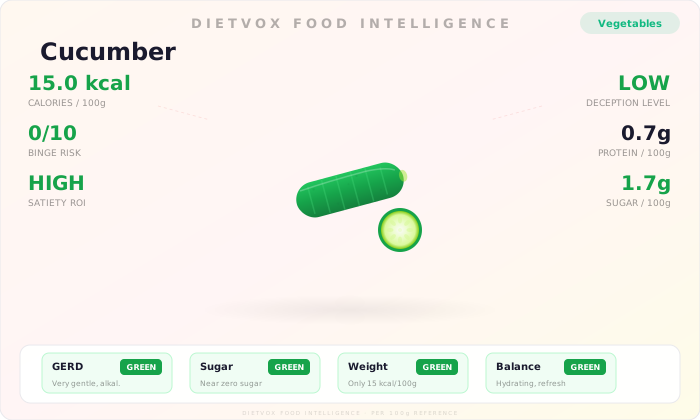
15 kcal Vegetables
GREEN GERD
GREEN Sugar
GREEN Weight
GREEN Balance

Frequently Asked Questions

Is cabbage soup effective for weight loss?

While the 'cabbage soup diet' is a very low-calorie, short-term plan that can lead to rapid weight loss, it is often unsustainable and lacks essential nutrients. Cabbage itself is excellent for weight loss, but it's best consumed as part of a balanced, varied diet rather than as the sole focus of a restrictive plan CDC healthy weight guidance.

Does cabbage help with metabolism or fat burning?

Cabbage does not directly boost metabolism or burn fat. However, its low calorie count and high fibre content support weight loss by promoting satiety and reducing overall calorie intake. A healthy metabolism is supported by a balanced diet, regular physical activity, and adequate sleep CDC healthy weight guidance.

What are the best ways to prepare cabbage for weight loss?

For weight loss, prioritize cooking methods that add minimal calories. Steaming, boiling, roasting with a small amount of healthy oil, or consuming it raw in salads and slaws are excellent choices. Avoid heavy cream-based sauces or excessive added fats to maximize its low-calorie benefits.

Can eating too much cabbage cause side effects?

While generally safe, consuming very large quantities of cabbage, especially raw, can lead to increased gas and bloating in some individuals due to its fibre and specific carbohydrates. Gradually increasing intake and ensuring adequate hydration can help mitigate these effects NHS. For most people, normal consumption levels pose no significant safety concerns [DietVox Safety Protocol].

How does cabbage compare to other vegetables for weight loss?

Cabbage is one of the top choices for weight loss due to its exceptionally low calorie density (25 kcal/100g) and high volume, which promotes fullness. It compares favorably to other low-calorie vegetables like spinach (23 kcal/100g), broccoli (34 kcal/100g), and cucumber (15 kcal/100g) in terms of providing significant bulk and nutrients for minimal calories USDA FoodData Central.

Related Reading