DietVox Rating: GREEN

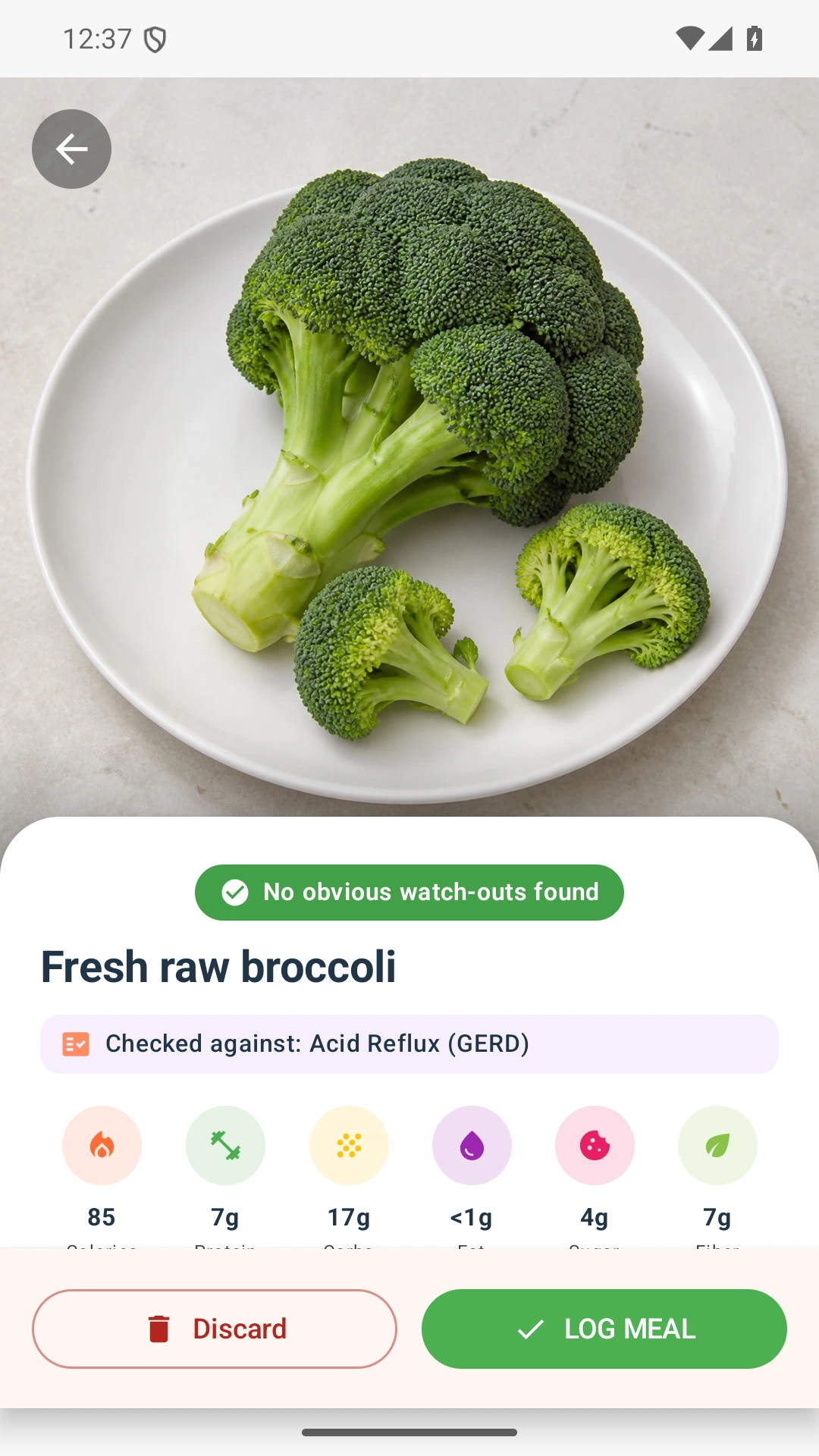
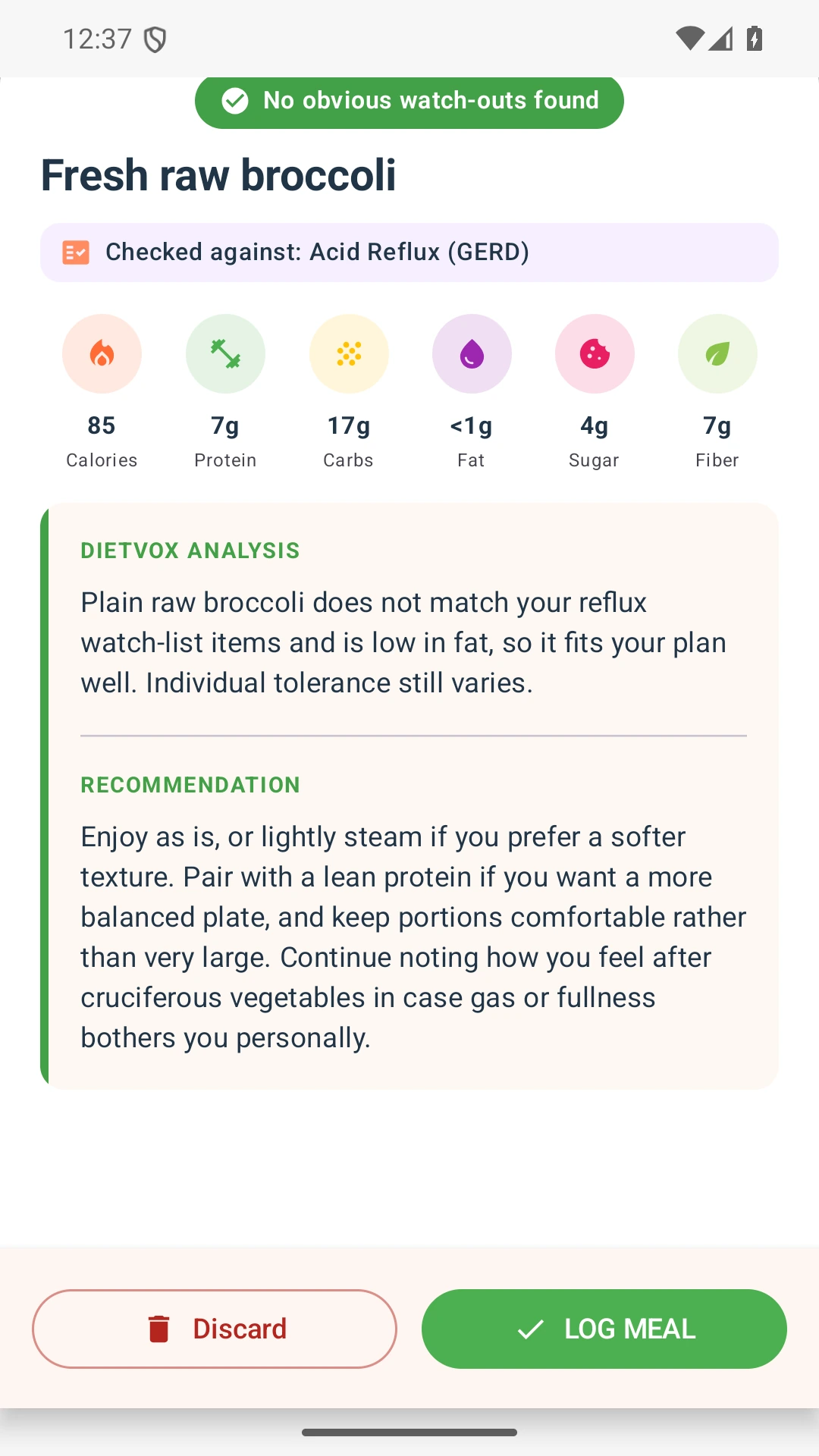
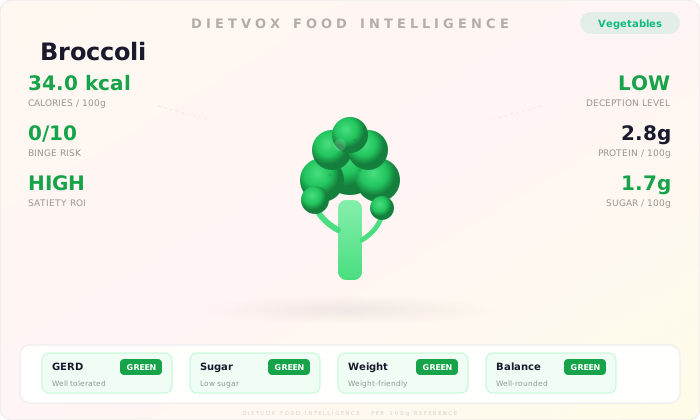
Broccoli earns a GREEN rating for a Weight Loss Diet. This means it is an exceptionally suitable food that can be consumed regularly to support your weight management goals. Its profile is characterised by very low calories, moderate fibre and protein, and high nutrient density.

This article provides a comprehensive clinical analysis of why broccoli weight loss is an effective strategy, breaking down its nutritional properties, its effect on satiety, and practical ways to integrate it into your diet.

Nutritional Profile: Broccoli's Weight Loss Credentials

The effectiveness of any food in a weight loss plan begins with its nutritional composition. Broccoli's profile is almost perfectly designed for creating a calorie deficit while maintaining nutrient intake.

According to the USDA's FoodData Central, a 100-gram (about 1 cup, chopped) serving of raw broccoli contains USDA FoodData Central (FDC ID 170379):

  • Calories: 34 kcal
  • Protein: 2.8 g
  • Fat: 0.4 g
  • Carbohydrates: 7.0 g * Dietary Fibre: 2.6 g * Sugars: 1.7 g

The two most important figures for weight loss are the extremely low calorie count and the presence of dietary fibre. The World Health Organization (WHO) recommends a diet rich in fruits and vegetables to help prevent weight gain WHO. Broccoli, as a non-starchy vegetable, fits this recommendation perfectly. Its low sugar content also ensures it has a minimal impact on blood glucose levels, preventing the energy spikes and crashes that can lead to cravings.

Beyond macronutrients, broccoli is a powerhouse of essential vitamins and minerals, including high levels of Vitamin C, Vitamin K, and Folate, which support immune function, bone health, and cellular repair—all crucial functions to maintain while your body is under the stress of a calorie deficit.

Health Forensics: A Deeper Dive into Broccoli for Weight Loss

Our Health Forensics analysis evaluates foods on criteria critical for weight management. Broccoli excels in several key areas.

Low Calorie Density

Calorie density refers to the number of calories in a given weight of food. Broccoli's calorie density is exceptionally low at 0.34 kcal per gram. The UK's National Health Service (NHS) highlights that choosing foods with lower energy density is a key strategy for weight loss, as it allows you to eat satisfying portions without overconsuming calories CDC healthy weight guidance. You can eat a 300g serving of broccoli—a very large and filling portion—for just over 100 calories. Compare this to 300g of pasta, which would be over 400 calories. This principle allows you to "fill your plate" and feel psychologically satisfied while maintaining a calorie deficit.

Satiety ROI (Return on Investment)

Satiety is the feeling of fullness and satisfaction after a meal, which influences how soon you feel hungry again. Broccoli provides a medium Satiety ROI. This is driven by its dual content of fibre and protein.

  • Fibre (2.6g/100g): The soluble and insoluble fibre in broccoli adds bulk to your meal and slows down digestion. This helps to regulate appetite and provides a sustained feeling of fullness. Numerous source reviews confirm that increased fibre intake is associated with lower body weight PubMed. A systematic review listed in The Journal of Nutrition found that dietary fibre intake promotes weight loss and adherence to calorie-restricted diets.
  • Protein (2.8g/100g): While not a high-protein food, the protein in broccoli contributes to the overall satiety of a meal. Protein is widely recognized as the most satiating macronutrient PubMed.

When combined in a meal with a lean protein source like chicken or fish, broccoli's fibre works synergistically to create a highly satiating, low-calorie dish.

Low Tracking Difficulty

Consistency is key in any weight loss journey. Diets that are difficult to track often lead to frustration and abandonment. Broccoli scores 'Low' on tracking difficulty because it's a whole food with a predictable and consistent nutritional profile. It is easy to weigh on a food scale, and its caloric value doesn't change dramatically with simple cooking methods like steaming. This makes it a reliable component for anyone meticulously tracking their daily calorie and macronutrient intake.

direct source support on Non-Starchy Vegetables and Weight Management

While no single food can cause weight loss, dietary patterns rich in non-starchy vegetables like broccoli are consistently linked to successful weight management. source review listed by Harvard Health points out that vegetables high in water and fibre, like broccoli, contribute to fullness with very few calories, which is a proven strategy for weight control CDC healthy eating guidance.

Furthermore, a large-scale cohort source review listed in PLOS Medicine tracked the dietary habits and weight changes of over 130,000 adults. The findings showed that increased intake of fruits and non-starchy vegetables was inversely associated with weight change. Cruciferous vegetables, the family to which broccoli belongs, were among the top performers for promoting weight loss PubMed. The source support strongly supports filling a significant portion of your plate with vegetables like broccoli to displace more calorie-dense foods.

Practical Tips for Including Broccoli in Your Weight Loss Diet

To maximize the benefits of broccoli for weight loss, how you prepare and incorporate it matters.

Best Preparation Methods

  • Steaming: This is one of the best methods as it preserves the most water-soluble nutrients, like Vitamin C, and requires no added fats.
  • Roasting: Roasting with a minimal spritz of olive oil and spices can enhance flavour, making it more enjoyable. Be mindful of the oil quantity, as it can quickly add calories.
  • Microwaving: A quick and convenient method that also retains a high level of nutrients.
  • Raw: Eating broccoli raw in salads or with a low-calorie dip like Greek yogurt-based tzatziki is a great way to get its full fibre content.
  • Avoid: Boiling for long periods can leach nutrients into the water. Avoid smothering broccoli in high-fat cheese sauces, butter, or creamy dressings, which negate its low-calorie advantage.

Meal Integration Ideas

  • Bulk up main courses: Add a cup of chopped broccoli to stir-fries, omelettes, pasta sauces, or casseroles to increase the volume and nutrient content of the meal without significantly increasing calories.
  • As a primary side dish: Serve a large portion of steamed or roasted broccoli alongside a serving of lean protein (e.g., grilled chicken breast, baked salmon) and a small portion of complex carbs (e.g., quinoa).
  • In soups and stews: Blended broccoli can create a creamy, low-calorie soup base.
  • As a snack: Raw broccoli florets can be a crunchy, satisfying snack that helps you avoid high-calorie processed options.

Debunking Common Misconceptions

  • Myth: Broccoli is a "negative calorie" food. The idea that you burn more calories digesting broccoli than it contains is a persistent myth. While the thermic effect of food (TEF) means you do use energy for digestion, it only accounts for a fraction of the food's total calories. The real benefit of broccoli is its very low calorie count, not a "negative" one CDC healthy weight guidance.
  • Myth: You can eat unlimited broccoli. While it is very difficult to overeat broccoli to the point of weight gain, all foods contain calories. Weight loss is ultimately determined by maintaining a consistent calorie deficit. Use broccoli as a tool to help you achieve this deficit comfortably, but remember it is part of your total daily intake.

Disclaimer: This article is for informational purposes only and does not constitute medical advice. Always consult a healthcare provider before making changes to your diet, especially if you have a medical condition.

Scan your foods with the DietVox app to get personalized ratings based on your specific dietary needs and health goals.

Last reviewed: June 2026

How It Works

Why Broccoli is Rated GREEN

DietVox assigns Broccoli a GREEN rating for a weight loss diet based on four key source-reviewed principles. This rating signifies that it is an excellent food to include regularly for effective and healthy weight management.

  1. Extremely Low Calorie Density: Broccoli contains just 34 calories per 100g serving USDA FoodData Central (FDC ID 170379). This allows you to eat a large, visually satisfying portion, which helps fill your stomach and achieve physical fullness without consuming a significant number of calories. Foods with low energy density are a cornerstone of successful weight management, as they help control overall energy intake CDC healthy weight guidance.
  1. Promotes Satiety: With 2.6g of dietary fibre and 2.8g of protein per 100g, broccoli helps you feel fuller for longer. Dietary fibre slows the rate at which food leaves the stomach and helps stabilise blood sugar levels, both of which contribute to appetite control MedlinePlus weight control. This moderate "Satiety ROI" means including broccoli in a meal can help prevent overeating later.
  1. High Nutrient Density: When restricting calories for weight loss, it is vital to consume nutrient-dense foods to avoid nutritional deficiencies. Broccoli is an excellent source of essential micronutrients, including a remarkable 89.2mg of Vitamin C (over 100% of the UK's recommended daily intake), 101.6µg of Vitamin K, and 63µg of Folate per 100g USDA FoodData Central (FDC ID 170379). This ensures your body gets vital nourishment while you work towards your weight goals.
  1. Ease of Tracking and Versatility: For a weight loss plan that involves calorie or macro tracking, broccoli is easy to manage. Its form is consistent and it is simple to weigh, leading to accurate tracking. Its culinary versatility allows it to be steamed, roasted, stir-fried, or eaten raw, making it a sustainable and non-repetitive addition to any eating plan CDC healthy weight guidance.

Scan any food. Get an instant RED/AMBER/GREEN rating.

DietVox analyses every food across 4 diet protocols — no guesswork.

Try DietVox Free →

Try These Instead

Safer alternatives that won't trigger your symptoms.

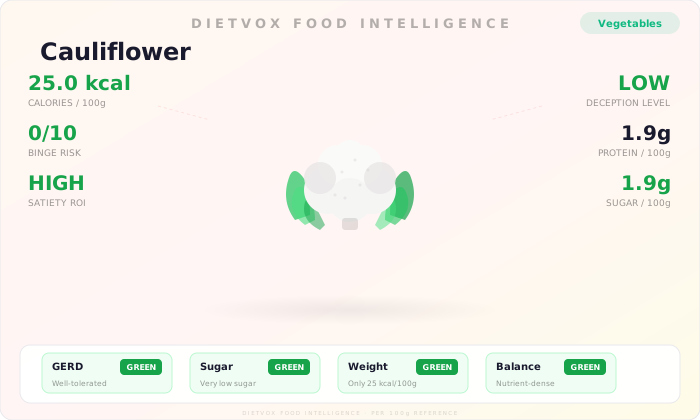
Cauliflower illustration

Cauliflower

25 kcal Vegetables
GREEN GERD
GREEN Sugar
GREEN Weight
GREEN Balance
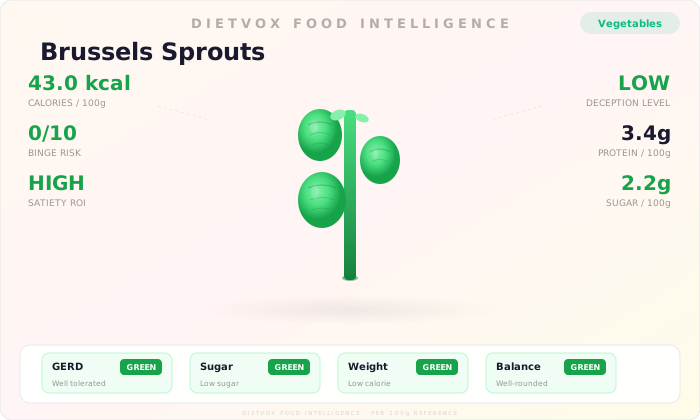
Brussels Sprouts illustration

Brussels Sprouts

43 kcal Vegetables
GREEN GERD
GREEN Sugar
GREEN Weight
GREEN Balance
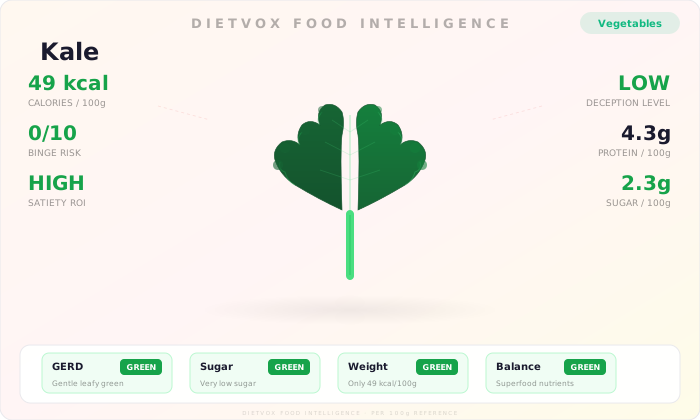
Kale illustration

Kale

49 kcal Vegetables
GREEN GERD
GREEN Sugar
GREEN Weight
GREEN Balance
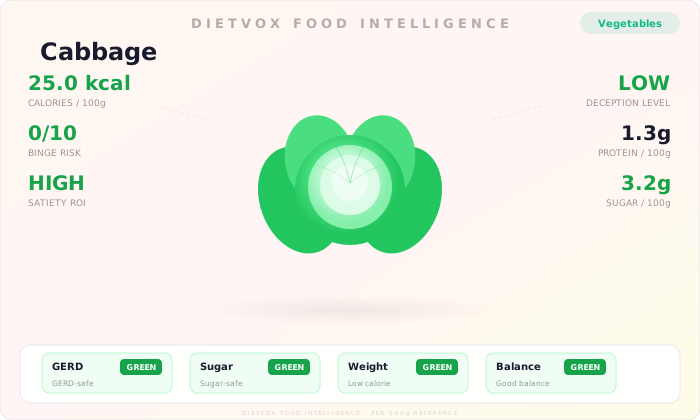
Cabbage illustration

Cabbage

25 kcal Vegetables
GREEN GERD
GREEN Sugar
GREEN Weight
GREEN Balance

Frequently Asked Questions

Is frozen broccoli as good as fresh for weight loss?

Yes, absolutely. Frozen broccoli is flash-frozen at peak ripeness, which preserves most of its nutrients. Its nutritional profile is very similar to fresh broccoli, and it offers the same low-calorie, high-fibre benefits for weight loss. It is often more affordable and convenient, making it an excellent choice for a sustainable weight loss plan.

Can eating too much broccoli cause bloating or gas?

Yes, for some individuals, a sudden increase in broccoli intake can cause bloating, gas, or digestive discomfort. This is due to its high content of fibre and raffinose, a type of sugar that can be difficult for some people to digest. To minimise this, introduce broccoli into your diet gradually and ensure you are drinking plenty of water, which helps fibre move through your digestive system.

What is the healthiest way to cook broccoli for a weight loss diet?

The healthiest cooking methods are those that preserve the most nutrients without adding significant calories. Steaming, microwaving, and stir-frying with minimal oil are excellent choices. Roasting is also a great option for flavour, but be sure to measure the amount of oil you use. Boiling is the least recommended method as it can cause water-soluble vitamins like Vitamin C to leach out into the water.

Does broccoli help with weight loss on a keto diet?

Broccoli is a non-starchy vegetable and is considered very keto-friendly. A 100g serving has approximately 4.4g of net carbs (total carbs minus fibre), making it a great way to get fibre, vitamins, and minerals while staying within the strict carbohydrate limits of a ketogenic diet. Its inclusion can support weight loss on keto by adding volume and nutrients to meals.

Related Reading