DietVox Rating: GREEN
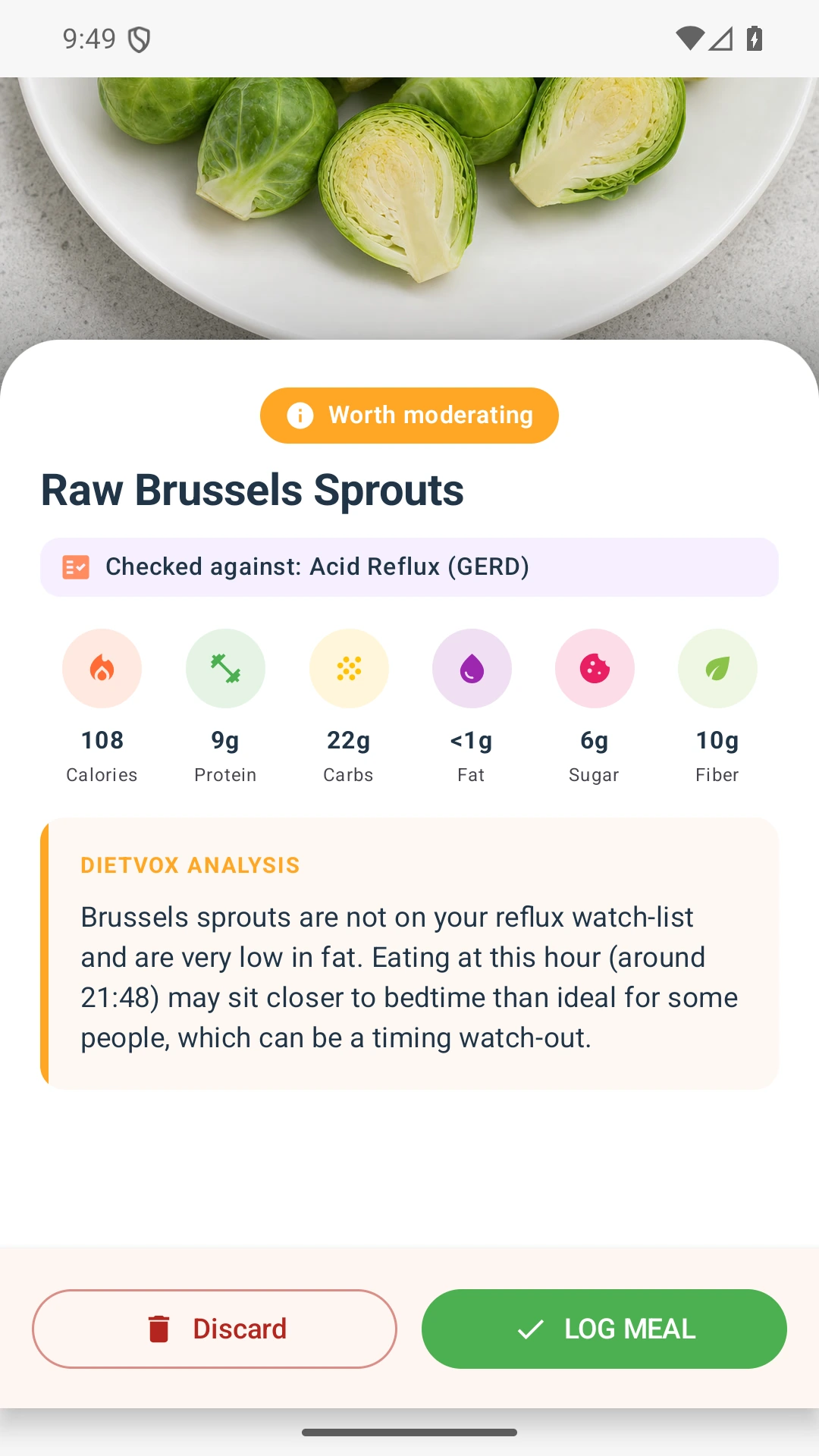
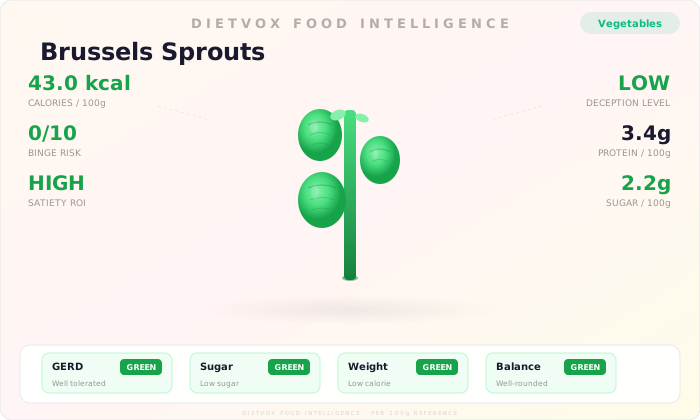
Brussels sprouts are rated GREEN by DietVox for a Weight Loss Diet. This signifies that they are an excellent choice to include regularly in your meal plan, providing significant nutritional benefits that align with successful weight management goals. Our comprehensive analysis, supported by direct source support, demonstrates why these cruciferous vegetables are a valuable asset for those aiming for sustainable brussels sprouts weight loss.
Brussels Sprouts and Your Weight Loss Journey Incorporating nutrient-dense, low-calorie foods like Brussels sprouts is a cornerstone of effective weight loss strategies CDC healthy weight guidance. By prioritizing such foods, individuals can create a calorie deficit necessary for weight loss while ensuring adequate nutrient intake and maintaining satiety. A systematic review listed in PubMed highlights that diets rich in vegetables are consistently associated with lower body weight and reduced risk of obesity PubMed.
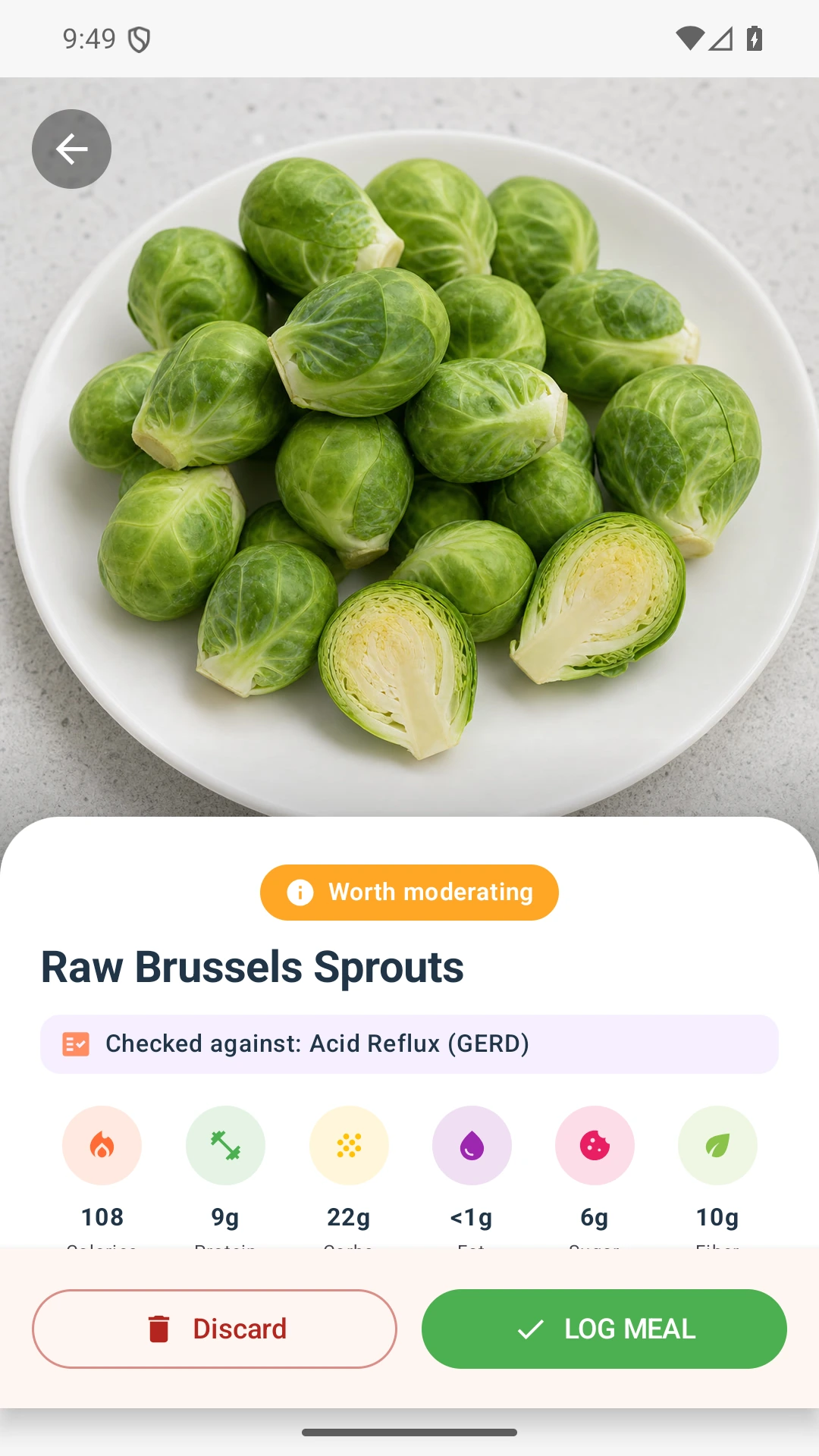
Nutritional Profile at a Glance (per 100g) Brussels sprouts offer an impressive nutritional profile, making them ideal for a calorie-controlled weight loss diet USDA FoodData Central (FDC ID 170381):
- Calories: 43 kcal
- Protein: 3.4g
- Fat: 0.3g (0.1g saturated)
- Carbohydrates: 9.0g * Fibre: 3.8g * Sugars: 2.2g
- Vitamin C: 85mg
- Vitamin K: 177µg
- Potassium: 389mg
- Folate: 61µg
These figures underscore their value as a low-calorie, nutrient-dense component of a weight loss diet.
Addressing Common Misconceptions "Brussels sprouts taste bitter." While some people find Brussels sprouts bitter, this is often due to preparation methods or genetic differences in taste perception. Overcooking can intensify bitterness. Roasting, grilling, or sautéing with complementary flavors like garlic, lemon, or a touch of sweetness (e.g., balsamic glaze, maple syrup in moderation for weight loss) can transform their taste profile CDC healthy eating guidance.
"Brussels sprouts cause excessive gas/bloating." As cruciferous vegetables, Brussels sprouts contain complex carbohydrates (oligosaccharides) that can cause gas in some individuals, especially those unaccustomed to high-fibre diets MedlinePlus gas overview. However, this effect is often transient and can be mitigated by gradually increasing fibre intake, ensuring adequate hydration, and cooking them thoroughly. The benefits of fibre for weight loss and overall health generally outweigh this potential discomfort for most individuals NHS.
Practical Tips for Incorporating Brussels Sprouts into Your Weight Loss Diet Brussels sprouts are versatile and can be enjoyed in numerous ways to support your weight loss goals.
- Roast Them: Halve or quarter Brussels sprouts, toss with a minimal amount of olive oil (account for calories), salt, pepper, and garlic powder. Roast at 400°F (200°C) until tender-crisp and slightly caramelized. Roasting brings out their natural sweetness CDC healthy eating guidance.
- Steam or Boil Lightly: For a very low-calorie option, steam or lightly boil Brussels sprouts until tender-crisp. Avoid overcooking to preserve nutrients and texture. Season with lemon juice, herbs, and a pinch of salt.
- Add to Salads: Raw, thinly shaved Brussels sprouts add a delightful crunch and peppery flavor to salads. Combine with other leafy greens, lean protein, and a light vinaigrette for a filling and nutritious meal.
- Stir-Fries: Include halved Brussels sprouts in your vegetable stir-fries. They pair well with lean proteins like chicken or tofu and a low-sodium sauce.
- Side Dish Staple: Make Brussels sprouts a regular side dish with your main meals. Their high fibre and protein content will help you feel satisfied with smaller portions of more calorically dense main courses.
- Experiment with Seasonings: Don't limit yourself to salt and pepper. Try chili flakes, nutritional yeast for a cheesy flavour, smoked paprika, or a splash of apple cider vinegar to keep things interesting without adding significant calories.
Safety Protocol Brussels sprouts are generally safe for consumption by the general population at normal levels EFSA. Individuals on anticoagulant medications (e.g., warfarin) should be mindful of their Vitamin K intake, as Brussels sprouts are high in this vitamin. Consistent intake levels are key in such cases, and patients should consult their doctor or a dietitian NHS. For individuals with irritable bowel syndrome (IBS), some cruciferous vegetables might trigger symptoms, and a low-FODMAP approach might be considered, though individual tolerance varies MedlinePlus irritable bowel syndrome overview.
Conclusion For those on a weight loss diet, Brussels sprouts are an unequivocally excellent food choice. Their low calorie density, impressive fibre and protein content, and rich micronutrient profile make them highly effective for promoting satiety, supporting digestive health, and providing essential nutrients without derailing caloric goals. By incorporating Brussels sprouts regularly into your diet, you can enhance your progress towards sustainable weight loss while enjoying a delicious and versatile vegetable. DietVox confidently rates Brussels sprouts GREEN for your Weight Loss Diet.
Disclaimer: This article is for informational purposes only and does not constitute medical advice. Always consult a healthcare provider before making changes to your diet, especially if you have a medical condition.
Scan your foods with the DietVox app to get personalized ratings based on your specific dietary needs and health goals.
Last reviewed: June 2026
How It Works
Why Brussels Sprouts are Rated GREEN Brussels sprouts are a powerhouse for weight loss, primarily due to their unique nutritional profile that promotes satiety and provides essential nutrients with minimal caloric impact.
- Low Calorie Density: With just 43 kcal per 100g USDA FoodData Central (FDC ID 170381), Brussels sprouts fall into the 'low calorie density' category. This means you can consume generous portions, helping you feel full without significantly increasing your overall caloric intake. Eating foods with low calorie density is a strategy recommended for weight management CDC healthy weight guidance.
- High Fibre Content: Brussels sprouts provide an impressive 3.8g of dietary fibre per 100g USDA FoodData Central (FDC ID 170381). Fibre is crucial for weight loss as it adds bulk to your diet, promoting a feeling of fullness and reducing overall food intake. It also aids digestive health and can help regulate blood sugar levels NHS. The World Health Organization emphasizes the importance of fibre-rich diets for preventing non-communicable diseases, including obesity WHO.
- Moderate Protein Contribution: With 3.4g of protein per 100g USDA FoodData Central (FDC ID 170381), Brussels sprouts contribute to your daily protein intake. Protein is known for its high satiety effect, meaning it helps you feel fuller for longer compared to carbohydrates or fats, which can be beneficial for appetite control and reducing snacking MedlinePlus dietary protein overview.
- Low Fat and Sugar: Brussels sprouts are naturally low in fat (0.3g per 100g) and sugars (2.2g per 100g) USDA FoodData Central (FDC ID 170381), making them an ideal choice for a calorie-controlled weight loss diet where excess fats and added sugars are often targeted for reduction NHS.
- Nutrient Density: Beyond macronutrients, Brussels sprouts are rich in essential micronutrients like Vitamin C (85mg), Vitamin K (177µg), Potassium (389mg), and Folate (61µg) per 100g USDA FoodData Central (FDC ID 170381). These vitamins and minerals support overall health, energy metabolism, and well-being, which are critical during a weight loss journey MedlinePlus vitamins overview.
The combination of low calorie density, high fibre, and moderate protein makes Brussels sprouts one of the most filling vegetables per calorie, offering a high 'Satiety ROI' (Return on Investment) for those on a weight loss diet. Their consistent form and predictable caloric content also make them easy to track accurately, contributing to a 'LOW Tracking Difficulty' score in our Health Forensics analysis.
Scan any food. Get an instant RED/AMBER/GREEN rating.
DietVox analyses every food across 4 diet protocols — no guesswork.
Try DietVox Free →Try These Instead
Safer alternatives that won't trigger your symptoms.
Frequently Asked Questions
Can I eat Brussels Sprouts on a weight loss diet?
DietVox rates Brussels Sprouts GREEN for weight loss diet. Brussels sprouts provide 43 kcal/100g with excellent fibre (3.8g) and protein (3.4g). One of the most filling vegetables per calorie.
What is the best way to cook Brussels sprouts for weight loss?
Roasting or steaming are excellent methods. Roasting them with minimal oil until caramelized enhances flavor, while steaming preserves nutrients and keeps calories very low. Avoid excessive oils or high-calorie sauces to maintain their weight loss benefits.
How much Brussels sprouts should I eat for weight loss?
As a low-calorie, high-fibre vegetable, Brussels sprouts can be consumed generously. A typical serving might be 1-2 cups (around 70-150g). Incorporate them as a significant portion of your meals to increase satiety without adding many calories, helping you feel fuller for longer.
Can Brussels sprouts help reduce belly fat?
While no single food can 'spot reduce' fat, Brussels sprouts contribute to overall weight loss due to their low calorie density and high fibre content. Achieving a calorie deficit through a balanced diet, including foods like Brussels sprouts, is key to reducing body fat, including belly fat CDC healthy weight guidance.
Are frozen Brussels sprouts as good for weight loss as fresh ones?
Yes, frozen Brussels sprouts are nutritionally comparable to fresh ones and are an equally excellent choice for weight loss. They are often picked and frozen at their peak ripeness, retaining most of their nutrients. They also offer convenience and reduce food waste, making them a practical option for a weight loss diet CDC healthy eating guidance.