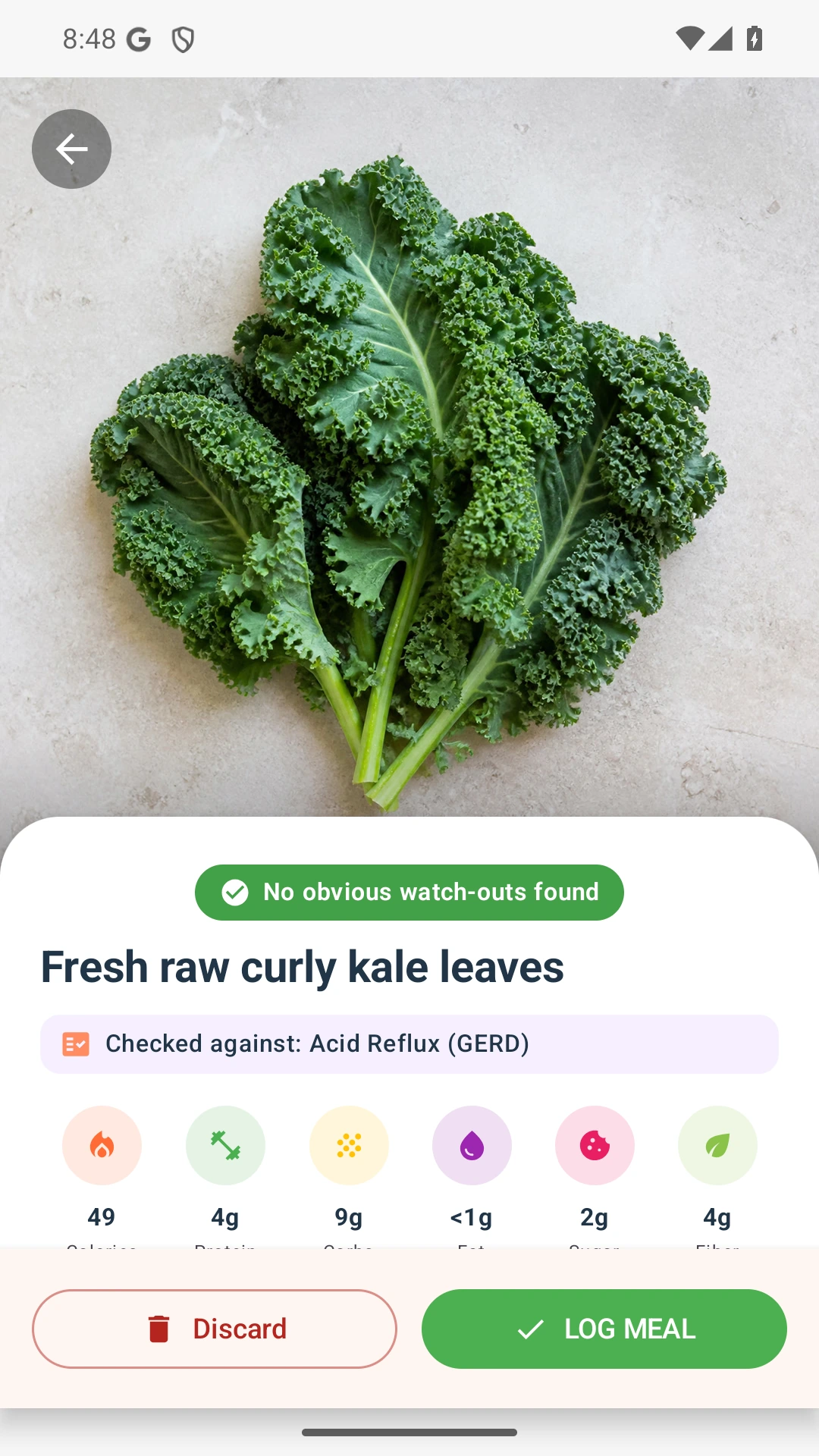
DietVox Rating: GREEN

For those navigating a Weight Loss Diet, understanding the impact of specific foods is crucial. DietVox proudly rates kale GREEN for weight loss. This vibrant leafy green is an excellent choice for individuals aiming to manage their calorie intake while ensuring optimal nutrient consumption. Its unique nutritional profile supports satiety and overall health, making it a cornerstone of a balanced weight loss strategy. Integrating kale into your diet can significantly contribute to achieving your weight management goals.

Nutritional Profile of Kale for Weight Loss

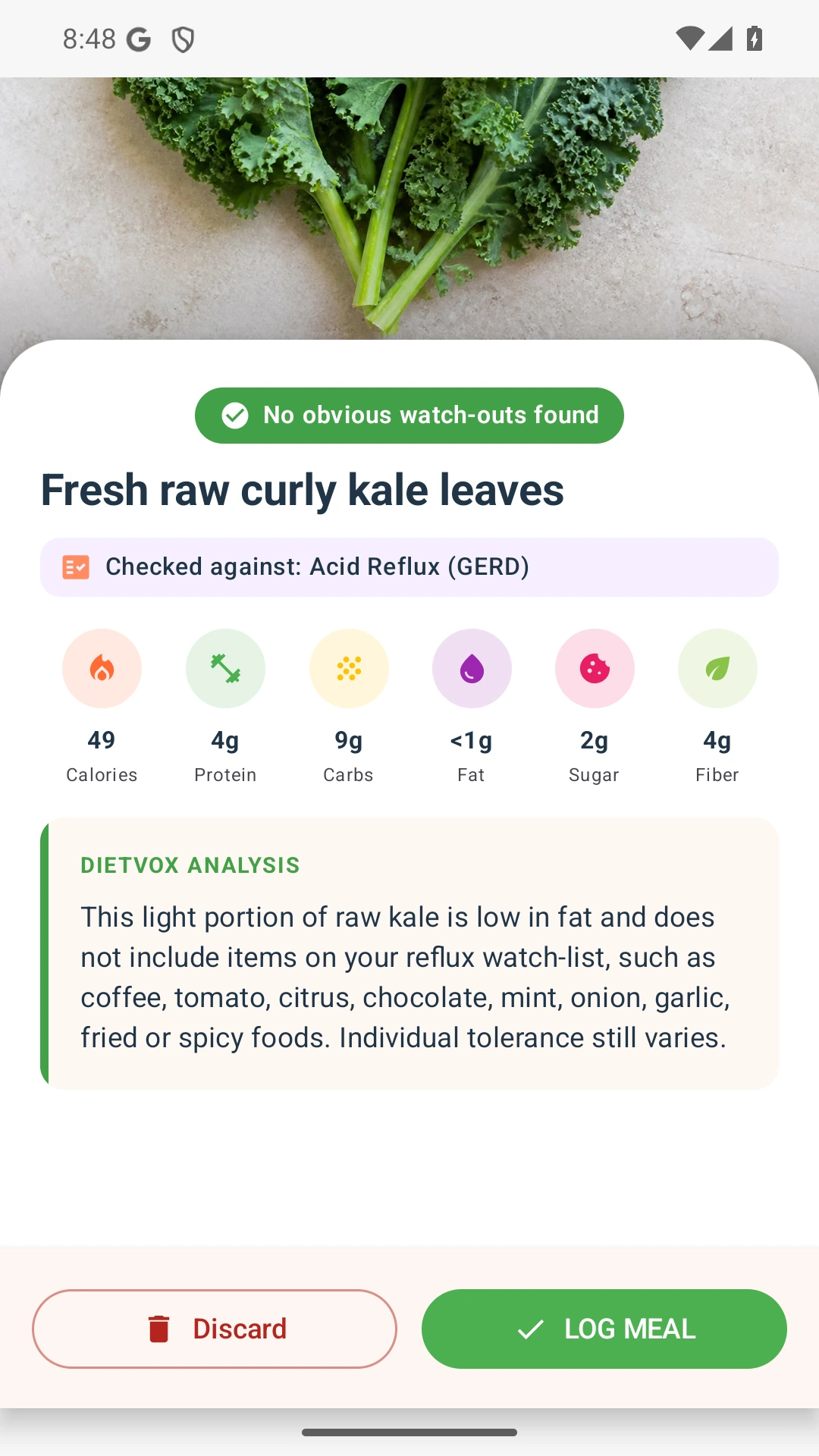
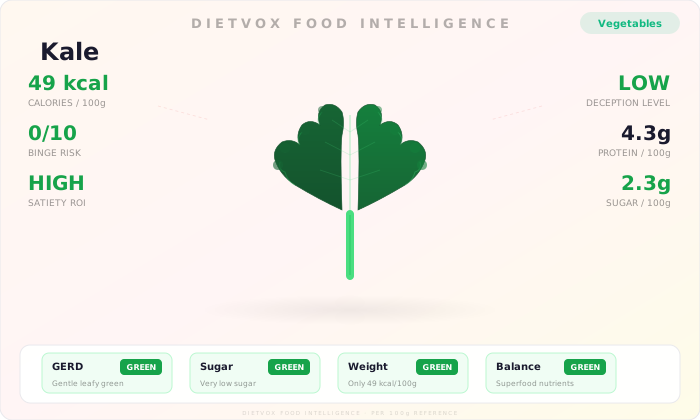
Kale stands out as a nutritional powerhouse, especially when calorie efficiency is a priority for a Weight Loss Diet. Per 100 grams, kale provides only 49 kilocalories (kcal) USDA FoodData Central (FDC ID 170379). This low-calorie density is a key factor in its GREEN rating, as it allows for generous portion sizes without significantly impacting daily caloric targets CDC healthy weight guidance.

Macronutrient Breakdown

  • Protein: Kale delivers 4.3 grams of protein per 100 grams USDA FoodData Central (FDC ID 170379). While not as high as animal proteins, this plant-based protein content is notable for a leafy green. Protein is essential for satiety, helping to reduce hunger and cravings, which is vital for adherence to a Weight Loss Diet WHO. It also plays a role in preserving lean muscle mass during weight loss MedlinePlus weight control.
  • Fat: With just 0.9 grams of fat per 100 grams, kale is a very low-fat food option USDA FoodData Central (FDC ID 170379). This contributes to its low overall calorie count.
  • Carbohydrates & Fiber: Kale contains 9.0 grams of carbohydrates per 100 grams, of which a significant 3.6 grams is dietary fiber USDA FoodData Central (FDC ID 170379). Dietary fiber is crucial for weight loss as it adds bulk to food without adding calories, promoting feelings of fullness and aiding in digestive health NHS. The remaining 2.3 grams are sugars, a relatively low amount for a plant-based food.

Micronutrient Density

Beyond macronutrients, kale is exceptionally rich in vitamins and minerals, making it highly nutrient-dense. Per 100 grams, it provides a substantial amount of Vitamin C (120mg), Vitamin A (500µg), Calcium (150mg), and Potassium (491mg) USDA FoodData Central (FDC ID 170379). These micronutrients support various bodily functions, including metabolism and energy production, which are indirectly beneficial for weight management MedlinePlus vitamins overview.

How Kale Supports a Weight Loss Diet

Kale's nutritional composition directly translates into several advantages for individuals following a Weight Loss Diet.

Low Calorie Density for Volume Eating

One of the most significant benefits of kale is its low calorie density (49 kcal/100g). This means you can consume a large volume of kale for relatively few calories, which can be highly satisfying and prevent feelings of deprivation often associated with calorie restriction CDC healthy weight guidance. Filling your plate with nutrient-dense, low-calorie foods like kale is a cornerstone of effective weight loss strategies CDC healthy eating guidance.

Fiber for Satiety and Digestive Health

The 3.6 grams of dietary fiber in kale contributes significantly to satiety, helping to keep you feeling full for longer periods MedlinePlus weight control. Fiber slows down digestion and the absorption of nutrients, which can stabilize blood sugar levels and prevent sudden hunger pangs WHO. Furthermore, a high-fiber diet is associated with improved gut health, which some sources suggest may play a role in weight management PubMed / NIH.

Protein for Muscle Maintenance and Metabolism

While not a primary protein source, the 4.3 grams of protein in kale, combined with other protein-rich foods, supports muscle maintenance during weight loss MedlinePlus weight control. Maintaining muscle mass is crucial because muscle burns more calories at rest than fat, contributing to a higher metabolic rate CDC healthy weight guidance. Protein also has a higher thermic effect of food (TEF) compared to fats and carbohydrates, meaning your body expends more energy to digest it PubMed / NIH.

Rich in Antioxidants and Anti-inflammatory Compounds

Kale is packed with antioxidants like beta-carotene, Vitamin C, and various flavonoids and polyphenols PubMed / NIH. These compounds help combat oxidative stress and inflammation in the body. While not directly causing weight loss, reducing inflammation and supporting overall cellular health can improve metabolic function and contribute to a healthier body composition Harvard Health Publishing.

Practical Tips for Incorporating Kale into Your Weight Loss Diet

Making kale a regular part of your Weight Loss Diet is easy and versatile. Here are some practical tips:

  • Salad Base: Use fresh kale as the base for your salads instead of less nutrient-dense lettuces. Massage it with a little olive oil and lemon juice to tenderize it.
  • Smoothie Booster: Add a handful of kale to your morning smoothies. Its mild flavor blends well with fruits like berries and bananas, providing a nutrient boost without excessive calories.
  • Sautéed Side Dish: Lightly sauté kale with garlic and a touch of olive oil for a quick and healthy side dish. This is an excellent way to add volume and nutrients to any meal.
  • Soups and Stews: Incorporate chopped kale into your favorite soups, stews, and chili during the last few minutes of cooking. It adds texture and a nutritional punch.
  • Kale Chips: For a crunchy, low-calorie snack, toss kale leaves with a little olive oil and salt, then bake until crispy. This can be a satisfying alternative to processed snacks CDC healthy eating guidance.

Addressing Common Misconceptions

"Kale is too bitter to enjoy."

While some varieties of kale can be bitter, proper preparation can significantly reduce this. Massaging raw kale with a dressing or a little oil and lemon juice can tenderize it and mellow its flavor. Cooking methods like sautéing, roasting, or steaming also temper the bitterness. Pairing it with sweet elements (like fruit in a smoothie) or acidic ingredients (lemon, vinegar) can also balance the taste.

"All leafy greens are the same for weight loss."

While many leafy greens are excellent for weight loss, kale stands out due to its exceptional nutrient density, particularly its higher protein and fiber content compared to some other greens like iceberg lettuce USDA FoodData Central. Different greens offer varying micronutrient profiles, so a diverse intake is always recommended, but kale offers a particularly potent combination for satiety and nutrient intake.

"Eating too much kale can be harmful."

For the general population at normal consumption levels, kale is considered safe with no significant safety concerns [DietVox Safety Protocol]. While kale contains oxalates, which can be a concern for individuals prone to kidney stones, the amount is generally not problematic in a balanced diet NIDDK kidney stone diet guidance. Cooking kale can also reduce its oxalate content. As with any food, moderation and variety are key to a healthy diet WHO.

Conclusion

DietVox confidently rates kale as GREEN for a Weight Loss Diet. Its low-calorie density, combined with a robust profile of fiber, protein, and essential micronutrients, makes it an ideal food to support your weight management journey. By promoting satiety, aiding digestion, and contributing vital nutrients, kale empowers you to eat satisfying portions while effectively managing your caloric intake. Incorporating this versatile leafy green into your daily meals is a clinically sound strategy for achieving sustainable weight loss and overall health.


Disclaimer: This article is for informational purposes only and does not constitute medical advice. Always consult a healthcare provider before making changes to your diet, especially if you have a medical condition.

Scan your foods with the DietVox app to get personalized ratings based on your specific dietary needs and health goals.

Last reviewed: June 2026

How It Works

Why Kale is Rated GREEN

Kale receives a GREEN rating for the Weight Loss Diet primarily due to its exceptional nutrient-to-calorie ratio and its impact on satiety. Here's a breakdown of the key mechanisms:

  1. Low Calorie Density: Kale provides only 49 kcal per 100g USDA FoodData Central (FDC ID 170379). This low energy density allows individuals to consume larger volumes of food, which can lead to increased feelings of fullness and satisfaction, a critical factor in adhering to a calorie-restricted diet without feeling deprived CDC healthy weight guidance.
  1. High Fiber Content: With 3.6g of dietary fiber per 100g, kale significantly contributes to satiety USDA FoodData Central (FDC ID 170379). Fiber adds bulk to the diet, slows gastric emptying, and helps regulate blood sugar levels, all of which contribute to prolonged fullness and reduced overall calorie intake NHS.
  1. Moderate Protein Contribution: Kale offers 4.3g of protein per 100g USDA FoodData Central (FDC ID 170379). While not a primary protein source, this amount is significant for a leafy green. Protein is known to be the most satiating macronutrient and helps preserve lean muscle mass during weight loss, which is vital for maintaining a healthy metabolism MedlinePlus weight control.
  1. Excellent Nutrient Density: Beyond macronutrients, kale is packed with essential vitamins (A, C, K) and minerals (calcium, potassium) USDA FoodData Central (FDC ID 170379). This ensures that even when consuming fewer calories, the body receives vital nutrients, supporting overall health and metabolic function, which are crucial for effective and healthy weight loss WHO.

Scan any food. Get an instant RED/AMBER/GREEN rating.

DietVox analyses every food across 4 diet protocols — no guesswork.

Try DietVox Free →

Try These Instead

Safer alternatives that won't trigger your symptoms.

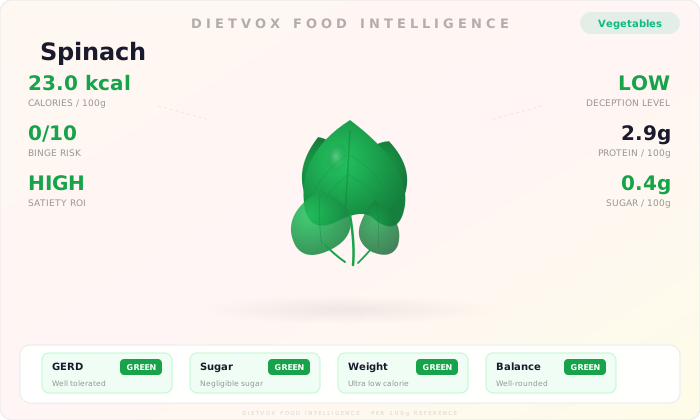
Spinach illustration

Spinach

23 kcal Vegetables
GREEN GERD
GREEN Sugar
GREEN Weight
GREEN Balance
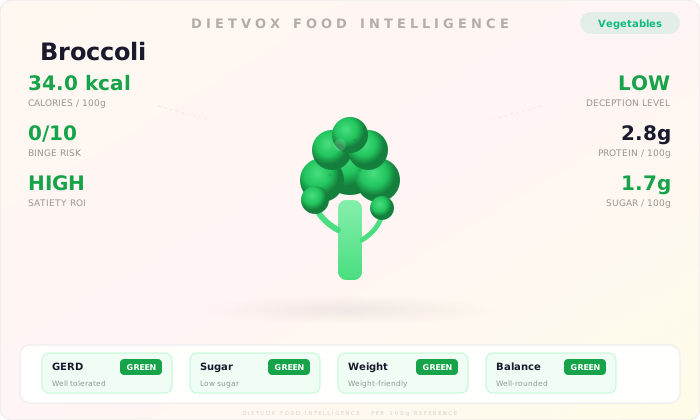
Broccoli illustration

Broccoli

34 kcal Vegetables
GREEN GERD
GREEN Sugar
GREEN Weight
GREEN Balance
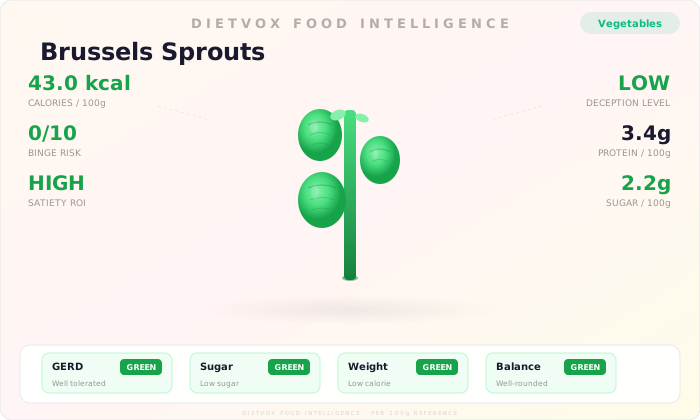
Brussels Sprouts illustration

Brussels Sprouts

43 kcal Vegetables
GREEN GERD
GREEN Sugar
GREEN Weight
GREEN Balance
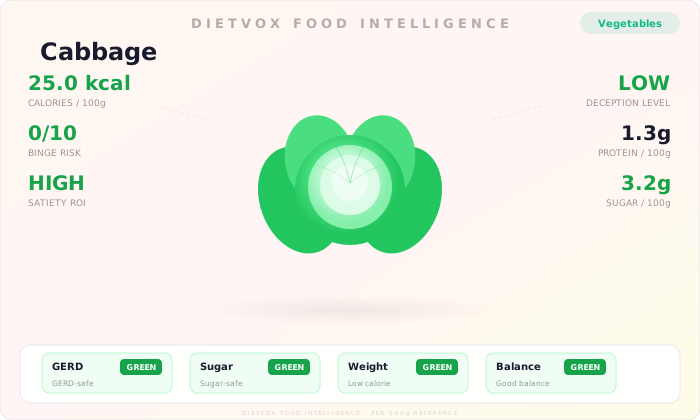
Cabbage illustration

Cabbage

25 kcal Vegetables
GREEN GERD
GREEN Sugar
GREEN Weight
GREEN Balance

Frequently Asked Questions

How does kale's fiber content help with weight loss?

Kale's 3.6 grams of dietary fiber per 100g plays a significant role in weight loss by promoting satiety, helping you feel full for longer periods. Fiber adds bulk to your meals without adding significant calories, which can reduce overall calorie intake and prevent overeating NHS.

Is kale a good source of protein for a weight loss diet?

While not a primary protein source like meat or legumes, kale provides a notable 4.3 grams of protein per 100g for a leafy green USDA FoodData Central (FDC ID 170379). This plant-based protein contributes to satiety and helps preserve lean muscle mass, which is beneficial for maintaining a healthy metabolism during weight loss MedlinePlus weight control.

Can I eat raw kale on a weight loss diet?

Yes, raw kale can be a great addition to a weight loss diet. It retains all its nutrients and fiber. For better digestibility and flavor, you can massage raw kale with a dressing or a little olive oil and lemon juice to tenderize it before adding it to salads or smoothies CDC healthy weight guidance.

Are there any concerns with eating kale regularly for weight loss?

For most healthy individuals, kale is safe for regular consumption as part of a balanced diet. While it contains oxalates, which can be a concern for those prone to kidney stones, the amount is generally not problematic in typical dietary intake NIDDK kidney stone diet guidance. Cooking kale can also reduce its oxalate content. As with any food, variety in your diet is key WHO.

How does kale's low calorie density benefit weight loss?

Kale's low calorie density (49 kcal/100g) means you can eat a larger volume of food for fewer calories USDA FoodData Central (FDC ID 170379). This allows you to feel full and satisfied without consuming excessive calories, which is a fundamental principle for creating the calorie deficit required for weight loss CDC healthy weight guidance.

Related Reading