DietVox Rating: GREEN

Verdict: Cucumber is rated GREEN for a weight loss diet. This rating indicates that it is an excellent food choice that can be consumed freely when aiming to achieve a calorie deficit. The source support supporting the use of cucumber for weight loss is primarily based on its extremely low calorie density and high water content, making it a powerful tool for managing hunger and portion sizes without compromising your energy budget.

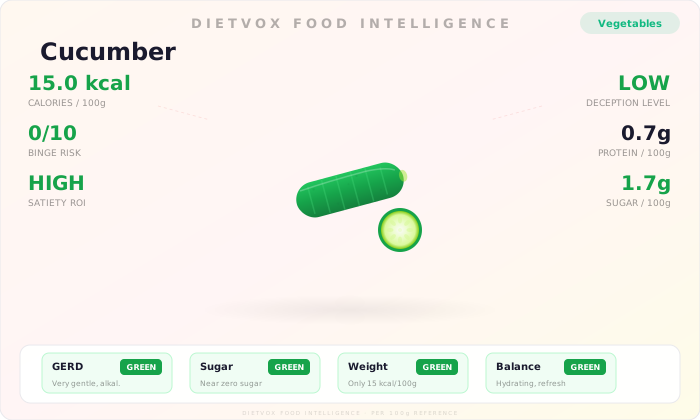
At just 15 calories per 100g, cucumber is one of the least energy-dense foods available USDA FoodData Central (FDC ID 169261). This allows you to add significant volume and a satisfying crunch to meals, which can enhance feelings of fullness and help prevent overeating—a key principle for sustainable weight management CDC healthy weight guidance.

The source support for Cucumber in a Weight Loss Diet

The effectiveness of cucumber within a weight loss protocol is not due to any special fat-burning properties, but rather its physical and nutritional characteristics that align perfectly with the principles of energy balance.

Calorie Density: The Primary Advantage

Calorie density refers to the number of calories in a given weight of food. Foods with low calorie density, like cucumber, provide fewer calories per gram. This allows you to eat larger, more satisfying portions for the same number of calories as a smaller portion of a high-calorie-density food. The CDC healthy weight guidance notes that focusing on low-calorie-density foods is a key strategy for losing weight and keeping it off, as it helps manage hunger effectively.

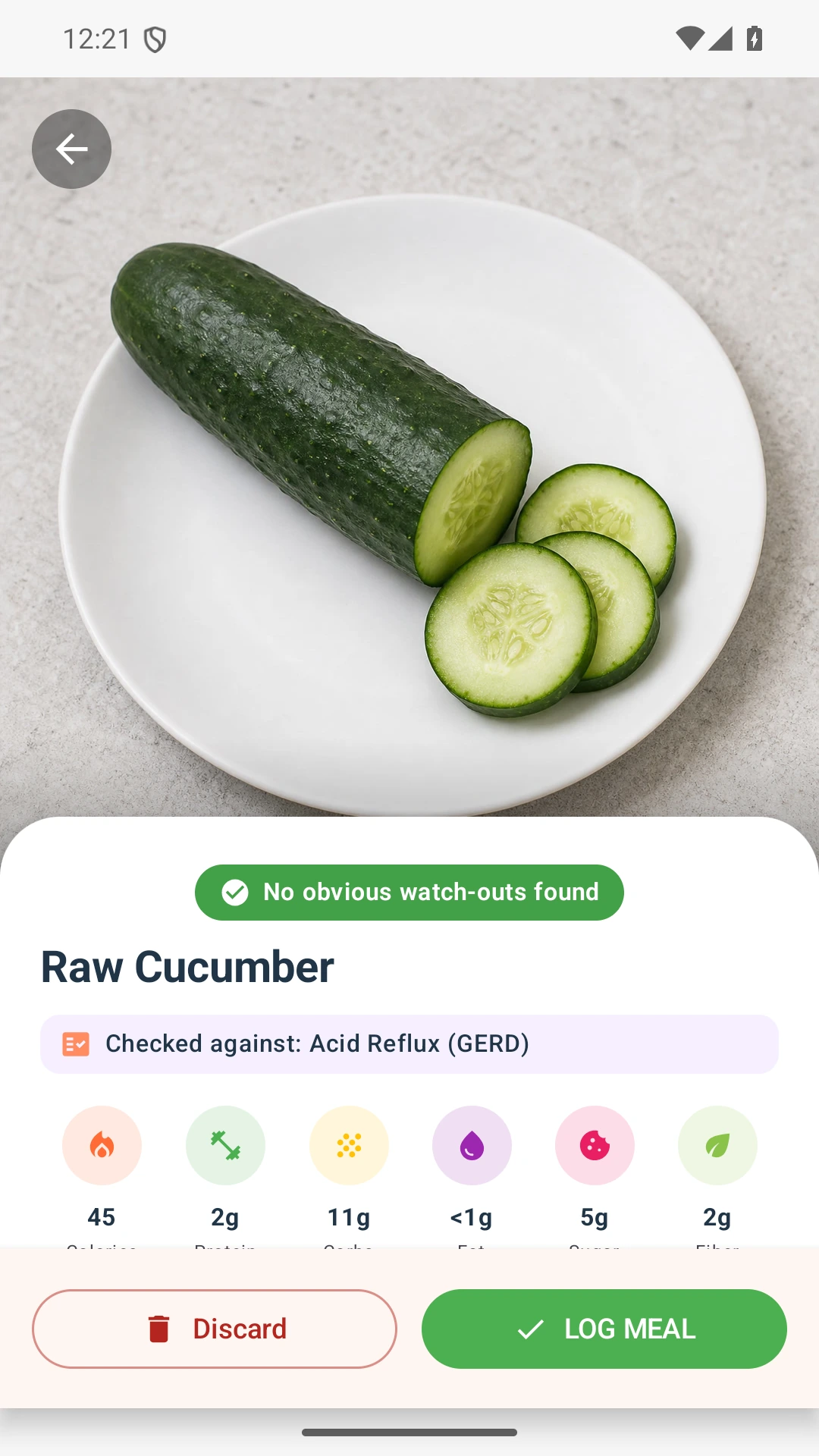
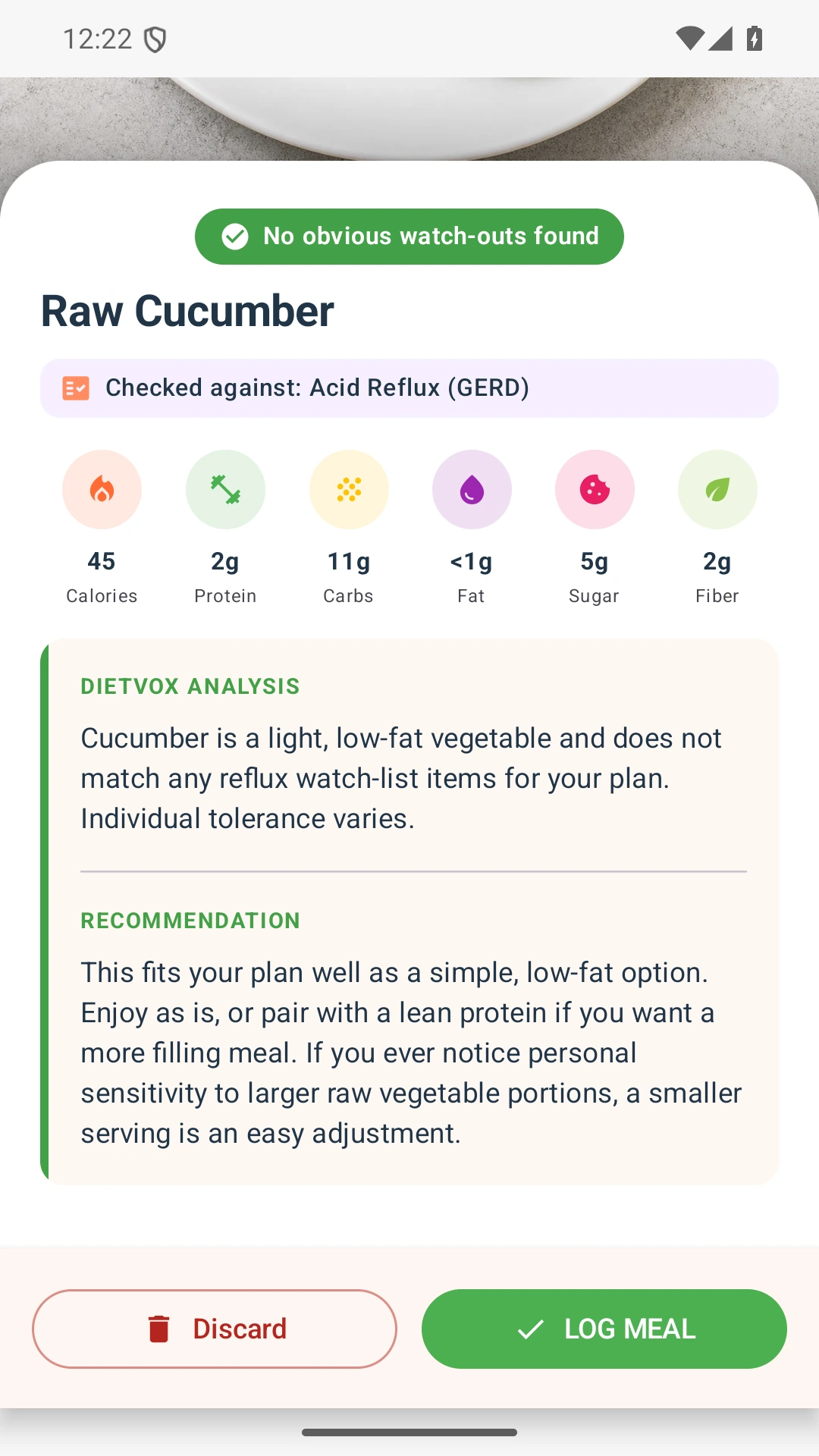
With 15 kcal per 100g, cucumber's energy contribution is minimal. You could eat an entire 300g cucumber for only 45 calories. This makes it an ideal food to bulk up meals, helping you feel full without significantly impacting your daily calorie target.

Hydration and its Role in Weight Management

Cucumber consists of approximately 95% water USDA FoodData Central (FDC ID 169261). Adequate hydration is crucial for overall health and plays a supportive role in weight management. Some sources suggest that increased water consumption may promote weight loss by reducing appetite and increasing metabolism PubMed.

While eating cucumber is not a substitute for drinking water, its high water content contributes to your daily fluid intake and can enhance feelings of fullness. This synergy between hydration and volume makes cucumber a valuable component of a weight loss diet.

A Closer Look at the Macronutrient Profile

A 100g serving of cucumber provides: - Calories: 15 kcal - Protein: 0.7 g - Fat: 0.1 g - Carbohydrates: 3.6 g (of which 1.7g are sugars)

This profile is highly favourable for a weight loss diet. The fat and carbohydrate content are negligible, and the naturally occurring sugar is minimal. The very low protein and dietary fibre content (0.5g) is an important consideration, as this means cucumber on its own does not provide long-lasting satiety.

Health Forensics: A DietVox Analysis

Our internal analysis framework examines foods based on key metrics relevant to a weight loss protocol.

Calorie Density: LOW

At 15 kcal/100g, cucumber's calorie density is among the lowest of all foods. This is its single greatest asset for weight loss, allowing it to be used as a 'volume food' to make meals larger and more psychologically satisfying without adding a significant calorie load.

Satiety ROI: LOW

Satiety Return on Investment (ROI) measures how much fullness you get for the calories consumed. Due to its low protein (0.7g) and fibre (0.5g) content, cucumber scores poorly on this metric. It provides immediate fullness through stomach stretch and water volume but does not keep you full for long on its own. To improve its satiety ROI, it's best to pair cucumber with protein-rich foods like Greek yogurt, hummus, or lean meats.

Tracking Difficulty: LOW

Cucumber is easy to track for calorie counting purposes. Its composition is consistent, and portion sizes are simple to estimate or weigh. Whether you log it as 'one small cucumber' or '100g, sliced', the caloric impact is small and predictable, reducing the stress of meticulous tracking.

Practical Tips for Integrating Cucumber into Your Weight Loss Diet

To leverage cucumber's benefits, incorporate it strategically into your daily eating plan.

As a Low-Calorie Snack

  • Cucumber Spears: Slice a cucumber into spears and enjoy them plain or with a sprinkle of chilli powder and lime juice.
  • With a Protein Dip: Pair cucumber slices with a dip made from non-fat Greek yogurt, herbs, and garlic (tzatziki) or a measured portion of hummus to boost protein and improve satiety.

To Add Volume to Meals

  • Bulk Up Salads: Add a cup or two of chopped cucumber to any salad. This adds crunch and volume, making the salad more substantial for very few extra calories.
  • In Sandwiches and Wraps: Layer slices of cucumber in sandwiches and wraps to add a refreshing crunch and bulk, allowing you to use less of higher-calorie fillings.
  • As a Noodle Alternative: Use a spiralizer to create cucumber 'noodles' as a base for cold salads with a light vinaigrette and a source of lean protein like grilled chicken or shrimp.

As a Healthy Hydration Source

  • Infused Water: Add slices of cucumber and mint to a pitcher of water for a refreshing, calorie-free beverage that can make hydration more appealing.
  • In Smoothies: Blend cucumber into green smoothies. It adds liquid and nutrients without the sugar content of many fruits.

Common Misconceptions About Cucumber and Weight Loss

Myth: "Cucumber has negative calories."

Fact: The concept of 'negative-calorie' foods is a myth. While your body does use energy (calories) to digest food—a process known as the Thermic Effect of Food (TEF)—the calories expended are always less than the calories the food provides. For cucumber, you might use 1-2 calories to digest a 15-calorie serving, resulting in a net gain of 13-14 calories. While incredibly low, it is not negative CDC healthy weight guidance.

Myth: "A cucumber-only diet is a good way to lose weight fast."

Fact: Following a diet consisting of only one food is extremely dangerous and nutritionally incomplete. A 'cucumber diet' would lack protein, fat, essential vitamins, and minerals, leading to muscle loss, fatigue, and other health complications. Sustainable weight loss is achieved through a balanced, varied, and calorie-controlled diet, as recommended by global health authorities like the World Health Organization (WHO).


Disclaimer: This article is for informational purposes only and does not constitute medical advice. Always consult a healthcare provider before making changes to your diet, especially if you have a medical condition.

Scan your foods with the DietVox app to get personalized ratings based on your specific dietary needs and health goals.

Last reviewed: June 2026

How It Works

Why Cucumber is Rated GREEN

Cucumber earns a GREEN rating for a weight loss diet due to three key rating factors:

  1. Extremely Low Calorie Density: With only 15 calories per 100g, cucumber is one of the least energy-dense foods available USDA FoodData Central (FDC ID 169261). This fundamental characteristic allows for the consumption of large, satisfying portions that contribute minimally to your daily calorie intake, making it easier to maintain the necessary energy deficit for weight loss CDC healthy weight guidance.
  1. High Water Content for Volume and Hydration: Comprising over 95% water, cucumber physically fills the stomach, which can help enhance feelings of fullness and reduce overall calorie consumption at a meal. This high water content also contributes to daily hydration needs, a factor that supports metabolic function and overall health during a weight loss journey MedlinePlus drinking water overview.
  1. Versatility as a Bulking Agent: Cucumber's crisp texture and mild flavour make it an excellent 'bulking agent'. It can be added to salads, sandwiches, and snacks to increase the volume and crunch of a meal without a meaningful increase in calories. This helps create more satisfying meals, which is a critical strategy for adhering to a calorie-controlled eating plan long-term.

Scan any food. Get an instant RED/AMBER/GREEN rating.

DietVox analyses every food across 4 diet protocols — no guesswork.

Try DietVox Free →

Try These Instead

Safer alternatives that won't trigger your symptoms.

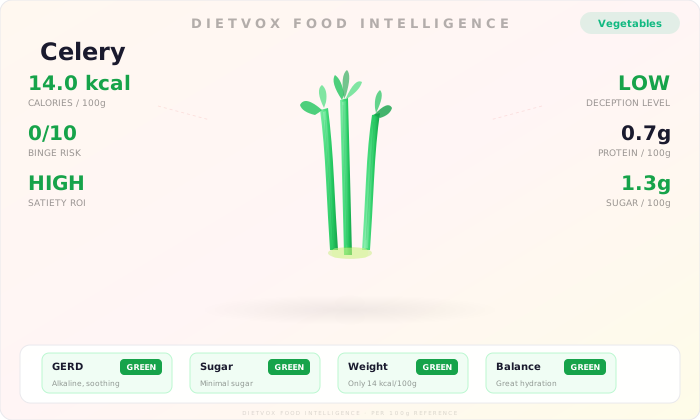
Celery illustration

Celery

14 kcal Vegetables
GREEN GERD
GREEN Sugar
GREEN Weight
GREEN Balance
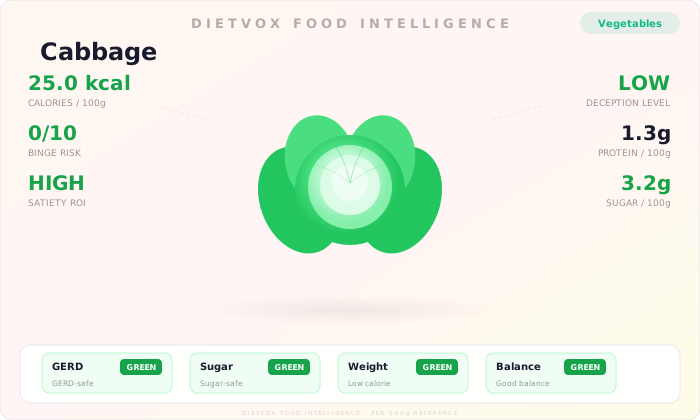
Cabbage illustration

Cabbage

25 kcal Vegetables
GREEN GERD
GREEN Sugar
GREEN Weight
GREEN Balance
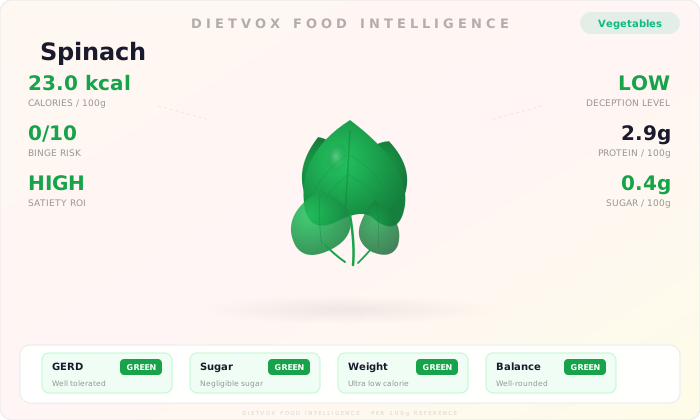
Spinach illustration

Spinach

23 kcal Vegetables
GREEN GERD
GREEN Sugar
GREEN Weight
GREEN Balance
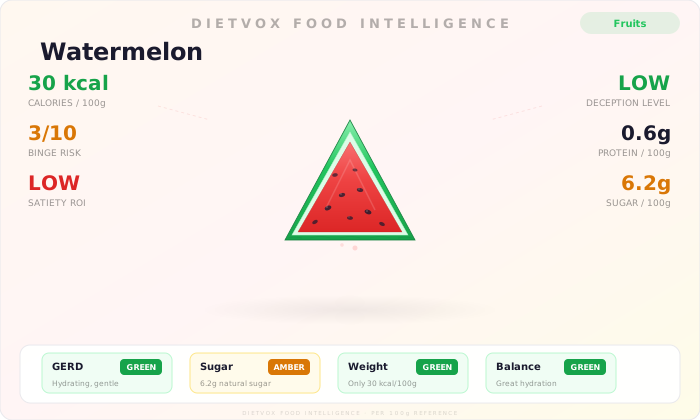
Watermelon illustration

Watermelon

30 kcal Fruits
GREEN GERD
AMBER Sugar
GREEN Weight
GREEN Balance

Frequently Asked Questions

Does eating cucumber burn belly fat?

No single food, including cucumber, can specifically burn belly fat. Fat loss occurs throughout the body when you consistently consume fewer calories than you burn, a state known as a calorie deficit. Cucumber is excellent for supporting this deficit due to its very low calorie count. However, the idea of 'spot reduction' from specific body areas is a myth CDC healthy weight guidance.

How much cucumber should I eat per day for weight loss?

There is no specific limit on how much cucumber you can eat for weight loss. It can be consumed freely as a snack or part of meals. The most important factor is ensuring your overall diet remains balanced and provides all the necessary nutrients. Relying too heavily on cucumber could displace other essential foods. A healthy dietary pattern emphasizes variety WHO.

Is cucumber better than celery for weight loss?

Both cucumber and celery are exceptional choices for a weight loss diet. They are nutritionally very similar in this context. Per 100g, cucumber has about 15 calories, while celery has about 14 USDA FoodData Central. Both are high in water and provide a satisfying crunch. The best choice comes down to personal preference and the specific dish you are preparing. Including a variety of vegetables is always the best approach.

Should I peel a cucumber before eating it for weight loss?

For weight loss purposes, it makes no significant difference whether you peel a cucumber or not, as the calorie difference is negligible. However, from a nutritional perspective, the skin contains most of the cucumber's small amount of fibre, as well as some vitamins and minerals. For a slight nutritional boost, it's best to eat it with the skin on, after washing it thoroughly.

Related Reading