DietVox Rating: GREEN
DietVox rates papaya as GREEN for a Weight Loss Diet. This vibrant tropical fruit, known for its sweet taste and smooth texture, is a popular choice for those looking to support their papaya weight loss goals. Its remarkably low-calorie profile makes it an excellent addition to a calorie-controlled eating plan, offering nutritional benefits without significantly impacting your daily caloric intake USDA FoodData Central. While no single food is a magic bullet for weight loss, understanding how papaya fits into a comprehensive strategy can be highly beneficial.
Papaya's Nutritional Profile for Weight Loss
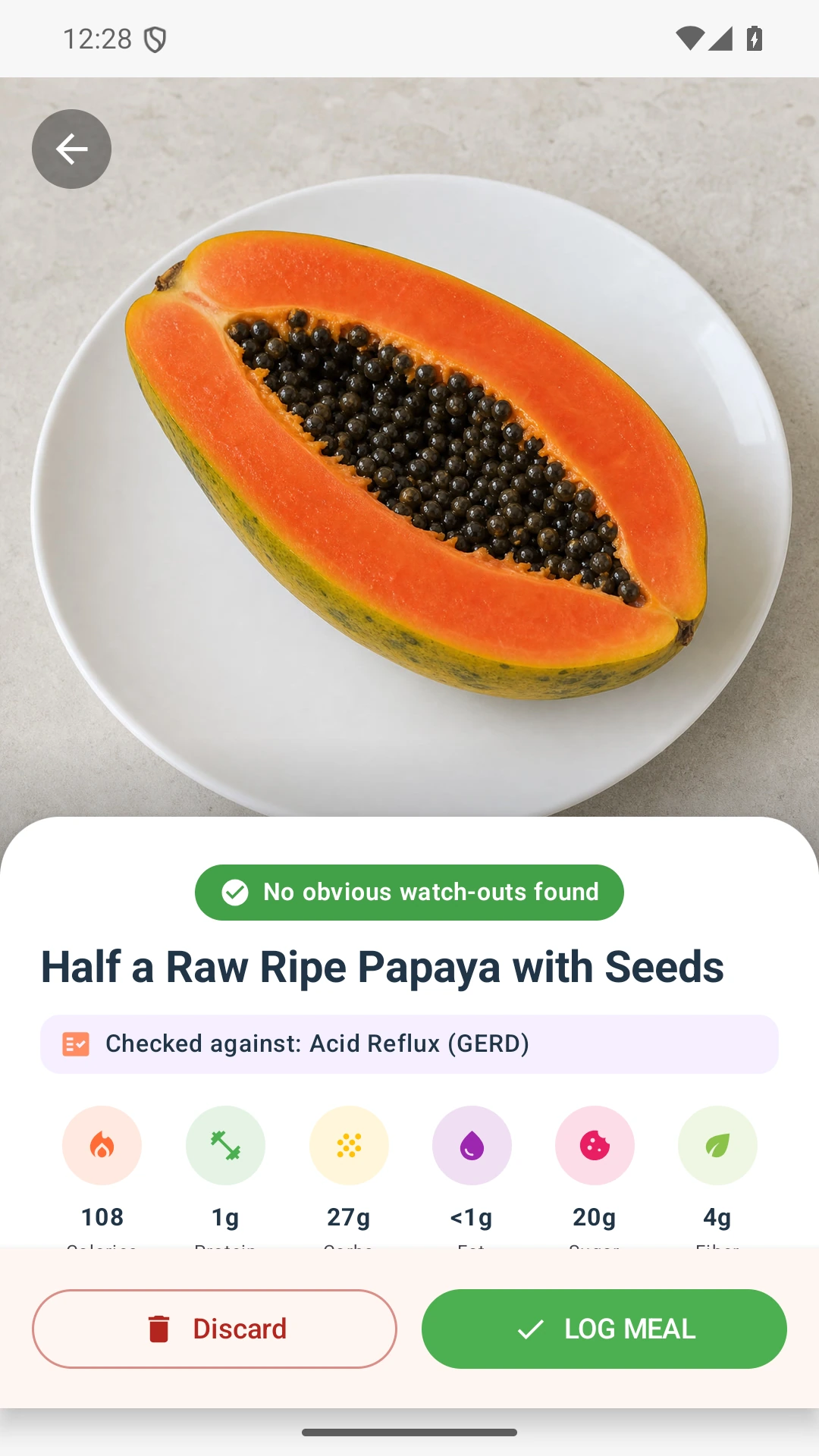
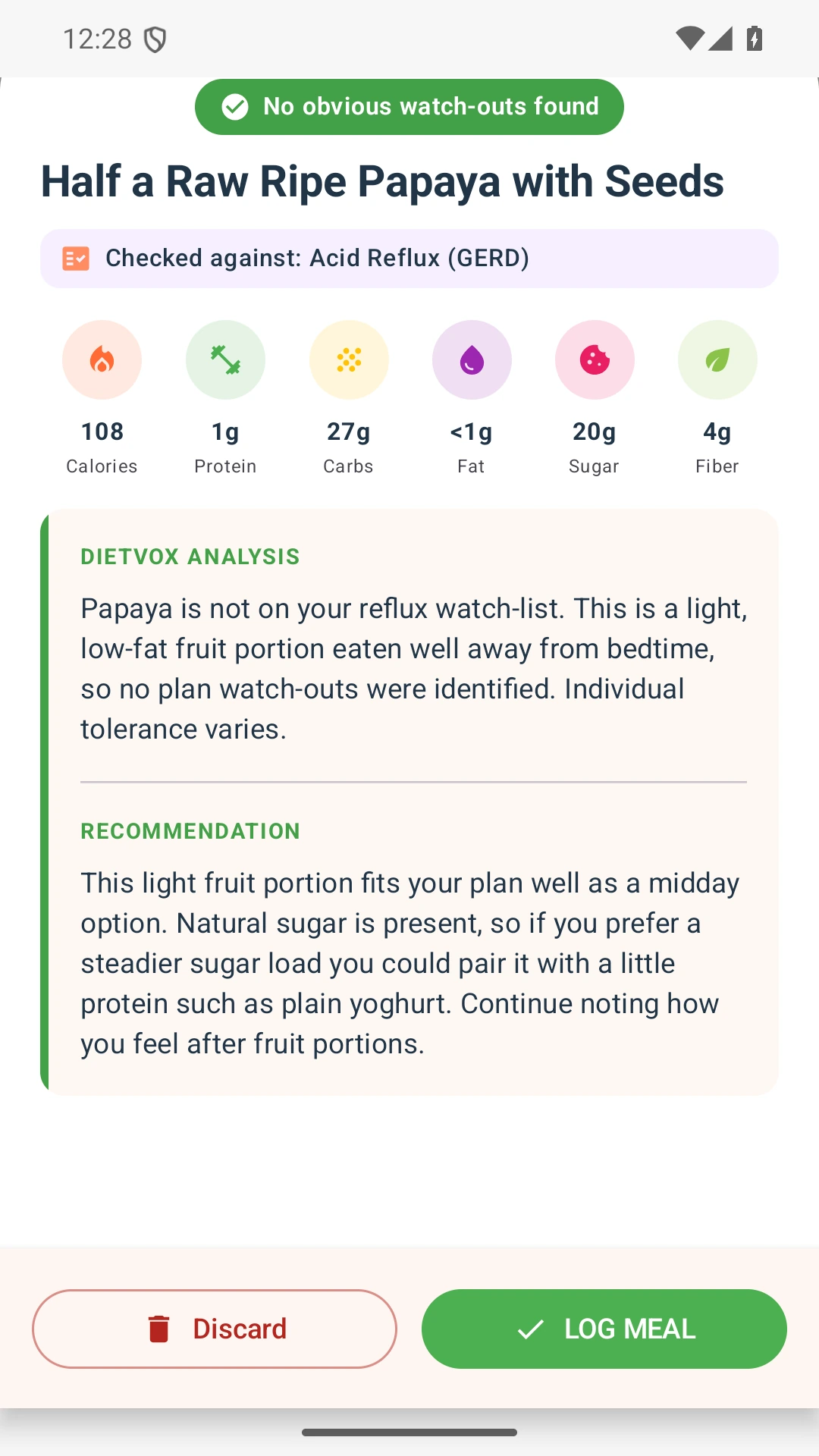
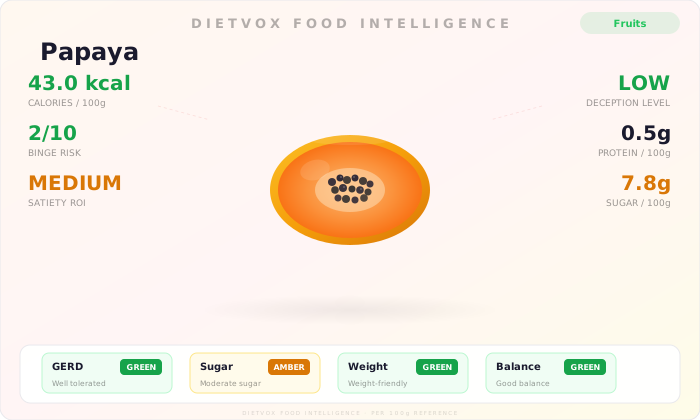
Per 100g serving, papaya contains approximately 43 kcal, 0.5g protein, 0.3g fat, and 10.8g carbohydrates, with 1.7g of dietary fibre USDA FoodData Central. This macronutrient breakdown is crucial for anyone on a Weight Loss Diet.
Calories: The Cornerstone of Weight Loss
The primary driver behind papaya's GREEN rating is its remarkably low-calorie density. At just 43 kcal per 100g, papaya allows for generous portion sizes relative to its caloric contribution, which is a key strategy for managing hunger while reducing overall calorie intake CDC healthy weight guidance. The cornerstone of any effective Weight Loss Diet is a sustained calorie deficit, meaning consuming fewer calories than your body expends. Papaya excels in this regard, offering a low caloric load per serving. This characteristic allows individuals to enjoy a satisfying volume of food, which can be crucial for managing hunger and psychological satisfaction during a diet. Foods like papaya, with their high water content and natural sweetness, provide sensory pleasure without the high-calorie burden often associated with processed snacks WHO.
Carbohydrates and Natural Sugars
While papaya contains 10.8g of total carbohydrates per 100g, with 7.8g being naturally occurring sugars, it's vital to place this in the context of a whole food. Unlike added sugars found in processed foods that contribute 'empty calories,' the sugars in papaya come bundled with fibre, vitamins, and antioxidants. This fibre content helps to slow down the absorption of sugars into the bloodstream, preventing rapid spikes and crashes in blood glucose that can lead to cravings and overeating Harvard Health Publishing. The European Food Safety Authority (EFSA) emphasizes the importance of consuming fruits as part of a balanced diet for their overall nutritional benefits, despite their natural sugar content EFSA.
Fibre's Role in Satiety
Dietary fibre is a non-negotiable component of a successful Weight Loss Diet. Papaya provides 1.7g of fibre per 100g, contributing to your daily recommended intake. Fibre promotes feelings of fullness by adding bulk to food and slowing gastric emptying, which helps reduce overall calorie consumption MedlinePlus fiber overview. Furthermore, fibre supports a healthy gut microbiome, which is increasingly recognized for its potential role in weight management and metabolic health PubMed.
Protein and Fat Content
With only 0.5g of protein and 0.3g of fat per 100g, papaya is not a significant source of these macronutrients. Protein is particularly crucial for satiety, preserving muscle mass during weight loss, and having a higher thermic effect of food (meaning your body burns more calories digesting it) MedlinePlus dietary protein overview. Healthy fats, in moderation, also contribute to satiety and hormone regulation. Therefore, to ensure a balanced meal that supports your weight loss goals, it's essential to pair papaya with other foods rich in protein and healthy fats.
Health Forensics for Weight Loss
DietVox's Health Forensics provides a deeper look into how papaya performs under the Weight Loss Diet protocol.
Calorie Density: LOW
Papaya scores LOW on calorie density (43 kcal/100g). This means it provides a substantial volume of food for relatively few calories, making it easier to feel full without overconsuming energy. Foods with low calorie density are often recommended for weight management strategies. The concept of calorie density is a powerful tool in a Weight Loss Diet; foods like papaya, with their high water and fibre content, add volume and weight without contributing many calories. This means you can eat a larger portion of papaya compared to a calorie-dense food (e.g., nuts) and feel equally, if not more, satisfied, while consuming far fewer calories. This strategy is endorsed by health organizations as an effective way to manage hunger and promote weight loss CDC healthy eating for a healthy weight.
Satiety ROI: LOW
Despite its low calorie density, papaya has a LOW Satiety Return on Investment (ROI). This is primarily due to its modest fibre content (1.7g) and very low protein (0.5g) per 100g. Protein and fibre are key nutrients for promoting sustained feelings of fullness MedlinePlus fiber overview. Papaya's low Satiety ROI is a crucial consideration for those on a Weight Loss Diet, as persistent hunger can derail efforts. Foods high in protein and fibre are known to have a superior satiety effect. Therefore, to leverage papaya's benefits without succumbing to hunger, strategic food pairing is essential. Combining papaya with sources like Greek yogurt, lean protein, or chia seeds can significantly improve its satiety profile.
Tracking Difficulty: LOW
Tracking papaya for your Weight Loss Diet is LOW difficulty. Its consistent form and predictable caloric content per unit make it straightforward to measure and log accurately, which is crucial for maintaining a calorie deficit CDC healthy weight guidance. Accurate tracking of food intake is a cornerstone of many successful Weight Loss Diets, as it provides objective data to ensure a calorie deficit. Papaya's consistent composition and readily available nutritional data (43 kcal/100g) make it a low difficulty food to track. Whether you use a food scale or standard measuring cups, you can reliably estimate its caloric contribution, simplifying your dietary adherence.
The Role of Digestive Enzymes (Papain)
Papaya is unique among fruits for its high concentration of proteolytic enzymes, notably papain and chymopapain. These enzymes are well-documented for their ability to break down proteins into smaller peptides and amino acids PubMed. While this digestive aid can certainly improve overall digestive comfort and nutrient absorption, the direct link to significant, measurable weight loss is not firmly established in direct trials PubMed. However, a healthy and efficient digestive system is undoubtedly a positive factor in overall metabolic health, which indirectly supports a body's ability to manage weight effectively. Some sources suggest that a well-functioning gut can influence satiety signals and energy metabolism, though more targeted source reviews on papaya's specific role in weight loss through this mechanism are needed MedlinePlus digestive enzymes overview.
Micronutrient Benefits for Overall Health
Beyond the macros, papaya offers a wealth of essential micronutrients that are important for overall health during weight loss. It is an excellent source of Vitamin C, delivering 60.9mg per 100g, which is more than 60% of the recommended daily intake for adults USDA FoodData Central. Vitamin C is a powerful antioxidant that supports immune function, aids in collagen synthesis for healthy skin, and may play a role in fat metabolism, though not as a direct 'fat burner' NHS. Papaya also contains Vitamin A (from beta-carotene), folate, and potassium, all contributing to optimal bodily functions and well-being, which are crucial when undergoing dietary changes WHO.
Integrating Papaya into Your Weight Loss Diet
Successfully incorporating papaya into your Weight Loss Diet requires strategic planning to maximize its benefits and mitigate its lower satiety profile.
Mindful Portion Control
Even with low-calorie foods, conscious portion control remains a fundamental aspect of a successful Weight Loss Diet. While you can enjoy more papaya than many other fruits, understanding what a typical serving looks like (e.g., 100-200g, or about one cup diced) helps in accurately tracking your caloric intake and staying within your daily targets CDC healthy weight guidance.
Pairing for Enhanced Satiety
To overcome papaya's LOW Satiety ROI, strategic pairing is essential. Consider these effective combinations:
- Breakfast: Add diced papaya to plain Greek yogurt with a sprinkle of chia seeds or chopped nuts for a boost of protein, fibre, and healthy fats, creating a more satisfying and complete meal.
- Snack: Enjoy papaya slices with a small handful of almonds, walnuts, or a hard-boiled egg to provide sustained energy and curb hunger between meals.
- Salad: Incorporate papaya into a vibrant salad with grilled chicken, tofu, or shrimp for a refreshing, protein-packed meal that keeps you full.
- Smoothie: Blend papaya with spinach, a scoop of protein powder, and unsweetened almond milk for a nutrient-dense, filling drink that can serve as a meal replacement or substantial snack MedlinePlus dietary protein overview.
Versatile Consumption Methods
Papaya's mild, sweet flavour and soft texture make it incredibly versatile, allowing for various ways to enjoy it in your diet:
- Fresh: The simplest way is to enjoy it fresh, peeled, and deseeded.
- Grilled: Lightly grill papaya slices for a caramelized, warm dessert that satisfies sweet cravings.
- Salsa: Dice it with red onion, cilantro, and lime for a fresh, low-calorie topping for lean protein like fish or chicken.
- Frozen: Freeze chunks of papaya for a refreshing, low-calorie treat, or blend into a sorbet CDC healthy eating guidance.
Hydration Benefits
Papaya's high water content (approximately 88% by weight) contributes significantly to daily fluid intake USDA FoodData Central. Staying well-hydrated is crucial for metabolic processes, can help differentiate thirst from hunger, and supports feelings of fullness, all of which are beneficial for weight loss WHO.
Addressing Common Misconceptions About Papaya and Weight Loss
It's important to separate fact from fiction when it comes to dietary advice, especially for weight loss.
Misconception: "Papaya burns fat"
This is a widespread myth. While papaya's enzymes aid in protein digestion, they do not directly 'burn' or metabolize fat cells. True fat loss occurs when your body is in a consistent calorie deficit, forcing it to use stored fat for energy CDC healthy weight guidance. Incorporating papaya can support this deficit by providing low-calorie volume, but it does not possess magical fat-burning properties.
Misconception: "Fruit sugar is bad for weight loss"
This misconception often arises from concerns about added sugars. However, the natural sugars in whole fruits like papaya are metabolically different. They are encased in fibre, which slows absorption and provides a more sustained energy release compared to the rapid spikes from refined sugars. The World Health Organization (WHO) recommends consuming a variety of fruits daily as part of a healthy diet, recognizing their essential role in providing micronutrients and fibre WHO.
Misconception: "All calories are equal"
While a calorie deficit is paramount, the source of calories matters for satiety and nutrient intake. 100 calories from papaya (low calorie density, some fibre, vitamins) will likely lead to different satiety and nutritional outcomes than 100 calories from a highly processed snack (high calorie density, low fibre, few nutrients). Papaya offers 'nutrient-dense' calories, supporting overall health during weight loss Harvard Health Publishing.
Potential Considerations
While papaya is generally safe for most individuals, a few considerations are worth noting:
- Allergies: While rare, some individuals may have an allergy to papaya, especially those allergic to latex, due to cross-reactivity MedlinePlus food allergy overview.
- Medication Interactions: As with any significant dietary change, if you have underlying health conditions or are taking medications, particularly blood thinners, it is always advisable to consult with a healthcare professional or registered dietitian CDC healthy weight guidance before significantly increasing papaya intake.
Conclusion
In summary, papaya is a GREEN-rated food for your Weight Loss Diet, primarily due to its very low-calorie density. While it offers digestive enzymes and valuable micronutrients, its low protein and fibre content mean it should be strategically paired with other foods to maximize satiety. By incorporating papaya thoughtfully and as part of a balanced, calorie-controlled approach, you can enjoy its tropical flavour and nutritional benefits while effectively working towards your weight loss goals.
Disclaimer: This article is for informational purposes only and does not constitute medical advice. Always consult a healthcare provider before making changes to your diet, especially if you have a medical condition.
Scan your foods with the DietVox app to get personalized ratings based on your specific dietary needs and health goals.
Last reviewed: June 2026
How It Works
Why Papaya is Rated GREEN
Papaya earns its GREEN rating for Weight Loss Diet primarily due to its exceptional low-calorie density. Providing only 43 kcal per 100g, it allows individuals to consume a satisfying volume of food without significantly contributing to their daily caloric intake, which is fundamental for creating a calorie deficit necessary for weight loss USDA FoodData Central. The presence of digestive enzymes like papain may also support efficient nutrient absorption, contributing to overall metabolic health, though direct links to weight loss are not definitively established PubMed. As a delicious and versatile tropical fruit, papaya serves as an excellent low-calorie option to enhance dietary variety while pursuing weight management objectives CDC healthy eating guidance.
Scan any food. Get an instant RED/AMBER/GREEN rating.
DietVox analyses every food across 4 diet protocols — no guesswork.
Try DietVox Free →Try These Instead
Safer alternatives that won't trigger your symptoms.
Frequently Asked Questions
How much papaya can I safely eat daily on a weight loss diet?
While papaya is low in calories, moderation is key for any food. A serving of 100-200g (about 1/2 to 1 cup) is a reasonable portion to enjoy daily as part of a balanced Weight Loss Diet, contributing to your fruit intake without significantly impacting your overall calorie or sugar budget CDC healthy eating guidance.
Does papaya's natural sugar content hinder weight loss?
Papaya contains natural sugars (7.8g per 100g), but these come alongside fibre, vitamins, and water, which slow down sugar absorption compared to added sugars. For weight loss, the total caloric intake is more critical. Moderate consumption of whole fruits like papaya is generally encouraged as part of a healthy, calorie-controlled diet CDC healthy eating guidance.
What are the best ways to incorporate papaya into a weight loss diet for maximum benefit?
To maximize benefits for weight loss, pair papaya with sources of protein and fibre to enhance satiety. Try it in a smoothie with Greek yogurt, cottage cheese, or a protein powder. Add it to a salad with lean protein, or enjoy it as a snack alongside a handful of nuts or seeds MedlinePlus dietary protein overview.
Are there any specific times of day when eating papaya is more beneficial for weight loss?
The timing of papaya consumption is less critical than your overall daily caloric intake and dietary balance for weight loss. However, enjoying it as a mid-morning or afternoon snack can help manage hunger between meals. Pairing it with protein can make it a more satisfying option at any time CDC healthy eating guidance.
Does papaya help with digestion, and how does this relate to weight loss?
Papaya contains enzymes like papain that can aid in the digestion of proteins PubMed. While improved digestion is beneficial for overall gut health, direct source support linking these enzymes in papaya to accelerated weight loss is limited. However, a healthy digestive system is a component of overall well-being, which supports a successful weight management journey MedlinePlus digestive enzymes overview.