DietVox Rating: GREEN

Verdict: Cantaloupe is rated GREEN for a Weight Loss Diet. This rating indicates that it is an excellent choice that can be consumed freely while adhering to portion awareness. Its low calorie count, high water content, and natural sweetness make it a valuable tool for anyone looking to manage their weight. This article explores the source support behind the cantaloupe weight loss connection and provides practical guidance for incorporating it into your diet.

Nutritional Profile for Weight Loss

A successful weight loss diet hinges on creating a sustainable calorie deficit, where you consume fewer calories than your body expends CDC healthy weight guidance. The nutritional profile of cantaloupe makes it highly compatible with this principle.

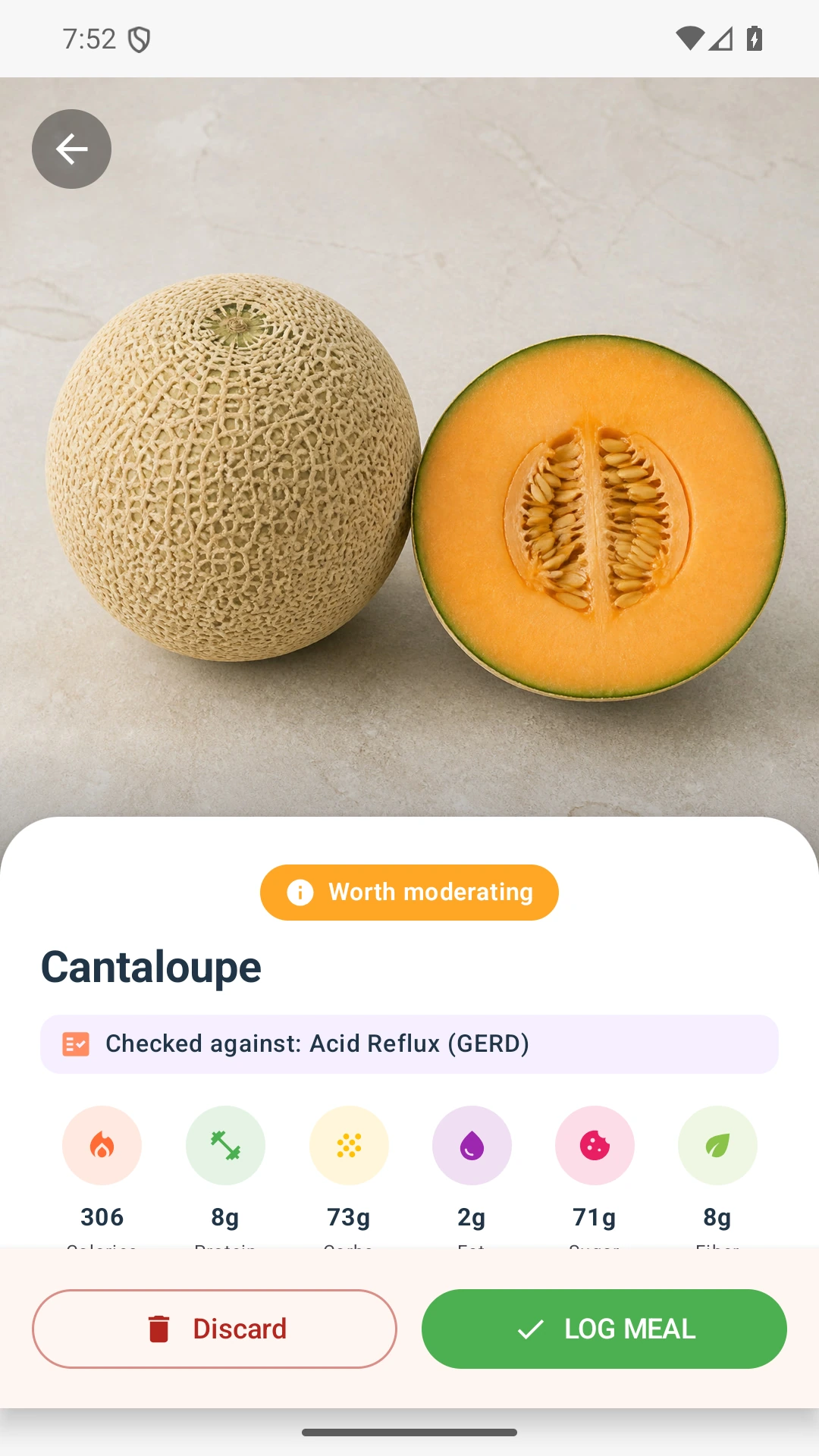
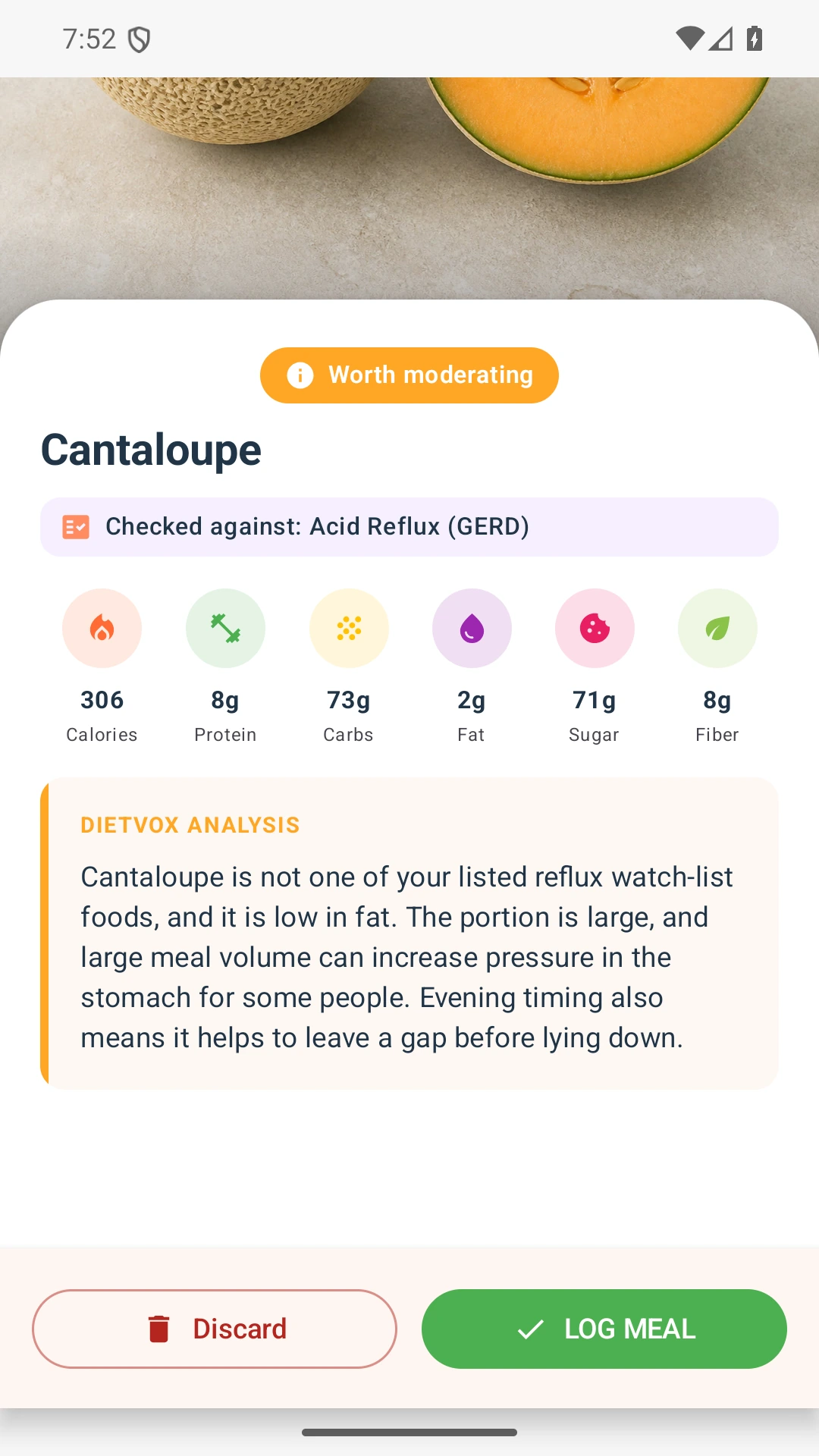
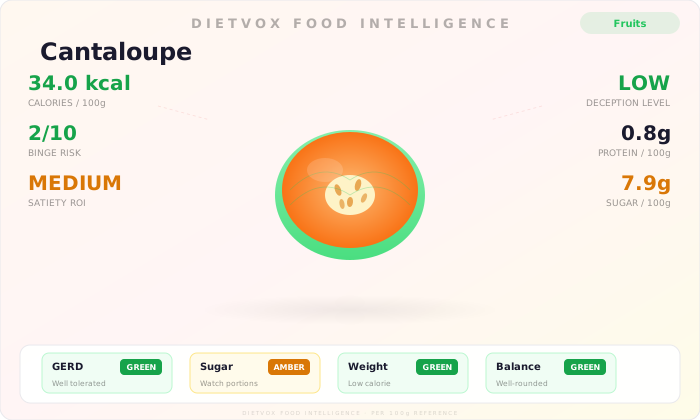
Per 100g, cantaloupe contains: - Calories: 34 kcal - Protein: 0.8 g - Fat: 0.2 g - Carbohydrates: 8.2 g - Sugars: 7.9 g - Dietary Fibre: 0.9 g

Source: USDA FoodData Central (FDC ID 169092)

These figures highlight that cantaloupe is predominantly composed of water and carbohydrates, with minimal fat and protein. The low calorie count is the most significant factor for its GREEN rating in a weight loss context.

Health Forensics: The DietVox Analysis

Our Health Forensics model evaluates foods on three key metrics relevant to a Weight Loss Diet. For cantaloupe, the results are clear.

Calorie Density: LOW Calorie density, or energy density, refers to the number of calories in a given weight of food. Cantaloupe has a very low calorie density of 34 kcal per 100g. Foods with low energy density, which are typically high in water and fibre, allow you to eat larger, more satisfying portions without consuming excess calories CDC healthy weight guidance. This can help reduce feelings of deprivation that often accompany calorie-restricted diets.

Satiety ROI: LOW Satiety Return on Investment (ROI) measures how full a food makes you feel relative to its caloric cost. Here, cantaloupe scores LOW. Satiety is primarily driven by protein and dietary fibre, both of which are present in very small amounts in cantaloupe (0.8g and 0.9g per 100g, respectively). direct source support shows that both protein and fibre are key macronutrients for promoting fullness and reducing subsequent energy intake PubMed.

Clinical Insight: While cantaloupe's volume can provide immediate, short-term fullness, it won't keep you satisfied for long. It is best used to satisfy a sweet craving or add volume to a meal, rather than being relied upon as a primary source of satiation.

Tracking Difficulty: LOW For a weight loss plan that involves calorie counting, ease of tracking is a significant advantage. Cantaloupe is easy to track. It can be measured by weight for high accuracy or by volume (e.g., in cups) for convenience, with predictable and consistent caloric values.

The Role of Cantaloupe in a Weight Loss Diet

Beyond its basic nutritional numbers, cantaloupe offers several benefits that support weight management.

1. Managing Sweet Cravings One of the biggest challenges in a weight loss diet is managing cravings for high-sugar, high-calorie foods. Cantaloupe's natural sweetness, derived from its 7.9g of sugar per 100g, can satisfy these cravings effectively. Opting for a bowl of cantaloupe instead of a cookie or a piece of cake provides sweetness along with vitamins and hydration, for a fraction of the calories. This aligns with global health recommendations to reduce intake of free sugars, which are often found in processed snacks WHO.

2. Enhancing Hydration Cantaloupe is approximately 90% water USDA FoodData Central (FDC ID 169092). Proper hydration is essential for optimal metabolic function. While drinking water is paramount, water-rich foods like cantaloupe contribute to your daily fluid intake, supporting overall health and bodily processes that are crucial during a weight loss phase FDA added sugars label guidance.

3. Supplying Essential Micronutrients During a calorie deficit, it's important to consume nutrient-dense foods to ensure your body gets the vitamins and minerals it needs. Cantaloupe is an excellent source of: - Vitamin C (36.7mg per 100g): This provides over 40% of the daily recommended intake. Vitamin C is crucial for immune function and skin health NHS. - Vitamin A (169µg RAE per 100g): Important for vision, immune health, and cell growth NHS.

By providing these essential nutrients for very few calories, cantaloupe supports your overall well-being as you lose weight.

Practical Tips for Your Weight Loss Diet

  • Pair for Power: To counteract cantaloupe's low Satiety ROI, pair it with a source of protein or healthy fat. A bowl of cantaloupe with a side of Greek yogurt, cottage cheese, or a small handful of almonds creates a more balanced and filling snack.
  • Smart Portions: A typical serving is about one cup of diced cantaloupe (around 160g), which contains approximately 54 calories. While it's a GREEN-rated food, calories can still add up, so be mindful of portions.
  • Meal Integration: Use cantaloupe to add volume and sweetness to meals. Add it to salads for a refreshing twist, blend it into a smoothie with protein powder, or enjoy it as a light dessert.
  • Choose Ripe Fruit: A ripe cantaloupe is sweeter and more flavourful, making it a more satisfying treat. Look for a melon that feels heavy for its size, has a dull, webbed skin, and smells sweet at the stem end.

Common Misconceptions About Cantaloupe and Weight Loss

Myth: "The sugar in cantaloupe will make me gain weight."

Fact: The sugar in cantaloupe is naturally occurring and is packaged with water, fibre, and micronutrients. This is fundamentally different from the 'free sugars' found in sodas, sweets, and processed foods. The fibre in whole fruit helps to moderate the absorption of sugar into the bloodstream. For weight management, the total calorie content is the most important factor, and cantaloupe is very low in calories CDC healthy eating guidance.

Myth: "You can eat unlimited amounts of cantaloupe because it's healthy."

Fact: No food is truly 'unlimited' on a weight loss diet. While cantaloupe is a low-calorie choice, consuming it in very large quantities could contribute a significant number of calories and carbohydrates, potentially hindering your progress. Adhering to sensible portion sizes is key to any successful weight loss strategy.


Disclaimer: This article is for informational purposes only and does not constitute medical advice. Always consult a healthcare provider before making changes to your diet, especially if you have a medical condition.

Scan your foods with the DietVox app to get personalized ratings based on your specific dietary needs and health goals.

Last reviewed: June 2026

How It Works

Why Cantaloupe is Rated GREEN

DietVox rates cantaloupe GREEN for a Weight Loss Diet based on four primary mechanisms:

  1. Extremely Low Calorie Density: At only 34 kcal per 100g, cantaloupe allows for generous, visually satisfying portions. This helps manage hunger and reduce feelings of restriction without significantly impacting daily calorie targets.
  1. High Water Content: Comprising about 90% water, cantaloupe contributes to daily hydration goals. Proper hydration is crucial for metabolic health and can help increase feelings of fullness, supporting weight management efforts.
  1. Natural Sweetness for Craving Control: The natural sugars in cantaloupe provide a sweet taste that can effectively satisfy cravings for high-calorie desserts and snacks. This makes it easier to adhere to a calorie-controlled diet by providing a healthy, low-calorie alternative.
  1. Virtually Fat-Free: With only 0.2g of fat per 100g, cantaloupe fits effortlessly into any low-fat or calorie-conscious eating plan. This allows for flexibility in allocating dietary fat to other nutrient-dense sources like nuts, seeds, and oils.

Scan any food. Get an instant RED/AMBER/GREEN rating.

DietVox analyses every food across 4 diet protocols — no guesswork.

Try DietVox Free →

Try These Instead

Safer alternatives that won't trigger your symptoms.

Watermelon illustration

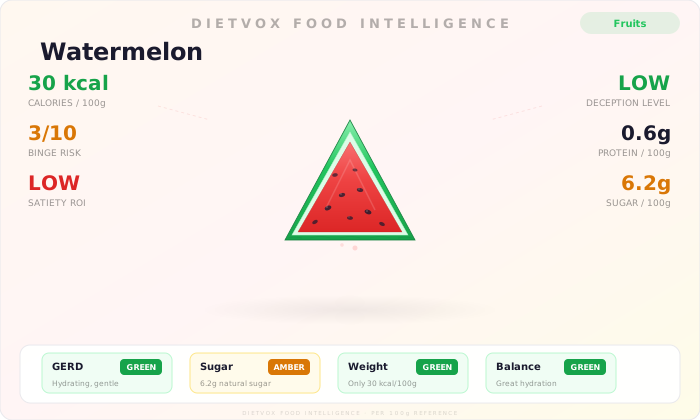
Watermelon

30 kcal Fruits
GREEN GERD
AMBER Sugar
GREEN Weight
GREEN Balance
Strawberry illustration

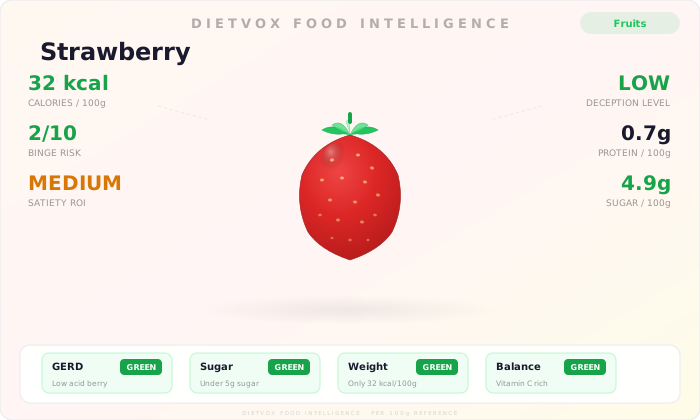
Strawberry

32 kcal Fruits
GREEN GERD
GREEN Sugar
GREEN Weight
GREEN Balance
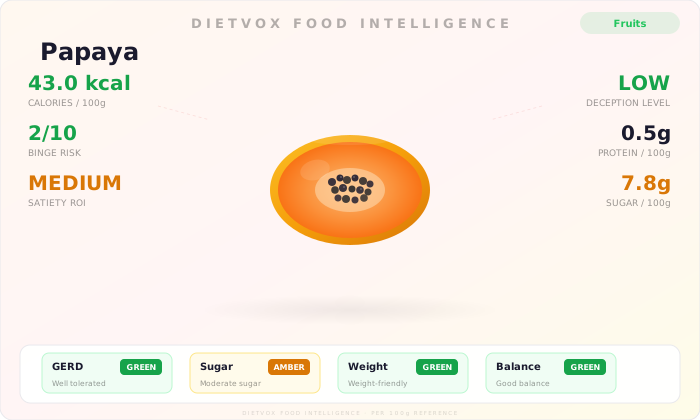
Papaya illustration

Papaya

43 kcal Fruits
GREEN GERD
AMBER Sugar
GREEN Weight
GREEN Balance
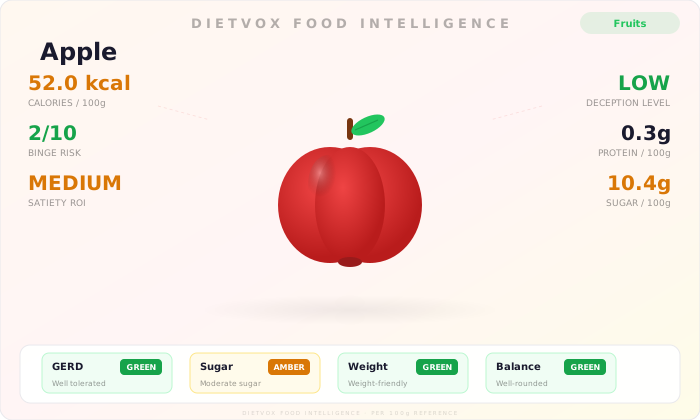
Apple illustration

Apple

52 kcal Fruits
GREEN GERD
AMBER Sugar
GREEN Weight
GREEN Balance

Frequently Asked Questions

Is the sugar in cantaloupe a concern for a weight loss diet?

No, the sugar in cantaloupe is not a significant concern. It is naturally occurring and comes in a low-calorie package with water, fibre, and essential vitamins. Unlike processed foods with added sugars, whole fruits like cantaloupe are a healthy way to satisfy sweet cravings without disrupting a weight loss plan.

How much cantaloupe can I eat per day to lose weight?

A typical serving size is about 1 to 2 cups of diced cantaloupe (160-320g), which provides 54-108 calories. While it's a GREEN-rated food, it's best to incorporate it as part of a varied diet that includes a range of fruits and vegetables to ensure a broad spectrum of nutrients.

Will cantaloupe keep me full?

Cantaloupe has a low Satiety ROI, meaning it is not very filling on its own due to its low protein and fibre content. Its high water content can provide temporary fullness. For a more satiating snack, we recommend pairing cantaloupe with a protein source like Greek yogurt or a small portion of nuts.

Can I eat cantaloupe for breakfast on a weight loss diet?

Yes, cantaloupe can be a great part of a weight-loss-friendly breakfast. However, it should not be the entire meal. Combine it with high-protein foods like eggs, cottage cheese, or a protein smoothie to ensure you stay full and satisfied until your next meal.

Related Reading