DietVox Rating: AMBER

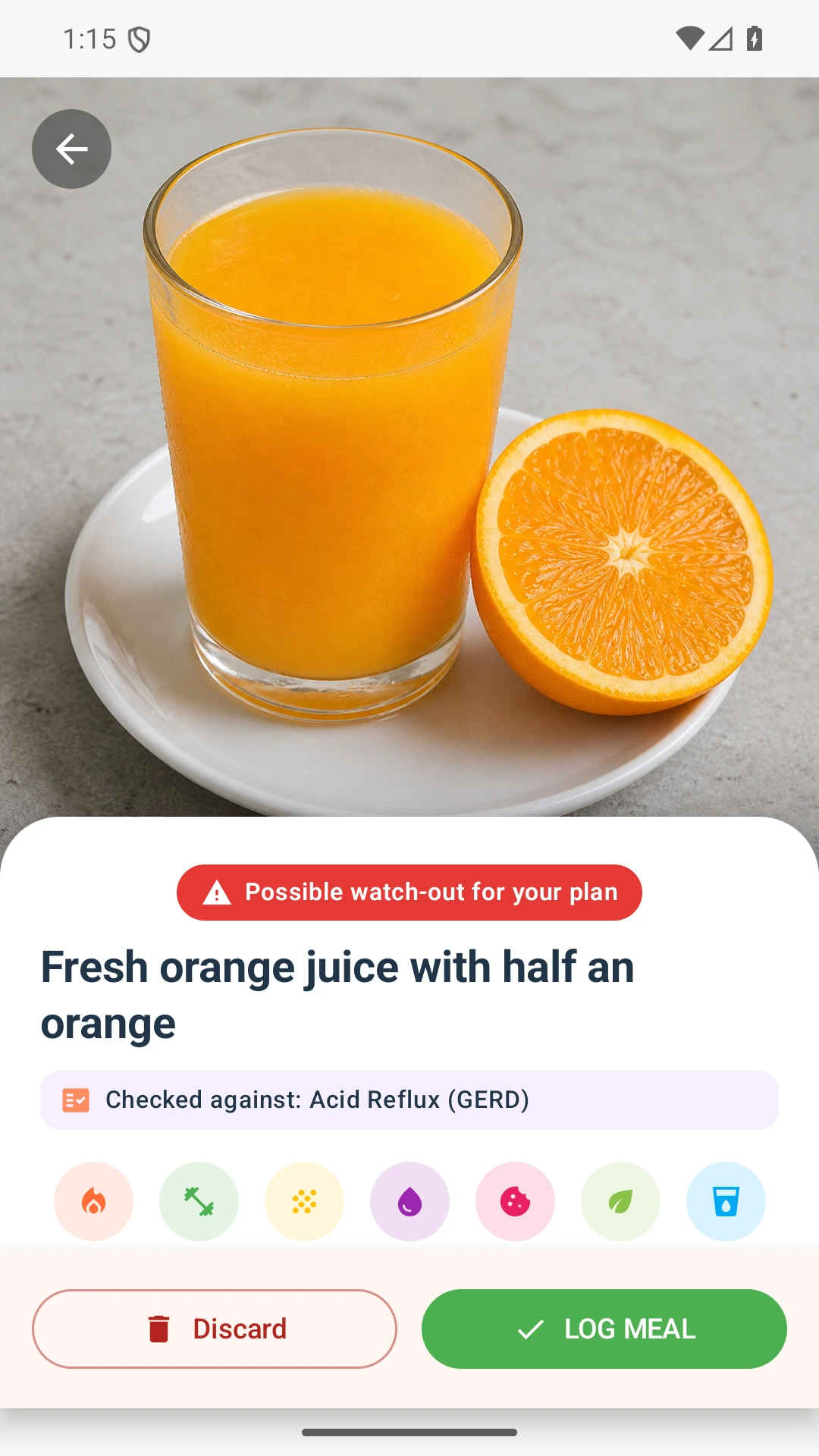
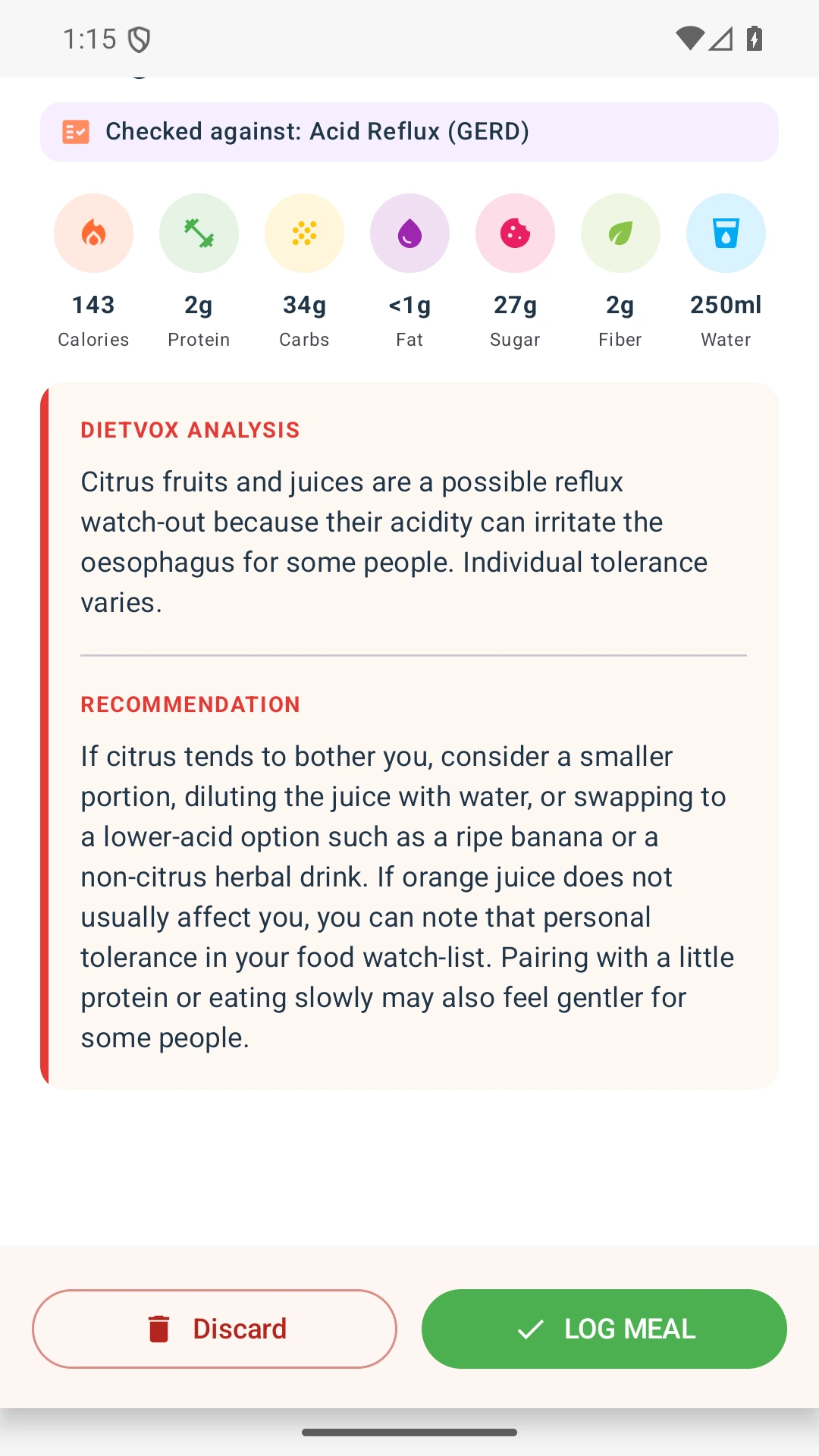
Orange Juice is rated AMBER for a weight loss diet, meaning it should be consumed with caution and strict portion control. While often perceived as a healthy breakfast staple, the conversation around orange juice weight loss is complex. Its AMBER rating reflects a significant trade-off: it provides valuable Vitamin C but delivers liquid calories and free sugars with very little of the fibre that promotes fullness, a key factor in successful weight management.

This article unpacks the direct source support behind our AMBER rating. We will analyse its nutritional profile, compare it directly to eating a whole orange, and provide practical, practical strategies for including it in a calorie-controlled diet without derailing your progress.

Why This Matters: Orange Juice and Weight Management

When evaluating a food for a weight loss protocol, we look beyond the calorie count to assess its impact on satiety, blood sugar, and overall dietary patterns. Orange juice presents several challenges in these areas.

The Liquid Calorie Problem

One of the primary concerns with orange juice is that it provides 'liquid calories'. source review consistently shows that calories consumed in liquid form are less satiating than calories from solid foods MedlinePlus drinking water overview. When you drink a 250ml glass of orange juice (about 113 kcal), your body doesn't register that energy intake in the same way it would if you ate 113 kcal of a solid food like an apple or a serving of chicken breast. This phenomenon, known as poor caloric compensation, can lead to consuming more total calories throughout the day, hindering weight loss efforts PubMed.

Sugar Content and Blood Glucose

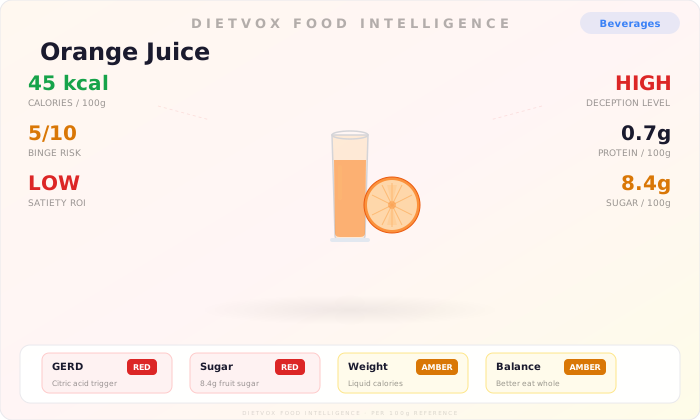
Per 100ml, orange juice contains 10.4g of carbohydrates, of which 8.4g are sugars USDA FoodData Central (FDC ID 169097). These are considered 'free sugars'—sugars that have been released from the fruit's cellular structure during processing. The World Health Organization (WHO) recommends that free sugars make up less than 10% of total energy intake, with further benefits seen by reducing it to below 5% WHO. For an adult on a 2000-calorie diet, 10% is about 50g of sugar. A single 250ml glass of orange juice contains 21g of free sugars, which is nearly half of that daily upper limit.

Because the sugar is not bound within a fibrous matrix, it is absorbed rapidly into the bloodstream, which can cause a quick spike in blood sugar levels. This can lead to a subsequent crash, potentially triggering hunger and cravings for more high-sugar foods, a cycle that is counterproductive for weight loss.

The Absence of Fibre

Perhaps the most significant difference between drinking orange juice and eating an orange is the lack of dietary fibre. The juicing process removes the pulp and membranes, which contain the vast majority of the fruit's beneficial fibre. Orange juice contains a negligible 0.2g of fibre per 100ml. Dietary fibre is a cornerstone of effective weight management. It slows digestion, helps stabilise blood sugar levels, and significantly increases feelings of fullness (satiety) MedlinePlus fiber overview. By stripping the fibre, orange juice becomes a less effective tool for appetite control compared to its whole-fruit counterpart.

Nutritional Analysis: Whole Orange vs. Orange Juice

To fully appreciate the impact of processing, it's useful to compare the nutritional profiles directly. The UK's National Health Service (NHS) advises that if you do drink fruit juice, the portion should be limited to 150ml (a small glass) per day FDA added sugars label guidance.

Let's compare an NHS-recommended 150ml serving of orange juice to one medium whole orange (approx. 140g).

| Nutrient | 150ml Orange Juice | 1 Medium Whole Orange (~140g) | |-------------------|--------------------------------------------------|-----------------------------------------------------------| | Calories | ~68 kcal | ~69 kcal | | Carbohydrates | ~15.6g | ~17.6g | | Total Sugars | ~12.6g (all free sugars) | ~13.3g (intrinsic, bound in fibre) | | Dietary Fibre | ~0.3g | ~3.4g | | Satiety Impact | LOW | HIGH |

Nutritional data sourced from USDA FoodData Central (FDC ID 1102596) and product averages.

As the table clearly shows, for virtually the same number of calories, a whole orange provides over 10 times more dietary fibre. This fibre makes the whole orange far more filling and leads to a slower, more controlled release of its natural sugars into the bloodstream. The physical act of chewing the orange also contributes to satiety signals being sent to the brain, a benefit entirely absent when drinking juice.

Practical Strategies for Your Weight Loss Diet

Given the AMBER rating, you don't necessarily need to eliminate orange juice entirely, but you must be strategic.

1. Adhere to the 150ml Rule

Treat 150ml (about 5 fl oz) as a strict maximum daily serving, as recommended by the FDA added sugars label guidance. Use a measuring cup to understand what this portion size looks like; it's much smaller than a typical drinking glass.

2. Never Drink it Alone

Avoid drinking orange juice on an empty stomach, such as first thing in the morning. This can lead to the fastest possible blood sugar spike. Instead, consume your small portion alongside a meal rich in protein and fibre, like scrambled eggs with spinach or a bowl of Greek yogurt with nuts. The other nutrients will help slow the absorption of the juice's sugar.

3. Dilute to Reduce Density

A simple trick is to dilute your 150ml portion with an equal amount of water or sparkling water. This doubles the volume of your drink without adding calories or sugar, making the experience last longer and aiding hydration.

4. Prioritise the Whole Fruit

The most effective strategy is to make a whole orange your default choice. It delivers the same flavour and vitamin profile but comes with the critical fibre needed to support your weight loss goals. Save orange juice for occasions where a whole fruit isn't practical.


Disclaimer: This article is for informational purposes only and does not constitute medical advice. Always consult a healthcare provider before making changes to your diet, especially if you have a medical condition.

Scan your foods with the DietVox app to get personalized ratings based on your specific dietary needs and health goals.

Last reviewed: June 2026

How It Works

Why Orange Juice is Rated AMBER

Orange juice's AMBER rating for a weight loss diet comes down to how it affects appetite and calorie tracking.

Calorie Density: LOW

At 45 kcal per 100ml, orange juice has a low calorie density. This means you can consume a standard portion (150ml) for a relatively small caloric cost (~68 kcal). On the surface, this appears beneficial for a weight loss diet, as low-density foods allow for greater volume without a heavy calorie load. However, this is misleading when viewed in isolation, as the lack of satiety negates the benefit.

Satiety: LOW

This is the primary reason for the AMBER rating. With minimal protein (0.7g/100ml) and virtually no dietary fibre (0.2g/100ml), orange juice provides very little to signal fullness to your brain or slow down digestion PubMed. The calories are consumed quickly and do little to curb your appetite, making it easy to over-consume calories later. A whole orange, by contrast, provides significantly more satiety due to its high fibre content.

Tracking: HIGH Difficulty

Orange juice is easy to over-consume without precise measurement. A typical glass can hold 300-350ml instead of a controlled 150ml portion, adding an extra 100+ calories without you noticing. This hidden caloric surplus, repeated daily, can easily stall or reverse weight loss progress. Precise tracking requires the use of a measuring cup or digital food scale.

Scan any food. Get an instant RED/AMBER/GREEN rating.

DietVox analyses every food across 4 diet protocols — no guesswork.

Try DietVox Free →

Try These Instead

Safer alternatives that won't trigger your symptoms.

Diet Coke illustration

Diet Coke

0 kcal Beverages
AMBER GERD
GREEN Sugar
AMBER Weight
AMBER Balance
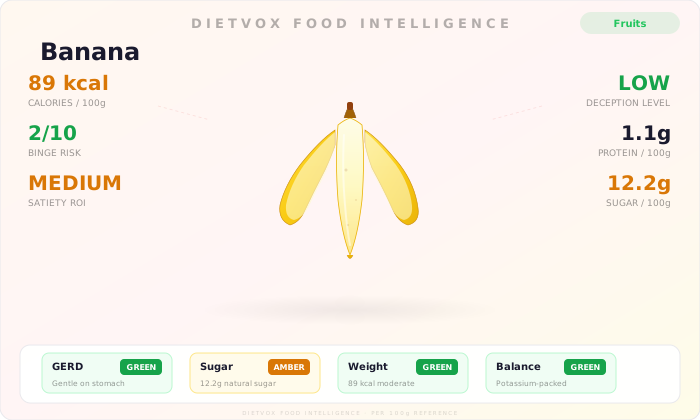
Banana illustration

Banana

89 kcal Fruits
GREEN GERD
AMBER Sugar
AMBER Weight
GREEN Balance
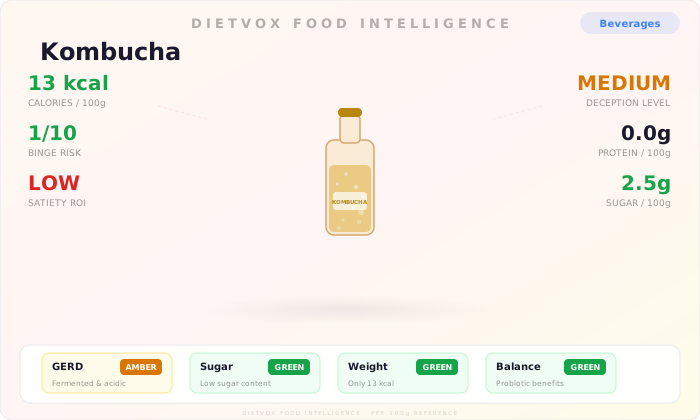
Kombucha illustration

Kombucha

13 kcal Beverages
AMBER GERD
AMBER Sugar
AMBER Weight
AMBER Balance
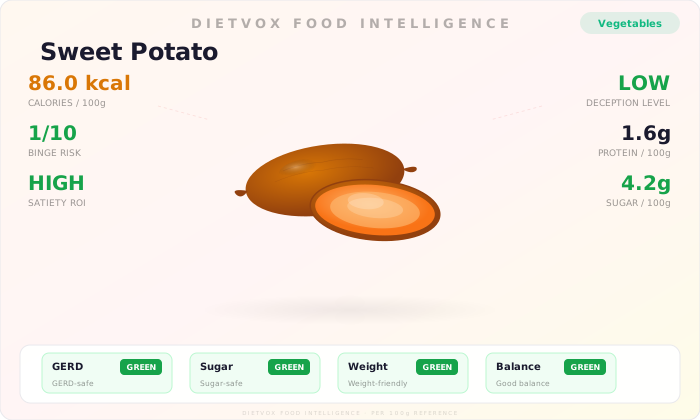
Sweet Potato illustration

Sweet Potato

86 kcal Vegetables
GREEN GERD
GREEN Sugar
AMBER Weight
GREEN Balance

Frequently Asked Questions

Can I eat Orange Juice on a weight loss diet?

DietVox rates Orange Juice AMBER for a weight loss diet. This means it can be included in small, controlled portions but is not ideal. A standard serving should be limited to 150ml (about 68 kcal) due to its high concentration of free sugars and low satiety. A whole orange is a much better choice.

Why is a whole orange better than orange juice for weight loss?

A whole orange is superior for weight loss primarily due to its fibre content. For the same number of calories, a medium orange provides over 3 grams of dietary fibre, while juice has almost none. This fibre promotes feelings of fullness, slows sugar absorption, and supports digestive health, all of which are crucial for effective weight management.

Does '100% pure' or 'not from concentrate' orange juice make a difference for weight loss?

No, for weight loss purposes, the difference is negligible. Both '100% pure' and 'not from concentrate' juices still contain a high concentration of free sugars and have had their natural fibre removed. While they are nutritionally superior to 'juice drinks' with added sugars, they pose the same challenges of low satiety and liquid calories.

How much orange juice can I drink per day on a weight loss diet?

To align with public health guidelines and support weight loss, it is recommended to limit orange juice consumption to a maximum of one small 150ml (5 fl oz) glass per day. According to the NHS, this portion can count as one of your five-a-day, but any amount beyond this should be avoided due to its sugar content.

Can drinking orange juice cause weight gain?

Yes, excessive consumption of orange juice can contribute to weight gain. Because it is a source of liquid calories that provides little satiety, it's easy to consume a significant number of calories from juice without feeling full. This can lead to an overall calorie surplus, which is the primary driver of weight gain.

Related Reading