DietVox Rating: AMBER

Diet Coke is rated AMBER for a Weight Loss Diet. This means it can be included in moderation but requires caution. While it contains virtually no calories, its impact on appetite and long-term habits is a subject of ongoing scientific debate.

The question of diet coke weight loss is one of the most common queries for those starting a calorie-controlled plan. On the surface, the answer seems simple: a drink with almost zero calories shouldn't cause weight gain. This is true from a direct energy-balance perspective. However, the AMBER rating reflects a more nuanced clinical picture that considers the role of artificial sweeteners, satiety, and overall dietary patterns.

This article unpacks the source support, helping you understand how Diet Coke fits into a healthy and sustainable Weight Loss Diet.

The Calorie Equation: Why Diet Coke Isn't Directly Fattening

Weight loss fundamentally relies on achieving a consistent calorie deficit, where you expend more energy than you consume CDC healthy weight guidance. From this standpoint, Diet Coke's nutritional profile is highly compatible with a weight loss goal.

According to the USDA FoodData Central (FDC ID 174828), 100ml of Diet Coke contains: - Calories: 0.4 kcal - Protein: 0 g - Fat: 0 g - Carbohydrates: 0 g - Sugar: 0 g

These negligible calorie values mean that substituting a sugar-sweetened beverage (like regular Coca-Cola, which has around 42 kcal and 10.6g of sugar per 100ml) with Diet Coke can significantly reduce your daily calorie and sugar intake. This swap alone can create a substantial calorie deficit over time, contributing directly to weight loss.

The Artificial Sweetener Controversy

Diet Coke achieves its sweet taste without sugar by using non-nutritive sweeteners (NNS), specifically aspartame and acesulfame-potassium (Ace-K). These sweeteners are approved as safe for consumption by major regulatory bodies, including the European Food Safety Authority (EFSA).

However, their role in weight management is complex and not fully understood. The AMBER rating is largely based on the conflicting source support in this area.

Arguments for Benefit: Some high-quality source reviews, including systematic reviews, have found that using NNS to replace sugar can lead to a modest reduction in body weight and BMI PubMed search for Cochrane review DOI. The mechanism is straightforward: replacing high-calorie sugar with zero-calorie alternatives reduces overall energy intake.

Arguments for Caution: Conversely, some observational source reviews and physiological source review raise questions about the long-term effects of NNS. Key concerns include:

  1. Appetite and Cravings: There is a hypothesis that the intense sweetness of NNS without the associated calories could disrupt the body's ability to associate sweetness with energy. This might lead to increased cravings for other sweet, high-calorie foods PubMed.
  2. Gut Microbiome: Emerging sources suggest that some artificial sweeteners may alter the composition of gut bacteria. The health implications of these changes are still being investigated, but a healthy gut microbiome is increasingly linked to metabolic health and weight regulation PubMed.
  3. WHO Guidance: In 2023, the World Health Organization (WHO) released a conditional guideline advising against the long-term use of NNS for weight control. This was not based on source support that they cause weight gain, but rather on a lack of clear source support for long-term benefits and potential undesirable effects with prolonged use.

This uncertainty is why Diet Coke is not rated GREEN. While a useful tool for some, its potential to influence cravings means it should be consumed with mindfulness.

Beyond Calories: Other Health Considerations

When evaluating a food for a Weight Loss Diet, it's important to look beyond calories.

Satiety ROI: Very Low Satiety, or the feeling of fullness, is crucial for managing hunger on a calorie-controlled diet. Foods high in protein and fibre provide a high 'Satiety Return on Investment' (Satiety ROI). Diet Coke contains 0g of protein and 0g of fibre, meaning it does nothing to make you feel full. Relying on it to quench thirst or satisfy a craving may leave you feeling unsatisfied and more likely to seek out other food.

Hydration Diet Coke is over 99% water and contributes to your daily fluid intake. While caffeine has a mild diuretic effect, source reviews show that in the amounts found in typical consumption, it does not lead to dehydration FDA added sugars label guidance. Water, however, remains the optimal choice for hydration as it has zero calories, no additives, and no potential to trigger sweet cravings.

Dental Health Like all carbonated soft drinks, Diet Coke is acidic due to the presence of carbonic and phosphoric acid. Frequent consumption can contribute to the erosion of tooth enamel NHS. It's advisable to drink it in one sitting (rather than sipping over a long period) and to wait at least 30 minutes before brushing your teeth.

Practical Guidance for a Weight Loss Diet

Given its AMBER rating, here’s how to incorporate Diet Coke into your Weight Loss Diet effectively:

  • Use it as a Transition Tool: If you are a heavy consumer of sugary sodas, switching to Diet Coke is a positive first step that can dramatically cut your calorie and sugar intake.
  • Practice Mindful Consumption: Pay attention to how it affects you. If you find that drinking Diet Coke makes you crave cake, biscuits, or other sweets, it may be undermining your efforts. In this case, water or herbal tea would be a better choice.
  • Don't Let it Displace Nutrients: Ensure your fluid intake is primarily from water. Don't let Diet Coke take the place of more nutritious options like a glass of milk (for calcium and protein) or a vegetable smoothie (for fibre and vitamins).
  • Set a Limit: Rather than unrestricted consumption, treat it as a deliberate choice. For example, you might have one can with your evening meal instead of drinking it throughout the day.
  • Focus on the Big Picture: A single food or drink will not make or break your diet. Success in weight loss comes from a sustainable pattern of healthy eating, regular physical activity, and consistent calorie management CDC healthy weight guidance.

Disclaimer: This article is for informational purposes only and does not constitute medical advice. Always consult a healthcare provider before making changes to your diet, especially if you have a medical condition.

Scan your foods with the DietVox app to get personalized ratings based on your specific dietary needs and health goals.

Last reviewed: June 2026

How It Works

Why Diet Coke is Rated AMBER for a Weight Loss Diet

Diet Coke's AMBER rating reflects a balance between its clear benefits and potential drawbacks within a weight loss context. The rating is based on three key factors:

  1. Near-Zero Calorie Content (Positive): From a pure energy balance perspective, Diet Coke is an excellent choice. With only 0.4 kcal per 100ml, it does not contribute meaningful calories to your daily intake, making it a powerful tool for reducing the energy density of your diet when used to replace sugary, high-calorie beverages USDA FoodData Central (FDC ID 174828).
  1. Uncertain Impact of Artificial Sweeteners (Caution): This is the primary reason for the AMBER rating. While approved as safe, the long-term effects of non-nutritive sweeteners like aspartame on weight management are debated. Some sources suggest they may alter taste preferences, potentially increasing cravings for sweet foods, or impact the gut microbiome PubMed. The WHO has also issued guidance advising caution for long-term use in weight control, citing a lack of proven long-term benefit.
  1. Low Satiety and No Nutritional Value (Negative): A successful Weight Loss Diet often relies on choosing foods that promote fullness. Diet Coke provides no protein, fibre, or micronutrients. It offers hydration but does not contribute to satiety, meaning it won't help you manage hunger between meals. This low 'Satiety ROI' makes it less beneficial than other zero-calorie options like water or nutrient-dense options like vegetable juice.

Scan any food. Get an instant RED/AMBER/GREEN rating.

DietVox analyses every food across 4 diet protocols — no guesswork.

Try DietVox Free →

Try These Instead

Safer alternatives that won't trigger your symptoms.

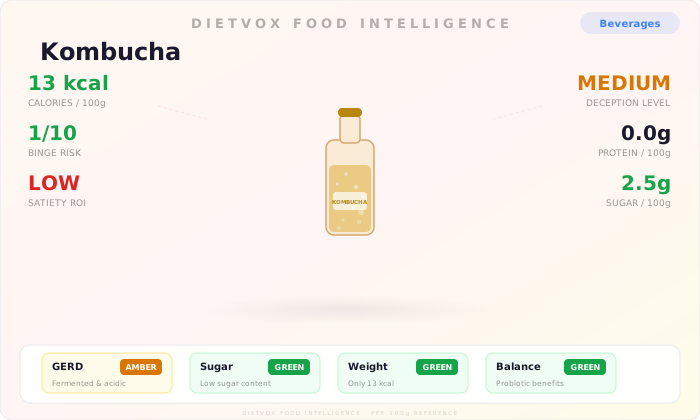
Kombucha illustration

Kombucha

13 kcal Beverages
AMBER GERD
AMBER Sugar
AMBER Weight
AMBER Balance
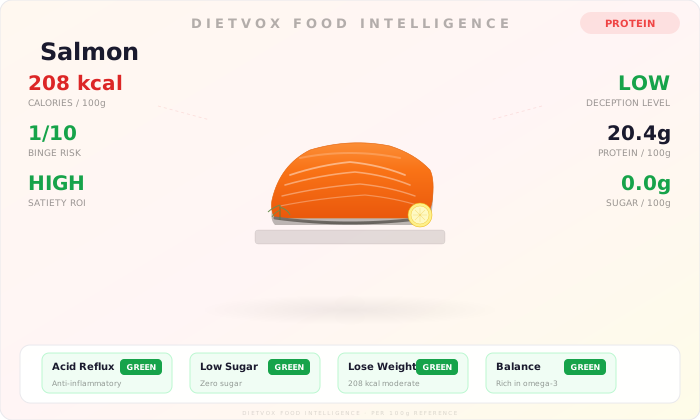
Salmon illustration

Salmon

208 kcal Protein
GREEN GERD
GREEN Sugar
AMBER Weight
GREEN Balance
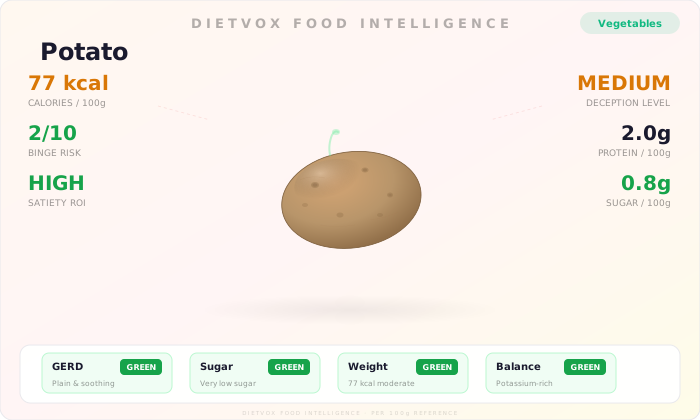
Potato illustration

Potato

77 kcal Vegetables
GREEN GERD
GREEN Sugar
AMBER Weight
GREEN Balance
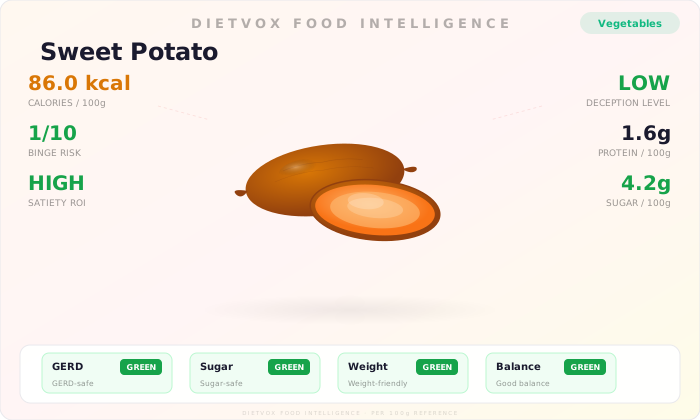
Sweet Potato illustration

Sweet Potato

86 kcal Vegetables
GREEN GERD
GREEN Sugar
AMBER Weight
GREEN Balance

Frequently Asked Questions

Does the aspartame in Diet Coke cause weight gain?

Aspartame itself is virtually calorie-free and does not directly cause weight gain. The scientific debate, and the reason for DietVox's AMBER rating, centres on potential indirect effects. Some sources suggest that intense artificial sweeteners could increase cravings for sweet foods in some individuals, potentially leading to higher overall calorie intake. The World Health Organization (WHO) also advises against long-term use for weight control due to a lack of source support for sustained benefits.

Is it better to drink Diet Coke or regular Coke for weight loss?

From a purely caloric perspective, Diet Coke is significantly better for a Weight Loss Diet. A standard 330ml can of regular Coca-Cola contains about 139 calories and 35g of sugar, whereas a can of Diet Coke contains about 1 calorie and 0g of sugar USDA FoodData Central. Swapping regular soda for a diet version is an effective strategy to reduce your daily calorie intake and support weight loss goals, as recommended by health bodies like the FDA added sugars label guidance.

How much Diet Coke is safe to drink per day when trying to lose weight?

In terms of sweetener safety, the Acceptable Daily Intake (ADI) for aspartame is 40 milligrams per kilogram of body weight per day, according to the European Food Safety Authority (EFSA). A 330ml can of Diet Coke contains well below this threshold, and an average adult would need to drink many cans per day to exceed it. For a weight loss diet, the more relevant question is not about safety but about effectiveness. It is best to consume it in moderation and prioritise water for hydration, while monitoring its effect on your personal cravings and dietary habits.

Can drinking Diet Coke stall my weight loss?

Diet Coke is unlikely to directly stall weight loss, as it contributes almost no calories to your diet. Weight loss stalls typically occur when your calorie intake matches your energy expenditure. However, it could indirectly hinder progress for some individuals. If you find that drinking Diet Coke increases your appetite for high-calorie sweet or savoury foods, or if it reinforces a psychological reliance on sweet tastes, it may make sticking to your overall calorie deficit more challenging. It's crucial to assess its role in your total dietary pattern.

Related Reading