DietVox Rating: AMBER

Salmon is rated AMBER for a Weight Loss Diet, signifying that it is a beneficial food to include with mindful portion control. An AMBER rating indicates that while the food offers significant nutritional advantages for weight management, its calorie density requires awareness to ensure it aligns with your daily energy targets.

Is Salmon Good for Weight Loss?

The connection between salmon weight loss success is well-supported by nutrition profile, provided it's incorporated strategically. While its calorie count is higher than lean white fish like cod or tilapia, its unique composition of high-quality protein and omega-3 fatty acids makes it a powerful ally in a weight management plan. These nutrients work synergistically to enhance feelings of fullness, support metabolism, and reduce inflammation, factors that can significantly influence weight loss outcomes.

Nutritional Profile of Salmon for Weight Loss

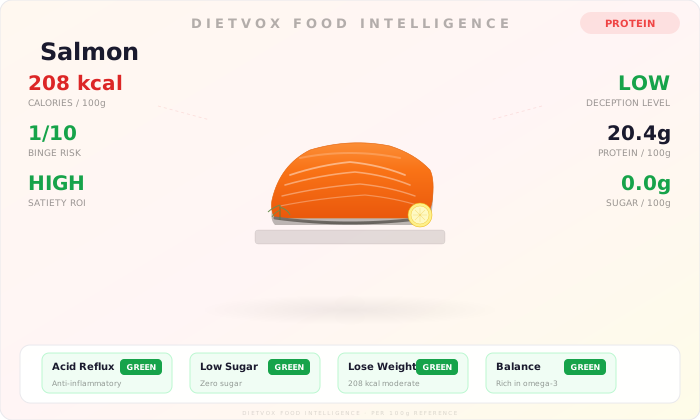
An analysis of salmon's nutritional data reveals why it warrants a place in a calorie-controlled diet. Per 100g, Atlantic salmon provides:

  • Calories: 208 kcal
  • Protein: 20.4 g
  • Fat: 13.4 g
  • Carbohydrates: 0 g

Source: USDA FoodData Central (FDC ID 175167)

Calorie Density: A Closer Look

At 208 kcal per 100g, salmon has a medium calorie density. This is primarily due to its fat content. For comparison, 100g of skinless chicken breast contains around 165 kcal, while 100g of broccoli has only 34 kcal. This moderate density is why portion awareness is critical. A standard serving can easily fit into a weight loss plan, but excessive consumption could hinder a calorie deficit.

The Power of Protein

Salmon's most significant asset for weight loss is its high protein content. With 20.4g per 100g serving, it plays a crucial role in two key physiological processes:

  1. Satiety: Protein is the most satiating macronutrient. It helps regulate appetite-controlling hormones, leading to prolonged feelings of fullness and potentially reducing overall calorie intake throughout the day PubMed.
  2. Thermic Effect of Food (TEF): The body expends energy to digest, absorb, and metabolise food. Protein has the highest TEF, meaning your body burns more calories processing protein compared to fats and carbohydrates. This can contribute to a higher daily energy expenditure.

Healthy Fats: The Omega-3 Advantage

While the 13.4g of fat contributes to the calorie count, it's the type of fat that matters. Salmon is rich in long-chain omega-3 fatty acids, specifically eicosapentaenoic acid (EPA) and docosahexaenoic acid (DHA). These healthy fats offer benefits that extend beyond general health to support weight management:

  • Anti-Inflammatory Properties: Chronic low-grade inflammation is often associated with obesity and metabolic dysfunction. The anti-inflammatory effects of omega-3s can help improve metabolic health, creating a more favourable environment for weight loss MedlinePlus omega-3 fats overview.
  • Metabolic Support: Some sources suggest that omega-3s may play a role in metabolic regulation, though more source reviews are needed to confirm a direct impact on weight loss itself.

The NHS recommends eating at least two portions of fish per week, including one of oily fish like salmon, to reap these cardiovascular and anti-inflammatory benefits.

Nutritional Analysis for Weight Loss

Salmon scores well for weight loss across three key nutritional factors:

  • Calorie Density: MEDIUM At 208 kcal per 100g, salmon sits in the medium range — higher than lean white fish but offset by its high satiety value.
  • Satiety: HIGH Salmon delivers excellent satiety. The high protein content ensures you feel full and satisfied for longer, helping to prevent overeating later.
  • Tracking: EASY A fillet of salmon is straightforward to weigh and log in a food diary. Its nutritional profile is consistent, making accurate calorie and macro tracking simple.

Common Misconceptions About Salmon on a Weight Loss Diet

Myth: "Fatty fish is fattening and should be avoided."

Fact: This is a misunderstanding of dietary fats. The unsaturated fats in salmon, particularly omega-3s, are beneficial for heart health and may reduce inflammation MedlinePlus omega-3 fats overview. Unlike the saturated and trans fats found in many processed foods, these healthy fats are a valuable part of a balanced diet. The key is moderation and accounting for their calories within your daily budget.

Myth: "Farmed salmon is nutritionally inferior and bad for weight loss."

Fact: While there are differences—wild salmon is typically leaner and farmed salmon can be higher in omega-3s (due to fortified feed) and total fat—both are excellent sources of high-quality protein and beneficial fatty acids. For weight loss purposes, either can be a healthy choice. The most important factors remain portion size and cooking method, not the origin of the fish.

Practical Tips for Including Salmon in Your Weight Loss Plan

To maximise the benefits of salmon without derailing your progress, follow these practical strategies:

  1. Prioritise Portion Control: A healthy portion is typically around 100-150g (3.5-5 oz), which is about the size of the palm of your hand or a deck of cards. Weighing your portion is the most accurate way to track your intake.
  1. Choose Smart Cooking Methods: How you prepare salmon is as important as how much you eat. Avoid methods that add significant amounts of fat and calories. * Best choices: Baking, grilling, poaching, steaming, or air-frying. * Limit: Pan-frying with large amounts of butter or oil, deep-frying, or using heavy cream-based sauces.
  1. Build a Balanced, Low-Calorie Plate: Pair your salmon with nutrient-dense, low-calorie foods to create a filling and satisfying meal. Excellent companions include: * Non-starchy vegetables: A large serving of steamed asparagus, roasted broccoli, or a fresh green salad. * Complex carbohydrates: A small portion (e.g., ½ cup cooked) of quinoa, brown rice, or a small sweet potato.
  1. Follow Official Guidelines: Adhere to the recommendation of consuming two servings of fish per week, with at least one being an oily fish like salmon. This ensures you get the health benefits without overconsuming calories from a single food source.

Disclaimer: This article is for informational purposes only and does not constitute medical advice. Always consult a healthcare provider before making changes to your diet, especially if you have a medical condition.

Scan your foods with the DietVox app to get personalized ratings based on your specific dietary needs and health goals.

Last reviewed: June 2026

How It Works

Why Salmon is Rated AMBER

Salmon's AMBER rating for a Weight Loss Diet is based on a careful balance of its pros and cons. Its caloric value is moderate, but its exceptional nutritional profile offers distinct advantages for weight management.

  1. High-Quality Protein: With over 20g of protein per 100g, salmon is highly effective at promoting satiety (the feeling of fullness) and has a high thermic effect, meaning your body burns more calories digesting it. This is a significant benefit for appetite control and metabolic rate.
  1. Beneficial Omega-3 Fats: While these healthy fats contribute to its medium calorie density (208 kcal/100g), they are crucial for reducing inflammation and supporting overall metabolic health. The benefits of these fats are considered a worthwhile trade-off for the extra calories compared to leaner protein sources.
  1. Moderate Calorie Density: The calorie count requires mindful portioning. Unlike very low-calorie (GREEN) foods that can be eaten in large quantities, salmon portions must be managed to fit within a daily calorie deficit.

In essence, salmon is not a 'free-for-all' food but a highly strategic one. Its ability to control hunger and provide essential nutrients justifies its inclusion in a weight loss plan, earning it a solid AMBER rating.

Scan any food. Get an instant RED/AMBER/GREEN rating.

DietVox analyses every food across 4 diet protocols — no guesswork.

Try DietVox Free →

Try These Instead

Safer alternatives that won't trigger your symptoms.

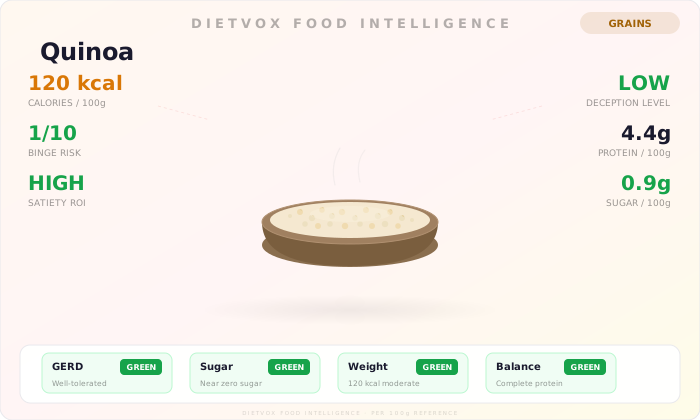
Quinoa illustration

Quinoa

120 kcal Grains
GREEN GERD
GREEN Sugar
AMBER Weight
GREEN Balance
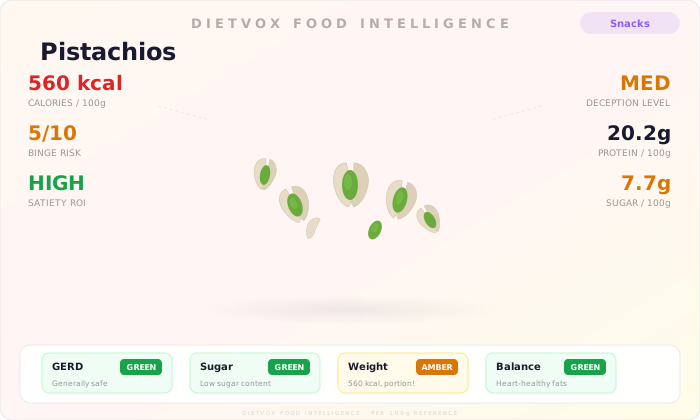
Pistachios illustration

Pistachios

560 kcal Snacks
GREEN GERD
GREEN Sugar
AMBER Weight
GREEN Balance
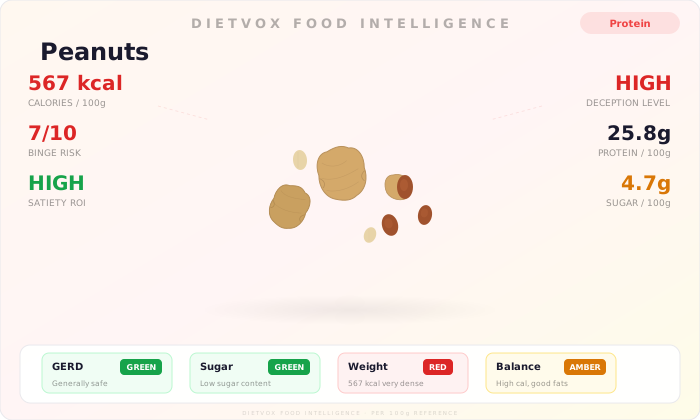
Peanuts illustration

Peanuts

567 kcal Protein
GREEN GERD
GREEN Sugar
AMBER Weight
AMBER Balance

Frequently Asked Questions

What is a healthy portion size for salmon when trying to lose weight?

A recommended portion size for salmon on a weight loss diet is typically 100-150 grams (3.5-5 ounces). This size, roughly equivalent to the palm of your hand, provides an excellent dose of protein and omega-3s for about 208-312 calories, which can be easily incorporated into a calorie-controlled daily plan.

Is farmed or wild salmon better for weight loss?

Both farmed and wild salmon can be excellent choices for a weight loss diet. Wild salmon is generally leaner with slightly fewer calories, while farmed salmon often contains more omega-3 fatty acids. The differences are minor in the context of a balanced diet. The most critical factors for weight loss are controlling your portion size and using low-calorie cooking methods like baking or grilling, regardless of which type you choose.

How does salmon compare to tuna for weight loss?

Canned light tuna packed in water is lower in calories and fat than salmon, making it a 'leaner' protein choice that might receive a GREEN rating. However, salmon provides significantly higher levels of beneficial omega-3 fatty acids. The best choice depends on your goals: if you need a very low-calorie protein source, tuna is a great option. If you want the added anti-inflammatory and heart-health benefits of omega-3s, salmon is superior, warranting its AMBER rating due to the need for portion awareness.

Can I eat salmon skin if I'm on a weight loss diet?

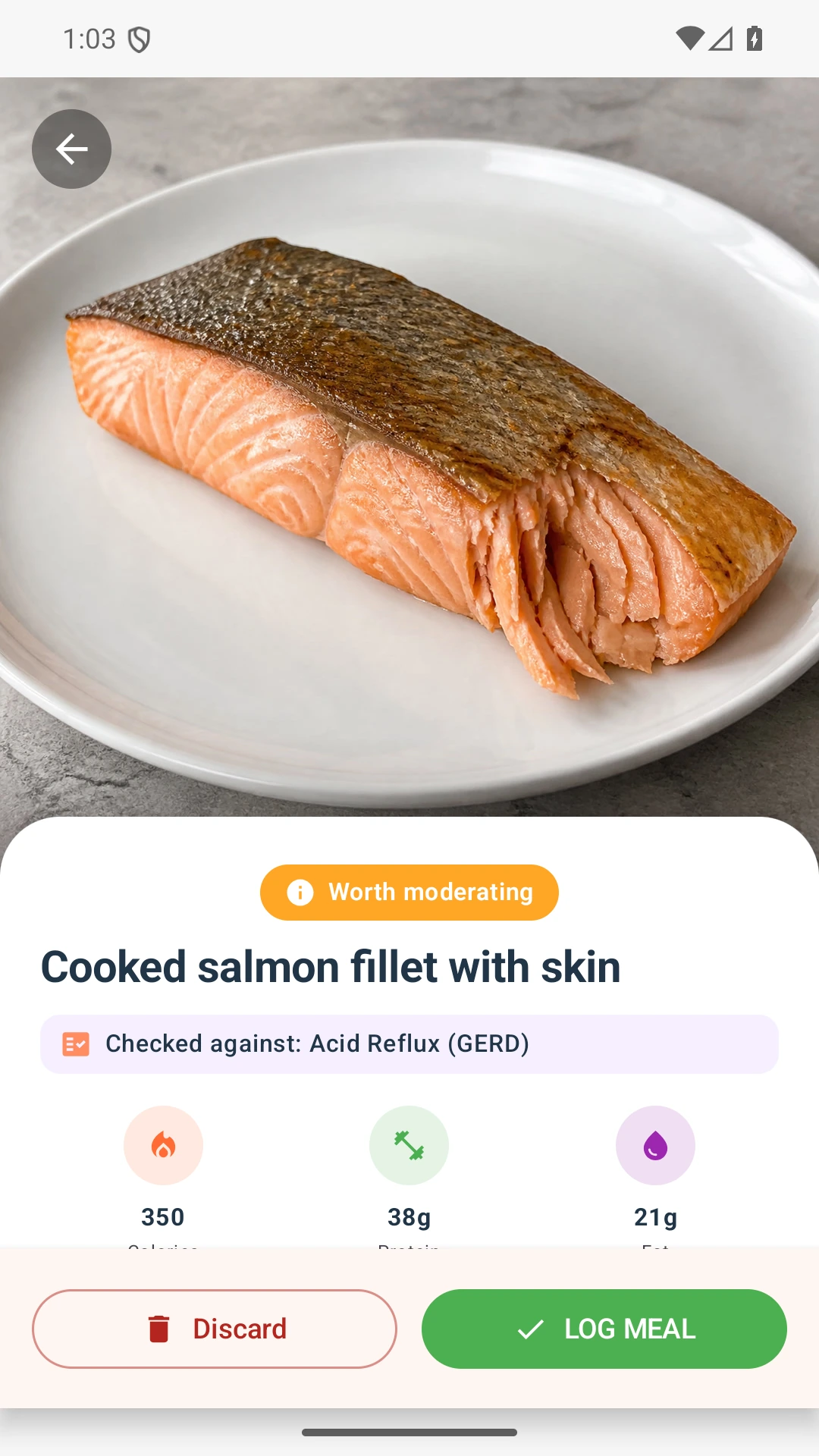
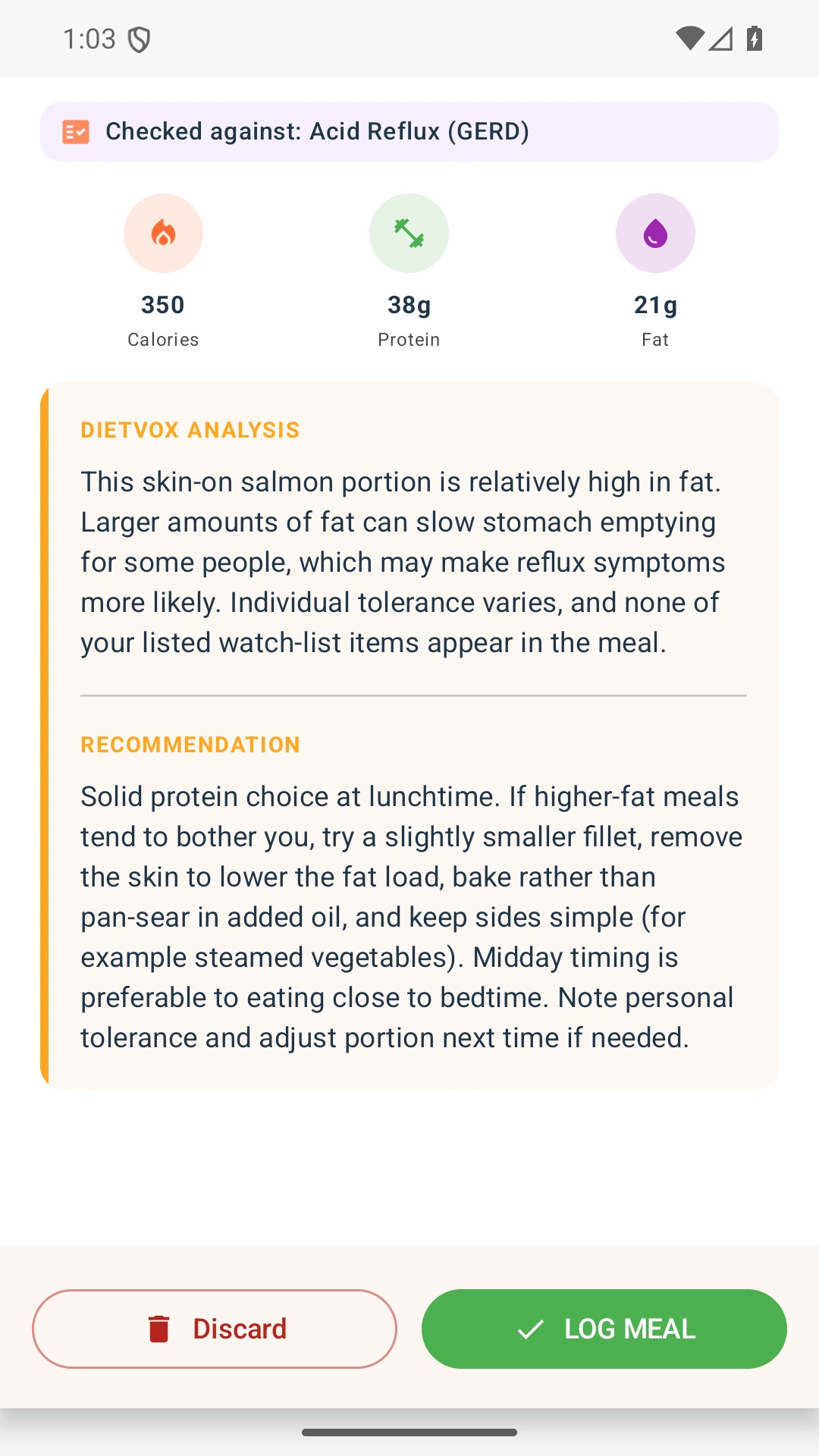
Yes, you can eat salmon skin, but you must account for the extra calories. The skin is a concentrated source of healthy omega-3 fats, but it also contains a higher proportion of the fish's total fat and calories. If you cook it until it's crisp (e.g., pan-seared or roasted) without adding much extra oil, it can be a nutritious part of your meal. Just be mindful that including the skin will increase the total calorie count of your portion.

Related Reading