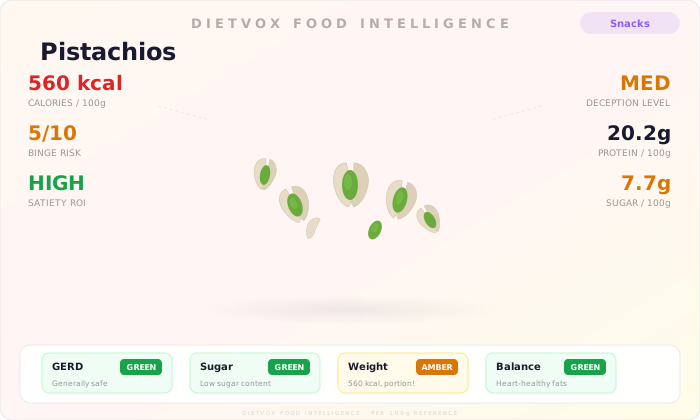
DietVox Rating: AMBER
Pistachios are rated AMBER for a weight loss diet, signifying they can be a beneficial part of a calorie-controlled plan, but require careful portion management. The discussion around pistachios weight loss benefits can be confusing; on one hand, they are high in calories, but on the other, available sources suggest they don't hinder, and may even support, weight management goals. This analysis breaks down the science behind our AMBER rating.
An AMBER rating indicates a food has both beneficial properties and potential drawbacks for the protocol. For pistachios, the primary drawback is their high calorie density. However, their excellent satiety value, driven by protein and fibre, combined with behavioural factors associated with their consumption, makes them a valuable tool when used correctly.
Pistachios and Weight Loss: A Nutritional Overview
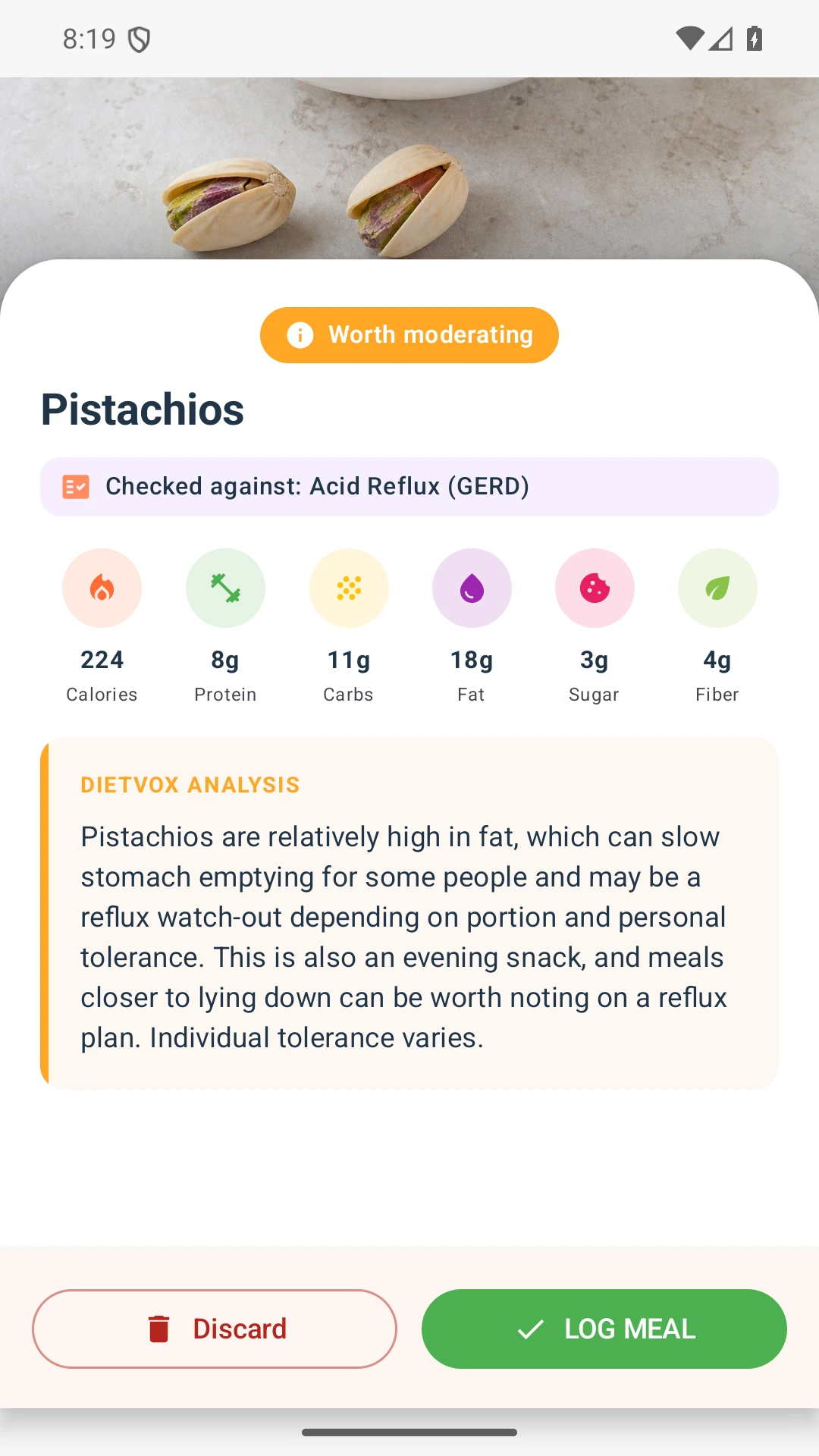
At first glance, the nutritional profile of pistachios might seem counterintuitive for a weight loss diet. Per 100g, they contain:
- Calories: 560 kcal
- Fat: 45.3g (of which 5.6g is saturated)
- Protein: 20.2g
- Carbohydrates: 27.2g
- Dietary Fibre: 10.6g
Source: USDA FoodData Central (FDC ID 170184)
The high calorie and fat content is what necessitates caution and earns them an AMBER, not a GREEN, rating. However, a closer look at the quality of these nutrients reveals why they can be a strategic inclusion in your diet.
High-Quality Protein and Fibre: With over 20g of protein and 10g of fibre per 100g, pistachios are a powerhouse for satiety. Protein is well-documented to increase feelings of fullness and can help preserve lean muscle mass during weight loss, which is crucial for maintaining a healthy metabolism CDC healthy weight guidance. Dietary fibre slows digestion, helping to stabilise blood sugar levels and prolong feelings of fullness, reducing the likelihood of overeating later MedlinePlus fiber overview.
Heart-Healthy Fats: The majority of the fat in pistachios is monounsaturated and polyunsaturated, which are considered beneficial for heart health NHS. These healthy fats also contribute to satiety, helping you feel satisfied with smaller portions.
Why This Matters: Do Pistachios Help with Weight Loss?
The idea that nuts, despite their calorie density, do not contribute to weight gain is supported by available source reviews. This phenomenon is sometimes referred to as the "nut paradox."
A 2019 systematic review and meta-analysis of randomized controlled trials listed in PubMed concluded that pistachio consumption did not lead to an increase in body weight or Body Mass Index (BMI) PubMed. In fact, one of the source reviews included in the analysis found that a group consuming pistachios as a snack saw a significant reduction in their BMI over a 12-week period.
Another meta-analysis focusing on nuts in general found that their consumption can increase feelings of fullness and may even reduce the amount of energy consumed in subsequent meals PubMed. This suggests that the satiety-inducing properties of nuts like pistachios can help naturally regulate overall calorie intake throughout the day.
The 'Pistachio Principle': Mindful Eating by Design
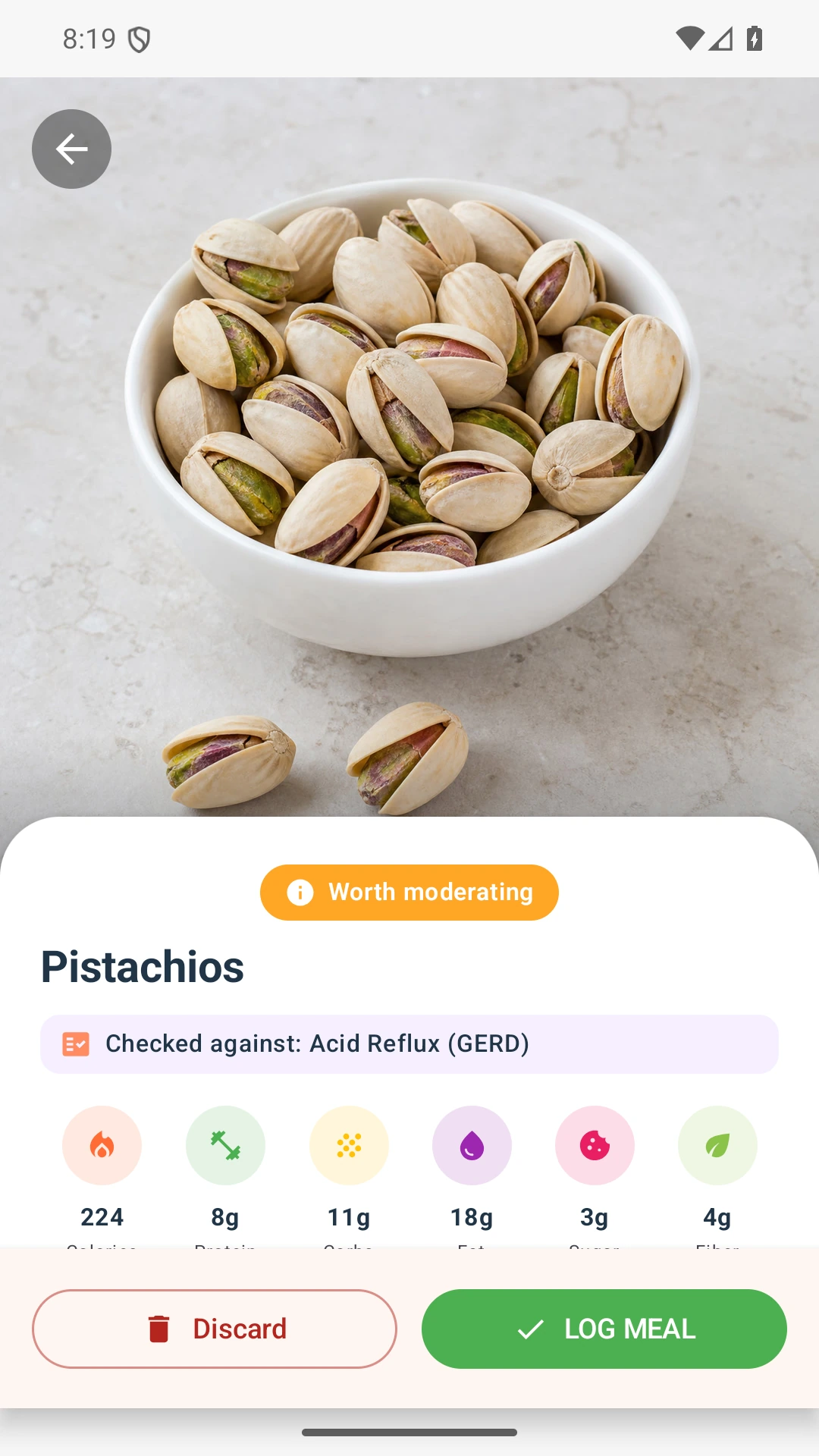
One of the unique advantages of pistachios for a weight loss diet is the behavioural effect of consuming them in-shell. This is often called the "Pistachio Principle." The process of shelling each nut serves two important functions:
- Slowing Consumption Rate: The physical act of opening the shell takes time, which naturally slows down the rate at which you eat. This gives your body more time to register feelings of fullness, preventing you from consuming a large number of calories in a short period.
- Providing Visual Cues: The pile of empty shells serves as a powerful visual reminder of how much you have eaten. source review has shown that individuals who leave the empty shells in sight tend to consume fewer calories compared to those who have the shells cleared away PubMed).
This built-in mechanism for mindful eating is a key reason why pistachios, despite their high calorie count, can be a successful part of a weight management strategy.
Practical Tips for Including Pistachios in Your Diet
To leverage the benefits of pistachios without compromising your weight loss goals, follow these practical strategies:
- Master Portion Control: The most critical factor is portion size. A sensible serving is about 30 grams, which is approximately 49 kernels and contains around 168 calories. Use a food scale for accuracy initially, then transition to using a small handful as a visual guide.
- Choose In-Shell and Unsalted: Always opt for in-shell pistachios to benefit from the 'Pistachio Principle'. Choosing unsalted or lightly salted varieties helps manage sodium intake, which is important for blood pressure and reducing water retention NHS.
- Use as a Strategic Snack: Replace low-satiety, high-sugar snacks (like crisps, biscuits, or sweets) with a controlled portion of pistachios. The protein and fibre will keep you full for longer, helping you bridge the gap between meals effectively.
- Incorporate into Meals: Don't limit pistachios to snacking. Crushed pistachios can add a satisfying crunch and nutritional boost to salads, yogurt bowls, oatmeal, or as a crust for lean proteins like chicken or fish. Remember to account for their calories in your daily total.
The Verdict: A Smart Choice with a Caveat
Pistachios earn their AMBER rating because they are a nutrient-dense food that offers significant satiety benefits, but their high energy density demands respect. For individuals on a weight loss diet, they are not a food to be eaten without restraint. However, when consumed mindfully, in controlled portions, and preferably in their in-shell form, they can be a delicious and effective tool for managing hunger, improving diet quality, and supporting long-term weight management success.
Disclaimer: This article is for informational purposes only and does not constitute medical advice. Always consult a healthcare provider before making changes to your diet, especially if you have a medical condition.
Scan your foods with the DietVox app to get personalized ratings based on your specific dietary needs and health goals.
Last reviewed: June 2026
How It Works
Why Pistachios are Rated AMBER
Pistachios are rated AMBER for a weight loss diet due to a crucial balance of high calorie density against high satiety and unique consumption mechanics. Here’s the clinical breakdown:
- High Calorie Density: At 560 kcal per 100g, pistachios are an energy-dense food. Uncontrolled consumption can easily lead to a calorie surplus, which directly undermines weight loss efforts. This high energy content is the primary reason they are not rated GREEN.
- Excellent Satiety ROI (Return on Investment): Despite the calories, pistachios provide exceptional fullness per calorie. This is driven by their potent combination of 20.2g of protein and 10.6g of dietary fibre per 100g USDA FoodData Central (FDC ID 170184). Protein and fibre are the two most important macronutrients for promoting satiety, helping to control appetite and reduce overall calorie intake CDC healthy weight guidance.
- Supportive Why This Matters: Multiple meta-analyses and systematic reviews have shown that regular, moderate consumption of nuts, including pistachios, is not associated with weight gain and may even support weight management PubMed. One source review specifically identified that pistachio consumption was associated with a reduction in BMI of 0.18 kg/m². This available guidance base suggests that the body effectively compensates for the calories from nuts, likely due to their powerful effect on fullness.
- Behavioural Modification Benefits: The in-shell format of pistachios acts as a natural tool for mindful eating. The process of shelling slows down consumption and the resulting pile of empty shells provides a visual cue of the quantity eaten, a phenomenon which has been shown to reduce intake. This behavioural aspect is a significant advantage for a weight loss protocol.
In summary, the AMBER rating reflects that while pistachios must be portion-controlled, their strong, source support-backed ability to manage hunger and the behavioural benefits of their typical consumption format make them a valuable and strategic food for a weight loss diet.
Scan any food. Get an instant RED/AMBER/GREEN rating.
DietVox analyses every food across 4 diet protocols — no guesswork.
Try DietVox Free →Try These Instead
Safer alternatives that won't trigger your symptoms.
Frequently Asked Questions
How many pistachios should I eat per day for weight loss?
A recommended serving size for pistachios within a weight loss diet is approximately 30 grams, which equates to about 49 kernels. This portion provides around 168 calories and a good balance of protein, fibre, and healthy fats to promote satiety without significantly impacting your daily calorie budget.
Are salted or unsalted pistachios better for a weight loss diet?
Unsalted or lightly salted pistachios are the better choice for a weight loss diet. High sodium intake from heavily salted nuts can lead to water retention and increased blood pressure. Choosing unsalted varieties helps you control your sodium intake, which is an important aspect of overall health management during weight loss, as recommended by health authorities like the CDC sodium guidance.
Do in-shell pistachios really help you eat less?
Yes, available sources suggest they do. The process of shelling each nut slows down your eating rate, allowing more time for your brain to register fullness. Furthermore, the empty shells provide a strong visual cue of how much you've consumed. One source review found that participants who left shells in sight ate 41% fewer calories from pistachios than those who had the shells removed PubMed).
What is the best time of day to eat pistachios for weight loss?
Pistachios are particularly effective as a mid-afternoon snack. This is often a time when energy levels dip and cravings for high-sugar or high-fat foods increase. A controlled portion of pistachios can provide sustained energy and high satiety from its protein and fibre, helping you avoid less healthy choices and manage hunger until your next meal.