DietVox Rating: AMBER

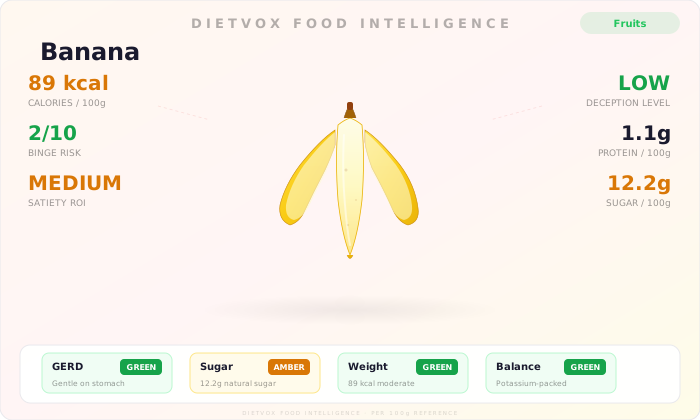
Banana is rated AMBER for a weight loss diet, signifying that it can be included with mindful portion control. It is not a 'free' food to be eaten without limit, but it offers valuable nutrients that can support your health goals.

When considering banana weight loss potential, it's a story of balance. On one hand, banana is a whole food, rich in potassium and fibre. On the other, it's more calorie- and sugar-dense than many other fruits. This AMBER rating reflects the need to integrate banana strategically into a calorie-controlled eating plan rather than consuming it indiscriminately.

The Nutritional Profile of Banana for Weight Loss

A successful weight loss journey is built on a foundation of nutrient-dense, calorie-appropriate foods. Understanding the nutritional composition of a banana is key to fitting it into your diet. Per 100g (approximately one small banana), you get:

  • Calories: 89 kcal
  • Carbohydrates: 22.8g
  • Sugars: 12.2g
  • Dietary Fibre: 2.6g
  • Protein: 1.1g
  • Fat: 0.3g
  • Potassium: 358mg (approx. 10% of the Daily Value)

Source: USDA FoodData Central (FDC ID 173944)

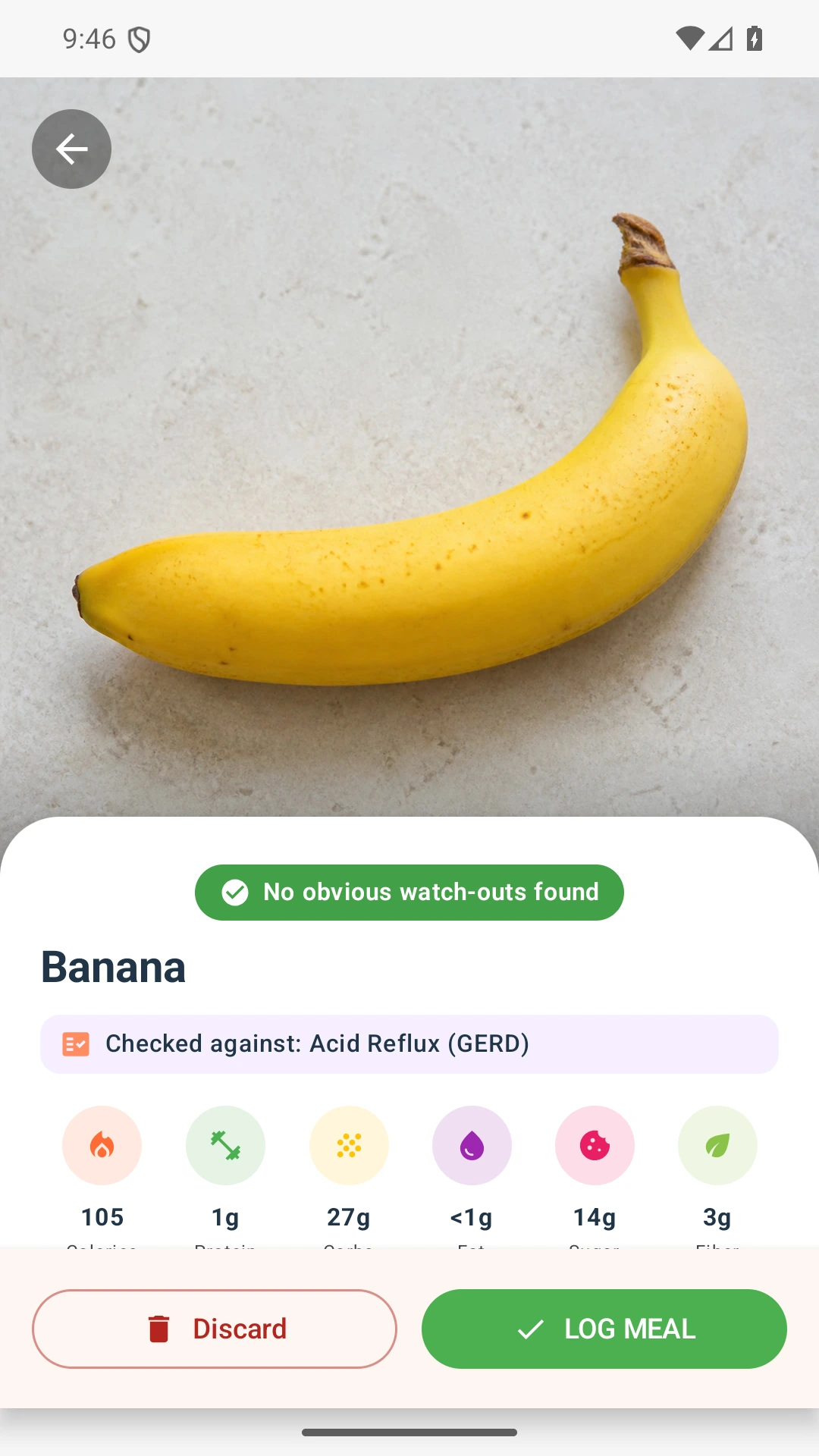
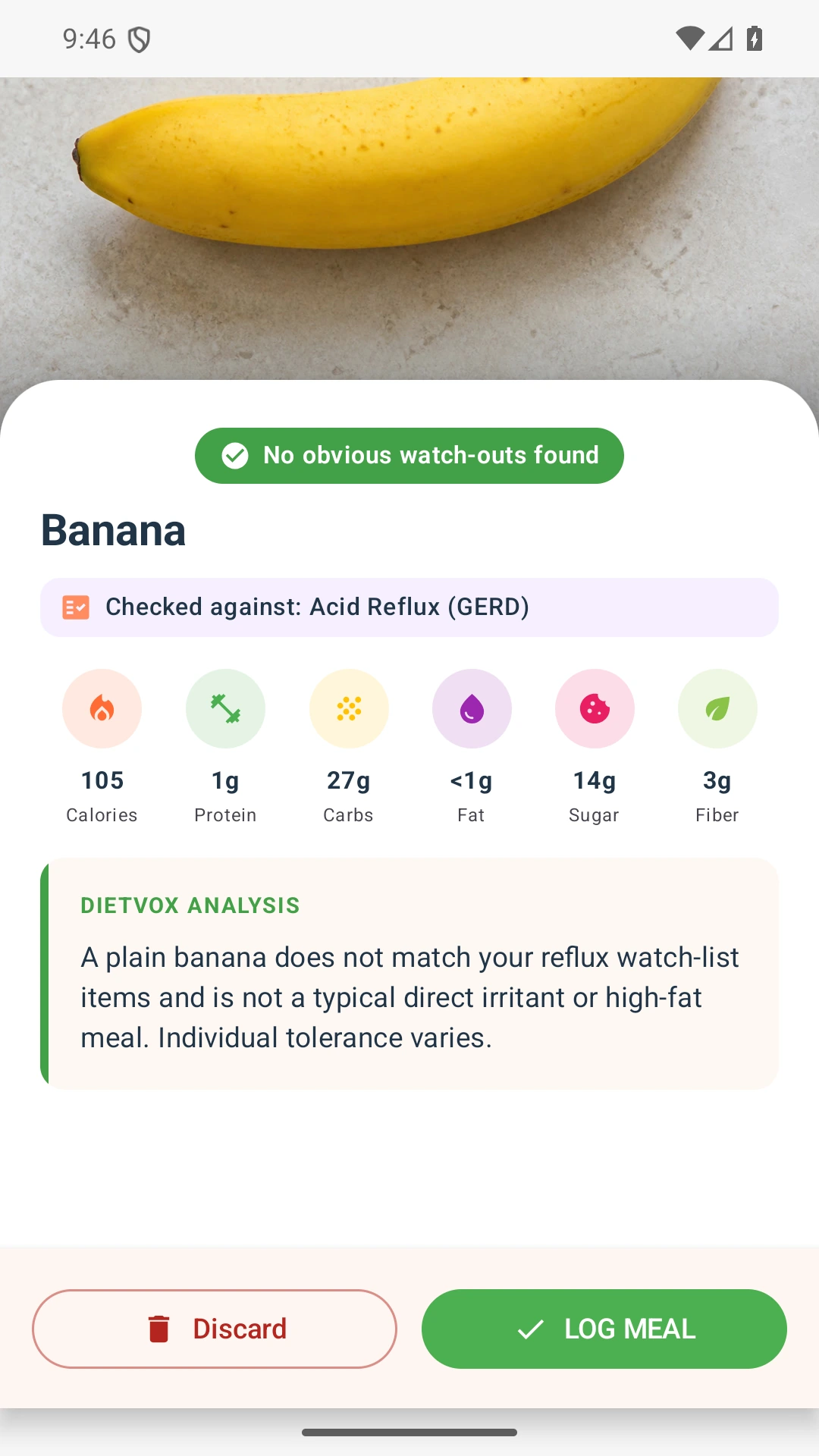
The core principle of weight loss is maintaining a calorie deficit, meaning you consume fewer calories than your body expends CDC healthy weight guidance. At 89 kcal per 100g, a medium-sized banana (around 118g) contains about 105 calories, which must be accounted for in your daily total.

Satiety, Fibre, and Feeling Full

One of the biggest challenges in a weight loss diet is managing hunger. The concept of Satiety ROI (Return on Investment) is crucial. How much fullness do you get for the calories consumed? DietVox gives banana a MEDIUM Satiety ROI.

Its 2.6g of dietary fibre per 100g plays a significant role here. Dietary fibre helps you feel fuller for longer, which can reduce overall calorie intake MedlinePlus fiber overview. The type of carbohydrate also matters. Less ripe, greener bananas contain higher levels of resistant starch. This type of starch resists digestion in the small intestine, functioning similarly to soluble fibre. source reviews suggest that resistant starch can enhance satiety and support weight management PubMed. As a banana ripens, this resistant starch converts into simple sugars, making it sweeter and slightly less beneficial for prolonged satiety.

Practical Tips for Including Banana in Your Weight Loss Diet

An AMBER rating doesn't mean avoidance; it means strategy. Here’s how to smartly incorporate banana into your plan:

  • Watch Your Portions: Stick to one small or medium banana per day. Be aware that a large banana can contain upwards of 120-130 calories.
  • Pair with Protein and Fat: To blunt the glycaemic response and increase satiety, pair your banana with a source of protein or healthy fat. Good combinations include a banana with a serving of Greek yogurt, a tablespoon of peanut butter, or blended into a smoothie with protein powder.
  • Time it Right: A banana can be an excellent pre-workout snack, providing readily available carbohydrates for energy. This ensures the calories are put to good use, fuelling your physical activity.
  • Choose Greener Bananas: If you enjoy the taste, slightly green bananas offer the benefit of higher resistant starch content, which can improve feelings of fullness and have a lower glycaemic impact.

Debunking Common Myths

Myth: "Bananas are fattening and should be avoided for weight loss."

Fact: No single food causes weight gain. Overall calorie balance is what determines weight loss or gain WHO. A 105-calorie banana is a far healthier and more filling choice than a 200-calorie chocolate bar or bag of crisps. Its fibre and micronutrient content make it a valuable addition to a balanced diet.

Myth: "Bananas have too much sugar."

Fact: While a banana does contain 12.2g of sugar per 100g, this is natural sugar packaged with fibre, vitamins, and minerals. The fibre slows the absorption of sugar into the bloodstream, preventing the sharp spikes associated with free sugars found in candy and sugary drinks Harvard Health Publishing. The key is moderation and considering it as part of your total daily carbohydrate intake.


Disclaimer: This article is for informational purposes only and does not constitute medical advice. Always consult a healthcare provider before making changes to your diet, especially if you have a medical condition.

Scan your foods with the DietVox app to get personalized ratings based on your specific dietary needs and health goals.

Last reviewed: June 2026

How It Works

Why Banana is Rated AMBER for a Weight Loss Diet

DietVox rates Banana as AMBER for a weight loss protocol due to its moderate calorie and sugar content relative to other fruits. While nutritious, it requires more careful portion management than lower-calorie options like berries or melon to fit comfortably within a calorie-restricted diet.

Health Forensics Analysis

  1. Calorie Density: LOW (89 kcal/100g) Banana has a low calorie density, meaning it provides fewer calories per gram compared to high-fat or processed foods. Foods with low calorie density are beneficial for weight loss because they allow you to eat a satisfying volume of food for a relatively low caloric cost CDC healthy weight guidance. However, compared to other fruits like strawberries (32 kcal/100g) or watermelon (30 kcal/100g), a banana's calorie density is significantly higher, placing it in the moderate category for fruits.
  1. Satiety ROI: MEDIUM The combination of 1.1g of protein and 2.6g of fibre per 100g provides a moderate feeling of fullness. The fibre, particularly the resistant starch in less ripe bananas, slows digestion and helps regulate appetite. However, it is not as satiating as foods high in protein (like Greek yogurt) or extremely high in fibre and water (like broccoli), hence the MEDIUM rating.
  1. Tracking Difficulty: LOW Banana is easy to track. A single, medium-sized unit is a consistent and predictable portion, making calorie and macro counting straightforward. This is a positive attribute for any structured weight loss plan where accurate tracking is essential for success.

In summary, the AMBER rating is a reflection of this trade-off. Banana offers valuable nutrition, convenience, and moderate satiety, but its calorie count is high enough that it must be carefully accounted for in a daily energy budget. It's a good food, but not a 'free-for-all' food when weight loss is the primary goal.

Scan any food. Get an instant RED/AMBER/GREEN rating.

DietVox analyses every food across 4 diet protocols — no guesswork.

Try DietVox Free →

Try These Instead

Safer alternatives that won't trigger your symptoms.

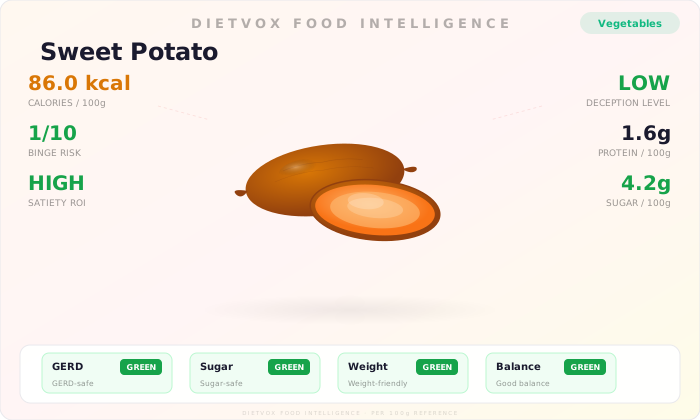
Sweet Potato illustration

Sweet Potato

86 kcal Vegetables
GREEN GERD
GREEN Sugar
AMBER Weight
GREEN Balance
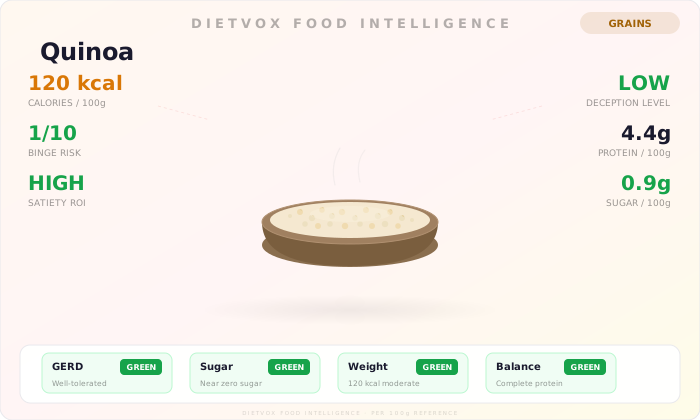
Quinoa illustration

Quinoa

120 kcal Grains
GREEN GERD
GREEN Sugar
AMBER Weight
GREEN Balance
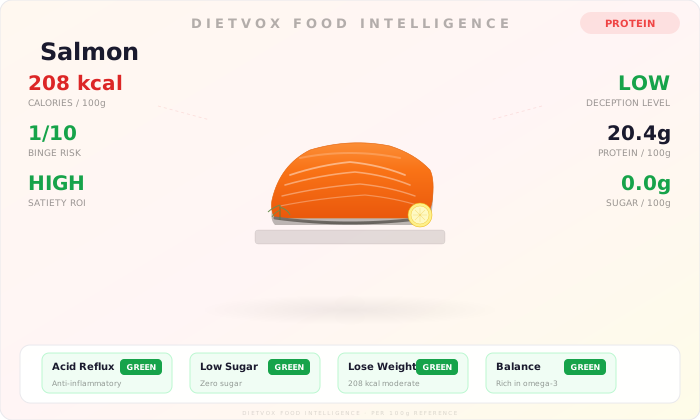
Salmon illustration

Salmon

208 kcal Protein
GREEN GERD
GREEN Sugar
AMBER Weight
GREEN Balance
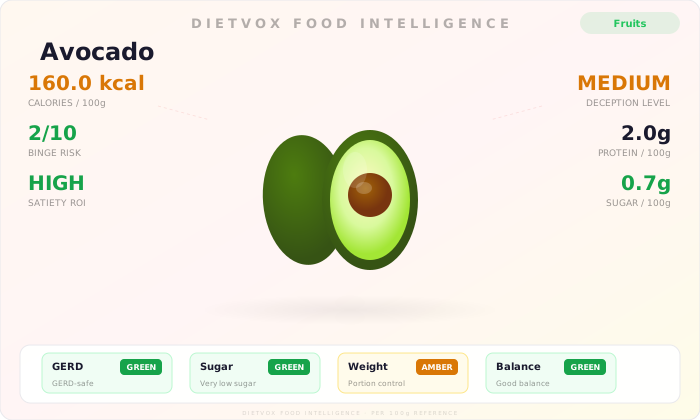
Avocado illustration

Avocado

160 kcal Fruits
GREEN GERD
GREEN Sugar
AMBER Weight
GREEN Balance

Frequently Asked Questions

Is a green banana better for weight loss than a ripe one?

A greener, less ripe banana may be slightly more beneficial for weight loss. It contains a higher concentration of resistant starch, which is not fully digested and acts like dietary fibre. This can lead to increased feelings of fullness and a lower overall glycaemic response. A ripe banana has more simple sugars, making it sweeter but less effective for long-term satiety.

How does a banana compare to an apple for a weight loss diet?

Both are healthy choices, but an apple is generally a better option for weight loss due to its lower calorie count. A 100g serving of apple contains about 52 kcal, while the same amount of banana contains 89 kcal. An apple also has a high water content, which contributes to fullness. DietVox would typically rate an apple as GREEN for a weight loss diet.

Can I eat a banana before or after a workout when trying to lose weight?

Yes, a banana can be an excellent choice around your workout. Eating half or a whole small banana 30-60 minutes before exercise provides easily digestible carbohydrates for energy. Consuming one after a workout helps replenish muscle glycogen stores. Just be sure to account for these calories within your daily total.

What is a good portion size for a banana on a calorie-controlled diet?

A sensible portion size for a banana on a weight loss diet is one small to medium-sized fruit, which is roughly 100-120 grams and contains approximately 89-105 calories. Avoid very large bananas, which can have significantly more calories and sugar.

Related Reading