DietVox Rating: GREEN
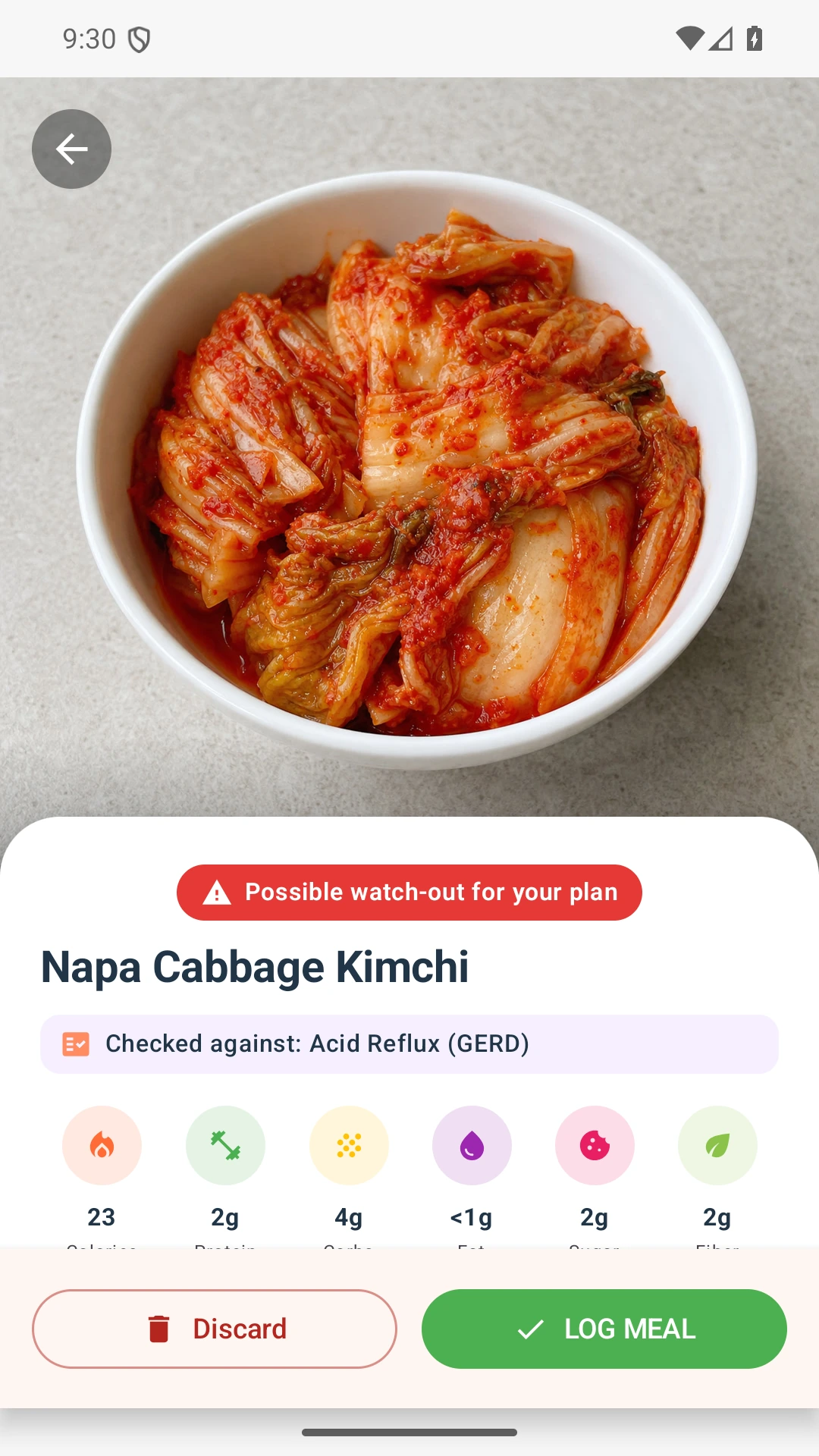
Verdict: Kimchi is rated GREEN for a weight loss diet. This rating indicates that it is an excellent choice that aligns with the core principles of a calorie-controlled eating plan. Its extremely low calorie count allows for generous portion sizes, adding significant flavour and volume to meals without hindering progress. The connection between kimchi, weight loss, and gut health makes it a compelling addition to a balanced diet.
Understanding the GREEN Rating for Weight Loss
A GREEN rating from DietVox signifies that a food has characteristics highly conducive to weight management. For kimchi, this is primarily due to its low calorie density. The fundamental principle of weight loss is maintaining a consistent calorie deficit, meaning you consume fewer calories than your body expends CDC healthy weight guidance. Foods like kimchi make achieving this deficit easier by providing flavour and bulk for minimal caloric cost.
Nutritional Analysis for Weight Management
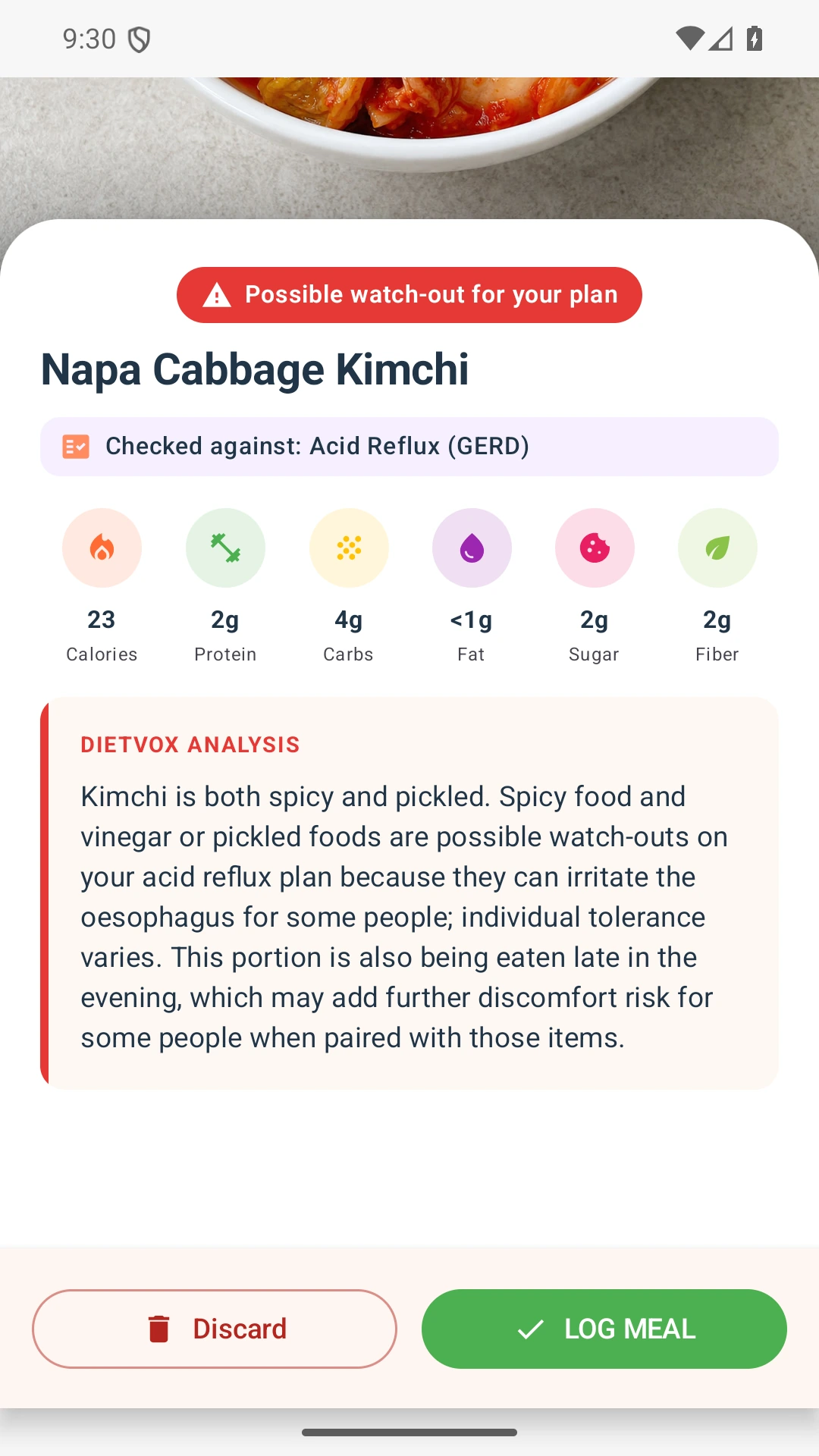
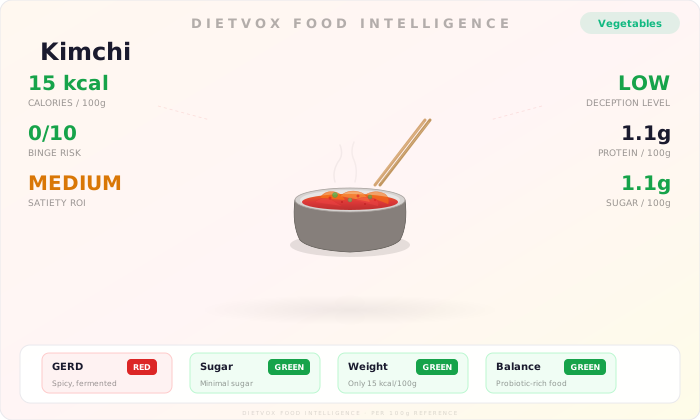
Understanding the nutritional profile of kimchi is key to integrating it effectively into a weight loss plan. Per 100g, kimchi contains:
- Calories: 15 kcal
- Protein: 1.1 g
- Fat: 0.5 g
- Carbohydrates: 2.4 g * Of which Sugars: 1.1 g * Dietary Fibre: 1.6 g
- Sodium: 498 mg
Data sourced from USDA FoodData Central (FDC ID 169269).
Key Takeaways for Your Diet
- Calorie Density: At just 15 kcal per 100g, kimchi is an ultra-low-calorie food. This allows you to add a substantial, flavour-packed component to your meals without making a significant dent in your daily calorie budget.
- Macronutrient Profile: The protein (1.1g) and fibre (1.6g) content is low. This is a critical point to understand. While kimchi is excellent for flavour and volume, it does not contribute significantly to satiety—the feeling of fullness. This is reflected in its LOW Satiety ROI score. Therefore, it should be used as a condiment or side dish to complement more satiating foods like lean proteins and high-fibre vegetables.
- Sodium Content: With 498mg of sodium per 100g, kimchi is moderately high in salt. The World Health Organization (WHO) recommends consuming less than 2,000mg of sodium per day WHO. High sodium intake can cause temporary water retention, which can be discouraging when tracking weight loss on a scale. It's essential to be mindful of your portion sizes and account for kimchi's sodium in your daily total.
The Science: How Kimchi Supports Weight Loss
Beyond its low calorie count, several properties of kimchi may offer additional support for weight management goals. The source support for these mechanisms is still developing but shows promising connections.
Probiotics and Gut Health
Kimchi is a fermented food, rich in probiotics, particularly from the Lactobacillus family. Available source reviews explores the link between the gut microbiome and body weight regulation. A healthy and diverse gut microbiome is increasingly associated with better metabolic health. Some direct sources suggest that certain probiotic strains may have a modest effect on reducing body weight and fat mass. A systematic review listed in PubMed indicated that consuming probiotics could lead to small but significant reductions in BMI and body weight PubMed. While kimchi is not a magic bullet, its contribution to gut health may be a supportive factor in a long-term weight management strategy.
Capsaicin and Metabolism
Most traditional kimchi recipes include Korean chili powder (gochugaru), which contains capsaicin—the compound responsible for the spicy heat. source review has shown that capsaicin can have a mild thermogenic effect, meaning it can slightly increase metabolic rate and fat oxidation for a short period after consumption PubMed. While this effect is modest and not sufficient to cause weight loss on its own, it can be a small, contributing factor when part of a comprehensive diet and exercise plan CDC healthy weight guidance.
Practical Tips for Your Weight Loss Journey
Incorporating kimchi into your diet is simple. Here are some practical strategies to make the most of it:
- Use as a Flavour Enhancer: Add a spoonful of kimchi to scrambled eggs, salads, or grain bowls to boost flavour without adding significant calories or fat.
- Pair with Satiating Foods: To counteract kimchi's low satiety, always pair it with foods rich in protein and fibre. Good combinations include kimchi with grilled chicken breast, a side to a lentil soup, or mixed with quinoa and steamed vegetables.
- Mind Your Portions: Due to the sodium content, it's wise to stick to a reasonable serving size, such as 50-100g (about a half-cup) per meal. Track your intake to stay within daily sodium guidelines.
- Read the Labels: When buying store-bought kimchi, check the ingredient list. Opt for brands with no added sugars or MSG to keep the nutritional profile as clean as possible.
- Hydrate Adequately: Consuming sodium-rich foods can increase thirst. Staying well-hydrated is crucial for overall health and can also help manage the water retention associated with salt intake.
Common Misconceptions
- Myth: Eating kimchi will melt away fat. * Fact: No single food can cause fat loss. Weight loss is the result of a sustained calorie deficit. Kimchi is a powerful tool to help you maintain that deficit by providing a low-calorie, high-flavour option, but it does not directly burn fat.
- Myth: All fermented foods are equally good for weight loss. * Fact: While many fermented foods offer probiotic benefits, their nutritional profiles vary widely. For example, some kombuchas can be high in sugar, and water kefir can also contain added sweeteners. Kimchi's primary advantage for weight loss is its combination of fermentation and an extremely low calorie base, a feature not shared by all fermented products.
The DietVox Bottom Line
Kimchi earns its GREEN rating for a weight loss diet. It is a flavourful, versatile, and exceptionally low-calorie food that can help you adhere to your calorie goals. Its potential benefits for gut health and metabolism are valuable secondary advantages. The key to success is to use it strategically—as a component of a balanced meal, not as a primary source of nutrition—while remaining mindful of its sodium content.
Disclaimer: This article is for informational purposes only and does not constitute medical advice. Always consult a healthcare provider before making changes to your diet, especially if you have a medical condition.
Scan your foods with the DietVox app to get personalized ratings based on your specific dietary needs and health goals.
Last reviewed: June 2026
How It Works
Why Kimchi is Rated GREEN for Weight Loss
Kimchi's GREEN rating is based on its strong alignment with the principles of effective weight management. Our analysis identifies four key reasons for its favourable status:
- Extremely Low Calorie Density: At only 15 kcal per 100g, kimchi allows you to add significant volume and flavour to meals for a negligible caloric cost. This is a core strategy for managing hunger while maintaining a calorie deficit, as recommended by health authorities like the CDC healthy weight guidance.
- Probiotic Content for Gut Support: As a naturally fermented food, kimchi is a source of beneficial probiotics. Available source reviews suggests a link between a healthy gut microbiome and weight regulation. While not a direct weight loss mechanism, supporting gut health is a positive factor for overall metabolic well-being PubMed.
- Mild Metabolic Boost from Capsaicin: The capsaicin in the chili used to make kimchi has been shown to have a minor, temporary thermogenic effect, slightly increasing calorie expenditure after a meal. This effect is small but provides a marginal benefit within a broader weight loss strategy CDC healthy weight guidance.
- High Flavour Impact: One of the biggest challenges in a weight loss diet is 'flavour fatigue' from repetitive, bland meals. Kimchi's complex sour, spicy, and umami taste profile can enhance simple dishes, increasing meal satisfaction and making it easier to stick to your plan long-term.
Scan any food. Get an instant RED/AMBER/GREEN rating.
DietVox analyses every food across 4 diet protocols — no guesswork.
Try DietVox Free →Try These Instead
Safer alternatives that won't trigger your symptoms.
Frequently Asked Questions
How much kimchi can I eat per day for weight loss?
While kimchi is very low in calories, it is moderately high in sodium. A sensible portion for most people is between 50g and 100g per day. This amount adds significant flavour without contributing excessively to your daily sodium intake. The WHO recommends limiting sodium to under 2,000mg per day.
Will the spiciness of kimchi really help me burn more fat?
The capsaicin in kimchi's chili peppers can cause a small, temporary increase in your metabolic rate, known as a thermogenic effect. However, source review shows this effect is modest and not a primary driver of weight loss. It's best viewed as a minor bonus rather than a core reason to eat kimchi for fat burning.
Does kimchi's low satiety mean I should avoid it for weight loss?
No, you shouldn't avoid it. It's important to understand its role. Kimchi's strength isn't providing fullness (satiety), but rather adding immense flavour, probiotics, and volume for very few calories. To create a satisfying meal, pair kimchi with high-satiety foods like lean protein (chicken, fish, tofu) and high-fibre carbohydrates (quinoa, beans).
Is store-bought kimchi as good as homemade for a weight loss diet?
Both can be excellent choices. Store-bought kimchi is convenient, but it's important to read the nutrition label to check for added sugars or very high sodium levels. Homemade kimchi gives you complete control over the ingredients, allowing you to manage the salt and sugar content precisely to fit your dietary goals.