DietVox Rating: GREEN
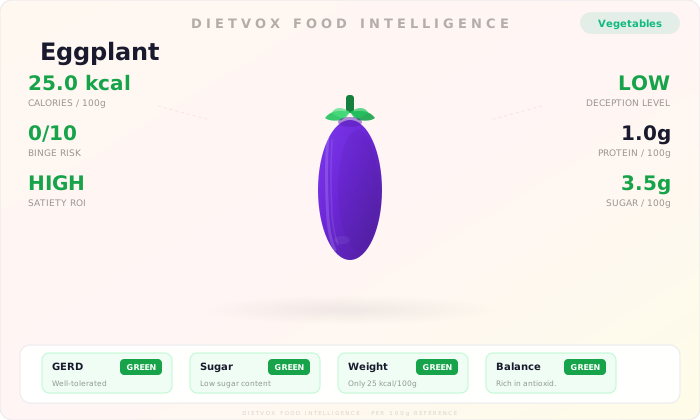
For individuals navigating a Weight Loss Diet, understanding how specific foods contribute to their goals is paramount. DietVox rates eggplant as GREEN for weight loss, indicating it is a highly beneficial food choice when incorporated appropriately. This rating is primarily due to its remarkably low-calorie density, which allows for substantial portion sizes without significantly impacting daily caloric intake, a crucial factor for sustainable eggplant weight loss efforts.
Eggplant, a versatile vegetable belonging to the nightshade family, is celebrated for its ability to absorb flavors and add satisfying volume to meals. Its nutritional profile, characterized by low calories and moderate fiber, makes it an excellent ally for those aiming to reduce body weight USDA FoodData Central. However, it is essential to consider cooking methods, as oil-heavy preparations can dramatically increase its caloric value, potentially undermining weight loss objectives.
Eggplant's Nutritional Profile for Weight Loss
When considering eggplant for a Weight Loss Diet, its macronutrient composition is highly favorable:
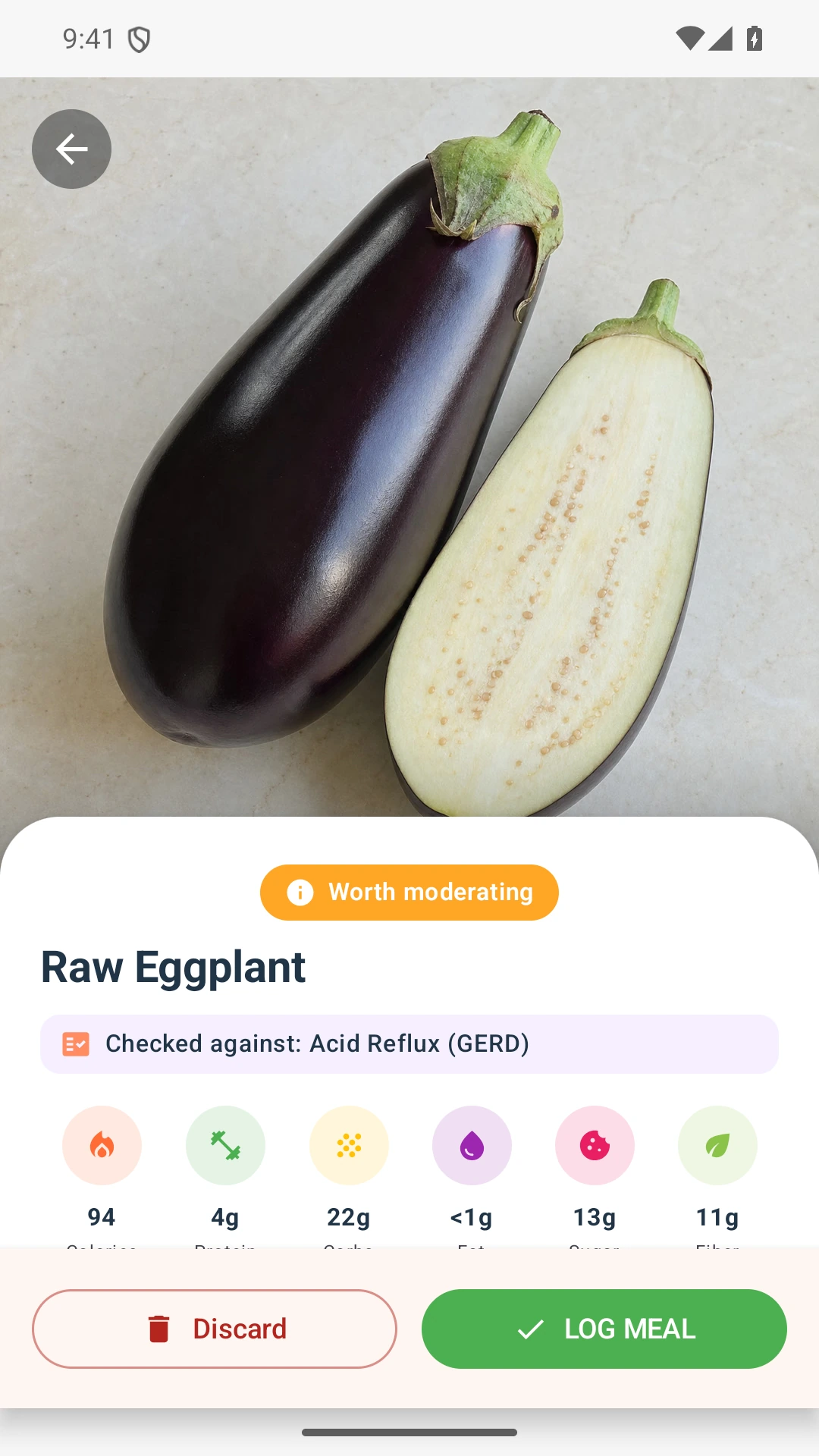
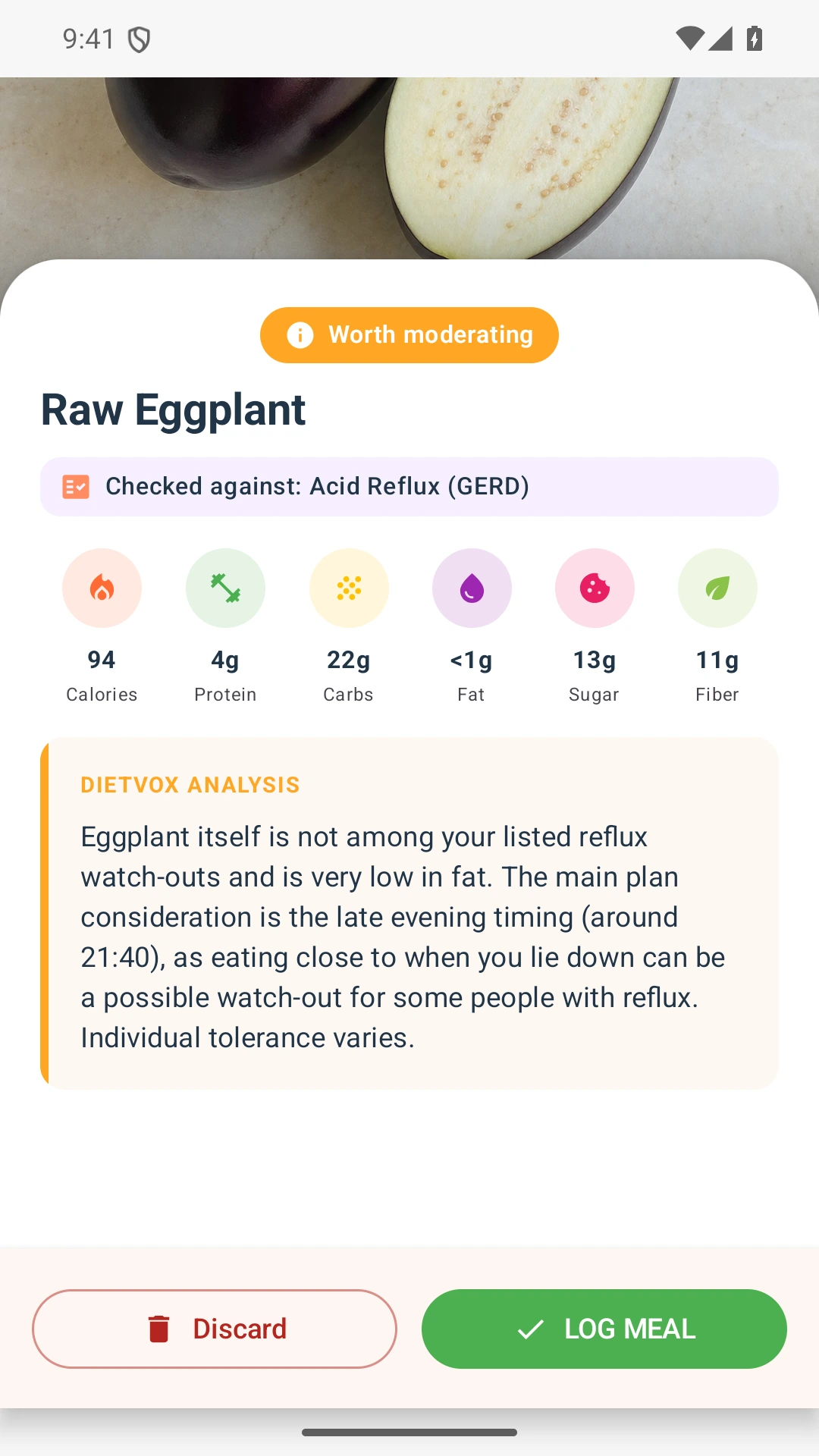
- Calories: Eggplant contains approximately 25 kcal per 100g USDA FoodData Central. This low-calorie count is a cornerstone of its GREEN rating, allowing individuals to feel full without consuming excess energy.
- Protein: With 1.0g of protein per 100g USDA FoodData Central, eggplant contributes a small amount to daily protein intake. While not a primary protein source, combined with other protein-rich foods, it supports satiety.
- Fat: Eggplant is exceptionally low in fat, providing only 0.2g per 100g, with virtually no saturated fat USDA FoodData Central. This makes it an ideal component for low-fat dietary strategies often employed in weight loss.
- Carbohydrates: It offers 5.9g of carbohydrates per 100g, of which 2.4g are sugars USDA FoodData Central. The carbohydrate content is relatively low, making it suitable for various carbohydrate-controlled approaches.
- Fiber: A notable feature is its dietary fiber content, at 3.0g per 100g USDA FoodData Central. Dietary fiber is crucial for weight management as it promotes satiety, aids digestion, and can help regulate blood sugar levels FDA added sugars label guidance.
How Eggplant Supports a Weight Loss Diet
Integrating low-calorie, nutrient-dense foods like eggplant is a core strategy recommended by health authorities for effective weight management WHO. Eggplant's unique properties make it particularly effective:
- High Water Content: Eggplant is composed of over 90% water USDA FoodData Central. Foods with high water content contribute to feelings of fullness without adding significant calories, a principle known as calorie density CDC healthy eating for a healthy weight.
- Fiber for Satiety: The 3.0g of fiber per 100g helps slow digestion, contributing to a prolonged sense of fullness and reducing the likelihood of overeating between meals MedlinePlus fiber overview.
- Versatility and Volume: Eggplant's mild flavor and spongy texture allow it to absorb other flavors, making it a versatile ingredient. It can be used to add significant volume to dishes, such as stir-fries, curries, or lasagna, replacing higher-calorie components like pasta or meat in some recipes NHS.
- Nutrient Density: Beyond macronutrients, eggplant provides various vitamins and minerals, including potassium, vitamin C, and B vitamins, contributing to overall health during a calorie-restricted diet USDA FoodData Central.
Practical Tips for Incorporating Eggplant into Your Weight Loss Diet
To maximize the benefits of eggplant for weight loss, consider these practical tips:
- Mindful Cooking Methods: The most crucial aspect of preparing eggplant for weight loss is to minimize added fats. Instead of frying, opt for baking, grilling, roasting, steaming, or air-frying. These methods allow eggplant to become tender and flavorful without soaking up excessive oil NHS.
- Use as a Volume Enhancer: Slice eggplant thinly and use it as a low-carb alternative to pasta sheets in lasagna, or dice it into curries and stews to add bulk and fiber without a calorie penalty.
- Flavor with Herbs and Spices: Eggplant absorbs flavors wonderfully. Season generously with herbs (oregano, basil, thyme) and spices (garlic powder, cumin, paprika) to create delicious meals without relying on high-calorie sauces or oils.
- Eggplant "Steaks" or "Fries": Slice eggplant into thick rounds or sticks, season, and bake until tender for a satisfying side dish or snack. A light spray of olive oil can provide a crispy texture without excessive calories.
- Baba Ghanoush (Lightened): Enjoy a healthier version of baba ghanoush by roasting eggplant until very soft, then blending with lemon juice, garlic, and a minimal amount of tahini (or omit for an even lower-calorie dip) CDC healthy weight guidance.
- Salting Before Cooking: Some people find salting eggplant slices for 30 minutes before cooking, then rinsing and patting dry, helps reduce bitterness and makes it less prone to absorbing oil. However, this step is often unnecessary with modern eggplant varieties and proper cooking techniques.
Common Misconceptions About Eggplant and Weight Loss
One common concern relates to eggplant belonging to the nightshade family, with some theories suggesting it can cause inflammation or exacerbate certain conditions. However, direct source support does not support these claims for the general population NIDDK kidney stone diet guidance. For most individuals, eggplant is a safe and beneficial food.
Another misconception is that it lacks nutritional value. While it is low in calories, it provides fiber, potassium, and antioxidants, contributing positively to a balanced diet and overall health PubMed / NIH.
Safety Protocol
Eggplant is generally safe for consumption. There are no significant safety concerns for the general population at normal consumption levels EFSA. As with any food, individuals with specific allergies should exercise caution. Raw eggplant can be slightly bitter and may cause mild digestive upset in some sensitive individuals, but cooking typically resolves this NHS.
In conclusion, eggplant is an excellent choice for a Weight Loss Diet due to its low-calorie density, high water content, and valuable fiber. By adopting appropriate cooking methods, it can significantly contribute to satiety and overall dietary adherence, making your weight loss journey both effective and enjoyable.
Disclaimer: This article is for informational purposes only and does not constitute medical advice. Always consult a healthcare provider before making changes to your diet, especially if you have a medical condition.
Scan your foods with the DietVox app to get personalized ratings based on your specific dietary needs and health goals.
Last reviewed: June 2026
How It Works
Why Eggplant is Rated GREEN
The GREEN rating for eggplant within a Weight Loss Diet protocol is primarily driven by its exceptionally low-calorie density and its capacity to enhance satiety. Here’s a breakdown of the key mechanisms:
- Low Calorie Density (25 kcal/100g): This is the most significant factor USDA FoodData Central. Foods with low calorie density allow individuals to consume larger portions for fewer calories, which is crucial for feeling full and satisfied on a calorie-restricted diet CDC healthy eating for a healthy weight. Eggplant's high water content (over 90%) is a major contributor to this low-calorie density.
- Moderate Satiety ROI (Return on Investment): While eggplant is not high in protein (1.0g/100g), its substantial fiber content (3.0g/100g) and high water volume contribute significantly to satiety MedlinePlus fiber overview. Fiber slows gastric emptying, promoting a sustained feeling of fullness, which helps in reducing overall caloric intake by curbing hunger between meals FDA added sugars label guidance.
- Nutrient-Rich Volume: Eggplant adds substantial volume to meals without adding many calories. This physical bulk in the stomach contributes to stretch receptor activation, signaling fullness to the brain PubMed search for Cochrane review DOI. Its versatility allows it to be incorporated into various dishes, making healthy eating enjoyable and preventing dietary monotony.
- Low Fat Content: With only 0.2g of fat per 100g, eggplant is an ideal component for reducing dietary fat intake, a common strategy in weight loss diets USDA FoodData Central. However, this benefit can be negated if prepared with excessive oil, highlighting the importance of cooking methods.
By leveraging these mechanisms, eggplant effectively supports calorie deficit creation and adherence, making it a valuable food for a Weight Loss Diet.
Scan any food. Get an instant RED/AMBER/GREEN rating.
DietVox analyses every food across 4 diet protocols — no guesswork.
Try DietVox Free →Try These Instead
Safer alternatives that won't trigger your symptoms.
Frequently Asked Questions
What are the best ways to cook eggplant for weight loss?
For weight loss, the best cooking methods for eggplant are baking, grilling, roasting, steaming, or air-frying. These methods help to minimize the addition of high-calorie oils, allowing you to enjoy eggplant's low-calorie benefits fully. Lightly spray with oil or use non-stick parchment paper.
Can eggplant help me feel full on a weight loss diet?
Yes, eggplant can significantly contribute to feelings of fullness. Its high water content (over 90%) and moderate fiber (3.0g per 100g) add volume to meals and slow digestion, promoting satiety and helping to reduce overall calorie intake throughout the day MedlinePlus fiber overview.
Is eggplant a good source of protein for weight loss?
While eggplant contains 1.0g of protein per 100g, it is not considered a primary protein source. For effective weight loss, it should be paired with other protein-rich foods like lean meats, fish, legumes, or dairy to meet your daily protein requirements and maximize satiety FDA added sugars label guidance.
Does eggplant have a lot of sugar, impacting weight loss?
Eggplant contains 3.5g of naturally occurring sugars per 100g USDA FoodData Central. This amount is relatively low and is not typically a concern for weight loss when consumed as part of a balanced diet. The overall low-calorie and high-fiber profile of eggplant outweighs this natural sugar content for weight management purposes.
Are there any side effects of eating eggplant for weight loss?
For the general population, eggplant is considered safe with no significant side effects at normal consumption levels EFSA. Some individuals might experience mild digestive upset from raw eggplant, but cooking usually alleviates this. If you have a known allergy to nightshade vegetables, consult a healthcare professional.