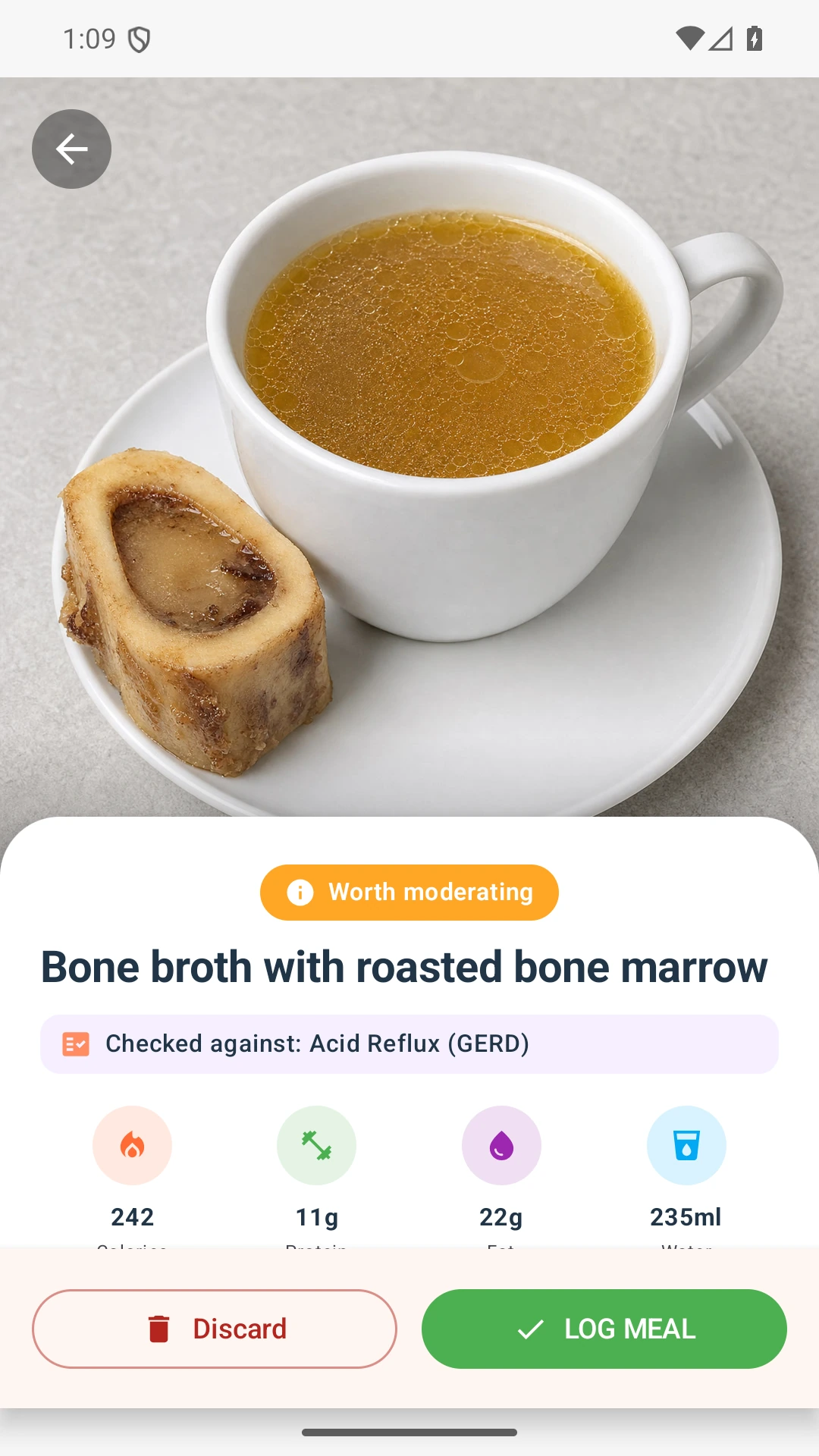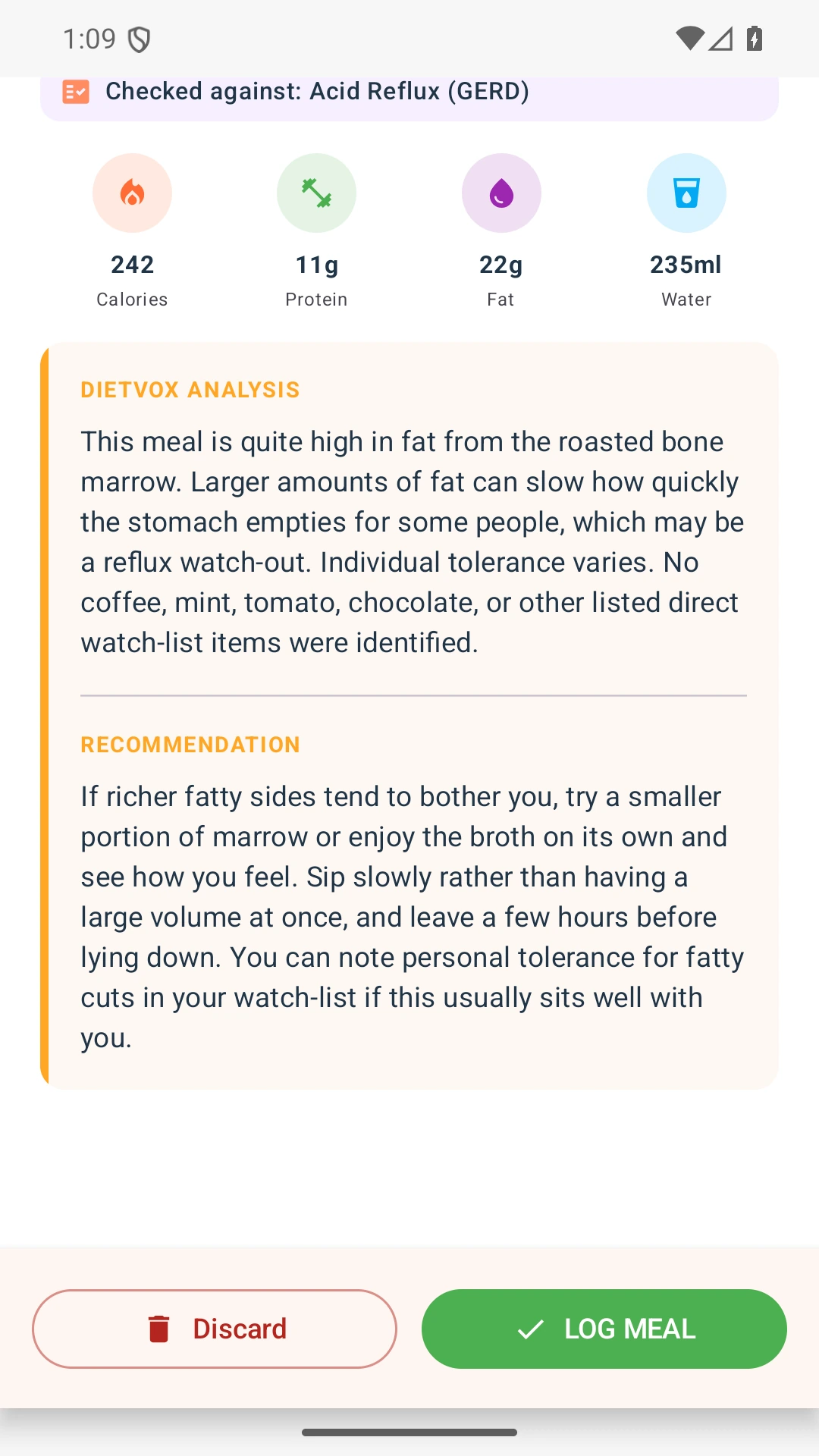
DietVox Rating: GREEN

Verdict: Bone Broth is rated GREEN for a weight loss diet. Its extremely low calorie count, combined with its potential to increase satiety as a warm liquid, makes it a valuable tool for managing hunger and reducing overall calorie intake. It can be consumed freely without significant impact on your daily energy budget.

When considering how bone broth lose weight strategies can be integrated, it's essential to view it as a supportive element rather than a primary solution. Sustainable weight loss is achieved through a consistent calorie deficit, created by a balanced diet and physical activity CDC healthy weight guidance. Bone broth helps with this by providing a savoury, satisfying, and ultra-low-calorie option to manage appetite between meals.

Nutritional Deep Dive: Bone Broth by the Numbers

A detailed look at the nutritional profile of bone broth reveals why it's so well-suited for a calorie-controlled eating plan. The data below is based on a standard 100ml serving.

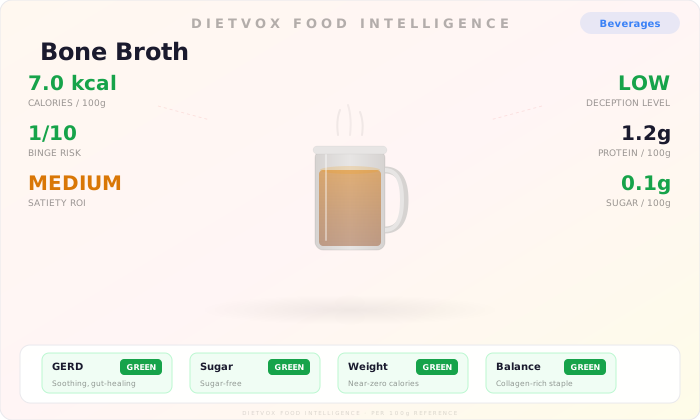
  • Calories: 7 kcal
  • Protein: 1.2g
  • Fat: 0.2g
  • Carbohydrates: 0.4g
  • Fibre: 0g

(Source: DietVox food database, reflects typical values for commercial products. Refer to product labels for specific data.)

Calorie Density: Extremely Low With just 7 kcal per 100ml, bone broth has an exceptionally low calorie density. Foods with low calorie density allow you to consume larger, more satisfying portions for fewer calories, a cornerstone of successful weight management CDC healthy weight guidance. A standard 250ml mug of bone broth contains fewer than 20 calories, making it an excellent choice to curb hunger without derailing your diet.

Macronutrient Profile The macronutrient composition is minimal, which is its primary strength in this context.

  • Protein: While 1.2g per 100ml is not a high amount, it's more than zero. Protein is the most satiating macronutrient, and ensuring adequate intake is crucial during weight loss to help preserve lean muscle mass PubMed. Every gram contributes to your daily goal.
  • Fat & Carbohydrates: The fat and carbohydrate content is negligible, at 0.2g and 0.4g respectively. This means bone broth has virtually no impact on blood sugar and adds minimal fat to your daily total.

The Role of Bone Broth in a Weight Loss Diet

Bone broth's utility extends beyond its nutritional numbers. Its physical properties and role as a dietary substitute are key to its effectiveness.

Satiety, Hydration, and Hunger Management Available sources suggest that consuming soup or warm liquids before or between meals can enhance feelings of fullness (satiety), leading to a reduction in the amount of food consumed later PubMed. The warmth and volume of a cup of bone broth can be psychologically and physically satisfying, helping to stave off cravings for higher-calorie snacks. Furthermore, it contributes to your daily hydration needs, which is vital for optimal metabolic function WHO.

A Savoury Alternative to Unhealthy Snacks One of the biggest challenges in a weight loss diet is managing snack cravings. A 250ml serving of bone broth (around 17 kcal) can effectively replace common snacks like a packet of crisps (150-200 kcal) or a sugary drink (140+ kcal). This simple swap can save hundreds of calories over a week, significantly contributing to the calorie deficit required for weight loss.

Common Myths and Misconceptions

It's important to separate source-reviewed benefits from popular health myths.

  • Myth: Bone broth is a 'miracle' fat-burning food. Fact: No single food can cause weight loss. Bone broth is a tool for managing calorie intake and hunger. Weight loss is the result of a sustained energy deficit over time CDC healthy weight guidance. Bone broth aids this process but does not 'burn' fat on its own.
  • Myth: You must drink bone broth for its collagen to lose weight. Fact: Bone broth contains amino acids from broken-down collagen. While some proponents claim this has unique benefits, its primary advantage for weight loss comes from its low-calorie, high-satiety nature. The protein content is too low to be considered a primary source of collagen for therapeutic purposes. The source support for dietary collagen having significant effects on body composition is still developing PubMed.
  • Myth: All bone broths are created equal. Fact: There is significant variation between products. Commercial broths can be high in sodium, which can contribute to water retention and high blood pressure. Always check the label and opt for low-sodium versions without added sugars or flavour enhancers. The FDA added sugars label guidance recommends checking labels to make healthier choices.

Practical Tips for Using Bone Broth

  1. Time It Strategically: Consume a warm cup of bone broth 30 minutes before a main meal to potentially reduce your appetite, or drink it mid-afternoon to prevent reaching for high-calorie snacks.
  2. Read the Label: When buying pre-made bone broth, prioritise low-sodium options. Look for a simple ingredient list: bones, water, vegetables, and herbs. Avoid products with added sugars, yeast extract, or artificial flavours.
  3. Use as a Cooking Base: Enhance the flavour of other low-calorie foods. Use bone broth instead of water to cook quinoa or rice, or use it as a base for vegetable soups and stews. This adds a savoury depth and a small protein boost without adding significant calories.
  4. Don't Rely on It Exclusively: Bone broth is not a meal replacement. It lacks fibre, essential fatty acids, and a complete range of vitamins and minerals. It should be used to complement a diet rich in whole foods like vegetables, lean proteins, and complex carbohydrates.

Disclaimer: This article is for informational purposes only and does not constitute medical advice. Always consult a healthcare provider before making changes to your diet, especially if you have a medical condition.

Scan your foods with the DietVox app to get personalized ratings based on your specific dietary needs and health goals.

Last reviewed: June 2026

How It Works

Why Bone Broth is Rated GREEN

DietVox's GREEN rating for Bone Broth on a weight loss diet is based on four key rating factors:

  1. Extremely Low Calorie Density: At just 7 kcal per 100ml, bone broth allows for high-volume consumption without contributing meaningfully to your daily calorie total. This is a fundamental principle for creating a sustainable calorie deficit for weight loss CDC healthy weight guidance.
  1. Aids Satiety and Hunger Control: The combination of liquid volume and warmth can significantly increase feelings of fullness. direct source reviews have shown that consuming low-energy-density soup can reduce hunger and decrease subsequent calorie intake at the next meal PubMed. This makes bone broth an effective tool for managing appetite.
  1. Supports Hydration and Protein Intake: Proper hydration is essential for metabolic health. Bone broth is primarily water, contributing directly to your daily fluid needs MedlinePlus drinking water overview. While the protein content is modest, it provides a small boost towards daily protein targets, which are important for preserving muscle during weight loss.
  1. Low Tracking Difficulty: For individuals tracking their food intake, bone broth is simple to measure and log accurately. Its consistent liquid form and predictable nutritional profile make it an easy addition to a structured diet plan, reducing the risk of hidden calories.

Scan any food. Get an instant RED/AMBER/GREEN rating.

DietVox analyses every food across 4 diet protocols — no guesswork.

Try DietVox Free →

Try These Instead

Safer alternatives that won't trigger your symptoms.

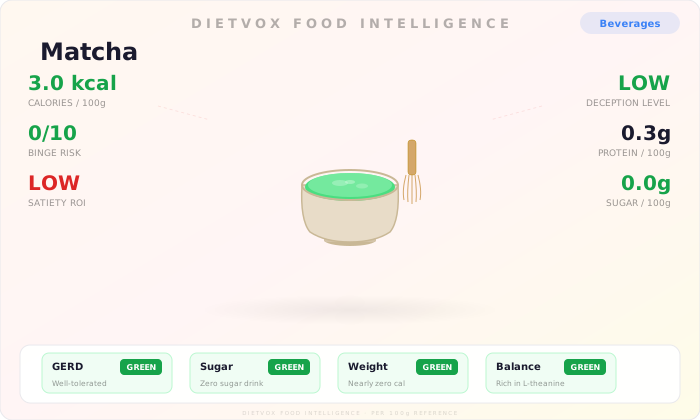
Matcha illustration

Matcha

3 kcal Beverages
GREEN GERD
GREEN Sugar
GREEN Weight
GREEN Balance
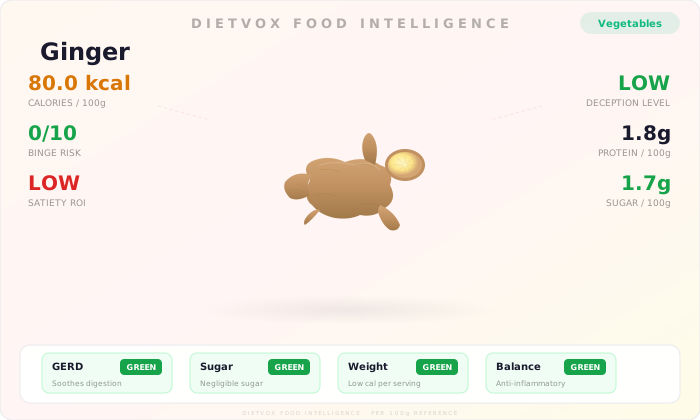
Ginger illustration

Ginger

80 kcal Vegetables
GREEN GERD
GREEN Sugar
GREEN Weight
GREEN Balance
Greek Yogurt illustration

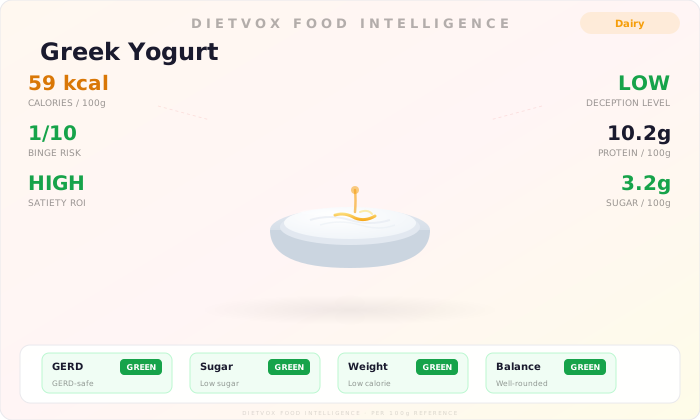
Greek Yogurt

59 kcal Dairy
GREEN GERD
GREEN Sugar
GREEN Weight
GREEN Balance
Chia Seeds illustration

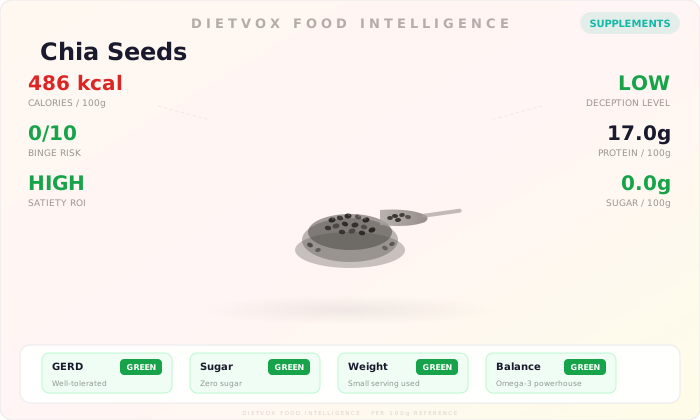
Chia Seeds

486 kcal Supplements
GREEN GERD
GREEN Sugar
GREEN Weight
GREEN Balance

Frequently Asked Questions

How much bone broth should I drink per day for weight loss?

There is no clinically defined amount. A practical approach is to consume one or two 250ml (approx. 1 cup) servings per day. It is best used strategically to manage hunger, for example, between meals or before a main meal. It should complement, not replace, nutrient-dense whole foods in your diet.

Will a bone broth 'fast' or 'cleanse' help me lose weight faster?

Bone broth fasts may lead to rapid initial weight loss, but this is primarily due to water loss and a severe calorie deficit, not sustainable fat loss. These approaches are nutritionally incomplete and not recommended for long-term health. Sustainable weight management relies on a balanced, calorie-controlled diet CDC healthy weight guidance.

Does the type of bone (e.g., beef, chicken) matter for weight loss?

For the purpose of weight loss, the specific type of bone used is not a significant factor. While there may be minor variations in flavour and micronutrient content, all types of true bone broth will be very low in calories. The most important factor is to choose a product that is low in sodium and free from added sugars.

Can bone broth replace a meal on a weight loss diet?

No, bone broth should not be used as a meal replacement. It is very low in calories and lacks the balanced macronutrients (protein, healthy fats, complex carbs) and essential micronutrients and fibre found in a complete meal. Using it as a meal replacement could lead to nutrient deficiencies and excessive hunger.

Related Reading