DietVox Rating: GREEN
Ginger is rated GREEN for a weight loss diet. This rating indicates that it is a highly suitable food that can be included regularly to support your weight management goals. The popular topic of using ginger for weight loss is supported by source support suggesting it can be a valuable tool in a calorie-controlled eating plan, primarily due to its extremely low caloric impact in typical servings and potential metabolic benefits.
Our GREEN rating signifies that ginger aligns well with the core principles of a successful weight loss diet: managing calorie intake, enhancing flavour without adding fat or sugar, and potentially supporting satiety and metabolism.
Ginger's Role in a Weight Loss Diet: An source-reviewed Look
Ginger's effectiveness in a weight loss protocol is not due to any single 'magic' property, but rather a combination of factors that work synergistically with an overall calorie deficit. Here is a breakdown of the direct source support.
Extremely Low Calorie Density and Portion Size
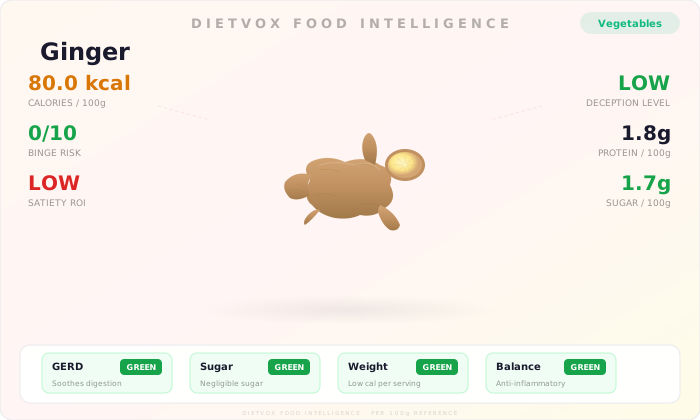
On paper, ginger contains 80 calories per 100 grams USDA FoodData Central (FDC ID 169231). While this number is not exceptionally low, it's crucial to consider the typical portion size. A standard serving of fresh, grated ginger is around one to two teaspoons (5-10 grams), which contributes a negligible 4 to 8 calories. This makes ginger an excellent tool for adding significant flavour to meals and drinks without impacting your daily calorie budget. A core principle of successful weight management is to reduce the energy density of your diet, and using low-calorie flavour enhancers like ginger is a key strategy CDC healthy weight guidance.
Potential Metabolic Effects: Thermogenesis
The primary active compounds in ginger, such as gingerols and shogaols, have been investigated for their metabolic effects. A systematic review and meta-analysis of randomized controlled trials listed in PubMed concluded that ginger intake significantly reduced body weight and waist-hip ratio in subjects with overweight and obesity PubMed.
The proposed mechanism is a mild thermogenic effect. Thermogenesis is the process by which the body burns calories to produce heat, which can be slightly increased after consuming certain foods. The compounds in ginger may modestly enhance this process, contributing to a small increase in overall energy expenditure. While this effect is not substantial enough to cause weight loss on its own, it can be a supportive factor within a comprehensive weight loss plan.
Satiety and Appetite Control
Some sources suggest that ginger may also play a role in appetite regulation. The same meta-analysis noted that some of the included source reviews reported on ginger's potential to increase feelings of fullness (satiety) PubMed. By helping you feel fuller for longer, ginger can make it easier to adhere to a calorie deficit. This is consistent with general dietary advice that emphasizes foods that promote satiety to prevent overeating. While ginger itself is not a significant source of fibre (2g per 100g), its potent flavour and potential physiological effects on appetite contribute to its overall Satiety ROI.
Nutritional Profile: A Closer Look
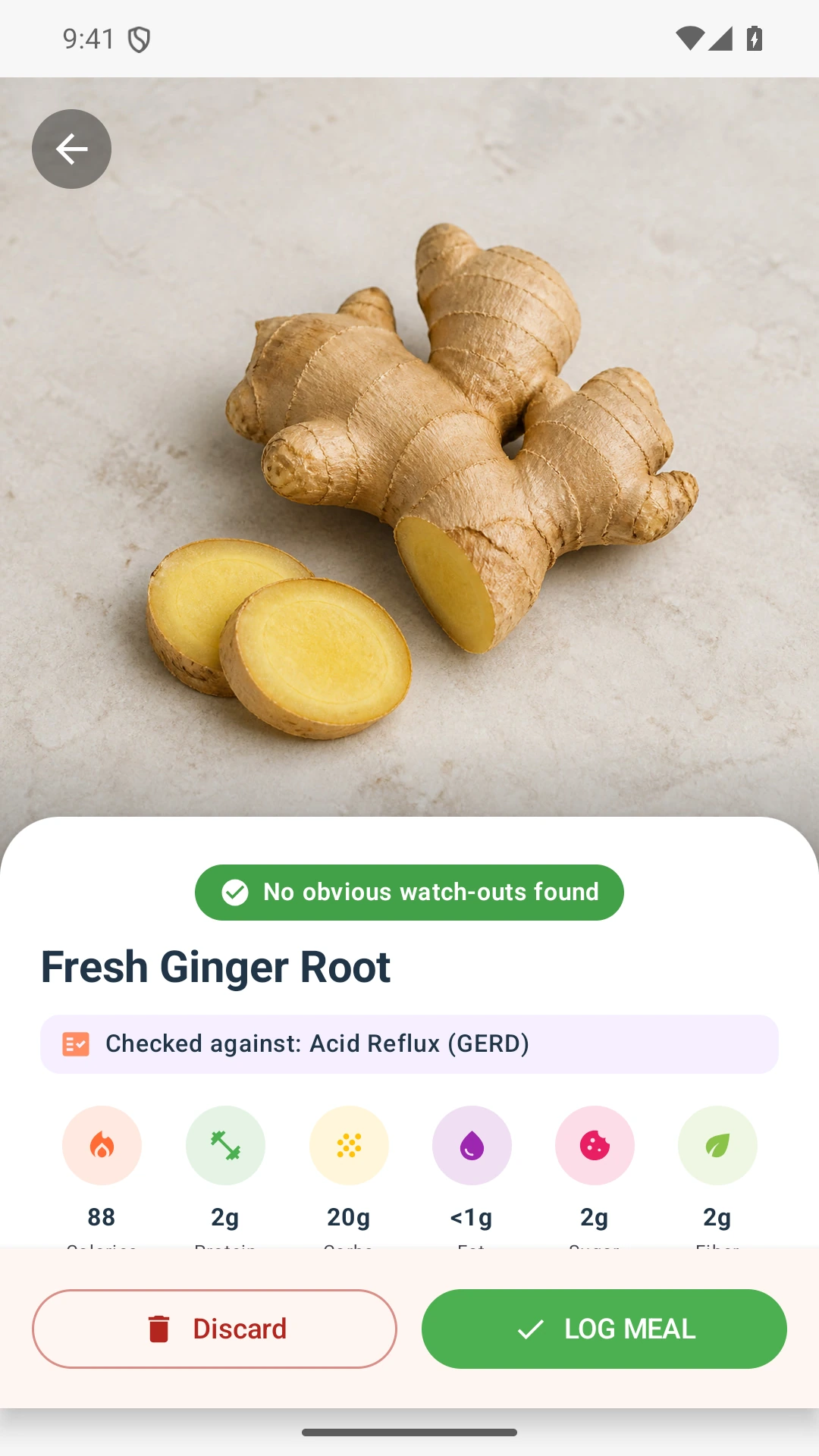
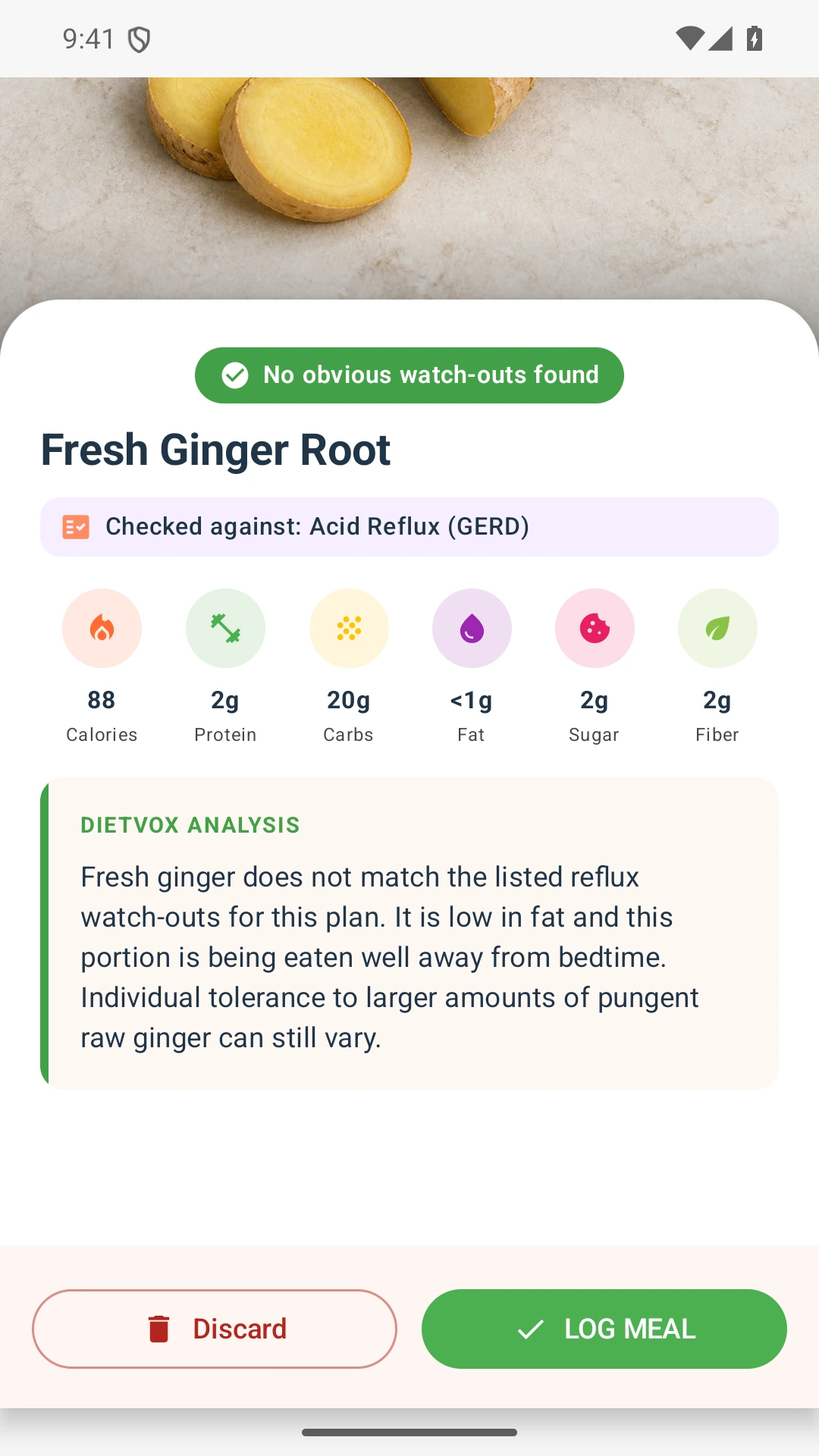
A comprehensive weight loss diet focuses on nutrient-dense foods. While typically consumed in small amounts, here is the nutritional breakdown for 100g of raw ginger for reference:
- Calories: 80 kcal
- Protein: 1.8 g
- Fat: 0.8 g
- Carbohydrates: 17.8 g * Dietary Fibre: 2.0 g * Sugars: 1.7 g
- Potassium: 415 mg
Source: USDA FoodData Central (FDC ID 169231)
The key takeaways for a weight loss diet are its low fat and low sugar content. The small amount of fibre and protein in a typical serving is minimal, but every bit contributes to your daily goals.
Practical Tips for Including Ginger in Your Diet
Incorporating ginger into your daily routine is simple and can enhance the appeal of a calorie-conscious diet. Focus on using it to replace high-calorie flavourings.
- Start Your Day with Ginger Tea: Steep a few slices of fresh ginger in hot water for a calorie-free, hydrating, and warming beverage. It's an excellent substitute for sugary morning drinks.
- Spice Up Your Meals: Add finely grated or minced fresh ginger to stir-fries, soups, and curries. Its pungent flavour allows you to use less salt and fewer high-fat sauces.
- Boost Your Smoothies: A small piece of ginger adds a zesty kick to green smoothies, complementing ingredients like spinach, kale, and apple without adding sugar.
- Create Healthy Dressings: Whisk grated ginger with lemon juice, a small amount of olive oil, and herbs to create a vibrant, low-calorie salad dressing.
Common Misconceptions about Ginger and Weight Loss
Misconception: "Ginger melts away belly fat." Fact: No single food can 'melt' or spot-reduce fat from any part of the body. Weight loss occurs when you consistently consume fewer calories than your body burns CDC healthy weight guidance. Ginger's role is supportive—it may slightly boost metabolism and help control appetite, which aids the overall process of fat loss from the entire body, but it does not target specific areas.
Misconception: "The more ginger you eat, the more weight you'll lose." Fact: Moderation is key. While culinary amounts of ginger are safe for most people, consuming excessive quantities can lead to side effects such as heartburn or stomach upset. Furthermore, the benefits observed in source reviews are not linearly dose-dependent; massive doses are not necessary and can be counterproductive. Consistency with a reasonable amount is more effective than sporadic high doses NIH National Center for Complementary and Integrative Health.
Misconception: "Ginger supplements are a shortcut to weight loss." Fact: While some source reviews use ginger supplements, they should be approached with caution. Supplements are highly concentrated and are not regulated in the same way as food. They may interact with medications or be inappropriate for individuals with certain health conditions. Always consult a healthcare professional before starting any new supplement regimen. Whole, fresh ginger is the safest and most holistic way to include it in your diet MedlinePlus herbal medicine overview.
The DietVox Health Forensics Breakdown
- Calorie Density: LOW. At 80 kcal per 100g, ginger has a low calorie density. In the small portions used for flavouring, its caloric contribution is virtually zero, making it an ideal choice for a weight loss diet where maximising volume and flavour for minimal calories is essential.
- Satiety ROI: MEDIUM. Ginger's Satiety Return on Investment is rated as medium. While it lacks significant protein or fibre in a typical serving, its potent flavour profile contributes to meal satisfaction, and emerging source support on its role in appetite regulation boosts its score.
- Tracking Difficulty: LOW. Ginger is very easy to track. Whether you use a teaspoon of grated ginger or a slice in your tea, the form is consistent and the caloric content is predictable and minimal, simplifying the process of logging your food intake accurately.
Disclaimer: This article is for informational purposes only and does not constitute medical advice. Always consult a healthcare provider before making changes to your diet, especially if you have a medical condition.
Scan your foods with the DietVox app to get personalized ratings based on your specific dietary needs and health goals.
Last reviewed: June 2026
How It Works
Why Ginger is Rated GREEN
Ginger's GREEN rating for a weight loss diet is based on four key rating factors:
- Extremely Low Caloric Impact: In typical culinary amounts (5-10g), ginger adds only 4-8 calories. This allows for significant flavour enhancement without compromising a daily calorie deficit, a cornerstone of any effective weight loss plan USDA FoodData Central (FDC ID 169231).
- Potential Thermogenic Effect: Available sources suggest that active compounds in ginger, such as gingerols, may have a mild thermogenic effect. This means they can slightly increase the number of calories your body burns, providing a modest but supportive boost to your metabolism PubMed.
- Appetite Regulation Support: Some source reviews indicate that ginger may help increase feelings of satiety. By promoting fullness, it can help you manage your appetite and reduce overall calorie consumption, making it easier to stick to your diet.
- Flavour Enhancement without Added Fat or Sugar: Ginger's strong, pleasant flavour can reduce the need for high-calorie sauces, dressings, or sweeteners. This displacement of energy-dense ingredients is a powerful strategy for lowering the total calorie count of meals while keeping them enjoyable.
Scan any food. Get an instant RED/AMBER/GREEN rating.
DietVox analyses every food across 4 diet protocols — no guesswork.
Try DietVox Free →Try These Instead
Safer alternatives that won't trigger your symptoms.
Frequently Asked Questions
How much ginger should I eat per day for weight loss?
There is no official recommended daily dose of ginger for weight loss. However, most direct source reviews use amounts equivalent to 1-3 grams of ginger powder. For fresh ginger, incorporating 1-2 teaspoons (about 5-10 grams) into meals or tea daily is a reasonable and safe amount for most people. The key is consistent use as part of a calorie-controlled diet, not a specific, large dose.
Can ginger tea really help with weight loss?
Ginger tea on its own will not cause weight loss, but it can be a very helpful tool within a weight loss plan. As a calorie-free, hydrating beverage, it's an excellent replacement for sugary drinks like soda or juice. The potential thermogenic and appetite-regulating properties of the infused ginger may offer a small, supportive boost to your overall efforts.
Are there any side effects of using ginger for weight loss?
When consumed in normal food amounts, ginger is generally considered safe. However, very high doses may cause mild side effects for some individuals, including heartburn, diarrhoea, and general stomach discomfort. People taking blood-thinning medications (anticoagulants) should consult their doctor before increasing their ginger intake, as it may have a mild blood-thinning effect. Source: NIH National Center for Complementary and Integrative Health.
Is fresh ginger better than ginger powder for weight loss?
Both fresh and powdered ginger contain the active compounds, like gingerol, that are linked to health benefits. Some sources suggest fresh ginger may have slightly higher levels of gingerol, but for the purpose of a weight loss diet, the difference is likely negligible. The best form is the one you will use most consistently. Powder is convenient for teas and smoothies, while fresh ginger is excellent in cooking.