DietVox Rating: GREEN
Onion is rated GREEN by DietVox for a Weight Loss Diet. This means onion is an excellent choice to include regularly in your eating plan if your goal is to lose weight. Its nutritional profile, particularly its low-calorie density, makes it a valuable ingredient for creating flavourful and satisfying meals without significantly increasing your caloric intake. Incorporating onion into your diet can support your onion weight loss goals effectively when managed as part of a balanced and calorie-controlled eating strategy CDC healthy weight guidance.
Understanding Onion's Nutritional Profile for Weight Loss
When aiming for weight loss, understanding the calorie and macronutrient content of foods is crucial. Onion is particularly favourable in this regard:
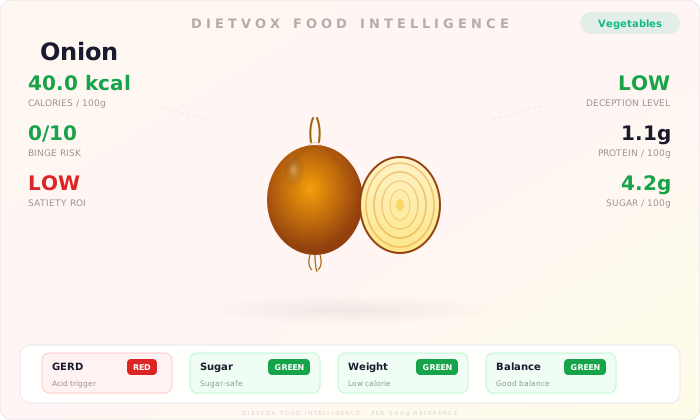
- Low Calorie Density: Onion provides just 40 kcal per 100g USDA FoodData Central. This low-calorie density is a key advantage, allowing you to use generous portions to enhance flavour and volume in meals without adding substantial calories. Foods with low energy density can help promote satiety and reduce overall calorie intake, which is beneficial for weight management WHO.
- Macronutrient Breakdown: Per 100g, onion contains 1.1g protein, 0.1g fat, and 9.3g carbohydrates, with 4.2g of these being sugars and 1.7g as dietary fibre USDA FoodData Central. * Protein and Fat: The minimal amounts of protein and fat contribute very few calories. While onion itself is not a significant source of protein or healthy fats, its low content means it won't detract from your weight loss efforts. * Carbohydrates: The carbohydrate content is moderate, with a portion of it being natural sugars. The fibre content, although not high, contributes to gut health and can mildly aid in digestion MedlinePlus fiber overview.
Beyond Calories: Health Benefits Supporting a Healthy Weight
Onions offer more than just low calories; they also contain beneficial compounds that support overall health, which is an integral part of sustainable weight loss:
- Antioxidants: Onions are rich in antioxidants, particularly flavonoids like quercetin. These compounds help combat oxidative stress and inflammation in the body PubMed / NIH. Chronic inflammation is sometimes linked to weight gain and metabolic issues, so reducing it can indirectly support weight management Harvard Health Publishing.
- Prebiotics for Gut Health: Onions contain fructans, a type of soluble fibre that acts as a prebiotic. Prebiotics feed beneficial gut bacteria, promoting a healthy gut microbiome PubMed / NIH. A balanced gut microbiome is increasingly recognized for its role in metabolism, energy regulation, and potentially weight management PubMed search for Cochrane review DOI.
- Blood Sugar Regulation: Some sources suggest that compounds in onions may help with blood sugar control, which is beneficial for preventing insulin spikes that can lead to fat storage PubMed / NIH.
The Power of Flavour in a Weight Loss Diet
One of the most significant benefits of onion in a Weight Loss Diet is its ability to add profound flavour to dishes. When you're trying to reduce calories, bland food can lead to dissatisfaction and a higher likelihood of abandoning your diet CDC healthy eating guidance. Onion provides a versatile flavour base, allowing you to:
- Reduce High-Calorie Additions: Instead of relying on butter, oil, or creamy sauces for flavour, onions can be sautéed or roasted to create a rich, savoury foundation for meals with minimal added calories.
- Enhance Vegetable Dishes: Onion pairs wonderfully with other low-calorie vegetables, making them more palatable and enjoyable, encouraging higher consumption of nutrient-dense foods.
- Boost Soups and Stews: Aromatic vegetables like onion are essential for building depth of flavour in soups, stews, and casseroles, which can be highly satisfying and calorie-efficient meals for weight loss.
Addressing Satiety and Tracking Difficulty
While onion is excellent for flavour and low in calories, it has a LOW Satiety ROI (Return on Investment). This means that due to its low protein (1.1g) and fibre (1.7g) content, it provides minimal fullness for its caloric cost. To ensure satiety, it is crucial to combine onion with other foods that are rich in protein and fibre, such as lean meats, legumes, whole grains, and other non-starchy vegetables MedlinePlus dietary protein overview.
Onion is LOW in Tracking Difficulty, meaning it is easy to track accurately. Its consistent form and predictable caloric content per unit (e.g., per 100g or per medium onion) make it straightforward to log in calorie-tracking apps, ensuring you stay within your daily caloric targets USDA FoodData Central.
Potential Concerns: Acid Reflux
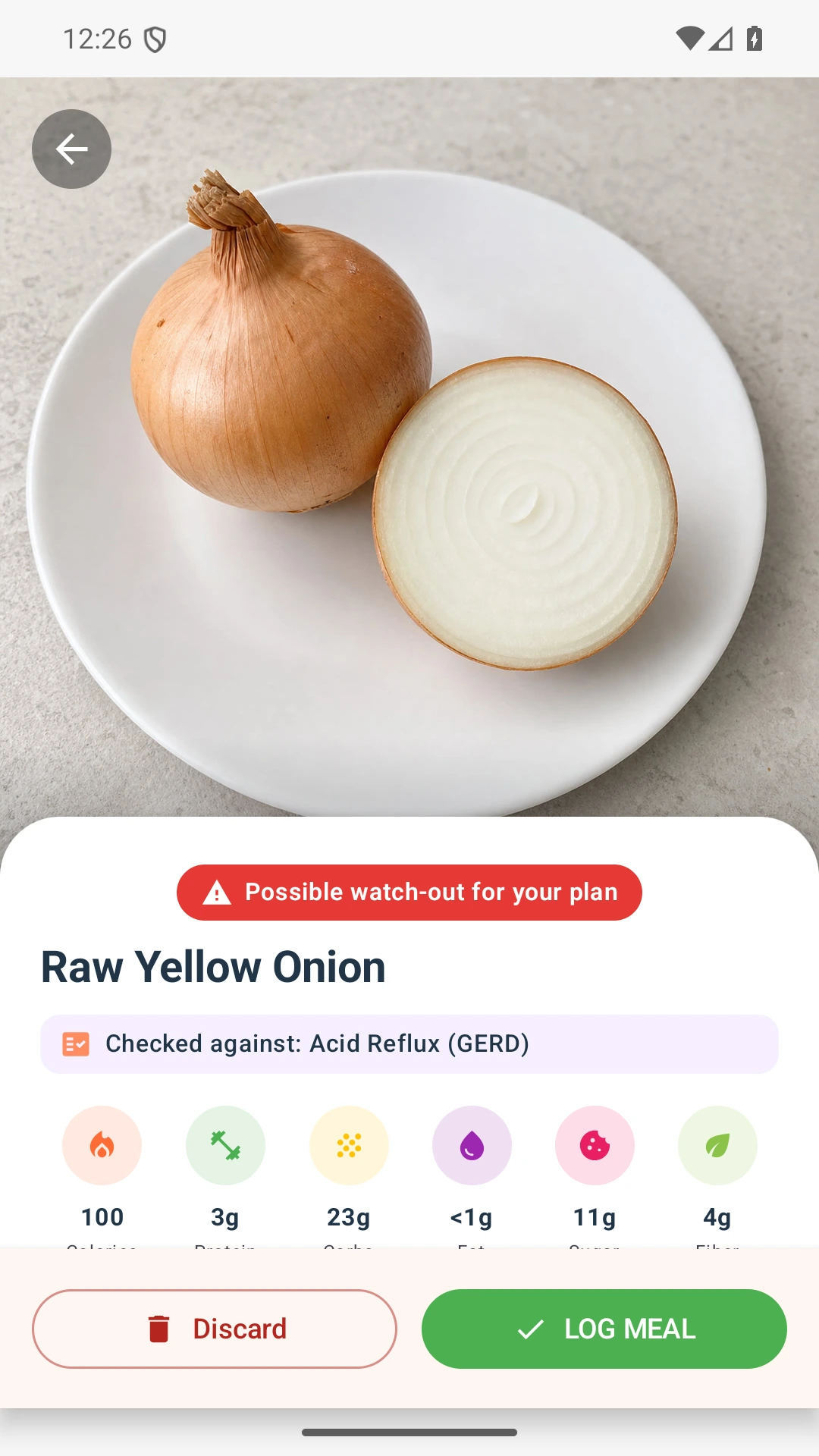
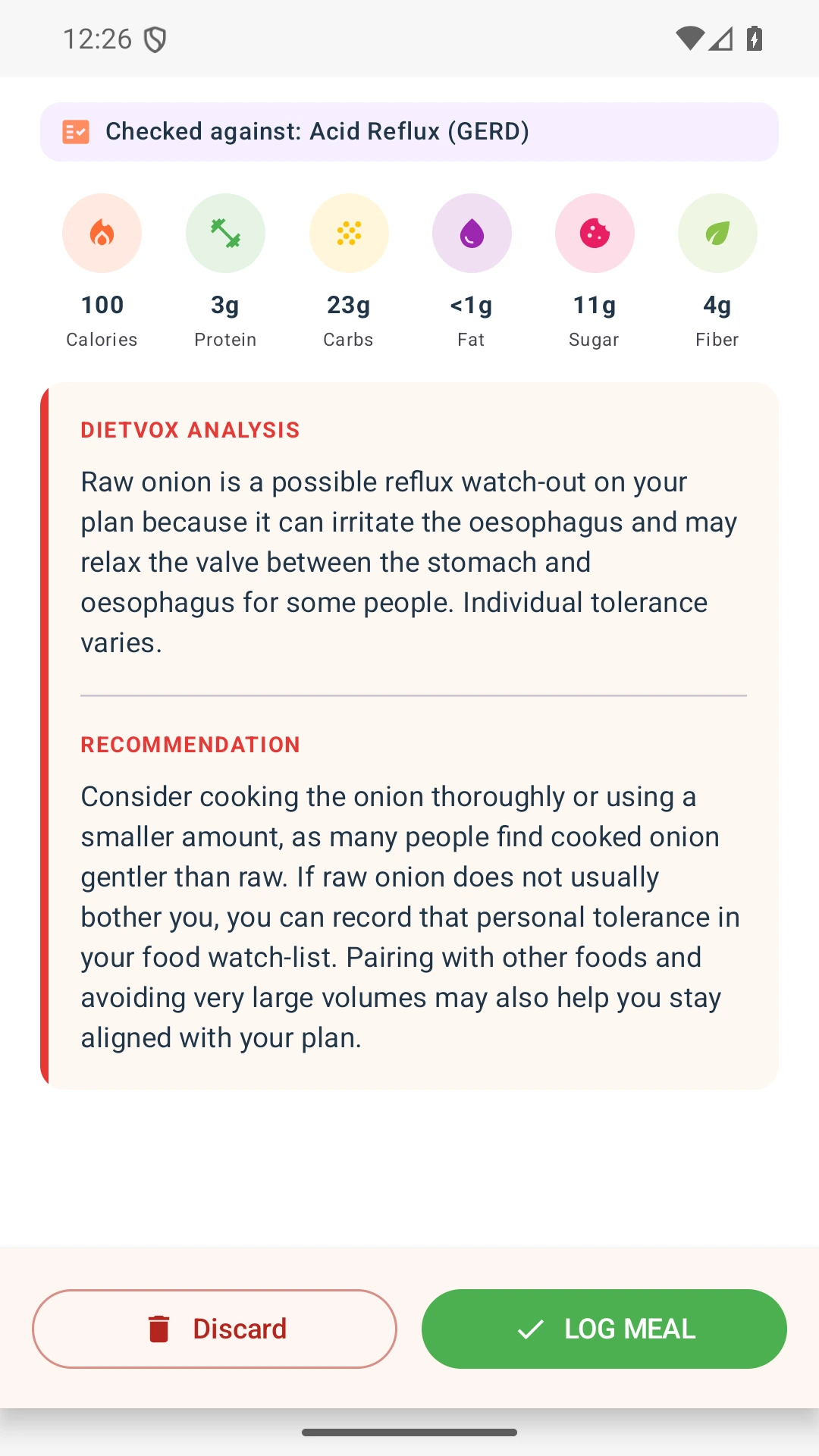
It is important to note that raw onion is classified as a reflux trigger for some individuals. It may relax the lower oesophageal sphincter (LES) or irritate the stomach lining, leading to symptoms of acid reflux or GERD American College of Gastroenterology acid reflux guidance. If you experience these symptoms, consider consuming cooked onions, which may be better tolerated, or limiting your intake of raw onion ACG. For most people without a history of reflux, onion is safe for consumption at normal levels.
Practical Tips for Incorporating Onion into Your Weight Loss Diet
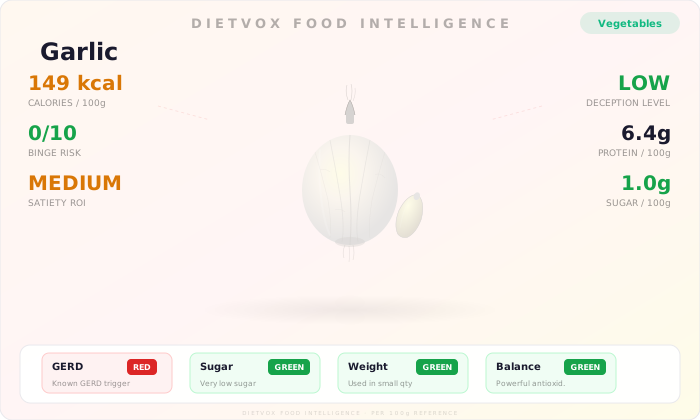
- Build a Flavour Base: Start many of your meals by sautéing diced onion (and perhaps garlic) in a minimal amount of healthy oil or even water/broth. This creates a delicious foundation for stir-fries, curries, soups, and sauces.
- Roast for Sweetness: Roasting onions (e.g., quartered red onions) brings out their natural sweetness and caramelization. This makes them a fantastic, low-calorie side dish or addition to roasted vegetable medleys CDC healthy eating guidance.
- Add to Salads and Sandwiches (Mindfully): If you tolerate raw onion, thin slices of red or white onion can add a sharp, refreshing crunch to salads, sandwiches, and wraps. Be mindful of potential reflux if this is a concern for you.
- Bulk Up Dishes: Incorporate chopped onions into scrambled eggs, omelettes, lean ground meat dishes (like turkey chilli or lean beef stir-fry), or lentil soups to add volume and nutrients without excess calories.
- Homemade Dressings and Sauces: Blend raw or cooked onion into homemade salad dressings, salsas, or marinades for a burst of flavour without the added sugars and unhealthy fats often found in store-bought options.
- Experiment with Varieties: Different types of onions (red, white, yellow, sweet, shallots) offer slightly different flavour profiles. Experiment to find which ones you enjoy most in various dishes.
Conclusion
Onion is an unequivocally GREEN rated food for a Weight Loss Diet by DietVox. Its exceptionally low-calorie density, coupled with its ability to impart significant flavour to meals, makes it an indispensable ingredient for anyone on a weight loss journey. While it offers low satiety on its own, when strategically combined with protein and fibre-rich foods, onion can help you create delicious, satisfying, and calorie-controlled meals that support your health and weight loss goals. Remember to be mindful of potential acid reflux, but for most, onion is a healthy and flavourful addition to a balanced diet EFSA.
Disclaimer: This article is for informational purposes only and does not constitute medical advice. Always consult a healthcare provider before making changes to your diet, especially if you have a medical condition.
Scan your foods with the DietVox app to get personalized ratings based on your specific dietary needs and health goals.
Last reviewed: June 2026
How It Works
Why Onion is Rated GREEN
Onion receives a GREEN rating for the Weight Loss Diet primarily due to its outstandingly low calorie density and its versatility as a flavour enhancer. The core mechanisms supporting this rating are:
- Low Calorie Density (40 kcal/100g): This is the most significant factor. Foods with low calorie density allow individuals to consume larger portions for fewer calories, which can help in feeling full and satisfied without overeating WHO. Onion provides ample volume and flavour for a minimal caloric cost, making it an ideal 'filler' ingredient in weight loss meals USDA FoodData Central.
- Flavour Base with Minimal Caloric Impact: Onion serves as an excellent natural flavouring agent. By incorporating onion, you can create delicious and appealing dishes, reducing the need for high-calorie flavour enhancers like excessive oils, fats, or sugary sauces. This directly supports calorie reduction, a fundamental principle of weight loss CDC healthy eating guidance.
- Favourable Macronutrient Profile (for calorie control): With only 1.1g protein, 0.1g fat, and 9.3g carbohydrates (1.7g fibre, 4.2g sugar) per 100g, onion contributes very few calories from fat and moderate carbohydrates. This profile means it won't significantly impact your daily macronutrient targets while allowing you to focus on protein and fibre from other sources for satiety USDA FoodData Central.
- Easy to Track: As highlighted in its Health Forensics, onion has a LOW Tracking Difficulty. Its consistent composition makes it simple to accurately log, ensuring precise calorie management within a Weight Loss Diet protocol.
Scan any food. Get an instant RED/AMBER/GREEN rating.
DietVox analyses every food across 4 diet protocols — no guesswork.
Try DietVox Free →Try These Instead
Safer alternatives that won't trigger your symptoms.
Frequently Asked Questions
How can I use onions to add flavour without adding many calories to my weight loss meals?
Onion is an excellent low-calorie flavour enhancer. You can sauté diced onion in a minimal amount of oil or even water/vegetable broth to create a savoury base for stir-fries, soups, stews, and sauces. Roasting onions brings out their natural sweetness and caramelization, making them a delicious, low-calorie addition to roasted vegetable dishes. Using onion allows you to reduce reliance on high-calorie fats or sauces for flavour.
Are there any specific types of onions that are better for weight loss?
All common varieties of onion (yellow, white, red, sweet, shallots) share a similar low-calorie and low-fat nutritional profile, making them all suitable for a weight loss diet USDA FoodData Central. The choice largely depends on your flavour preference and how you plan to use them. For example, red onions are often preferred raw in salads for their milder taste, while yellow onions are robust and excellent for cooking.
Do onions have any other health benefits that support a healthy weight?
Yes, beyond their low-calorie content, onions offer health benefits that indirectly support a healthy weight. They are a source of antioxidants like quercetin, which can help reduce inflammation PubMed / NIH. Onions also contain prebiotics (fructans) that promote a healthy gut microbiome, which is increasingly linked to metabolism and weight management PubMed / NIH. These general health benefits contribute to overall well-being, which is crucial for sustainable weight loss.
What are some common recipes that effectively use onions for weight loss?
Onion is incredibly versatile in weight loss-friendly recipes. Some popular options include vegetable-heavy stir-fries, where onion forms part of the aromatic base; lean protein and vegetable curries or stews; low-calorie homemade soups; and roasted vegetable medleys. They can also be incorporated into healthy frittatas, omelettes, or added raw (if tolerated) to salads and salsas to boost flavour and volume without excess calories.
Can eating raw onions help with weight loss more than cooked onions?
The nutritional difference between raw and cooked onions in terms of calories and macronutrients is generally negligible for weight loss purposes USDA FoodData Central. Both forms are low in calories and can support your diet. However, raw onions can be a trigger for acid reflux in some individuals American College of Gastroenterology acid reflux guidance, which might make cooked onions a more comfortable option. The best choice depends on personal tolerance and culinary preference.