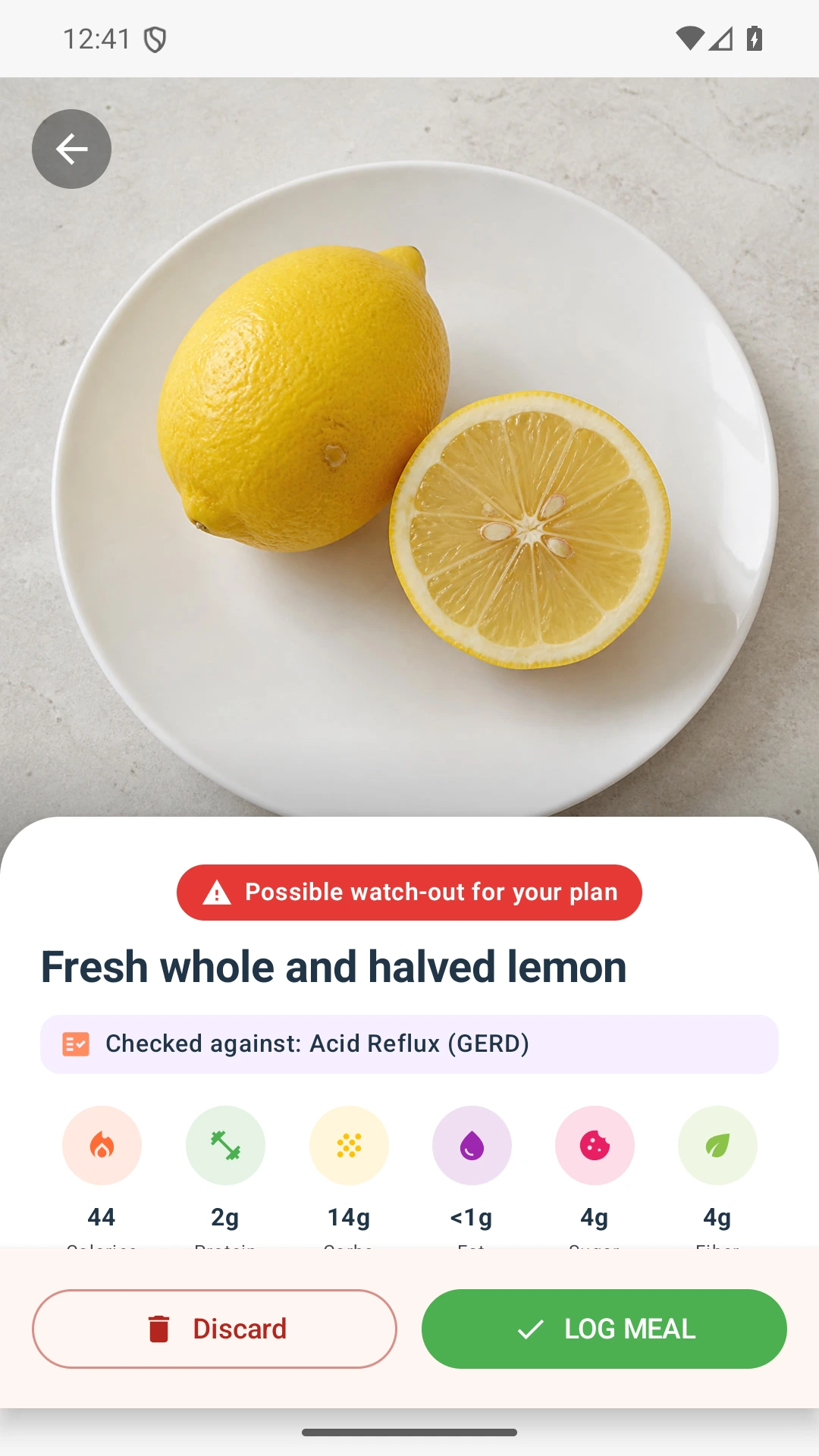
DietVox Rating: GREEN

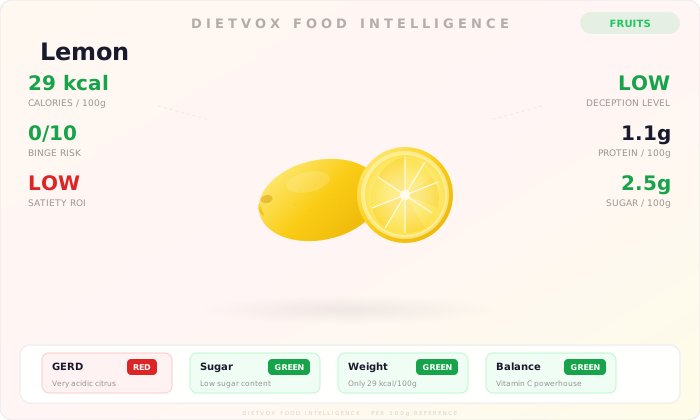
Lemon is rated GREEN for a weight loss diet. This rating signifies that it is an excellent choice, fully compatible with the goals of a calorie-controlled eating plan. The core reason for this rating is its ability to deliver significant flavour with a negligible calorie count. This makes exploring the connection between lemon weight loss strategies a valuable exercise for anyone managing their calorie intake.

Our analysis shows that while lemon itself does not directly cause weight loss, its properties make it a powerful tool in a successful weight management strategy. It can enhance the taste of healthy foods and beverages, potentially reducing the reliance on higher-calorie sauces, dressings, and sugary drinks.

The Nutritional Profile of Lemon for Weight Loss

Understanding the nutritional composition of lemon is key to appreciating its role in a weight loss diet. Per 100g, raw lemon contains approximately 29 calories, 1.1g of protein, 0.3g of fat, and 9.3g of carbohydrates USDA FoodData Central (FDC ID 167749).

However, people rarely consume 100g of lemon. A more practical measure is the juice of half a medium lemon (approx. 20-25g), which contributes only about 6 calories. This minimal caloric load is central to its GREEN rating.

Key nutritional components relevant to weight management include:

  • Dietary Fibre: Lemon provides 2.8g of fibre per 100g. While the amount in a typical serving of juice is small, using whole lemon slices or zest incorporates this fibre, which can contribute to feelings of fullness and support digestive health NHS.
  • Vitamin C: Lemon is an excellent source of Vitamin C, with 53mg per 100g. This essential nutrient is vital for immune function and skin health, supporting overall well-being during a period of dietary change Harvard Health Publishing.
  • Low Sugar: With only 2.5g of sugar per 100g, lemon adds a bright, tart flavour without contributing significantly to your daily sugar intake, a critical factor in many weight loss plans.

Health Forensics: Lemon's Role in a Calorie-Controlled Diet

Our Health Forensics model evaluates foods on key metrics for weight management. Here's how lemon scores:

Calorie Density: LOW

With just 29 kcal per 100g, lemon has a very low calorie density. Low-calorie-density foods are a cornerstone of effective weight loss because they allow you to add volume and flavour to meals without a significant caloric penalty. This principle is fundamental to creating a sustainable calorie deficit, which is the basis of weight loss CDC healthy weight guidance.

Satiety ROI: MEDIUM

Satiety Return on Investment (ROI) measures how full a food makes you feel relative to its calories. While a squeeze of lemon juice on its own won't provide significant satiety, its role as an adjunct supports it. By making plain water more appealing, lemon encourages hydration. Proper hydration is often linked with improved satiety, as the body can sometimes mistake thirst for hunger CDC healthy weight guidance. The fibre content, though modest, also contributes slightly to this score.

Tracking Difficulty: LOW

In a weight loss plan, accurate calorie tracking is crucial. Lemon is exceptionally easy to track. A wedge, a slice, or the juice of half a lemon are standard, predictable units. Because the caloric contribution is so minimal, minor variations in portion size have virtually no impact on your daily total, reducing tracking stress.

Debunking Common Myths About Lemon and Weight Loss

Lemon is often surrounded by exaggerated health claims. It's important to separate source-reviewed benefits from popular myths.

  • Myth 1: Lemon water melts fat. The Reality: No single food or drink can 'melt' body fat. Weight loss occurs when you consume fewer calories than your body expends WHO. Lemon water aids this process by being a near-zero calorie, hydrating beverage that can replace high-calorie options like soda or juice. A source review listed in Obesity found that drinking water before meals was associated with greater weight loss in middle-aged and older adults, and adding lemon simply makes this healthy habit more palatable PubMed.
  • Myth 2: Lemon 'alkalizes' the body, promoting weight loss. The Reality: The 'alkaline diet' theory, which suggests that certain foods can change the body's pH to improve health, is not supported by robust direct source support. The human body has highly effective mechanisms to tightly regulate its pH balance, regardless of diet PubMed search for Cochrane review DOI. Lemon's benefits for weight loss are unrelated to its pH.
  • Myth 3: You need a lemon 'detox' to lose weight. The Reality: The concept of a 'detox' diet is a marketing term, not a medical one. Your liver and kidneys are incredibly efficient at filtering and eliminating toxins from your body. Drastic 'detox' plans based on lemon juice are often extremely low in calories and nutrients, leading to temporary water weight loss and potential muscle loss, but they are not a sustainable or healthy method for fat loss NCCIH detoxes and cleanses overview.

Practical Ways to Use Lemon in Your Weight Loss Diet

Incorporating lemon into your daily routine is simple and effective. Here are some practical, practical tips:

  1. Start Your Day with Lemon Water: Replace sugary morning juices with a glass of water infused with a slice of lemon. It's a refreshing, hydrating, and virtually calorie-free way to start your day.
  2. Create Low-Calorie Salad Dressings: Whisk fresh lemon juice with a touch of olive oil, mustard, and herbs for a simple vinaigrette. This can save hundreds of calories compared to creamy, store-bought dressings.
  3. Flavour Lean Proteins: Use lemon juice and zest as a marinade for chicken, fish, or tofu before grilling or baking. It tenderizes the protein and adds a bright flavour without the need for high-fat sauces.
  4. Brighten Vegetables: A squeeze of fresh lemon over steamed or roasted vegetables like broccoli, asparagus, or green beans can enhance their natural flavour, reducing the need for butter or excessive salt.

Potential Considerations

While lemon is overwhelmingly positive for a weight loss diet, there are two points to consider:

  • Dental Health: The citric acid in lemon can erode tooth enamel over time. To mitigate this, consider drinking lemon water through a straw and rinsing your mouth with plain water afterward CDC healthy weight guidance.
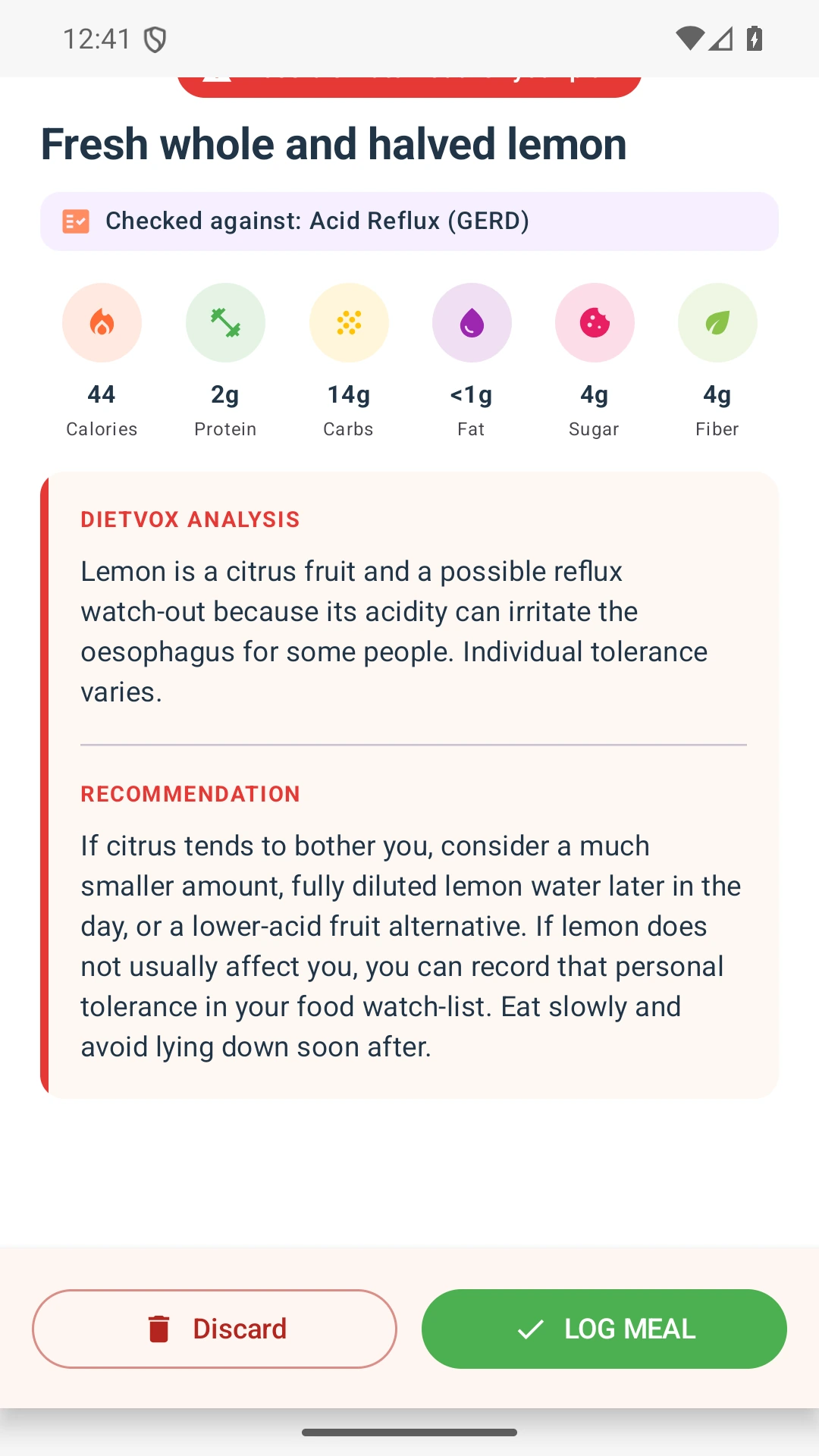
  • Acid Reflux: For individuals with gastroesophageal reflux disease (GERD), the high acidity of lemon can be a trigger for symptoms. If you have GERD, it's best to consume lemon cautiously and observe your body's reaction.

Disclaimer: This article is for informational purposes only and does not constitute medical advice. Always consult a healthcare provider before making changes to your diet, especially if you have a medical condition.

Scan your foods with the DietVox app to get personalized ratings based on your specific dietary needs and health goals.

Last reviewed: June 2026

How It Works

Why Lemon is Rated GREEN for Weight Loss

DietVox rates Lemon as GREEN because its properties directly support the primary goals of a weight loss diet: creating a calorie deficit while maintaining satisfaction and nutrient intake. The mechanisms are straightforward and source-reviewed:

  1. Extremely Low Caloric Impact: The most critical factor is its minimal calorie count. A typical serving used for flavouring (e.g., the juice of half a lemon) adds only about 6 calories. This allows you to enhance the taste of food and drinks without impacting your daily calorie budget, which is the foundation of successful weight management CDC healthy weight guidance.
  1. Enhances Palatability and Adherence: A major challenge in weight loss is dietary boredom. Lemon's bright, zesty flavour makes simple, healthy foods like grilled fish, steamed vegetables, and salads more enjoyable. This improved palatability can increase your adherence to a healthy eating plan over the long term.
  1. Promotes Healthy Hydration: By making plain water more appealing, lemon encourages greater fluid intake. Staying well-hydrated is crucial during weight loss, as it supports metabolism and can help manage hunger cues. Some sources suggest that increased hydration can be a beneficial component of a weight loss program PubMed.
  1. Displaces High-Calorie Alternatives: Using lemon water can directly displace high-calorie beverages like sodas, sweetened teas, and juices. A simple swap from a can of soda (around 140 calories) to lemon water saves a significant number of calories, contributing directly to a calorie deficit.

Scan any food. Get an instant RED/AMBER/GREEN rating.

DietVox analyses every food across 4 diet protocols — no guesswork.

Try DietVox Free →

Try These Instead

Safer alternatives that won't trigger your symptoms.

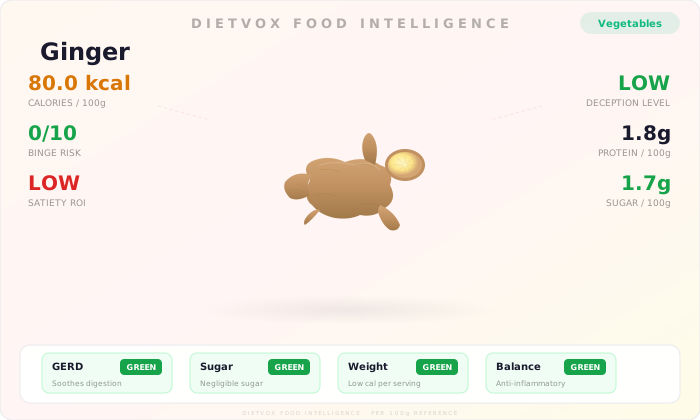
Ginger illustration

Ginger

80 kcal Vegetables
GREEN GERD
GREEN Sugar
GREEN Weight
GREEN Balance
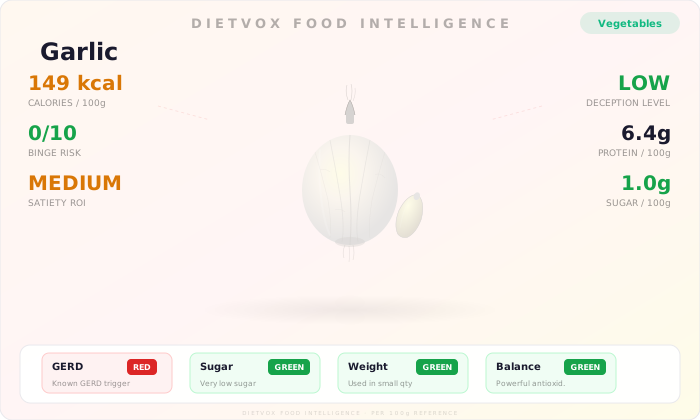
Garlic illustration

Garlic

149 kcal Vegetables
RED GERD
GREEN Sugar
GREEN Weight
GREEN Balance
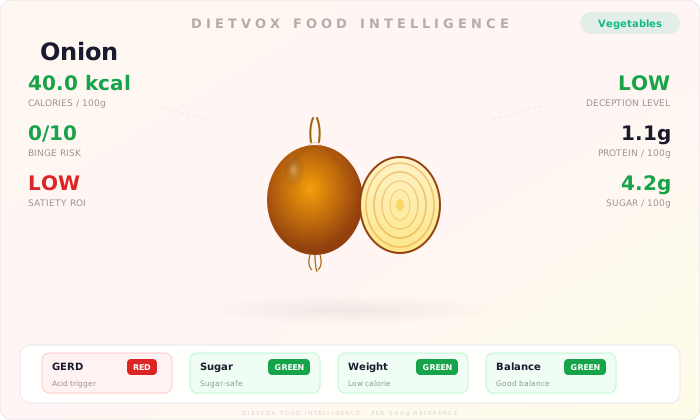
Onion illustration

Onion

40 kcal Vegetables
RED GERD
GREEN Sugar
GREEN Weight
GREEN Balance
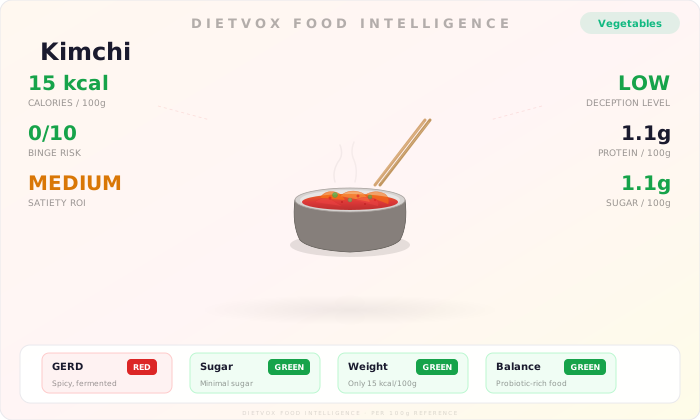
Kimchi illustration

Kimchi

15 kcal Vegetables
RED GERD
GREEN Sugar
GREEN Weight
GREEN Balance

Frequently Asked Questions

Does drinking lemon water in the morning boost metabolism?

While staying hydrated is important for optimal metabolic function, the idea that lemon itself provides a significant metabolism boost is a myth. Drinking cold water can cause a small, temporary increase in calorie burning (thermogenesis), but the effect is minimal. The main benefit of morning lemon water is that it's a healthy, low-calorie way to start your day hydrated CDC healthy weight guidance.

Can the acidity of lemon be harmful for weight loss?

The acidity of lemon does not negatively impact the biological process of weight loss. The primary concerns with its acidity are related to potential dental enamel erosion and triggering symptoms in individuals with acid reflux. From a weight management perspective, its low-calorie, high-flavour profile is a significant net positive.

How much lemon is too much on a weight loss diet?

From a calorie standpoint, it is extremely difficult to consume enough lemon to hinder weight loss. The practical limit is dictated by dental health and digestive tolerance. For most people, using the juice and zest of 1-2 lemons per day for flavouring water, salads, and meals is considered safe and beneficial within a balanced diet.

Is lemon juice better than whole lemon for weight loss?

Both are excellent choices. Using whole lemon, including the zest and pulp, provides a small amount of dietary fibre which can contribute to satiety. However, juice is more convenient and commonly used. The primary benefit for weight loss—adding flavour for negligible calories—is achieved with both forms. The difference in their impact on a weight loss plan is minimal.

Related Reading