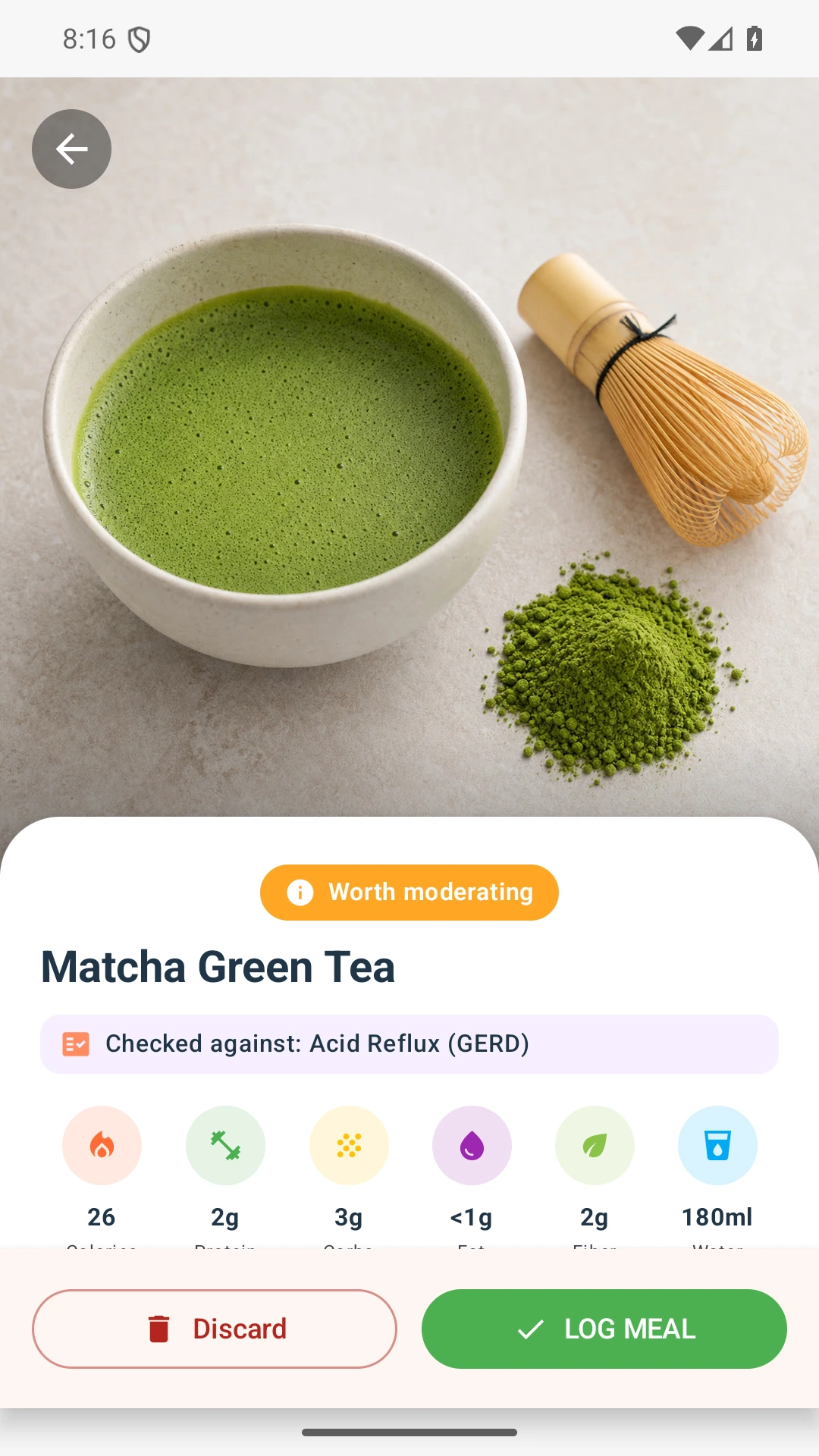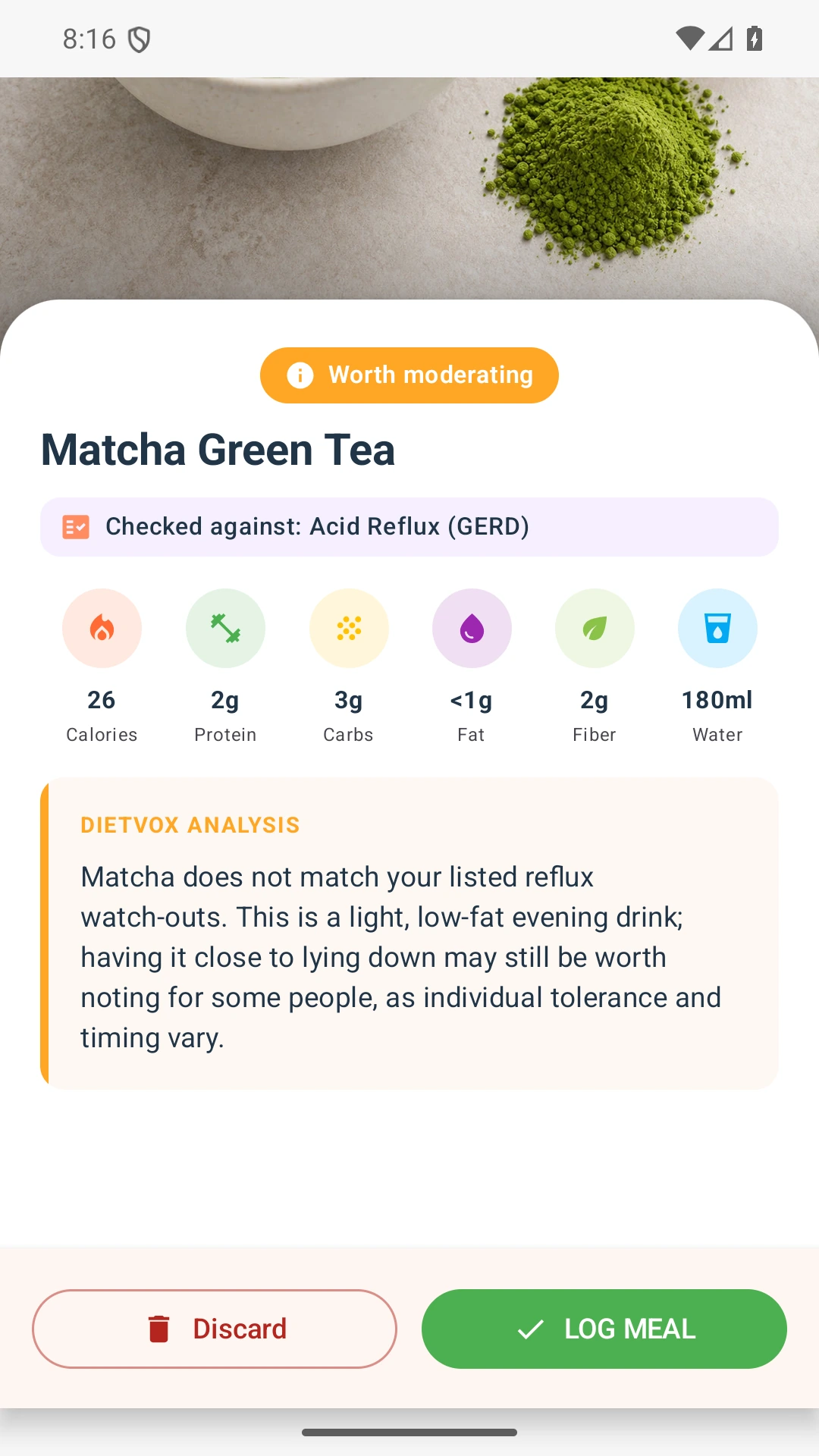
DietVox Rating: GREEN

For individuals exploring strategies to matcha lose weight, DietVox assigns Matcha a GREEN rating. This indicates that unsweetened matcha is an excellent choice that aligns with the principles of a calorie-controlled weight loss diet. A GREEN rating signifies that the food is very low in calories, poses minimal risk of hindering weight loss progress, and may offer properties that support metabolic health when consumed as part of a balanced eating plan.

This rating applies specifically to matcha prepared with water, without the addition of sugar, honey, cream, or full-fat milk, which can significantly increase its caloric content. The primary benefits of matcha in a weight loss context stem from its near-zero calorie status, its role in hydration, and the potential metabolic effects of its bioactive compounds.

Nutritional Profile for Weight Loss

The nutritional value of matcha is central to its GREEN rating. When prepared as a beverage (approximately 1g of powder per 100ml of water), its macronutrient contribution is minimal, making it an ideal choice for flavour and hydration without a caloric penalty.

According to data from the USDA FoodData Central, a 100ml serving of prepared matcha contains:

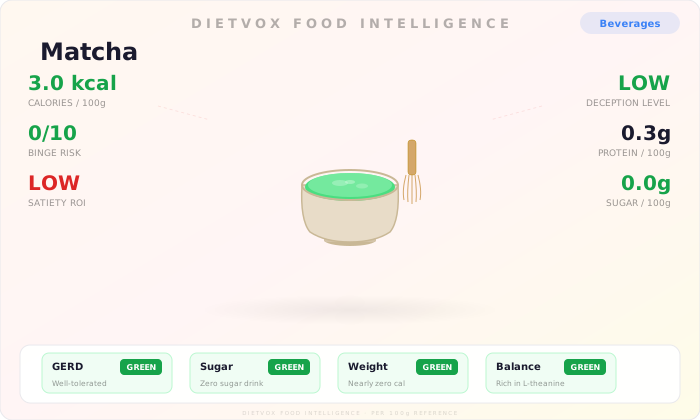
  • Calories: 3.0 kcal
  • Protein: 0.3 g
  • Fat: 0.0 g
  • Carbohydrates: 0.4 g
  • Sugar: 0.0 g

Health Forensics Analysis

  • Calorie Density: LOW Matcha's calorie density is exceptionally low at 3 kcal per 100g. Foods with low calorie density are cornerstones of a successful weight loss diet, as they allow for greater volume and frequency of consumption without significantly impacting your daily calorie budget WHO. This allows you to enjoy a warm, flavourful beverage without compromising your caloric deficit.
  • Satiety ROI: LOW Satiety Return on Investment (ROI) measures how full a food makes you feel relative to its calories. With just 0.3g of protein and negligible fibre, matcha provides a poor satiety ROI. It should be viewed as a beverage for hydration and potential metabolic support, not as a food that will reduce hunger or replace a meal. Its value lies in replacing high-calorie drinks, not in providing fullness.
  • Tracking Difficulty: LOW Tracking matcha is straightforward. A standard serving uses 1-2 grams of powder, which is consistent and easy to log. As long as you prepare it yourself without caloric additions, its impact on your daily intake is predictable and minimal.

Matcha's Role in a Weight Loss Diet

Beyond its low-calorie profile, matcha contains bioactive compounds—namely caffeine and catechins—that have been studied for their potential role in weight management.

Supporting Metabolic Rate with Caffeine

Matcha is a source of caffeine, a well-documented central nervous system stimulant. source review has consistently shown that caffeine can temporarily increase the resting metabolic rate (RMR), the number of calories your body burns at rest. A systematic review and meta-analysis listed in PubMed concluded that caffeine intake might promote weight, BMI, and body fat reduction PubMed. The effect is modest and temporary, but regular consumption as part of a comprehensive weight loss plan can contribute to a small increase in daily energy expenditure.

The Impact of Catechins and EGCG

Matcha is particularly rich in a class of polyphenols called catechins, with the most abundant and potent being epigallocatechin gallate (EGCG). Matcha contains significantly more EGCG than standard brewed green tea because you consume the entire ground leaf. Some direct sources suggest that green tea catechins may help support fat oxidation (the process of breaking down fatty acids for energy). A meta-analysis of human source reviews found that regular consumption of catechin-caffeine mixtures, like those found in matcha, had a small but positive effect on weight loss and weight maintenance PubMed. While not a 'magic bullet,' this effect complements the primary benefit of its low-calorie nature.

A Tool for Hydration and Displacement

Proper hydration is a crucial, often overlooked, component of weight management. The FDA added sugars label guidance recommends regular fluid intake throughout the day. Unsweetened matcha serves as an excellent hydrating beverage. Furthermore, its greatest practical benefit may be its role in displacing high-calorie drinks. Swapping a daily sugary latte, soda, or juice for a cup of matcha can save hundreds of calories, creating a significant calorie deficit over time that directly supports weight loss.

Practical Tips for Incorporating Matcha

To ensure matcha supports your weight loss goals, preparation is key.

  • Keep it Simple: The most effective way to drink matcha for weight loss is by whisking the powder with hot water. Avoid adding caloric sweeteners or fats.
  • Beware the 'Latte Trap': A matcha latte from a coffee shop can contain over 200-300 calories and upwards of 30 grams of sugar due to added syrups and whole milk. Always check the nutritional information or, better yet, make your own at home using unsweetened almond milk or skim milk for a low-calorie alternative.
  • Timing Matters: The caffeine in matcha can provide a welcome energy boost. Consider having it in the morning or early afternoon. Avoid consuming it late in the evening, as caffeine can interfere with sleep. Poor sleep is linked to hormonal changes that can increase appetite and hinder weight loss efforts CDC healthy weight guidance.
  • Choose Quality: Opt for high-quality matcha from reputable sources. While grade (ceremonial vs. culinary) doesn't significantly impact the weight loss properties, better quality powders tend to have a smoother flavour, reducing the temptation to add sweeteners.

Safety and Considerations

For most healthy adults, matcha is safe when consumed in moderation. The primary consideration is its caffeine content.

  • Caffeine Intake: A typical serving of matcha (1g of powder) contains approximately 30-70mg of caffeine. The FDA caffeine safety guidance states that single doses of up to 200mg and daily intakes of up to 400mg of caffeine from all sources are generally not associated with safety concerns for healthy adults. Be mindful of your total daily caffeine intake from coffee, tea, and other sources to avoid side effects like jitteriness, anxiety, or insomnia.
  • Underlying Conditions: Individuals who are pregnant, breastfeeding, or have certain medical conditions should consult with a healthcare provider regarding safe caffeine limits.

Disclaimer: This article is for informational purposes only and does not constitute medical advice. Always consult a healthcare provider before making changes to your diet, especially if you have a medical condition.

Scan your foods with the DietVox app to get personalized ratings based on your specific dietary needs and health goals.

Last reviewed: June 2026

How It Works

Why Matcha is Rated GREEN

Matcha earns its GREEN rating for a weight loss diet through a combination of three key factors:

  1. Extremely Low Calorie Content: When prepared with water, matcha is a near-zero-calorie beverage (3 kcal per 100ml). This allows it to be incorporated freely into a diet without impacting the daily caloric budget, making it an excellent replacement for sugary, high-calorie drinks.
  1. Metabolic Support from Bioactive Compounds: Matcha contains caffeine, which has been shown in direct source reviews to provide a temporary boost to the metabolic rate PubMed. It is also a concentrated source of catechins, particularly EGCG, which available sources suggest may support the body's ability to oxidise fat for energy PubMed.
  1. Aids in Hydration and Calorie Displacement: Proper hydration is essential for metabolic function. Matcha serves as a flavourful, hydrating fluid. Its most practical benefit is displacing high-calorie beverages like lattes and sodas, which can create a substantial calorie deficit over time, directly contributing to weight loss.

Scan any food. Get an instant RED/AMBER/GREEN rating.

DietVox analyses every food across 4 diet protocols — no guesswork.

Try DietVox Free →

Try These Instead

Safer alternatives that won't trigger your symptoms.

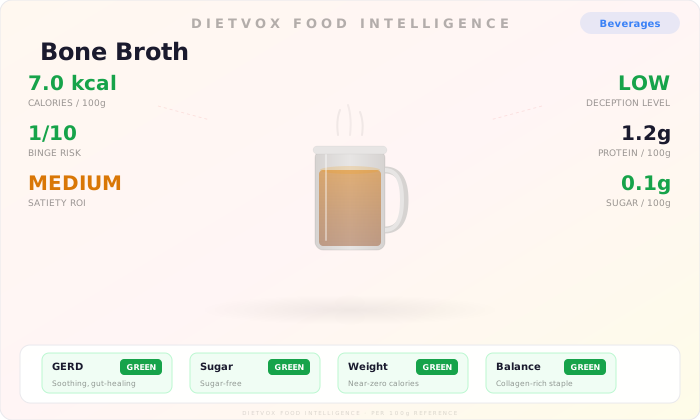
Bone Broth illustration

Bone Broth

7 kcal Beverages
GREEN GERD
GREEN Sugar
GREEN Weight
GREEN Balance
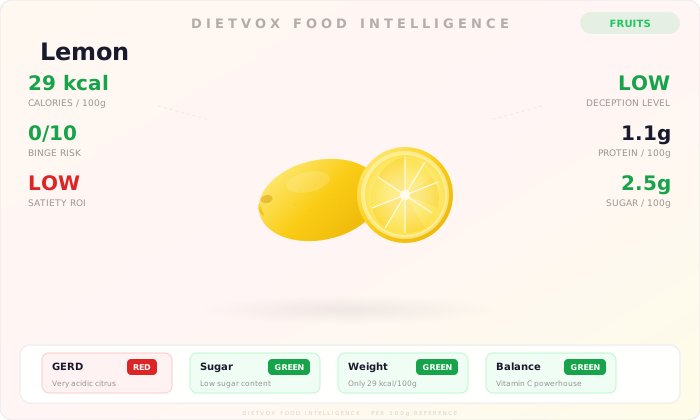
Lemon illustration

Lemon

29 kcal Fruits
RED GERD
GREEN Sugar
GREEN Weight
GREEN Balance
Ginger illustration

Ginger

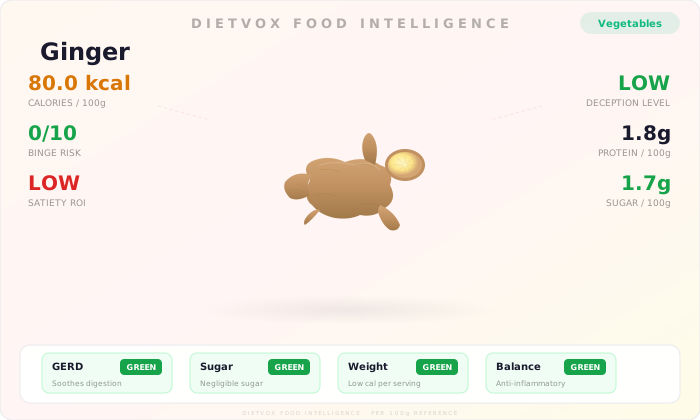
80 kcal Vegetables
GREEN GERD
GREEN Sugar
GREEN Weight
GREEN Balance

Frequently Asked Questions

How much matcha should I drink per day for weight loss?

There is no official recommended dose of matcha for weight loss. A reasonable approach is 1-2 servings per day. This provides a beneficial amount of catechins and caffeine without contributing excessive caffeine to your diet. According to the EFSA, up to 400mg of caffeine daily is safe for most adults. One serving of matcha contains 30-70mg, so 1-2 cups fit well within this guideline when considering other caffeine sources.

Will a matcha latte from a coffee shop help me lose weight?

Generally, no. Commercial matcha lattes are often very high in calories, sugar, and fat due to the use of whole milk and sugary syrups, which negates any potential weight loss benefits. For a weight loss diet, it is critical to consume matcha prepared with water or a small amount of unsweetened, low-calorie milk alternative.

Does matcha curb appetite?

Matcha itself has a very low satiety value, meaning it does not significantly reduce hunger. However, the act of drinking a warm beverage can be psychologically satisfying and help manage cravings. Additionally, staying well-hydrated with low-calorie fluids like matcha can prevent thirst from being mistaken for hunger, which may indirectly help control appetite.

Is ceremonial grade matcha better for weight loss than culinary grade?

From a nutritional and metabolic standpoint, there is no significant difference between ceremonial and culinary grade matcha for weight loss. Both are made from ground tea leaves and contain similar levels of caffeine and catechins. The primary difference is in flavour, colour, and texture, with ceremonial grade being smoother and intended for drinking with water, while culinary grade is often used in lattes and baking. For weight loss, either is suitable as long as it is prepared without added calories.

Related Reading