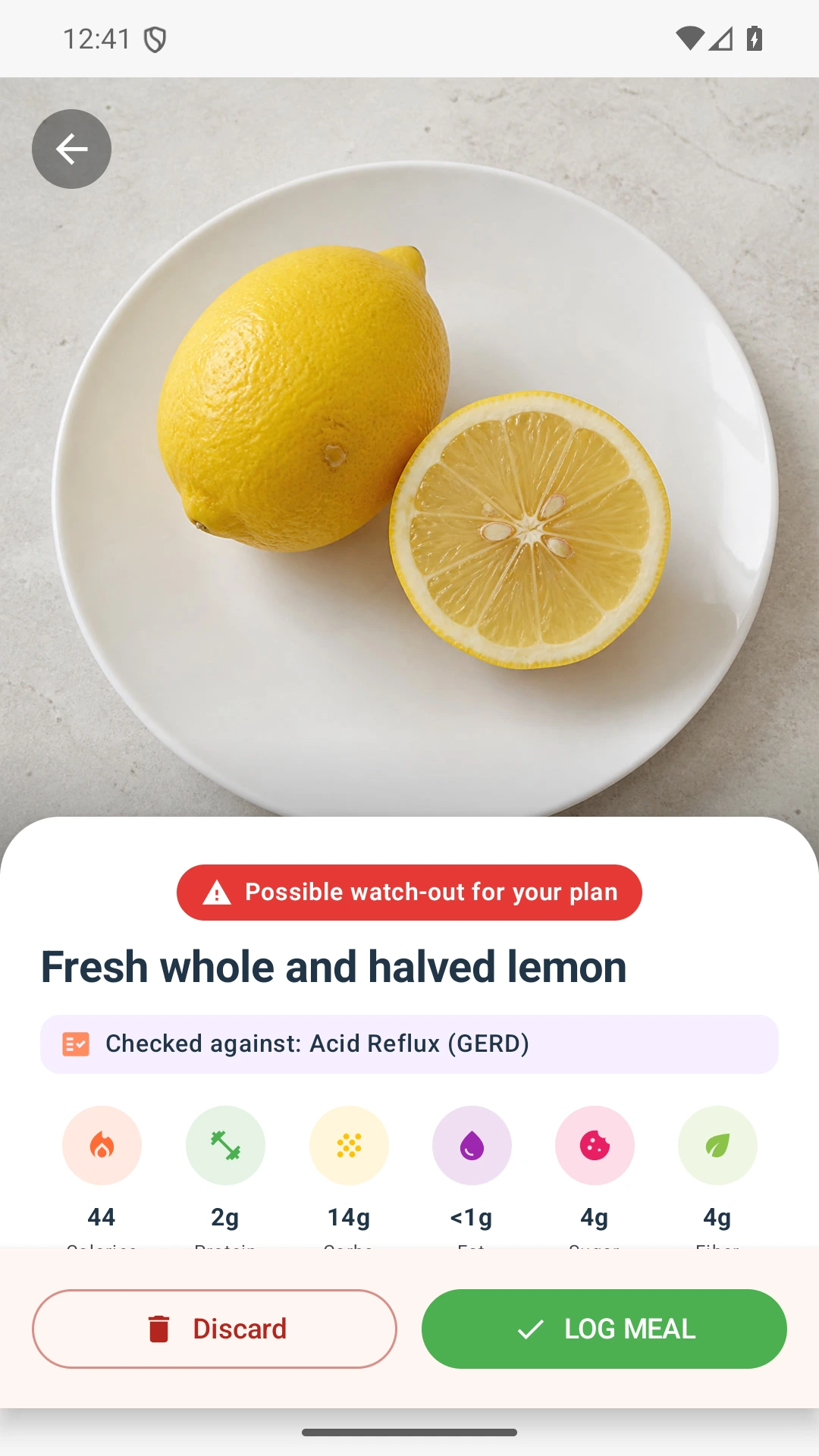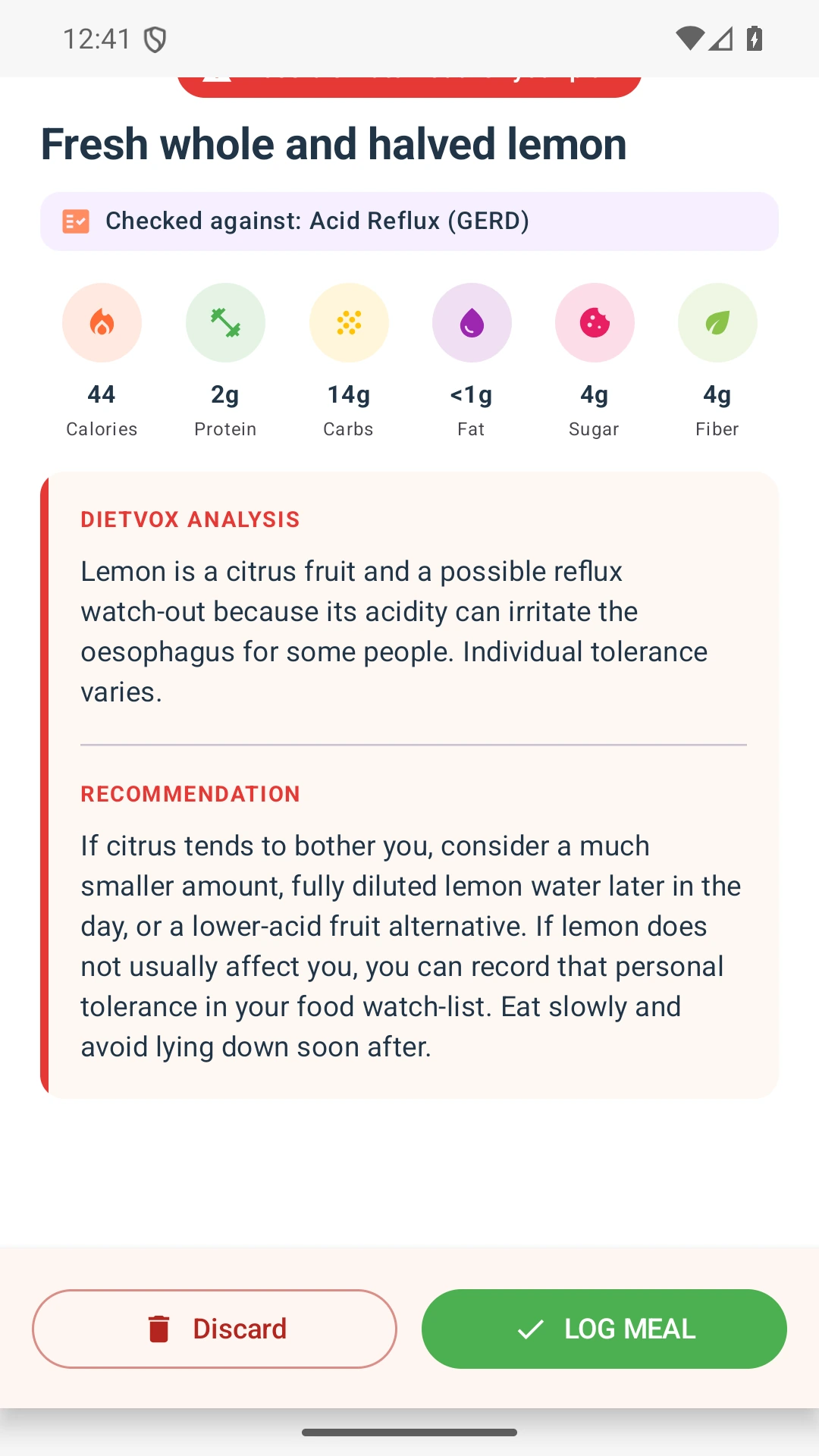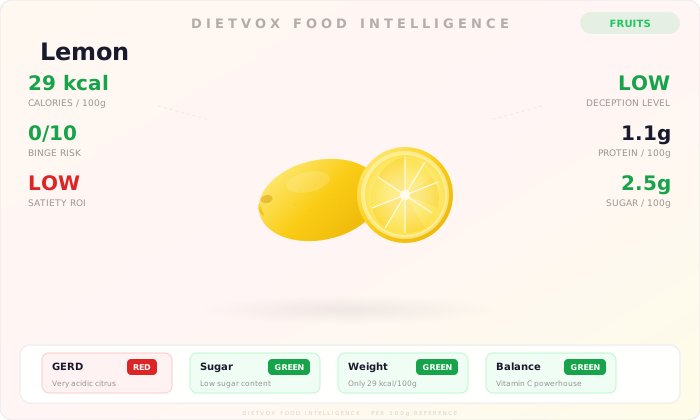
DietVox Rating: RED

For individuals managing Gastroesophageal Reflux Disease (GERD), a primary question for many foods is whether they will trigger symptoms. When it comes to this popular citrus fruit, the risk profile is clear: is lemon bad for gerd is a question with a definitive answer. DietVox classifies Lemon as a RED food on the GERD (Acid Reflux) Diet protocol. This rating signifies that lemon is a known trigger food with a high likelihood of worsening symptoms like heartburn, regurgitation, and chest pain. Its consumption is strongly discouraged for those actively managing GERD.

This RED rating is based on health guidance and the fundamental biochemistry of the fruit. Lemons are one of the most acidic fruits, and this high acidity is the primary reason for their negative impact on GERD symptoms. While celebrated for its Vitamin C content and low-calorie profile, these benefits do not negate the significant risk it poses to an already sensitive esophageal lining.

The Clinical Mechanism: Why Lemon Triggers Acid Reflux

The adverse effect of lemon on GERD is not due to a single factor but a combination of its chemical properties interacting with the pathophysiology of acid reflux. Understanding this mechanism is key to managing the condition effectively.

1. High Acidity and Direct Esophageal Irritation

The most significant factor is the exceptionally low pH of lemon. With a pH level typically between 2.0 and 2.6, lemon juice is highly acidic. The stomach is designed to handle such acidity with its protective mucous lining. However, the esophagus is not. In individuals with GERD, the Lower Esophageal Sphincter (LES) — the muscular valve between the esophagus and stomach — relaxes inappropriately, allowing stomach contents to reflux back into the esophagus American College of Gastroenterology acid reflux guidance. When highly acidic substances like lemon juice are consumed, they can directly irritate the delicate, inflamed tissues of the esophagus, causing a painful burning sensation characteristic of heartburn. This is not an allergic reaction but a direct chemical irritation.

2. Worsening of Existing Inflammation

For those with chronic GERD, the esophagus may already be inflamed (a condition known as esophagitis). Introducing a potent acid like lemon can exacerbate this inflammation, potentially delaying healing and increasing symptom severity. health guidance from health authorities like the NHS consistently recommend avoiding or limiting citrus fruits as a primary dietary strategy for managing heartburn and reflux symptoms.

Lemon's Nutritional Profile in the Context of GERD

While lemon's nutritional stats are generally positive for overall health, they must be viewed through the specific lens of the GERD protocol.

According to the USDA FoodData Central (FDC ID 167746), 100g of raw lemon contains:

  • Calories: 29 kcal
  • Carbohydrates: 9.3 g
  • Dietary Fibre: 2.8 g
  • Sugars: 2.5 g
  • Protein: 1.1 g
  • Vitamin C: 53 mg (approximately 59% of the Daily Value)

The low calorie and sugar content make lemon appealing for many diets, but for GERD, these factors are overshadowed by its acidity. The notable Vitamin C content is also a double-edged sword. Vitamin C is chemically known as ascorbic acid, which contributes to the fruit's overall low pH and irritant potential.

Debunking the Myth: Is Lemon Water 'Alkalizing'?

A pervasive myth in wellness circles suggests that drinking lemon water is 'alkalizing' for the body and can somehow help with acid reflux. This is a dangerous misunderstanding of biochemistry for GERD sufferers.

The 'alkaline-forming' theory is based on a food's Potential Renal Acid Load (PRAL) after it has been fully metabolized by the body. Once digested, the minerals in lemon can have a slightly alkalinizing effect on urine pH. However, GERD symptoms are not triggered in the kidneys or after metabolism is complete. They are triggered immediately upon consumption in the upper gastrointestinal tract.

As PubMed review of dietary acid load and alkaline water notes, the 'alkaline diet' concept has little bearing on the body's tightly regulated blood pH. For a person with GERD, the critical factor is the actual pH of the food as it passes through the esophagus. In this context, lemon is unequivocally acidic and a direct irritant.

Practical Guidance and GERD-Friendly Alternatives

Given the RED rating, the primary recommendation is strict avoidance, especially during periods of active symptoms.

  • Read Labels Carefully: Lemon juice is a common 'natural flavor' or acidulant in many processed foods, including salad dressings, marinades, sauces, beverages, and desserts. Always check the ingredient list.
  • Be Cautious in Restaurants: When dining out, be aware that lemon juice is frequently used to brighten the flavor of fish, chicken, and vegetable dishes. Don't hesitate to ask for your meal to be prepared without it.
  • Flavoring Food Safely: To add brightness to your food without triggering reflux, consider using fresh, non-acidic herbs like basil, parsley, dill, or thyme. A small amount of ginger may also be well-tolerated by some and can aid digestion.
  • Choosing Beverages: Instead of lemon water, opt for plain water, herbal teas (like chamomile or ginger), or low-fat milk. Avoid all citrus juices.

For those who believe their GERD is well-managed and wish to test their tolerance, any introduction should be done with extreme caution. This would involve a very small, highly diluted amount, monitored closely for any sign of symptoms. However, for most, the risk outweighs any potential benefit.


Disclaimer: This article is for informational purposes only and does not constitute medical advice. Always consult a healthcare provider before making changes to your diet, especially if you have a medical condition.

Scan your foods with the DietVox app to get personalized ratings based on your specific dietary needs and health goals.

Last reviewed: June 2026

How It Works

Why Lemon is Rated RED

Lemon is rated RED for the GERD (Acid reflux) diet primarily due to its extreme acidity. The mechanism for triggering symptoms is direct and well-understood:

  1. High Citric Acid Content: Lemon has a very low pH, typically ranging from 2.0 to 2.6. This potent acidity is the main culprit. Clinical bodies like the American College of Gastroenterology (ACG) identify acidic foods as common triggers for reflux symptoms.
  1. Direct Esophageal Irritation: In GERD, the protective barrier of the esophagus is often compromised or inflamed. When lemon juice comes into contact with this sensitive tissue, it acts as a direct chemical irritant, causing the painful burning sensation known as heartburn. The esophagus lacks the protective lining that allows the stomach to safely contain acid.
  1. Worsening of Reflux Events: While the primary issue is irritation from the food itself, consuming highly acidic items can make any reflux event more painful and damaging. The combination of stomach acid and the added acid from the lemon creates a more caustic mixture that can splash back into the esophagus.

Scan any food. Get an instant RED/AMBER/GREEN rating.

DietVox analyses every food across 4 diet protocols — no guesswork.

Try DietVox Free →

Try These Instead

Safer alternatives that won't trigger your symptoms.

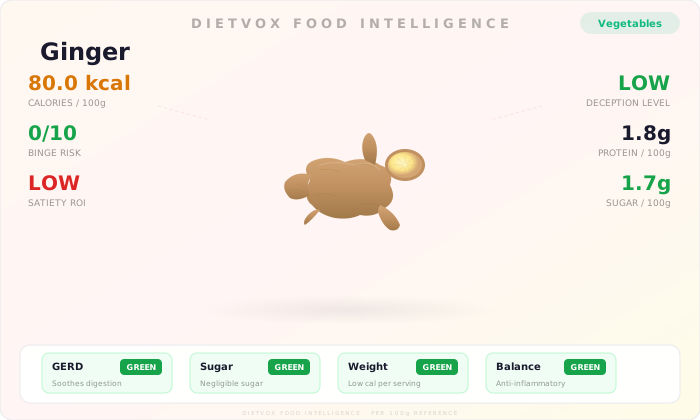
Ginger illustration

Ginger

80 kcal Vegetables
GREEN GERD
GREEN Sugar
GREEN Weight
GREEN Balance
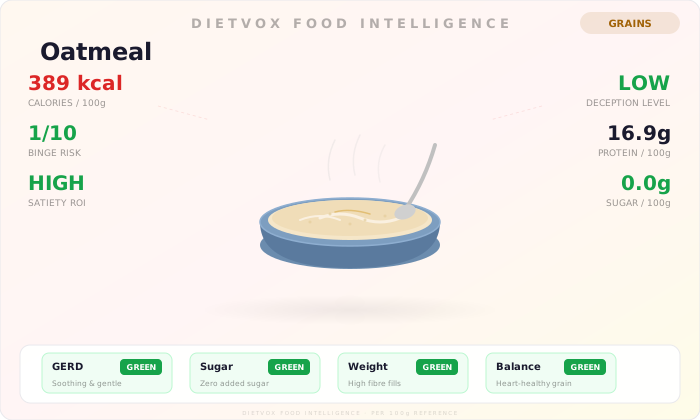
Oatmeal illustration

Oatmeal

389 kcal Grains
GREEN GERD
GREEN Sugar
GREEN Weight
GREEN Balance
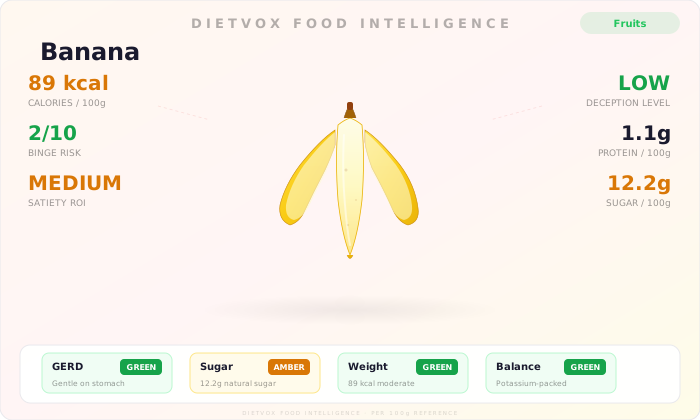
Banana illustration

Banana

89 kcal Fruits
GREEN GERD
AMBER Sugar
AMBER Weight
GREEN Balance

Frequently Asked Questions

What about lemon water for GERD? Is it safe if diluted?

Even when diluted in water, lemon remains highly acidic and is likely to trigger GERD symptoms in sensitive individuals. While dilution reduces the concentration of citric acid, it does not neutralize it. For those with an inflamed esophagus, even this reduced acidity can be enough to cause irritation and heartburn. It is best to avoid lemon water entirely when managing acid reflux.

Doesn't lemon become alkaline in the body?

This is a common misconception. The theory refers to the 'ash' left after lemon is metabolized, which can have an alkaline effect on urine pH. However, GERD symptoms occur in the esophagus long before this metabolic process is complete. The immediate effect of lemon on the esophagus is highly acidic and irritating. For managing GERD, the food's initial pH is what matters, not its post-metabolic effect.

How can I get enough Vitamin C on a GERD diet if I can't eat lemons?

Many GERD-friendly foods are excellent sources of Vitamin C. Consider incorporating low-acid options such as cantaloupe, honeydew melon, papaya, bell peppers (all colors), broccoli, and potatoes into your diet. These foods provide ample Vitamin C without the high acidity that triggers reflux.

Are Meyer lemons or other 'sweet' lemons okay for acid reflux?

Meyer lemons are a cross between a lemon and a mandarin orange and are known to be less tart and acidic than standard lemons like Eureka or Lisbon. However, they are still acidic fruits with a pH well below neutral. While they may be slightly better tolerated than regular lemons, they are still considered a risk for triggering GERD symptoms and should be approached with extreme caution or avoided altogether.

Related Reading