DietVox Rating: GREEN
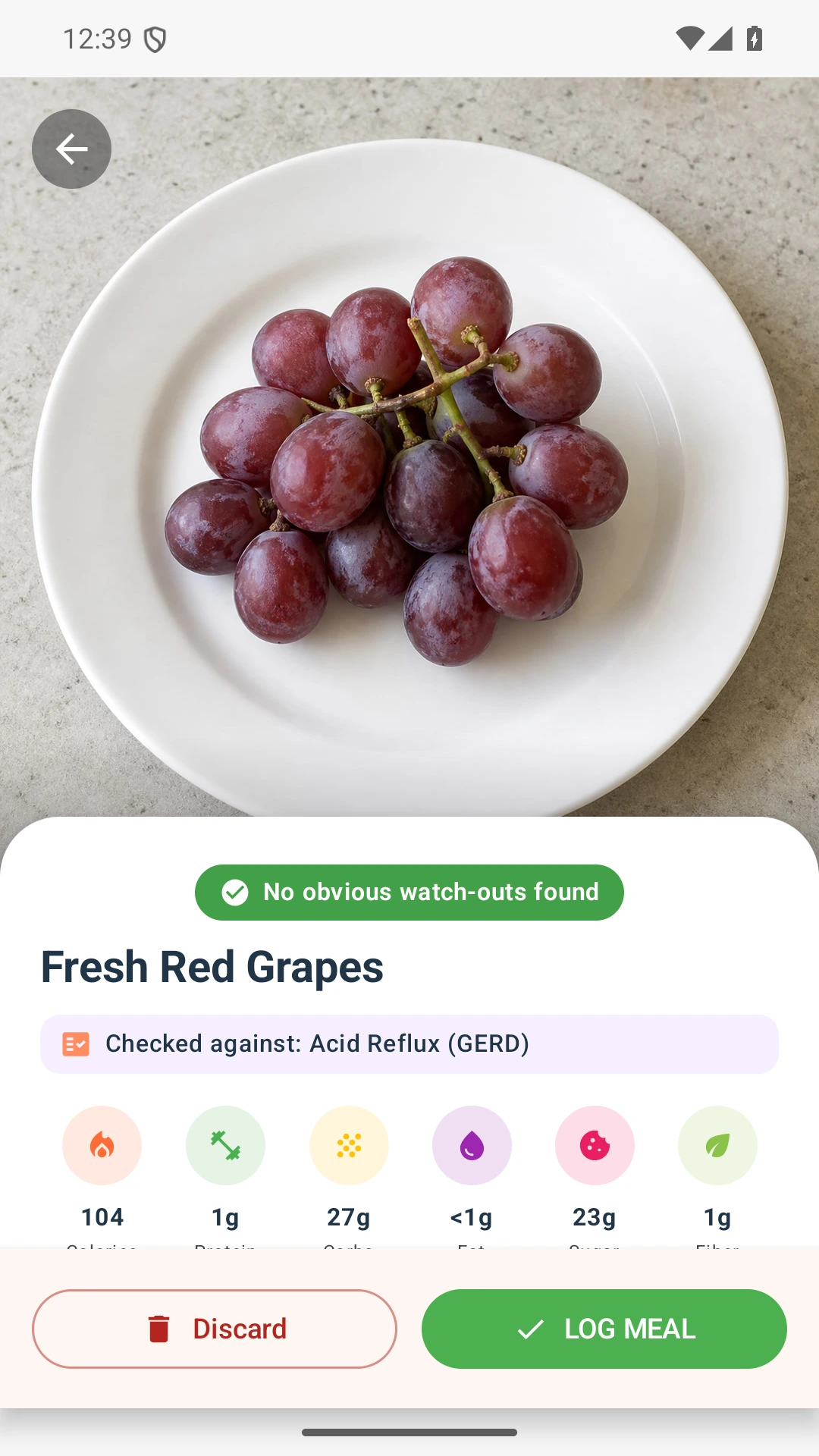
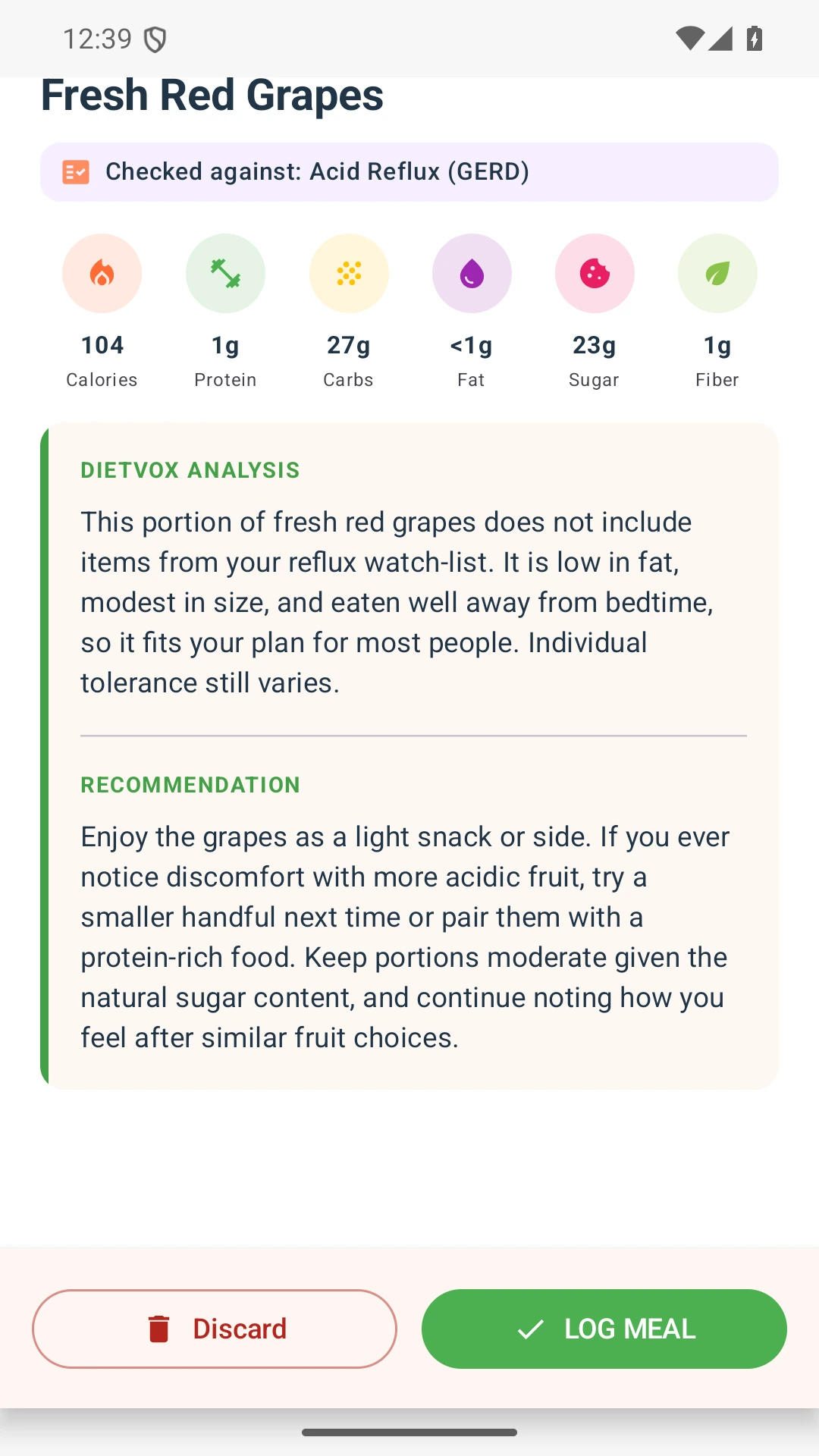
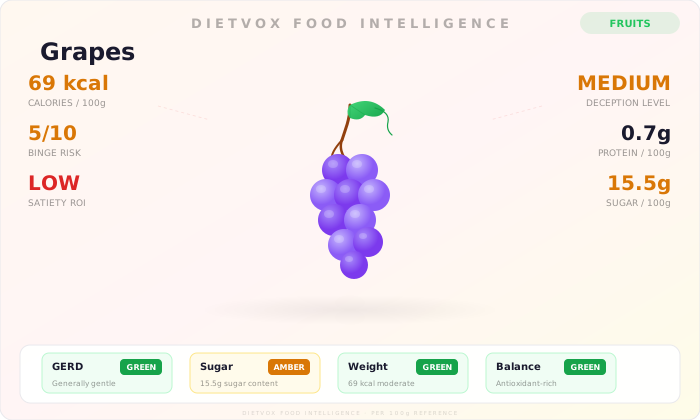
For individuals managing Gastroesophageal Reflux Disease (GERD), the question are grapes good for gerd is a frequent concern. DietVox assigns grapes a GREEN rating for a GERD diet. This rating indicates that grapes are generally considered safe and are unlikely to trigger reflux symptoms for most people when consumed in moderation as part of a balanced diet. A GREEN rating signifies a food that aligns well with the dietary principles for managing acid reflux.
This source-reviewed rating is based on the nutritional composition of grapes and their known physiological effects on the digestive system. Specifically, their low-fat content, moderate fibre, and high water content contribute to their favourable profile for GERD management. However, individual tolerance can vary, and mindful consumption is always recommended.
Nutritional Profile of Grapes for GERD Management
Understanding the nutritional composition of grapes is key to appreciating why they are suitable for a GERD diet. According to the USDA FoodData Central (FDC ID 174682), a standard 100-gram serving of raw grapes contains:
- Calories: 69 kcal
- Fat: 0.2g
- Carbohydrates: 18.1g
- Sugars: 15.5g
- Dietary Fibre: 0.9g
- Protein: 0.7g
Two factors in this profile are particularly relevant for GERD. First, the extremely low fat content (0.2g) is a significant advantage. Dietary fat is a well-established trigger for acid reflux as it can delay gastric emptying and relax the lower esophageal sphincter (LES), the muscular valve that prevents stomach acid from flowing back into the esophagus American College of Gastroenterology acid reflux guidance. Second, the presence of dietary fibre, although modest, supports overall digestive health, which can indirectly benefit GERD symptoms.
The Role of Grapes in an Acid Reflux Diet
The suitability of grapes for a GERD diet goes beyond just their low-fat status. Several properties work together to make them a safe choice for most.
Acidity and pH Balance
A common concern with fruit is its acidity. Grapes are mildly acidic, with a pH typically ranging from 3.5 to 4.5. While this is acidic, it is considerably less so than high-acid citrus fruits like lemons (pH 2-3) or oranges (pH 3.7-4.3), which are common reflux triggers Harvard Health Publishing. Furthermore, grapes have a very high water content (over 80%). This water can help dilute stomach acid, potentially providing a gentle buffering effect that mitigates their own mild acidity. For this reason, non-citrus fruits like grapes are often recommended as part of a GERD-friendly diet.
Fibre Content and Digestion
While not a high-fibre food, the 0.9g of fibre per 100g in grapes contributes to your daily intake. Sufficient dietary fibre is associated with improved digestive motility. source review listed in clinical journals available through PubMed suggests that diets adequate in fibre can help reduce GERD symptoms by promoting regular stomach emptying. When the stomach empties efficiently, there is less opportunity for acid to be pushed back into the esophagus.
Antioxidants and Overall Health
Grapes, particularly red and purple varieties, are rich in antioxidants like resveratrol and flavonoids. While these compounds do not directly treat GERD, they help reduce systemic inflammation. Chronic acid exposure can cause inflammation in the esophagus (esophagitis), and a diet rich in anti-inflammatory foods supports the body's overall health and healing processes WHO.
Practical Tips for Including Grapes in Your GERD Diet
To best incorporate grapes into your GERD management plan without triggering symptoms, consider the following practical strategies:
- Practice Portion Control: While grapes are safe, overeating any food can increase stomach volume and pressure, potentially leading to reflux. A standard serving size, such as one cup (approximately 150 grams), is a sensible starting point.
- Avoid an Empty Stomach: As noted in our rating, eating grapes on a completely empty stomach might cause discomfort for highly sensitive individuals due to their mild acidity. It's often better to pair them with other GERD-friendly foods. For example, add them to a bowl of oatmeal or a serving of low-fat Greek yogurt. These foods can help buffer the acid.
- Choose Ripe Grapes: Riper grapes are typically sweeter and may be slightly less acidic than underripe, tart ones. If you are sensitive, opt for grapes that are fully ripened.
- Stay with Whole Fruit: Avoid processed grape products. Grape juice is stripped of its fibre and is a concentrated source of sugar and acid, making it much more likely to trigger reflux than the whole fruit. The American College of Gastroenterology (ACG) guidelines often recommend focusing on whole foods over processed juices and beverages for GERD management.
Addressing Common Concerns and Misconceptions
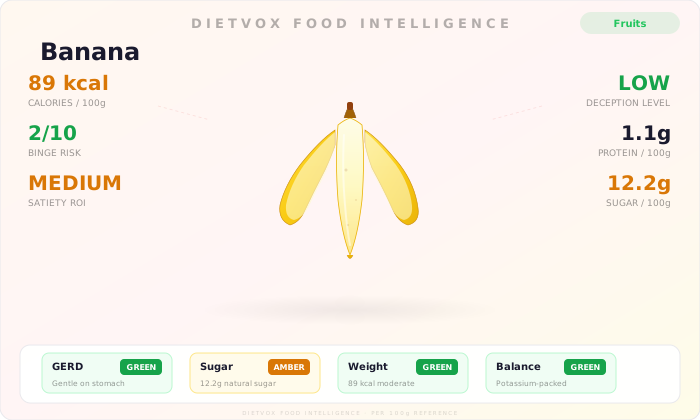
Misconception: "All fruits are too acidic for GERD." This is a common oversimplification. Clinical guidance from sources like the NHS and Mayo Clinic clearly distinguishes between citrus and non-citrus fruits. While citrus fruits are common triggers, many other fruits like grapes, bananas, melons, and pears are generally well-tolerated and form part of a healthy GERD diet.
Concern: "Will grapes cause bloating that worsens my reflux?" Grapes contain fructose, a natural sugar. For some individuals, particularly those with fructose malabsorption, consuming grapes can lead to gas and bloating. This bloating increases intra-abdominal pressure, which can push stomach contents upward and worsen reflux. This is an individual sensitivity and not a universal effect. If you notice this pattern, you may need to limit your intake.
Disclaimer: This article is for informational purposes only and does not constitute medical advice. Always consult a healthcare provider before making changes to your diet, especially if you have a medical condition.
Scan your foods with the DietVox app to get personalized ratings based on your specific dietary needs and health goals.
Last reviewed: June 2026
How It Works
Why Grapes are Rated GREEN
Grapes earn a GREEN rating for a GERD diet due to a combination of three key nutritional and physiological factors that align with best practices for reflux management:
- Extremely Low Fat Content: With only 0.2g of fat per 100g, grapes do not trigger one of the primary mechanisms of acid reflux. High-fat foods are known to delay stomach emptying and relax the lower esophageal sphincter (LES), creating an opportunity for acid to escape into the esophagus. The negligible fat in grapes helps ensure the LES remains properly closed American College of Gastroenterology (ACG).
- Favourable Acidity and Water Profile: Grapes are a non-citrus fruit with only mild acidity. Crucially, their high water content (over 80%) helps dilute stomach acid upon consumption. This effect can offset their inherent acidity, making them much safer than acidic, lower-water foods. This is why sources like the American College of Gastroenterology acid reflux guidance recommend non-citrus fruits for GERD.
- Source of Dietary Fibre: The fibre in grapes, while modest, aids in promoting healthy gastric motility. A digestive system that moves food efficiently from the stomach to the small intestine reduces the volume and time food spends in the stomach, thereby lowering the risk of reflux events. direct source support supports the role of a fibre-adequate diet in GERD symptom management PubMed.
In summary, the combined effect of being low-fat, high in water, and containing beneficial fibre makes grapes a well-tolerated and suitable fruit for most people following a GERD diet.
Scan any food. Get an instant RED/AMBER/GREEN rating.
DietVox analyses every food across 4 diet protocols — no guesswork.
Try DietVox Free →Try These Instead
Safer alternatives that won't trigger your symptoms.
Frequently Asked Questions
Can I eat Grapes on a gerd (acid reflux) diet?
DietVox rates Grapes GREEN for a GERD (acid reflux) diet. Grapes are mildly acidic but generally well-tolerated in moderate portions. Their low-fat, high-water, and fibre content make them a suitable choice for most people managing reflux. Avoid on an empty stomach if sensitive.
Are red or green grapes better for acid reflux?
There is no significant direct source support to suggest a major difference between red and green grapes for GERD. Both are low in fat and mildly acidic. The most important factors are ripeness and your personal tolerance. Choose ripe grapes of any color and monitor your symptoms.
Can I drink grape juice if I have GERD?
It is generally not recommended to drink grape juice on a GERD diet. Juice is more concentrated in sugar and acid than whole grapes and lacks the beneficial fibre that helps buffer stomach acid and aid digestion. The American College of Gastroenterology acid reflux guidance advises choosing whole fruits over fruit juices for GERD management.
What is a safe portion size for grapes with GERD?
A moderate portion, such as one cup (about 150g), is a good starting point. Paying attention to your body's response is crucial. Consuming very large quantities of any food at once can increase stomach pressure and potentially trigger symptoms.
Should I avoid grapes if they give me gas?
If you find grapes cause gas or bloating, it may be due to their fructose content, a condition known as fructose malabsorption. This bloating can increase pressure on the stomach and worsen reflux symptoms for some individuals. If you experience this, it's best to limit your intake or avoid them, even though they are rated GREEN for their direct impact on acid reflux mechanisms.