DietVox Rating: RED
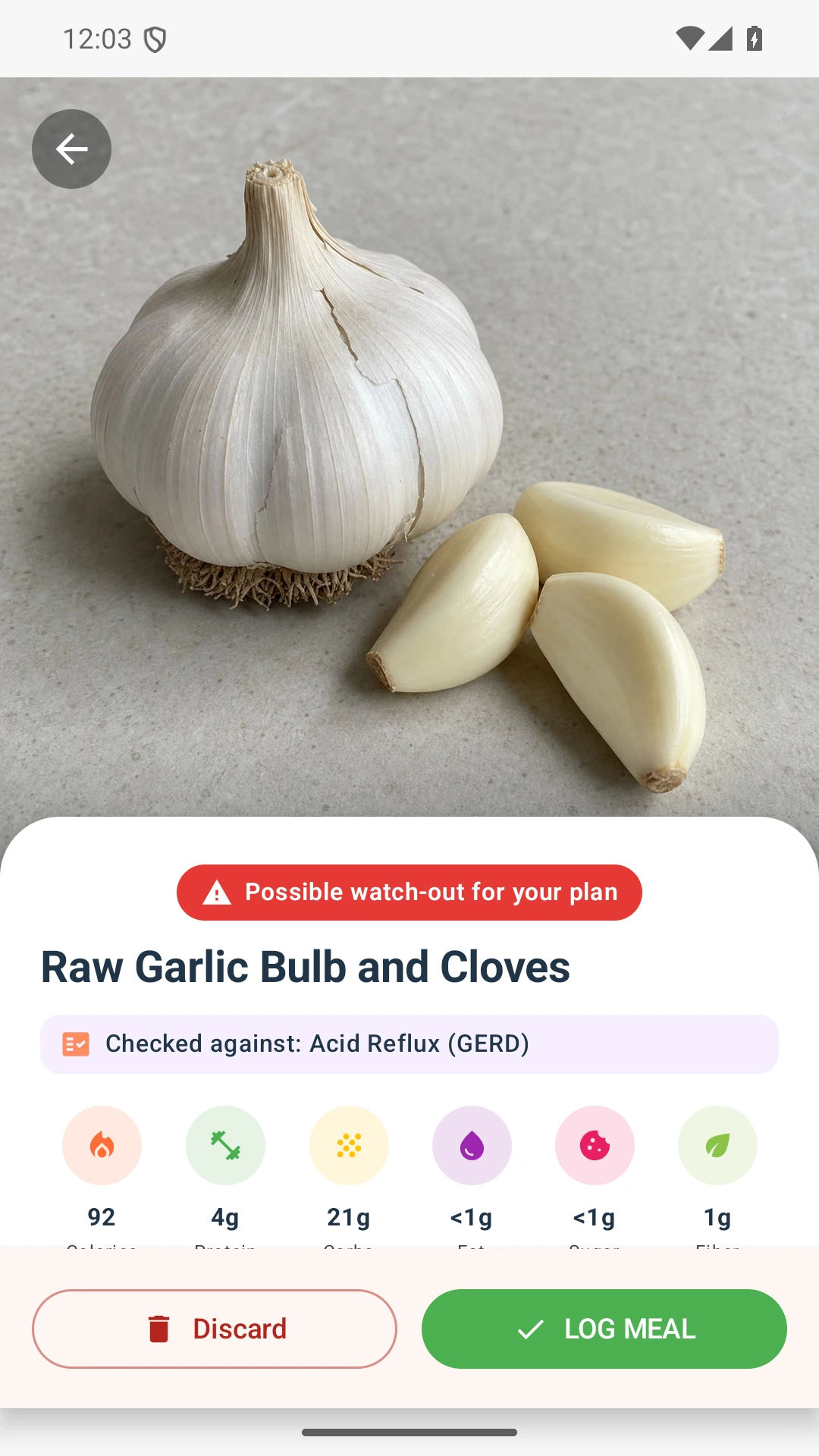
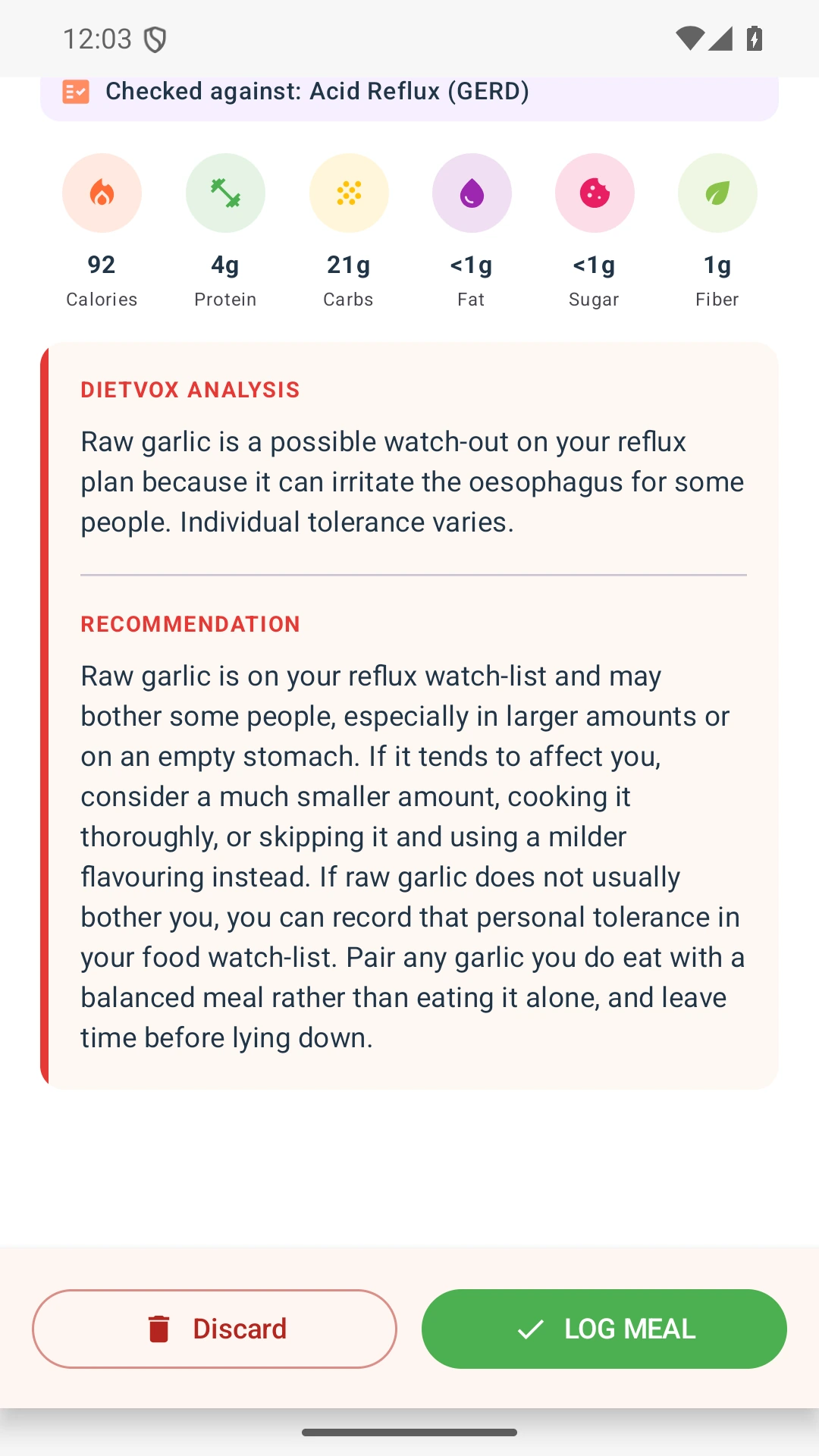
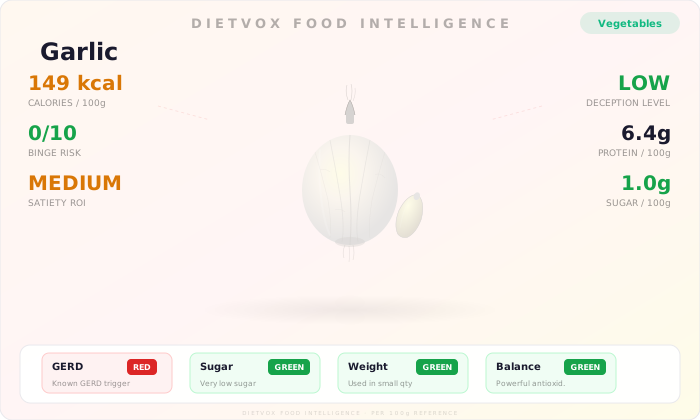
Verdict: Garlic is rated RED for the GERD (Acid Reflux) Diet, indicating it is a common trigger food that should be avoided by most individuals following this protocol. For those managing Gastroesophageal Reflux Disease, a primary question is often is garlic bad for gerd, and the available guidance supports caution for many people with reflux. While valued for its flavour and potential health benefits in a general diet, garlic contains specific compounds that can actively worsen reflux symptoms through multiple mechanisms. These include relaxing the valve that protects the oesophagus from stomach acid and directly irritating the digestive tract lining.
This RED rating is based on health guidance and patient-reported data that consistently identify garlic, particularly in its raw form, as a significant contributor to heartburn and regurgitation American College of Gastroenterology acid reflux guidance. While individual tolerance can vary, our protocol advises initial elimination to effectively manage symptoms.
Why This Matters: Why Garlic Triggers GERD Symptoms
The classification of garlic as a RED food for GERD is not arbitrary; it is rooted in its biochemical properties and their effects on the upper digestive system. There are three primary mechanisms through which garlic can provoke or exacerbate acid reflux.
Mechanism 1: Relaxation of the Lower Esophageal Sphincter (LES)
The lower esophageal sphincter (LES) is a muscular ring at the junction of the oesophagus and stomach. Its primary function is to act as a one-way valve, opening to allow food to pass into the stomach and closing to prevent acidic stomach contents from flowing back up. GERD symptoms occur when this valve weakens or relaxes inappropriately, a condition known as transient LES relaxation (TLESR).
Garlic, along with onions, contains organosulphur compounds (such as allicin and its derivatives) that are believed to trigger TLESRs. By causing the LES to relax, garlic allows stomach acid to splash back into the oesophagus, leading to the characteristic burning sensation of heartburn Harvard Health Publishing. This is the most direct way garlic contributes to GERD.
Mechanism 2: Direct Irritation of the Esophagus and Stomach
For individuals with GERD, the lining of the oesophagus is often inflamed and sensitive due to repeated exposure to stomach acid. Pungent and spicy foods can act as direct irritants to this already compromised tissue. The potent compounds in garlic can cause a burning sensation in the chest or stomach that mimics or worsens heartburn, even without a significant reflux event NHS. This is particularly true for raw garlic, which has the highest concentration of these irritant compounds.
Mechanism 3: Fructans, Gas, and Abdominal Pressure
Garlic is a concentrated source of fructans, a type of fermentable carbohydrate known as a FODMAP (Fermentable Oligosaccharides, Disaccharides, Monosaccharides, and Polyols). In sensitive individuals, fructans are not well absorbed in the small intestine and travel to the large intestine, where they are fermented by gut bacteria. This process can produce significant gas, leading to bloating and abdominal distension.
This increase in intra-abdominal pressure can physically push on the stomach, compromising the function of the LES and forcing stomach contents upward into the oesophagus. There is a notable overlap in patients who suffer from both GERD and Irritable Bowel Syndrome (IBS), where high-FODMAP foods like garlic are known triggers PubMed / NIH.
Nutritional Profile in the Context of a GERD Diet
Analysing garlic's nutritional data from a GERD perspective reveals a mixed but ultimately clear picture. Per 100g, raw garlic contains:
- Calories: 149.0 kcal
- Fat: 0.5g
- Carbohydrates: 33.1g
- Protein: 6.4g
Source: USDA FoodData Central (FDC ID 169230)
The extremely low fat content (0.5g) is a positive attribute for a GERD diet, as high-fat meals are a well-documented trigger known to delay stomach emptying and relax the LES American College of Gastroenterology. However, this benefit is completely overshadowed by the problematic sulphur compounds and fructans. The caloric density is low, but as garlic is used as a flavouring, its caloric contribution is typically negligible. A single clove (approx. 3g) has only about 4.5 kcal, yet this small amount is often enough to trigger severe symptoms.
Raw vs. Cooked Garlic: Does Cooking Help?
A common belief is that cooked garlic is less likely to cause reflux than raw garlic. There is some scientific basis for this. The compound allicin, a major source of garlic's pungency and a potential irritant, is formed when raw garlic is crushed or chopped. Heat deactivates the enzyme alliinase, preventing allicin formation and breaking down existing sulphur compounds. This can make cooked garlic milder and potentially less irritating for some people.
However, this is not a universal solution. Many of the underlying trigger compounds remain even after cooking. For individuals with high sensitivity, even well-cooked garlic can still relax the LES or cause gas and bloating. Therefore, the DietVox protocol for GERD recommends eliminating all forms of garlic initially. Only after a successful elimination phase should one consider cautiously reintroducing a small amount of thoroughly cooked garlic to test personal tolerance.
Practical Strategies for Managing Garlic on a GERD Diet
Given its RED rating, navigating a diet without garlic can be challenging but is crucial for symptom management.
Step 1: The Elimination Phase
To determine if garlic is a personal trigger, a strict elimination for a period of 2-4 weeks is recommended. This means avoiding all forms of garlic, including fresh, powdered, and granulated. During this time, keep a detailed food and symptom diary to track your progress. A significant reduction in heartburn, regurgitation, or bloating can confirm garlic's role as a trigger.
Step 2: Reading Labels and Dining Out
Garlic is a ubiquitous ingredient in processed foods. Be vigilant in reading ingredient lists on sauces, marinades, soups, frozen meals, and spice blends. Terms like "spices" or "natural flavourings" can sometimes include garlic. When dining out, do not hesitate to inform your server about your dietary restriction. Request dishes to be prepared without garlic, and opt for simpler preparations like grilled or steamed items with olive oil, salt, and GERD-friendly herbs.
Step 3: Finding Flavour Alternatives
Removing garlic doesn't mean your food has to be bland. Explore a world of GERD-friendly aromatics:
- Fresh Herbs: Basil, parsley, cilantro, dill, oregano, and thyme can add immense flavour without triggering reflux.
- Spices: Cumin, coriander, and turmeric are generally well-tolerated.
- Fennel & Celery: Finely chopped and sautéed, these can provide a savoury base for soups and stews.
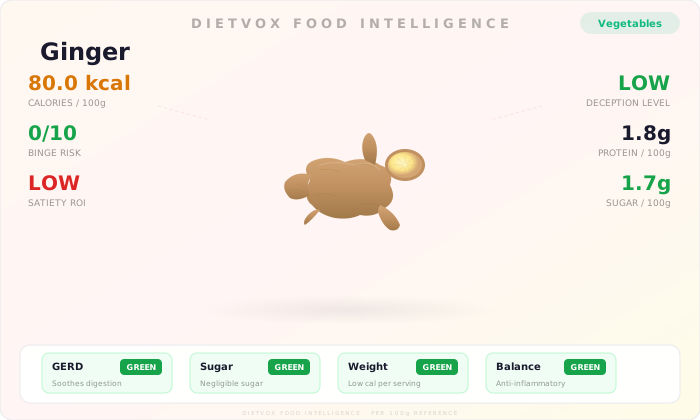
- Ginger: In small amounts, fresh ginger can be soothing for the stomach and adds a pleasant, warm spice.
The Bottom Line
Garlic is rated RED for the GERD (Acid Reflux) Diet due to available guidance that its compounds can relax the lower esophageal sphincter, directly irritate the digestive tract, and cause gas and bloating that worsen reflux. While an integral part of many cuisines and possessing health benefits for the general population, its properties make it a high-risk food for those actively managing GERD. A period of strict elimination followed by careful, systematic reintroduction (if desired) is the most effective strategy to determine your personal tolerance.
Disclaimer: This article is for informational purposes only and does not constitute medical advice. Always consult a healthcare provider before making changes to your diet, especially if you have a medical condition.
Scan your foods with the DietVox app to get personalized ratings based on your specific dietary needs and health goals.
Last reviewed: June 2026
How It Works
Why Garlic is Rated RED
Garlic is rated RED for the GERD (Acid reflux) Diet due to three primary rating factors:
- LES Relaxation: Garlic contains sulphur compounds, such as allicin, which are known to relax the lower esophageal sphincter (LES). This muscular valve is responsible for keeping stomach acid from entering the oesophagus. A relaxed LES allows for acid reflux, causing heartburn American College of Gastroenterology acid reflux guidance.
- Direct Mucosal Irritation: The potent and pungent compounds in garlic can directly irritate the sensitive lining of the oesophagus and stomach, which may already be inflamed in individuals with GERD. This can cause a burning sensation independent of an actual reflux event NHS.
- Gas and Bloating: As a food high in fructans (a type of FODMAP), garlic can ferment in the gut of sensitive individuals, producing gas. The resulting bloating increases intra-abdominal pressure, which can physically push stomach contents upward and promote reflux PubMed / NIH.
Scan any food. Get an instant RED/AMBER/GREEN rating.
DietVox analyses every food across 4 diet protocols — no guesswork.
Try DietVox Free →Try These Instead
Safer alternatives that won't trigger your symptoms.
Frequently Asked Questions
Why is cooked garlic sometimes tolerated better than raw garlic for GERD?
Cooking garlic can alter some of its potent sulphur compounds. Specifically, heat deactivates the enzyme that creates allicin, the primary pungent compound in raw garlic. This process can make cooked garlic milder and less irritating to the digestive tract for some individuals. However, many trigger compounds remain, so even cooked garlic can still cause symptoms and is not considered safe for everyone on a GERD diet.
Are garlic powder and garlic salt also bad for GERD?
Yes, garlic powder and garlic salt are also rated RED for the GERD diet. These products are made from dehydrated garlic and contain the same trigger compounds as fresh garlic. Because they are concentrated, a small amount can be enough to provoke symptoms like heartburn and regurgitation. It is essential to avoid all forms of garlic during an elimination diet.
I ate garlic and didn't have symptoms. Do I still need to avoid it?
GERD triggers are highly individual. While garlic is a very common trigger for a majority of people with acid reflux, not everyone will react to it. If you have systematically tested garlic (after an initial elimination period) and can consume it without any noticeable symptoms, you may not need to avoid it. The key is to use a food and symptom diary to make an informed decision based on your own body's response, as recommended by clinical sources like the NHS.
What are some good flavour substitutes for garlic on a GERD diet?
To replace the savoury depth of garlic, you can use several GERD-friendly alternatives. Sautéing finely chopped fennel, celery, or carrot can create a flavourful base for soups and sauces. Fresh herbs like basil, oregano, thyme, and parsley add brightness. For a hint of spice, a small amount of fresh ginger is often well-tolerated and can have soothing properties. Experimenting with these can help you create delicious meals without triggering reflux.