DietVox Rating: RED

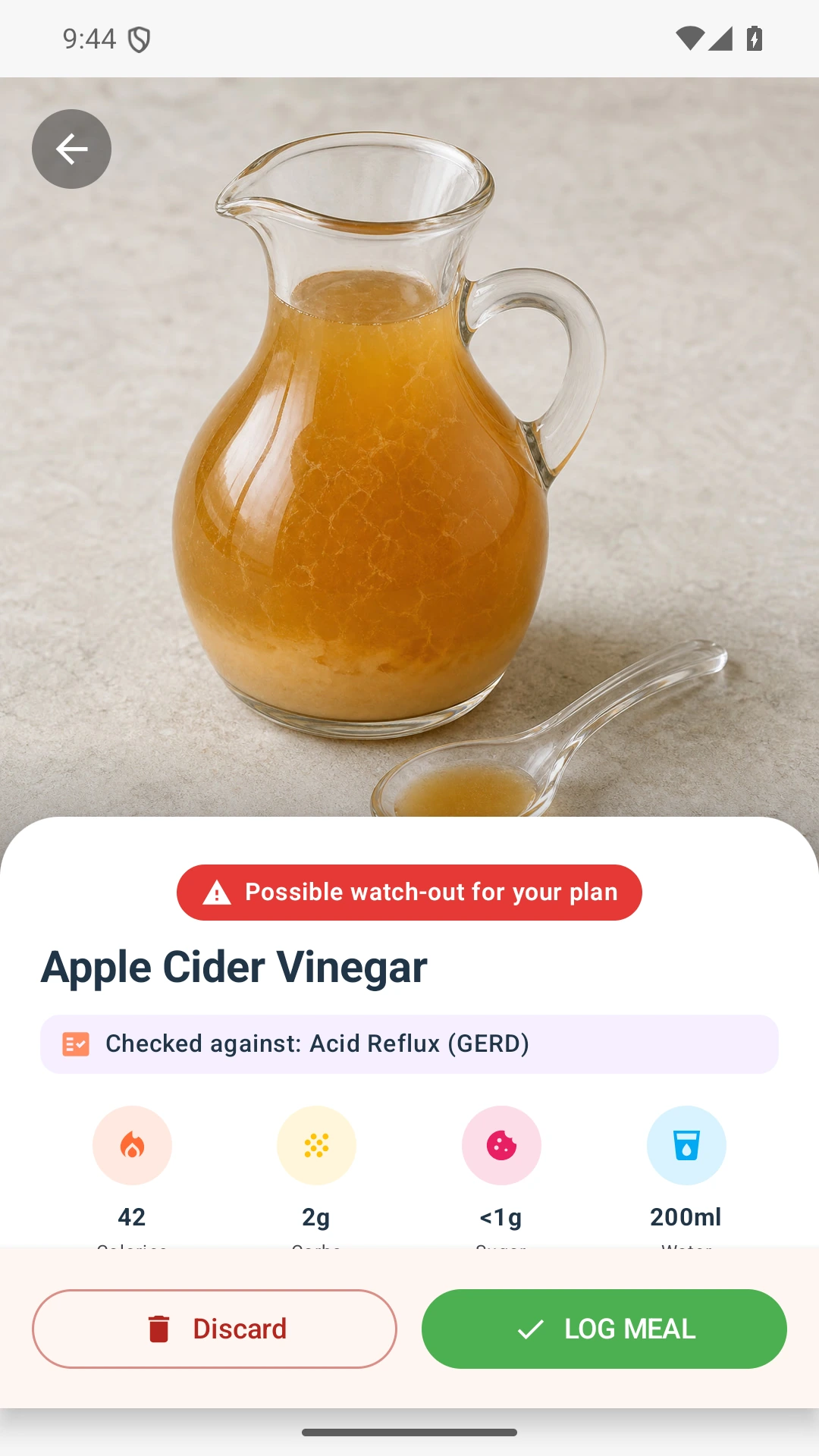
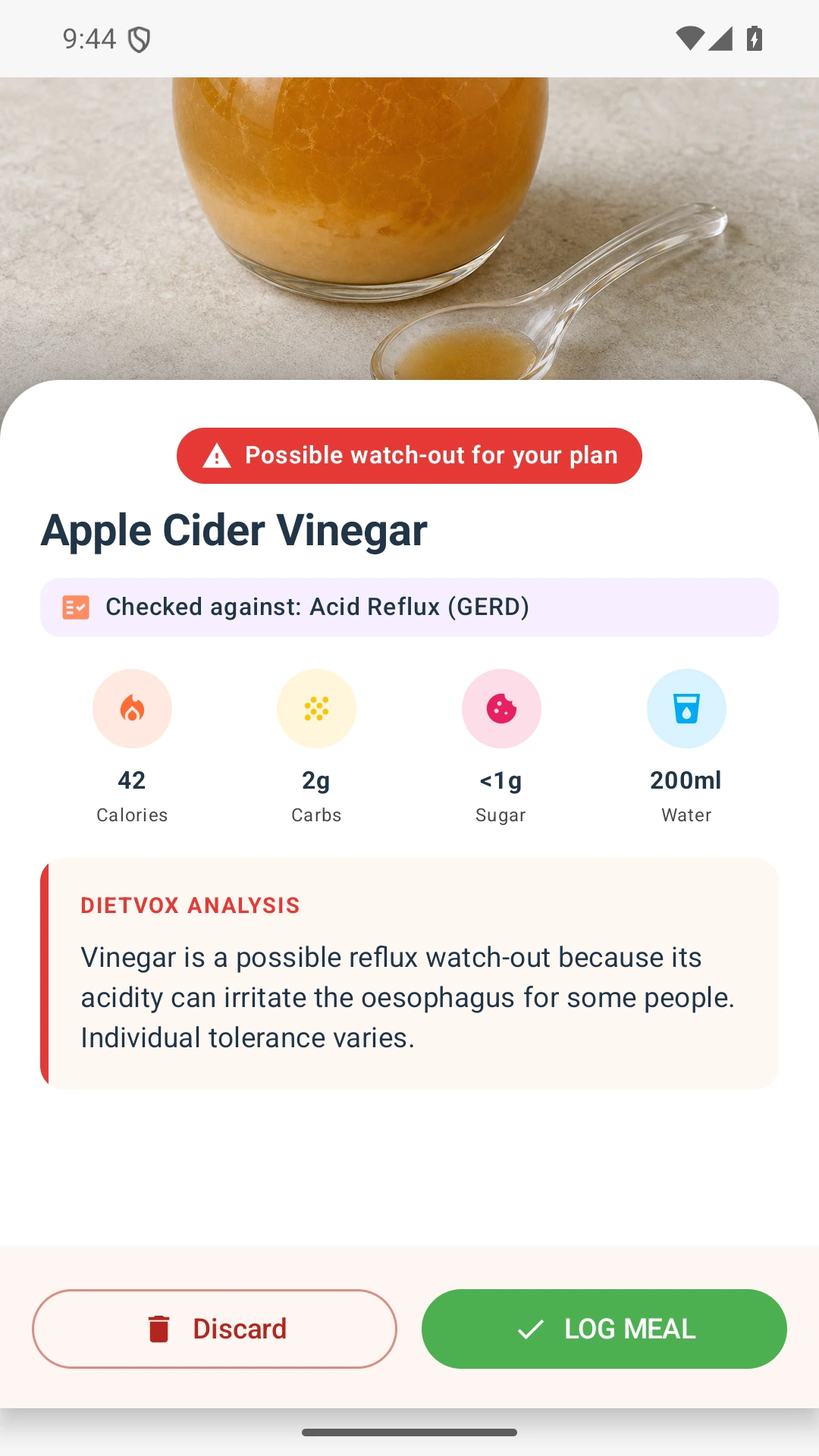
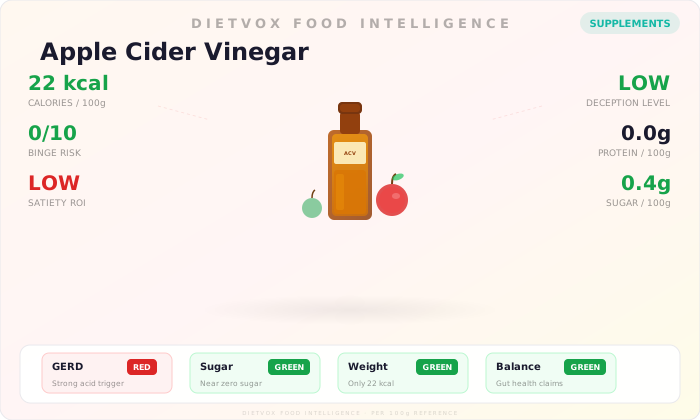
Apple Cider Vinegar is rated RED for the GERD (Acid Reflux) Diet, meaning it should be avoided. Its high acidity is a known irritant to the oesophagus and is likely to worsen symptoms.

Despite its popularity in wellness circles, the answer to the question, is apple cider vinegar bad for gerd, is a definitive yes according to health guidance. The fundamental issue is its chemical nature. Apple cider vinegar (ACV) is a potent acid that can directly aggravate the sensitive tissues of the oesophagus, which are often already inflamed in individuals with Gastroesophageal Reflux Disease (GERD). While many anecdotal reports claim it provides relief, these are not supported by robust direct source support. Major health organisations, including the NHS and the American College of Gastroenterology acid reflux guidance, recommend avoiding acidic foods to manage GERD symptoms, placing ACV firmly in the category of foods to avoid.

This DietVox analysis will break down the reasons behind our RED rating, deconstruct the common myths surrounding ACV and acid reflux, and provide practical strategies for managing your diet effectively.

Why This Matters: Why ACV is a GERD Trigger

The recommendation to avoid apple cider vinegar on a GERD diet is not arbitrary; it is based on the physiological mechanisms of acid reflux and the chemical properties of vinegar itself.

Direct Oesophageal Irritation

The primary reason ACV is problematic for GERD is its high acidity. Apple cider vinegar has a pH level typically ranging from 2 to 3, which is highly acidic PubMed. The lining of your stomach is specially adapted to handle strong acids like hydrochloric acid. However, the lining of your oesophagus is not. When acid from the stomach refluxes into the oesophagus, it causes the painful, burning sensation known as heartburn. Consuming a highly acidic substance like ACV introduces more acid into the system, which can directly cause chemical irritation and inflammation to the already-sensitised oesophageal lining. The American College of Gastroenterology (ACG) health guidance emphasise that damage to the oesophagus is caused by exposure to acidic gastric contents, a situation that adding more acid can only exacerbate.

The Myth of 'Balancing' Stomach Acid

A prevalent online theory suggests that GERD is caused by too little stomach acid (hypochlorhydria), and that consuming ACV helps by increasing acidity, which in turn signals the lower oesophageal sphincter (LES) to close properly. There is a significant lack of high-quality direct source support to support this hypothesis Harvard Health Publishing. Most cases of GERD are related to a dysfunctional or weakened LES that relaxes inappropriately, allowing stomach contents to flow back up, regardless of the precise acid level in the stomach. Introducing a strong acid like ACV into this dynamic is not a recognised treatment and contradicts standard dietary advice from gastroenterology experts.

Potential to Delay Gastric Emptying

Some source review indicates that vinegar may slow the rate at which food leaves the stomach (gastric emptying). A source review listed on PubMed found that vinegar supplementation slowed gastric emptying in individuals with type 1 diabetes PubMed. For someone with GERD, delayed gastric emptying can be problematic. The longer food and acid remain in the stomach, the greater the opportunity for a reflux event to occur. This effect further undermines the claim that ACV is beneficial for reflux.

Nutritional Profile and GERD Relevance

From a purely nutritional standpoint, apple cider vinegar is benign. It is not a significant source of calories, fat, protein, or carbohydrates, which are often factors in GERD management (e.g., high-fat meals).

According to the USDA FoodData Central (FDC ID 172232), 100ml of apple cider vinegar contains approximately: - Calories: 22 kcal - Protein: 0 g - Fat: 0 g - Carbohydrates: 0.9 g - Sugars: 0.4 g

Health Forensics Analysis: - Calorie Density: LOW. Its low calorie count (a typical 15ml tablespoon has only 3 kcal) means it has no impact on caloric intake. - Satiety ROI: LOW. With zero protein and fibre, it provides no feeling of fullness. - Tracking Difficulty: LOW. It is a consistent liquid, making it easy to measure and track.

However, for a GERD (Acid Reflux) Diet, these metrics are secondary. The primary concern is not the macronutrient profile but the food's chemical effect as a potent acid. Its acidity makes it a direct trigger, overriding any benign nutritional characteristics.

Practical Advice for Your GERD Diet

Given this risk profile, the most prudent course of action for managing GERD is to eliminate apple cider vinegar and other acidic vinegars from your diet.

  1. Read Salad Dressing Labels: Many commercial salad dressings, marinades, and condiments use vinegar as a primary ingredient. Always check the ingredient list and opt for vinegar-free options.
  2. Find Flavour Alternatives: Instead of using ACV for a tangy flavour, explore GERD-friendly alternatives. A squeeze of lemon is also acidic and should be avoided, but fresh herbs like basil, parsley, dill, and oregano can add significant flavour without triggering reflux. A small amount of non-acidic flavouring, like a touch of maple syrup or a creamy, low-fat yogurt-based dressing (if dairy is tolerated), can be a safer choice.
  3. Prioritise Clinically-Backed Strategies: Focus your efforts on strategies recommended by health authorities like the NHS. These include: - Eating smaller, more frequent meals. - Avoiding known triggers like spicy foods, fatty foods, chocolate, caffeine, and alcohol. - Staying upright for at least 2-3 hours after eating. - Elevating the head of your bed if you experience nighttime reflux.

Summary: The DietVox Verdict

While apple cider vinegar is celebrated for various unproven health benefits, its role in a GERD (Acid Reflux) Diet is clear: it is a trigger food that should be avoided. Its high acidity can directly irritate the oesophagus and worsen symptoms. The popular theories promoting its use for reflux lack direct support and run contrary to established health guidance. For effective GERD management, focus on source-reviewed dietary and lifestyle modifications and avoid acidic irritants like apple cider vinegar.


Disclaimer: This article is for informational purposes only and does not constitute medical advice. Always consult a healthcare provider before making changes to your diet, especially if you have a medical condition.

Scan your foods with the DietVox app to get personalized ratings based on your specific dietary needs and health goals.

Last reviewed: June 2026

How It Works

Why Apple Cider Vinegar is Rated RED

Apple Cider Vinegar (ACV) is assigned a RED rating for the GERD (Acid Reflux) Diet due to its potent acidic nature, which acts as a direct irritant and can exacerbate symptoms. The mechanism is threefold:

  1. High Acidity and Direct Mucosal Irritation: ACV has a very low pH of 2-3. The oesophageal lining is not designed to withstand this level of acidity. When consumed, ACV can cause a direct chemical burn to the sensitive, and often pre-inflamed, tissue of the oesophagus, leading to immediate symptoms like heartburn and chest pain. This is the most significant reason for its RED rating, aligning with general advice from bodies like the American College of Gastroenterology acid reflux guidance to avoid acidic foods and drinks.
  1. Contradiction with source-reviewed GERD Management: The anecdotal claim that ACV helps GERD by correcting 'low stomach acid' is not supported by direct source support. Gastroenterological bodies like the American College of Gastroenterology (ACG) base their recommendations on managing or neutralizing excess acid and preventing its reflux. Intentionally adding a strong acid to the stomach is counterintuitive to this established therapeutic goal.
  1. Potential to Worsen Reflux Conditions: By potentially slowing down gastric emptying, ACV may increase the volume and pressure within the stomach. This prolongs the time that gastric contents can reflux into the oesophagus, potentially increasing the frequency and severity of reflux episodes for susceptible individuals.

Scan any food. Get an instant RED/AMBER/GREEN rating.

DietVox analyses every food across 4 diet protocols — no guesswork.

Try DietVox Free →

Try These Instead

Safer alternatives that won't trigger your symptoms.

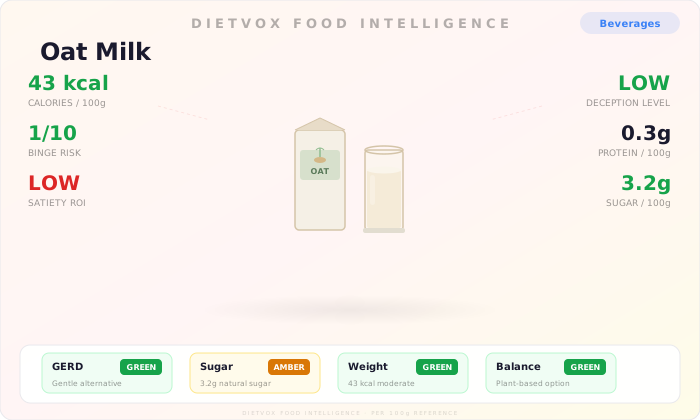
Oat Milk illustration

Oat Milk

43 kcal Beverages
GREEN GERD
GREEN Sugar
GREEN Weight
GREEN Balance
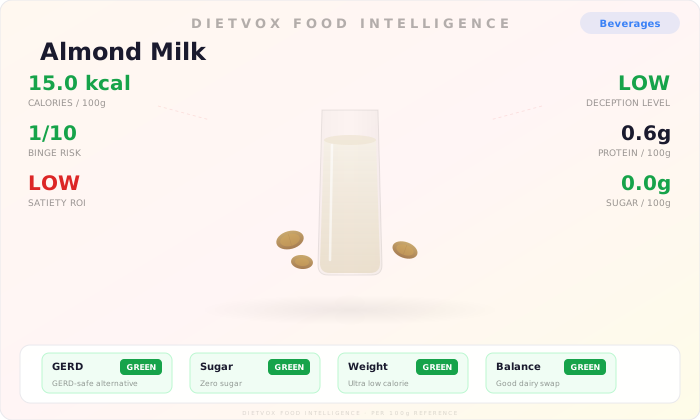
Almond Milk illustration

Almond Milk

15 kcal Beverages
GREEN GERD
GREEN Sugar
GREEN Weight
GREEN Balance
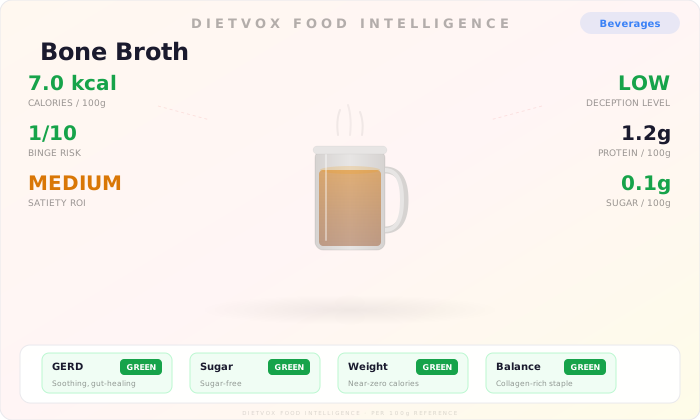
Bone Broth illustration

Bone Broth

7 kcal Beverages
GREEN GERD
GREEN Sugar
GREEN Weight
GREEN Balance
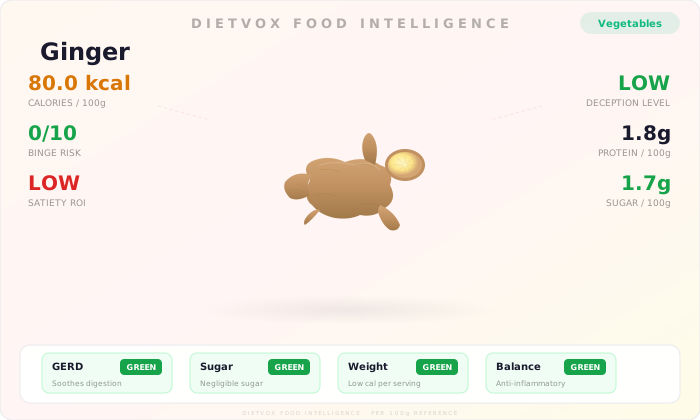
Ginger illustration

Ginger

80 kcal Vegetables
GREEN GERD
GREEN Sugar
GREEN Weight
GREEN Balance

Frequently Asked Questions

Why do some people claim apple cider vinegar helps their reflux?

Claims that ACV helps reflux are largely anecdotal and not supported by scientific source review. This perception may arise from a placebo effect, individual variations in digestion, or misattribution of symptom relief. health guidance from major health institutions like the NHS and American College of Gastroenterology acid reflux guidance do not recommend ACV and instead advise avoiding acidic foods to manage GERD.

What is the pH of apple cider vinegar and why does it matter for GERD?

The pH of apple cider vinegar is typically between 2 and 3, making it highly acidic. This matters immensely for GERD because the oesophagus is not protected against acid like the stomach is. When this strong acid comes into contact with the oesophageal lining, it can cause direct chemical irritation and inflammation, triggering or worsening the painful symptoms of heartburn.

Are there any clinical studies supporting ACV for acid reflux?

Currently, there is a lack of rigorous, high-quality human direct trials demonstrating that apple cider vinegar is a safe or effective treatment for acid reflux. The prevailing medical consensus, reflected in guidelines from organisations like the American College of Gastroenterology (ACG), is to avoid acidic triggers. Therefore, ACV is not a recommended therapy for GERD.

If I must use vinegar, is there a less acidic type?

All vinegars are, by definition, acidic due to the presence of acetic acid. While pH levels can vary slightly between types (e.g., rice vinegar is sometimes milder than ACV), none are considered safe or non-acidic enough for a person actively managing GERD symptoms. For a GERD-friendly diet, it is best to avoid all types of vinegar and seek non-acidic alternatives for flavouring.

Related Reading