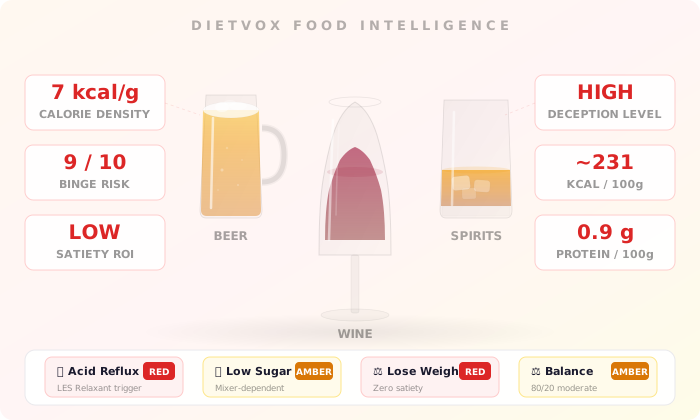
DietVox Rating: RED

Verdict: Alcohol is rated RED for the GERD (Acid Reflux) Diet, indicating it is a significant trigger and should be avoided. For individuals managing gastroesophageal reflux disease, a primary question is is alcohol bad for gerd? The clinical guidance commonly recommends limiting or avoiding it when it triggers symptoms. Alcohol employs multiple mechanisms to provoke or worsen reflux symptoms, making it one of the most common lifestyle factors to address for symptom relief American College of Gastroenterology acid reflux guidance.

Why This Matters: Alcohol's Multi-Faceted Attack on the GI System

Alcohol's impact on GERD is not due to a single factor but a combination of physiological effects that compromise the body's natural defences against acid reflux. Guidance from organisations like the American College of Gastroenterology (ACG) consistently recommend lifestyle modifications that include limiting or eliminating alcohol intake for GERD management ACG.

Here’s a breakdown of the primary mechanisms discussed in source-reviewed guidance:

1. Relaxation of the Lower Esophageal Sphincter (LES)

The LES is a ring of muscle at the bottom of the esophagus that acts as a valve, opening to let food into the stomach and closing to keep stomach acid and contents from flowing back up. Alcohol has a direct relaxing effect on this muscle. A weakened or relaxed LES fails to close properly, creating a clear pathway for acid reflux to occur. A systematic review listed in PubMed found a strong association between alcohol consumption and an increased risk of GERD, with LES pressure reduction being a key contributor PubMed.

2. Stimulation of Gastric Acid Secretion

Certain alcoholic beverages, particularly beer and wine, are potent stimulators of gastric acid production. This effect, known as gastrin release, increases the overall amount of acid in the stomach. More acid in the stomach increases the likelihood and severity of a reflux event should the LES falter PubMed. This creates a dual problem: alcohol both weakens the barrier (the LES) and increases the pressure behind it (more acid).

3. Direct Irritation of the Esophagus and Stomach

Ethanol, the active compound in alcoholic drinks, can directly irritate the mucosal lining of the esophagus and stomach. For an individual who already has inflammation from chronic acid exposure (esophagitis), this direct irritation can heighten pain, cause further damage, and increase sensitivity to even small amounts of refluxed acid Harvard Health Publishing.

4. Impaired Esophageal Motility

Beyond just the LES, alcohol can impair the coordinated muscle contractions of the esophagus (peristalsis) that are responsible for clearing any refluxed material back down into the stomach. This means that when reflux does occur, the acid remains in contact with the delicate esophageal lining for a longer period, increasing the potential for damage and the duration of symptoms like heartburn PubMed.

Does the Type of Alcohol Matter?

A common misconception is that certain types of alcohol are 'safer' for GERD than others. While some drinks may have additional triggers, the core problem is the ethanol itself.

  • Wine: Both red and white wine are highly acidic and are known to stimulate gastric acid production. For some, wine can be a particularly potent trigger.
  • Beer & Sparkling Drinks: These beverages introduce carbonation, which increases gas and pressure within the stomach (gastric distension). This pressure can physically force the LES open, leading to reflux.
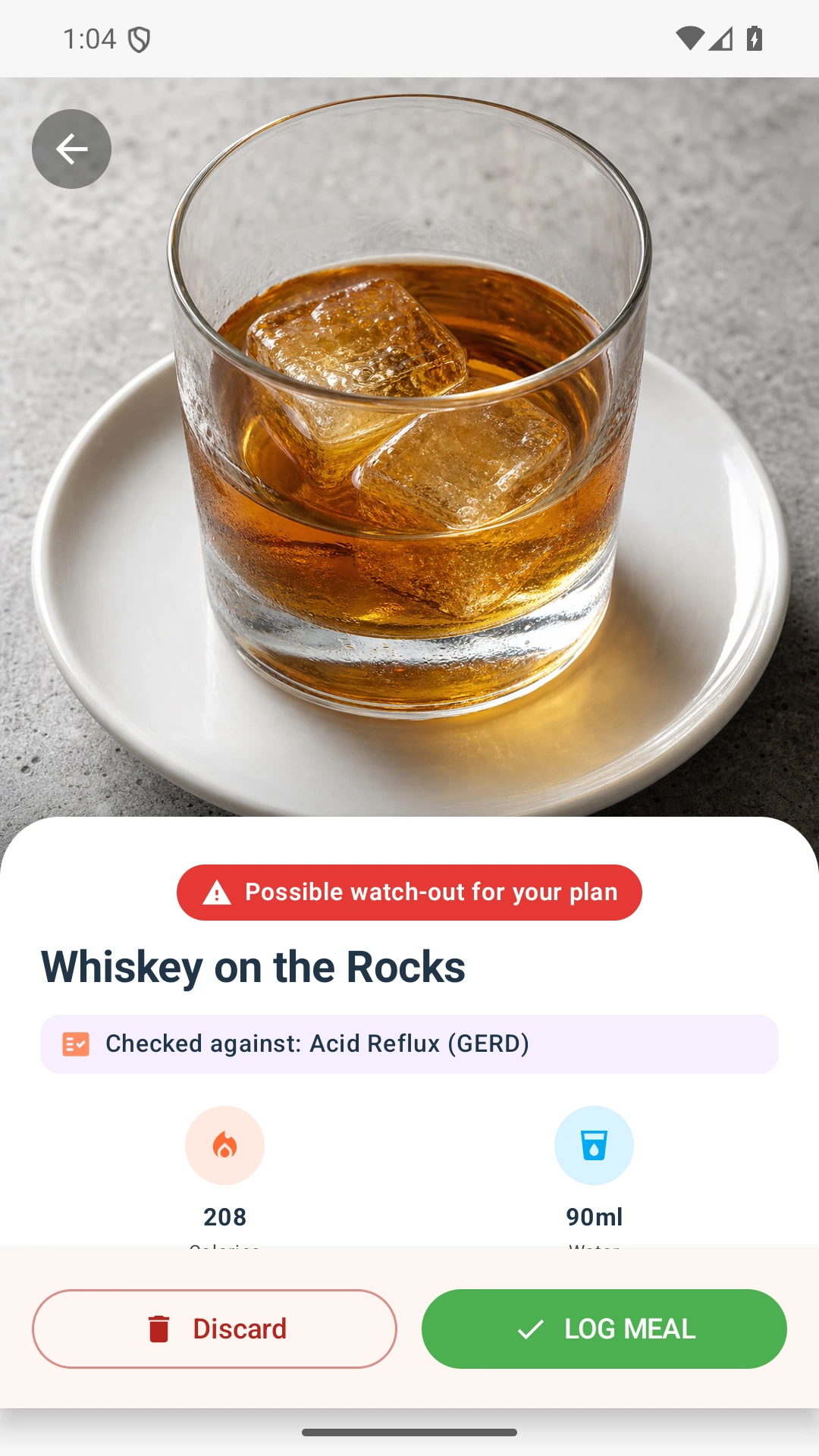
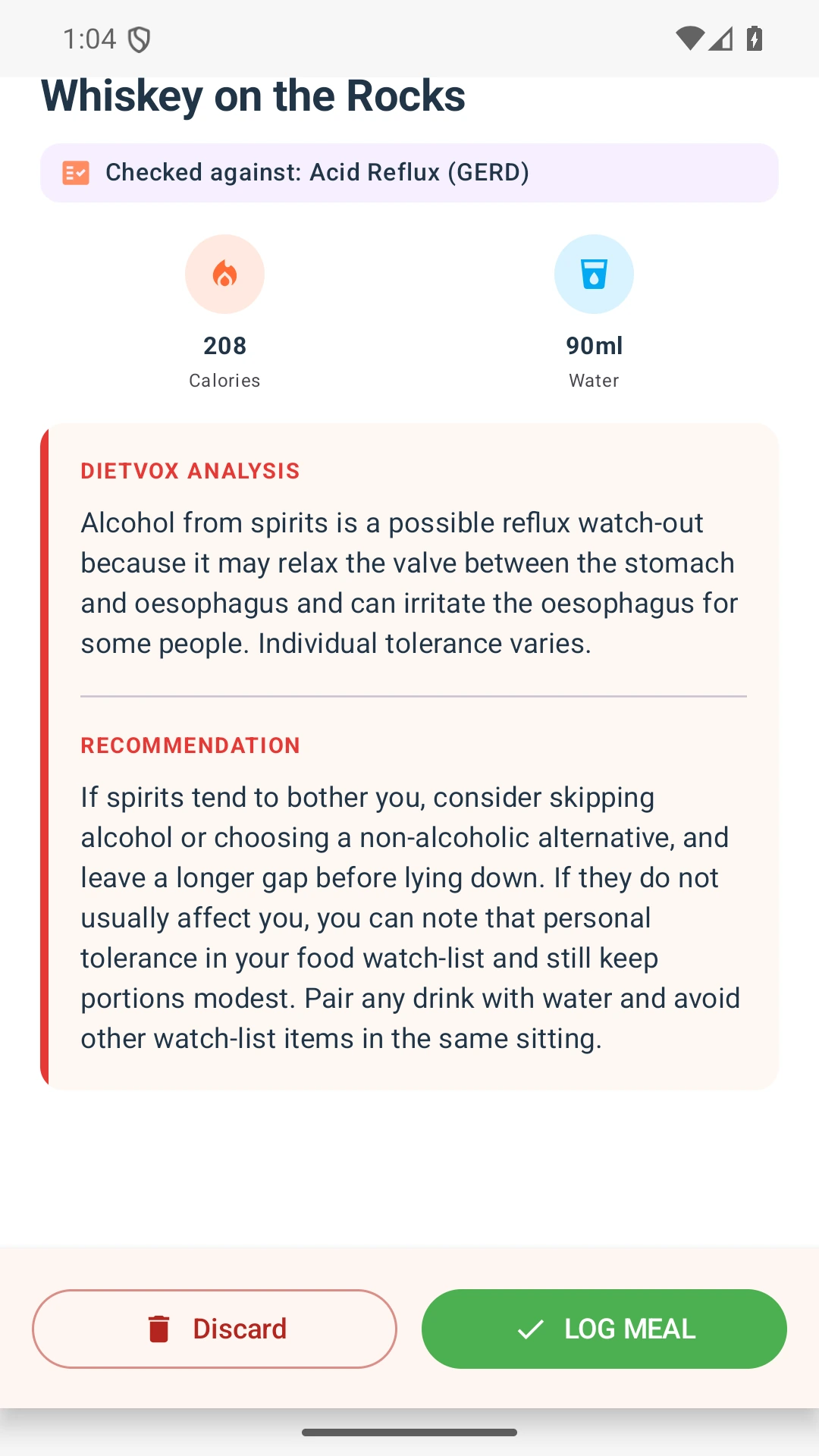
  • Spirits (Liquor): High-proof spirits can be especially irritating to the mucosal lining. When mixed with acidic or carbonated beverages (like citrus juice or soda), they combine multiple trigger mechanisms.

Ultimately, while individual sensitivities may vary, no type of alcoholic beverage is considered safe or recommended for a GERD management diet NHS.

Nutritional Profile and GERD

From a nutritional standpoint, alcohol provides what are often termed 'empty calories'. Based on a typical beer/wine blend average, 100ml of alcohol contains:

  • Calories: 43 kcal
  • Protein: 0g
  • Fat: 0g
  • Carbohydrates: 0g
  • Fibre: 0g

(Note: These values are an average. Specific products vary significantly. Pure ethanol contains approximately 7 kcal per gram. Source for general food composition: USDA FoodData Central)

The lack of protein, fibre, and fat means alcohol has a very low Satiety ROI (Return on Investment). It doesn't contribute to feelings of fullness, which can sometimes lead to overconsumption of both the beverage and accompanying food, further taxing the digestive system.

Practical Guidance for Managing GERD

Given the available guidance, the primary recommendation for individuals following a GERD diet is the complete avoidance of alcohol. This is the most effective way to eliminate its associated reflux triggers.

Strategies for Elimination:

  1. Explore Alternatives: Discover the growing world of non-alcoholic beverages. Sparkling water with a splash of non-citrus juice, herbal teas (like chamomile or ginger), and sophisticated non-alcoholic 'mocktails' can be excellent substitutes in social settings.
  2. Identify Your Triggers: If you are struggling to eliminate alcohol, keep a detailed food and symptom diary. This can help you see the direct correlation between your alcohol intake and your GERD symptoms, reinforcing your motivation to change.
  3. Change Your Routine: If drinking is tied to specific times or activities (e.g., after work, with dinner), try substituting a new, healthy habit, such as a walk, a cup of herbal tea, or calling a friend.

For those who find it extremely difficult to abstain, harm reduction strategies should be discussed with a healthcare provider. However, it's crucial to understand that for many, even a small amount of alcohol can be enough to trigger significant discomfort. The official advice from health bodies like the NHS is to avoid foods and drinks that trigger your symptoms, with alcohol being a primary candidate.


Disclaimer: This article is for informational purposes only and does not constitute medical advice. Always consult a healthcare provider before making changes to your diet, especially if you have a medical condition.

Scan your foods with the DietVox app to get personalized ratings based on your specific dietary needs and health goals.

Last reviewed: June 2026

How It Works

Why Alcohol is Rated RED

Alcohol is categorised as RED for the GERD (Acid Reflux) Diet due to its multiple, recognized mechanisms for triggering and exacerbating symptoms. It undermines the body's natural anti-reflux barriers in several ways:

  1. Relaxes the Lower Esophageal Sphincter (LES): Ethanol directly causes the muscular valve between the esophagus and stomach to relax. This functional weakness allows acidic stomach contents to flow back into the esophagus, causing heartburn and other GERD symptoms American College of Gastroenterology acid reflux guidance.
  1. Increases Gastric Acid Production: Alcohol, especially wine and beer, acts as a powerful secretagogue, stimulating the stomach to produce excess acid. This increases the volume and acidity of potential refluxate PubMed.
  1. Causes Direct Mucosal Irritation: The chemical properties of ethanol can directly irritate the sensitive lining of the esophagus and stomach. This can worsen existing inflammation (esophagitis) and increase pain sensitivity Harvard Health Publishing.
  1. Adds Gastric Pressure (Carbonated Drinks): Carbonated alcoholic beverages like beer, sparkling wine, and mixed drinks with soda add gas to the stomach. This increases intragastric pressure, which can physically push open the LES and promote reflux events.

Scan any food. Get an instant RED/AMBER/GREEN rating.

DietVox analyses every food across 4 diet protocols — no guesswork.

Try DietVox Free →

Try These Instead

Safer alternatives that won't trigger your symptoms.

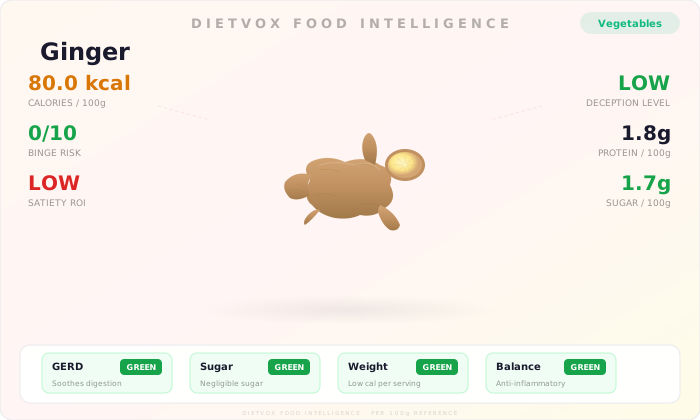
Ginger illustration

Ginger

80 kcal Vegetables
GREEN GERD
GREEN Sugar
GREEN Weight
GREEN Balance
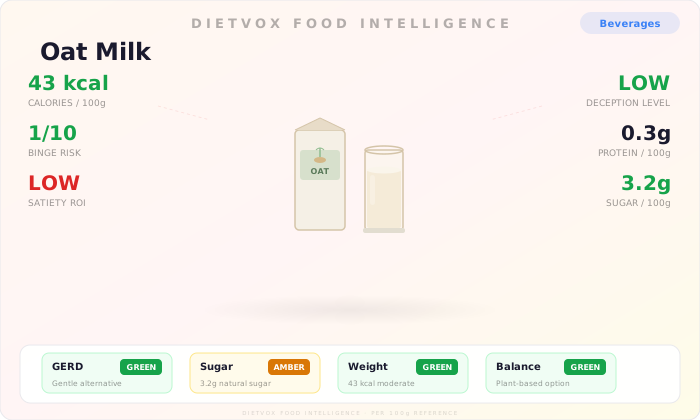
Oat Milk illustration

Oat Milk

43 kcal Beverages
GREEN GERD
GREEN Sugar
GREEN Weight
GREEN Balance
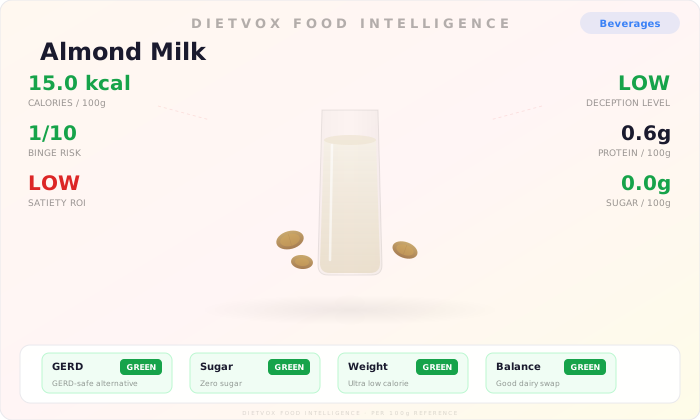
Almond Milk illustration

Almond Milk

15 kcal Beverages
GREEN GERD
GREEN Sugar
GREEN Weight
GREEN Balance

Frequently Asked Questions

Is there a 'safe' type of alcohol for acid reflux, like wine or vodka?

No type of alcohol is considered 'safe' for GERD. The primary trigger is ethanol, which is present in all alcoholic beverages. Ethanol relaxes the lower esophageal sphincter (LES), allowing acid to reflux. While some drinks have additional triggers—like the high acidity of wine or the carbonation in beer—the fundamental problem remains the alcohol itself. It is best to avoid all forms to manage GERD symptoms effectively.

Will quitting alcohol completely cure my GERD?

Quitting alcohol is a critical lifestyle modification that can significantly reduce or even eliminate symptoms for many people, as it removes a major trigger. However, GERD is often multifactorial. Other factors like diet (e.g., fatty foods, caffeine), obesity, smoking, and certain medical conditions also play a role. While eliminating alcohol is a powerful step recommended by health guidance from sources like the NHS, it may need to be combined with other changes for complete symptom control.

How long after drinking alcohol can GERD symptoms appear?

Symptoms can appear quite quickly, sometimes within 30 minutes to an hour after consumption. The direct effects, such as LES relaxation and acid stimulation, happen relatively fast. Some individuals may also experience delayed symptoms several hours later or notice a worsening of nighttime reflux, especially if the alcohol was consumed close to bedtime.

What are some good non-alcoholic drink alternatives for social situations?

There are many excellent GERD-friendly alternatives. Consider sparkling water with a slice of cucumber or a few berries (avoiding citrus), caffeine-free herbal teas like chamomile, ginger, or licorice root tea (served chilled), or a non-alcoholic mocktail made with a base of coconut water, a splash of pear or melon juice, and muddled mint.

Related Reading