DietVox Rating: GREEN

When it comes to navigating your diet for weight loss, understanding how specific foods contribute is key. Grapes, those small, juicy delights, often spark questions regarding their place in a calorie-controlled eating plan. DietVox rates grapes for weight loss as GREEN, indicating they can be a beneficial inclusion when consumed mindfully. This rating reflects their moderate calorie density and beneficial water and fibre content, which can support satiety, provided portion sizes are managed effectively.

Understanding Grapes in a Weight Loss Diet

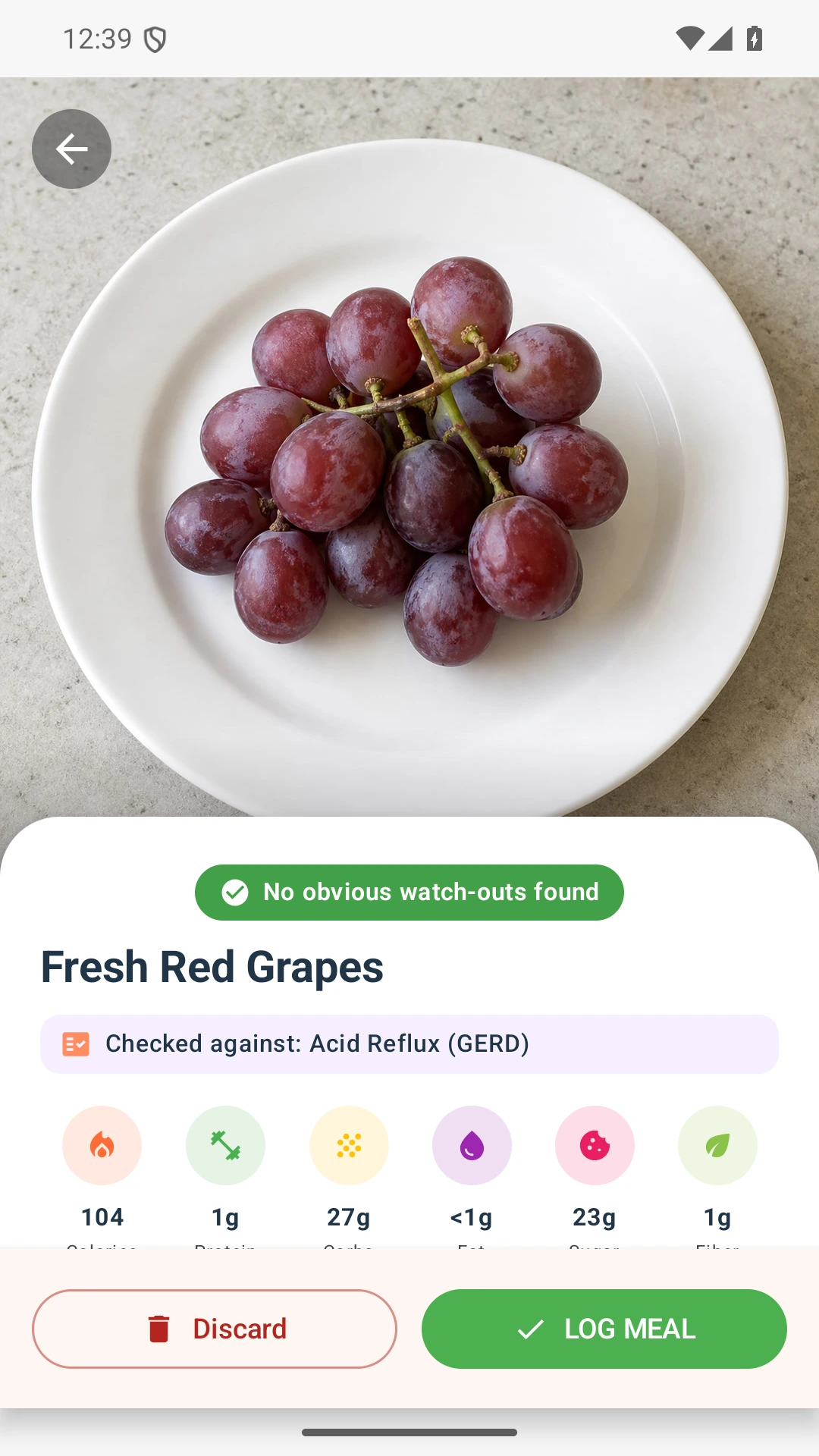
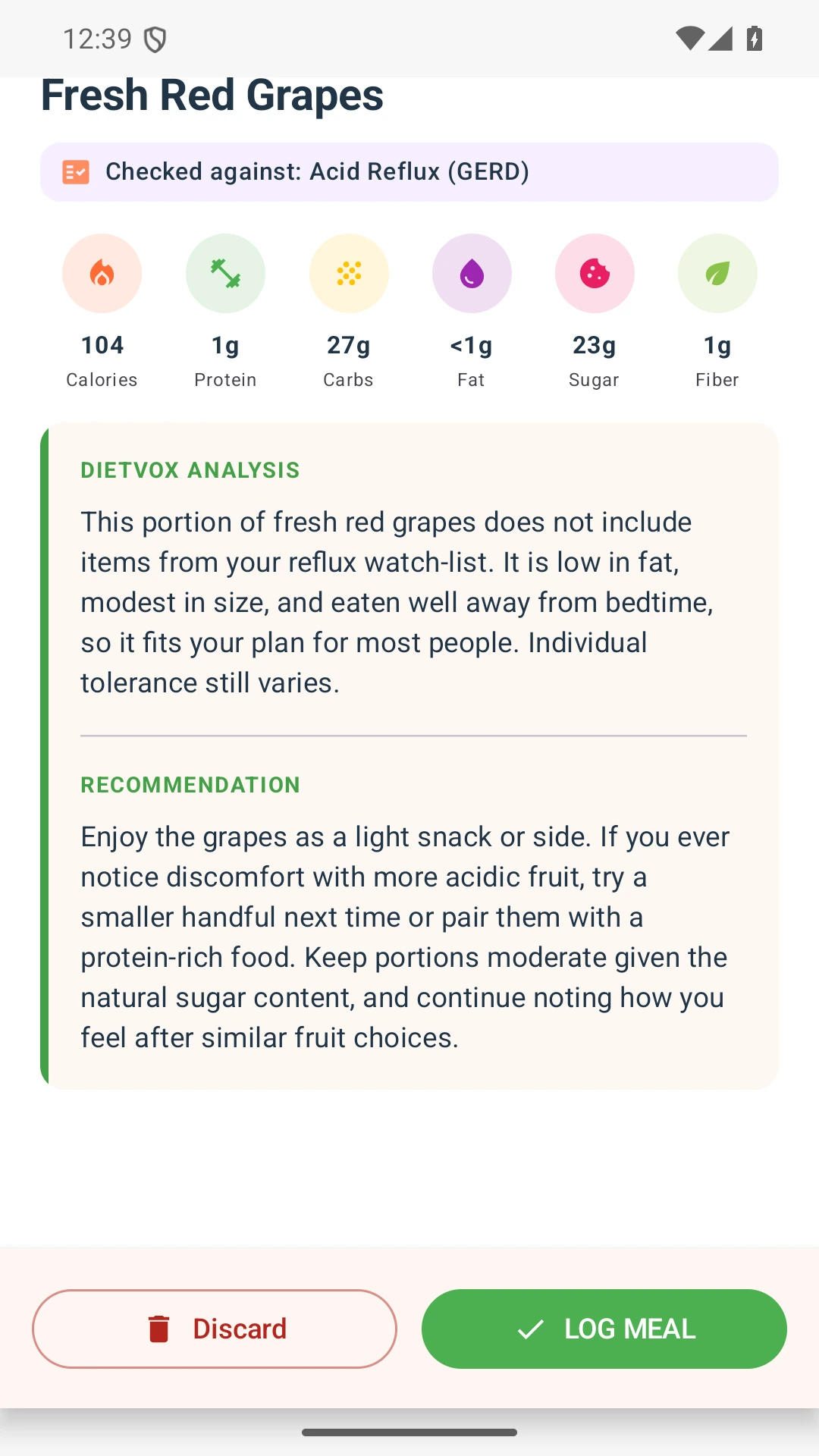
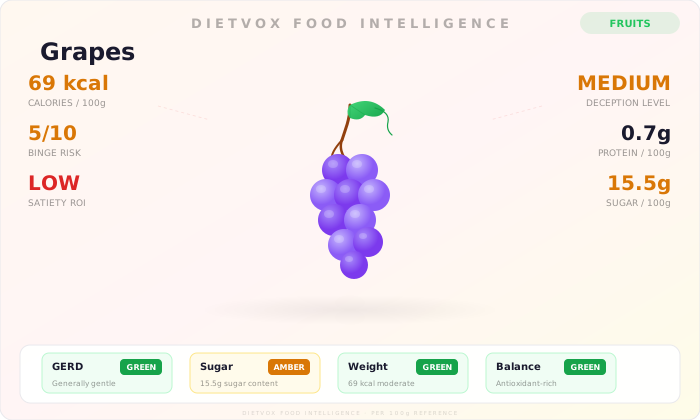
Grapes are a popular fruit, cherished for their sweet taste and versatility. From a nutritional standpoint, 100 grams of grapes provide approximately 69 calories (kcal) USDA FoodData Central. This makes them a moderate-calorie fruit option. Their macronutrient profile per 100g includes 0.7g of protein, 0.2g of fat, and 18.1g of carbohydrates, of which 15.5g are sugars and 0.9g are dietary fibre USDA FoodData Central.

DietVox's Health Forensics analysis categorizes grapes as having a LOW calorie density (69 kcal/100g). This means that you can enjoy a relatively generous portion size without accumulating a significant number of calories, which is a cornerstone principle of effective weight loss diets Harvard Health Publishing. Foods with low calorie density help create a feeling of fullness, reducing the likelihood of overeating other, more calorie-dense items.

However, their Satiety ROI (Return on Investment) is rated as LOW. This is primarily due to their relatively low protein (0.7g) and fibre (0.9g) content per 100g, which are key nutrients for promoting sustained fullness NHS. While the water content of grapes (over 80%) contributes to hydration and some immediate volume in the stomach, the lack of substantial protein and fibre means they might not keep you feeling satisfied for as long as other, more fibre- or protein-rich options CDC healthy eating guidance.

The Science Behind Grapes and Weight Management

The role of grapes in a weight loss diet is multifaceted. Their primary contribution comes from their water content and moderate calorie density.

Hydration and Volume: Grapes are composed of a high percentage of water, which contributes to their low calorie density. Consuming water-rich foods can help increase meal volume without adding excessive calories, thereby promoting satiety and reducing overall calorie intake WHO. This can be particularly useful for those looking to feel fuller on fewer calories.

Dietary Fibre: While not exceptionally high, the 0.9g of dietary fibre per 100g in grapes still plays a role in digestive health and can contribute to satiety by slowing digestion and promoting a feeling of fullness NHS. Including fibre-rich foods is generally recommended for weight management as it can help regulate appetite and support healthy bowel function Harvard Health Publishing.

Sugar Content and Glycemic Response: The 15.5g of sugar per 100g in grapes is a significant amount for a fruit. These are natural sugars (fructose and glucose). While natural sugars in whole fruit come packaged with fibre and other nutrients, they can still elicit a notable glycaemic response Harvard Health Publishing. For individuals sensitive to blood sugar fluctuations, or those aiming for very low-sugar diets, this is a consideration. However, for most individuals on a general weight loss diet, consuming whole fruits like grapes in moderation is encouraged as part of a balanced diet NHS. The fibre present, even in small amounts, can help to temper the sugar's impact on blood glucose compared to consuming pure sugar.

Antioxidants and General Health: Grapes are rich in various antioxidants, including resveratrol, flavonoids, and anthocyanins, particularly in darker varieties PubMed / NIH. These compounds are associated with numerous health benefits, such as supporting cardiovascular health and reducing oxidative stress Harvard Health Publishing. While these benefits don't directly cause weight loss, a diet rich in antioxidant-containing foods supports overall health, which is crucial for sustainable weight management.

Practical Strategies for Incorporating Grapes into Your Weight Loss Plan

Successfully integrating grapes into a weight loss diet hinges on mindful consumption and portion control.

Portion Control is Paramount: Due to their small size and sweetness, grapes are easy to overeat. A typical serving might be around 100-150 grams, which amounts to roughly 15-20 grapes, depending on their size [DietVox Health Forensics]. DietVox rates the tracking difficulty for grapes as MEDIUM, noting that visual portion estimation may deviate by 15-25%. Therefore, weighing your portion initially can help you understand what a sensible serving looks like and prevent accidental overconsumption NHS.

Pair with Protein or Healthy Fats: To enhance the satiety factor and mitigate the blood sugar response from their natural sugars, consider pairing grapes with a source of protein or healthy fats. For example, a handful of grapes with a small portion of plain Greek yogurt, cottage cheese, or a few almonds can create a more balanced and satisfying snack that keeps you full longer CDC healthy eating guidance.

Mindful Snacking: Instead of mindlessly grazing from a large bowl, pre-portion grapes into small containers. Eating them slowly and savoring their sweetness can also contribute to a more satisfying experience, allowing your body to register fullness signals more effectively Harvard Health Publishing.

Timing Your Consumption: While there's no strict rule, consuming grapes as part of a meal or as a mid-morning/afternoon snack can be more beneficial than as a late-night snack, especially if you are sensitive to sugar intake before bed.

Common Misconceptions About Grapes and Weight Loss

"Grapes are too high in sugar for weight loss." While grapes do contain a significant amount of natural sugar, they are a whole food. The sugar in grapes comes alongside water, fibre (albeit in small amounts), and beneficial micronutrients and antioxidants USDA FoodData Central. This differs significantly from added sugars found in processed foods and sugary drinks, which lack these beneficial components WHO. When consumed in controlled portions, the natural sugars in grapes are part of a healthy, balanced diet recommended for weight loss NHS.

"Grapes are fattening." No single food is inherently "fattening." Weight gain occurs when calorie intake consistently exceeds calorie expenditure. At 69 kcal per 100g, grapes are a low-calorie density food. The key is moderation and fitting them within your overall daily calorie target. Overeating any food, even healthy ones, can hinder weight loss, but grapes themselves are not uniquely fattening Harvard Health Publishing.

DietVox Health Forensics: A Closer Look

  • Calorie Density: LOW (69 kcal/100g) – This allows for satisfying portions without a high caloric impact, crucial for feeling full while in a calorie deficit [DietVox Health Forensics].
  • Satiety ROI: LOW – The limited protein (0.7g) and fibre (0.9g) mean grapes may not provide long-lasting fullness on their own. Pairing them is recommended [DietVox Health Forensics].
  • Tracking Difficulty: MEDIUM – Visual estimation can be inaccurate. Weighing portions is advised for precise calorie tracking [DietVox Health Forensics].

The DietVox Verdict: Grapes for Sustainable Weight Loss

Grapes are a delicious, versatile fruit that can absolutely fit into a weight loss diet. Their GREEN rating from DietVox reflects their low calorie density, hydrating properties, and beneficial micronutrient profile. The critical factor for success is mindful portion control, given their sweetness and ease of overconsumption. By pairing them with protein or fibre and being aware of serving sizes, grapes can be a satisfying and healthy component of your journey towards sustainable weight management.


Disclaimer: This article is for informational purposes only and does not constitute medical advice. Always consult a healthcare provider before making changes to your diet, especially if you have a medical condition.

Scan your foods with the DietVox app to get personalized ratings based on your specific dietary needs and health goals.

Last reviewed: June 2026

How It Works

Why Grapes are Rated GREEN

Grapes receive a GREEN rating from DietVox for weight loss due to several key factors that align with effective calorie management and healthy eating principles:

  1. Low Calorie Density: At 69 kcal per 100g USDA FoodData Central, grapes offer a relatively low energy content for their volume. This means you can consume a satisfying amount without consuming excessive calories, which is fundamental for creating the necessary calorie deficit for weight loss Harvard Health Publishing.
  2. High Water Content: Grapes are primarily composed of water, contributing significantly to their low calorie density. Water-rich foods help increase feelings of fullness and hydration, which can reduce overall food intake WHO.
  3. Source of Fibre: While not a primary source, the 0.9g of dietary fibre per 100g in grapes contributes to digestive health and can aid in satiety by slowing digestion NHS.
  4. Nutrient-Rich: Beyond macronutrients, grapes provide vitamins, minerals, and antioxidants that support overall health, which is vital for a sustainable weight loss journey PubMed / NIH.

However, the GREEN rating also comes with a crucial caveat: portion control. Their inherent sweetness and small, bite-sized nature make them easy to overconsume. While their calorie density is low, excessive portions can still add up. Therefore, measuring or weighing servings is essential to leverage their benefits without hindering weight loss progress. The fibre and water content do aid satiety to some extent, but pairing them with a protein source can further enhance fullness.

Scan any food. Get an instant RED/AMBER/GREEN rating.

DietVox analyses every food across 4 diet protocols — no guesswork.

Try DietVox Free →

Try These Instead

Safer alternatives that won't trigger your symptoms.

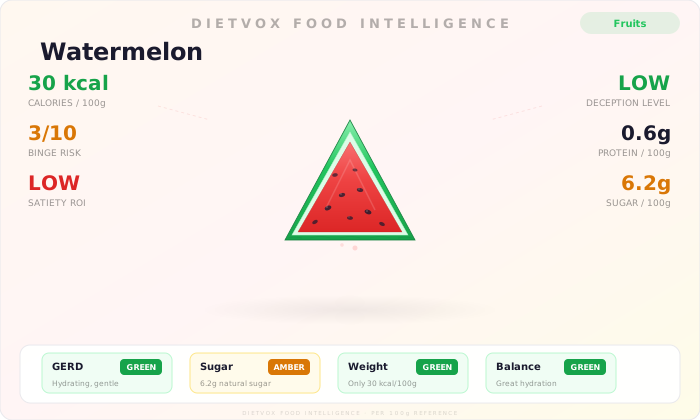
Watermelon illustration

Watermelon

30 kcal Fruits
GREEN GERD
AMBER Sugar
GREEN Weight
GREEN Balance
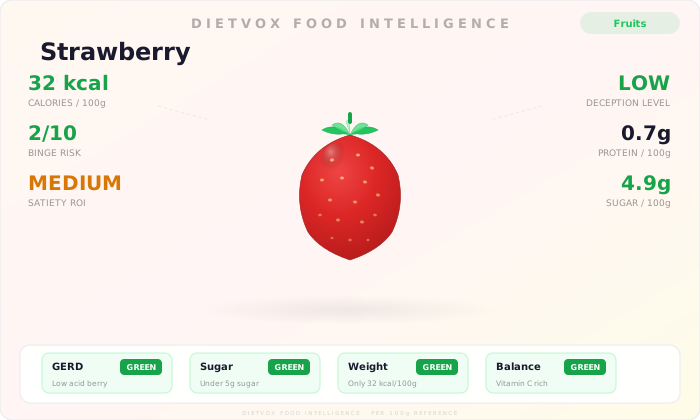
Strawberry illustration

Strawberry

32 kcal Fruits
GREEN GERD
GREEN Sugar
GREEN Weight
GREEN Balance
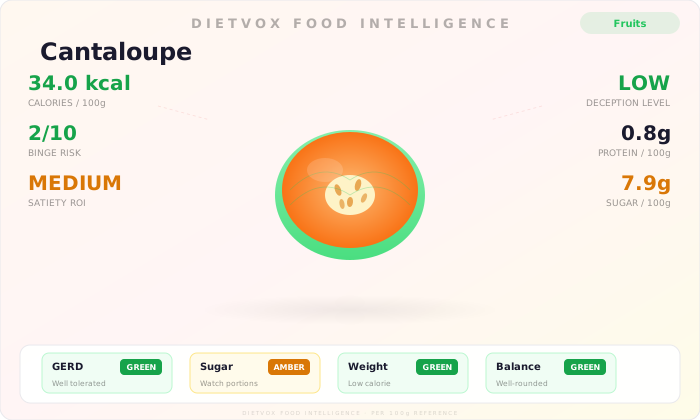
Cantaloupe illustration

Cantaloupe

34 kcal Fruits
GREEN GERD
AMBER Sugar
GREEN Weight
GREEN Balance
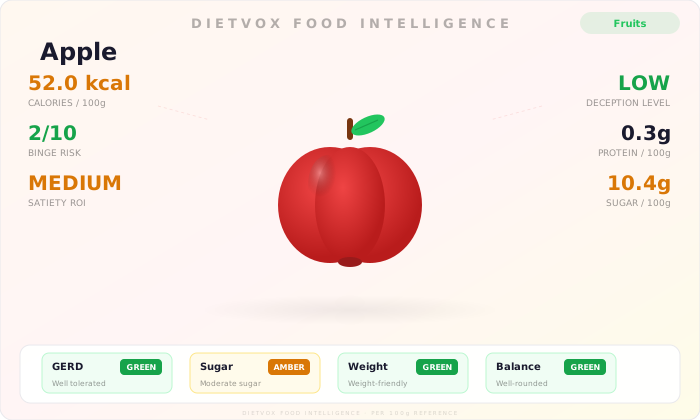
Apple illustration

Apple

52 kcal Fruits
GREEN GERD
AMBER Sugar
GREEN Weight
GREEN Balance

Frequently Asked Questions

What is the calorie density of grapes?

Grapes have a LOW calorie density, providing 69 kcal per 100g [DietVox Health Forensics]. This means you can eat a relatively large volume for a moderate calorie count, which can be beneficial for weight loss.

How does the sugar content of grapes affect weight loss?

Grapes contain 15.5g of natural sugars per 100g USDA FoodData Central. While this is a notable amount, these sugars come packaged with water, fibre, and other nutrients. When consumed in moderation as part of a balanced diet, the natural sugars in whole fruits like grapes are generally not detrimental to weight loss efforts NHS. Portion control is key to manage overall sugar intake.

Are grapes a good source of fibre for weight loss?

Grapes contain 0.9g of dietary fibre per 100g USDA FoodData Central. While not a high-fibre food, this modest amount still contributes to daily fibre intake, which supports digestive health and can aid satiety, helping you feel fuller for longer NHS.

What are the best ways to eat grapes for weight loss?

To maximize their benefits for weight loss, eat grapes in controlled portions, ideally measured. Pair them with protein (like Greek yogurt or cottage cheese) or healthy fats (like a small handful of nuts) to enhance satiety. Enjoy them as a mindful snack or as part of a balanced meal CDC healthy eating guidance.

Can grapes help with satiety?

Grapes can contribute to satiety primarily due to their high water content and moderate calorie density, which helps fill you up without adding excessive calories WHO. However, their Satiety ROI is rated LOW by DietVox due to limited protein and fibre, meaning they might not provide long-lasting fullness on their own. Pairing them with other satiating foods is recommended.

Related Reading